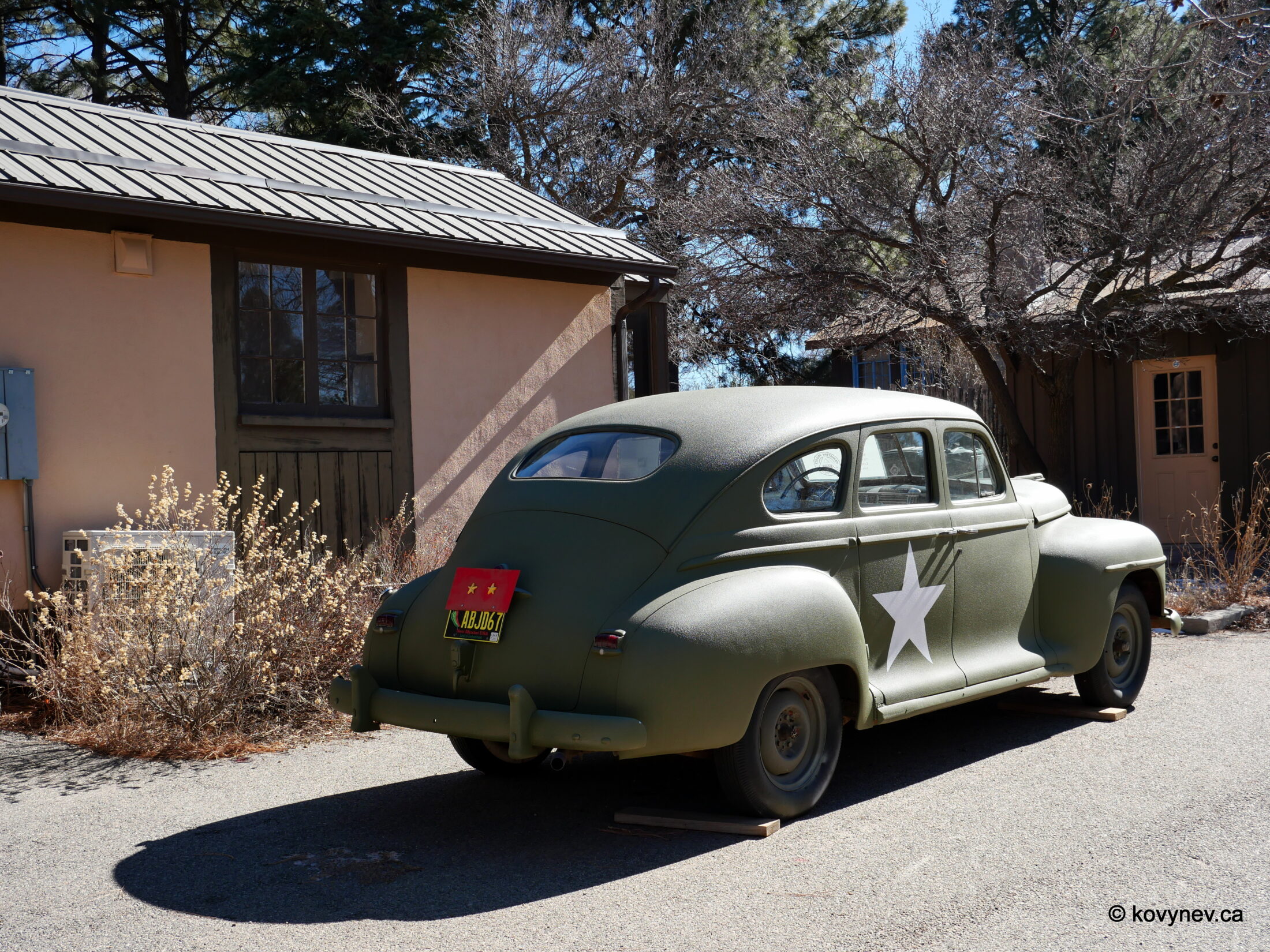
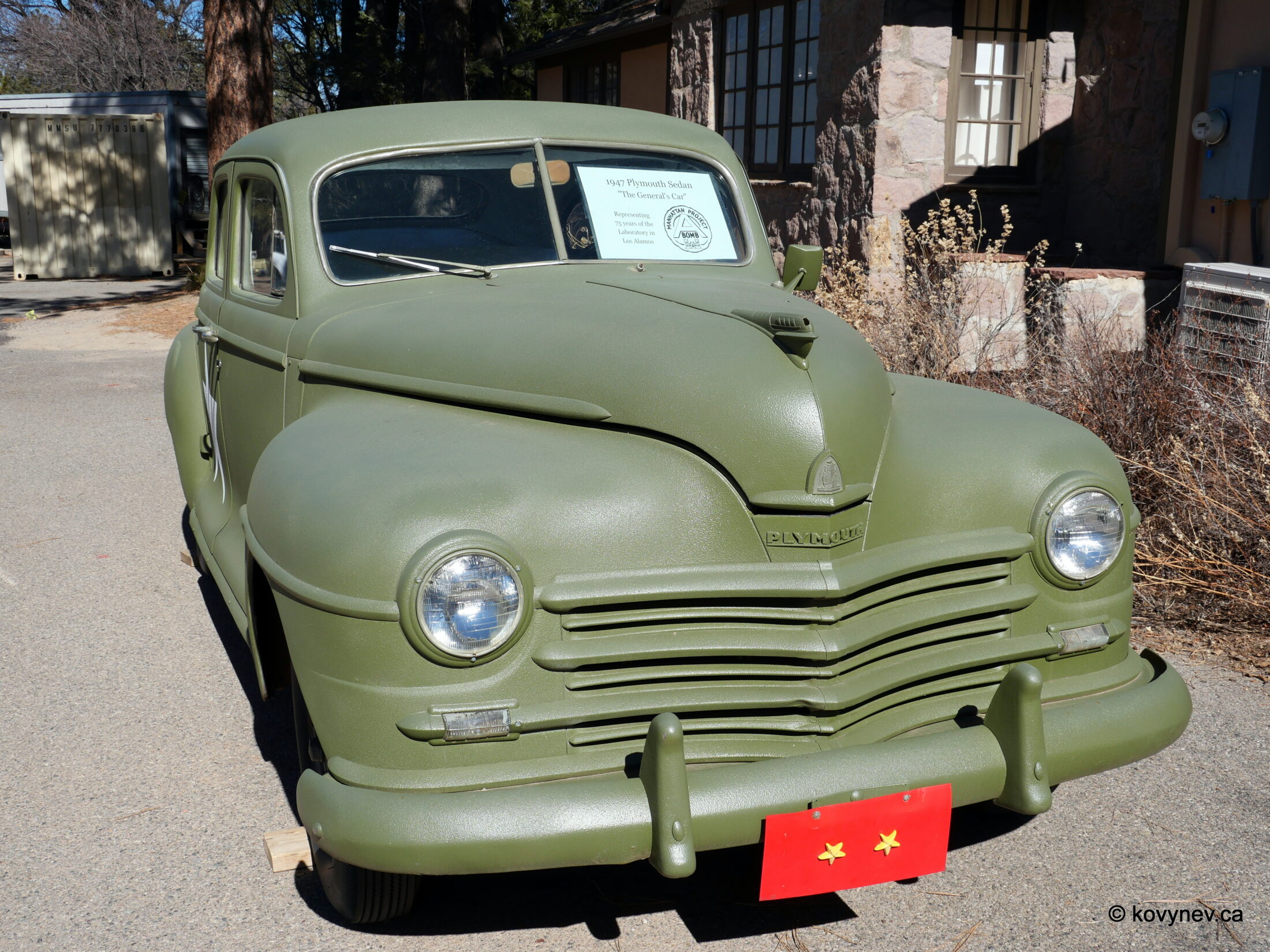
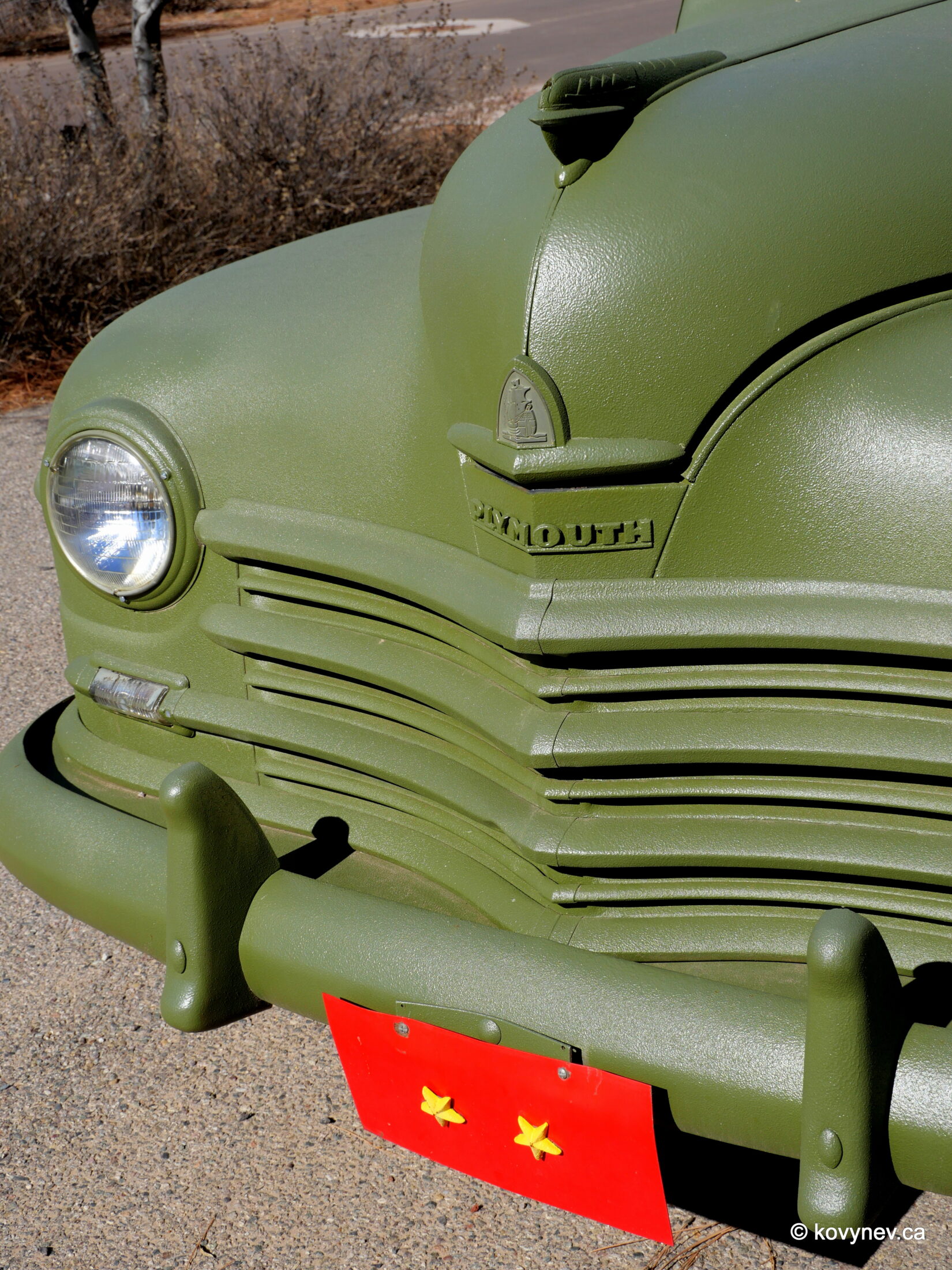
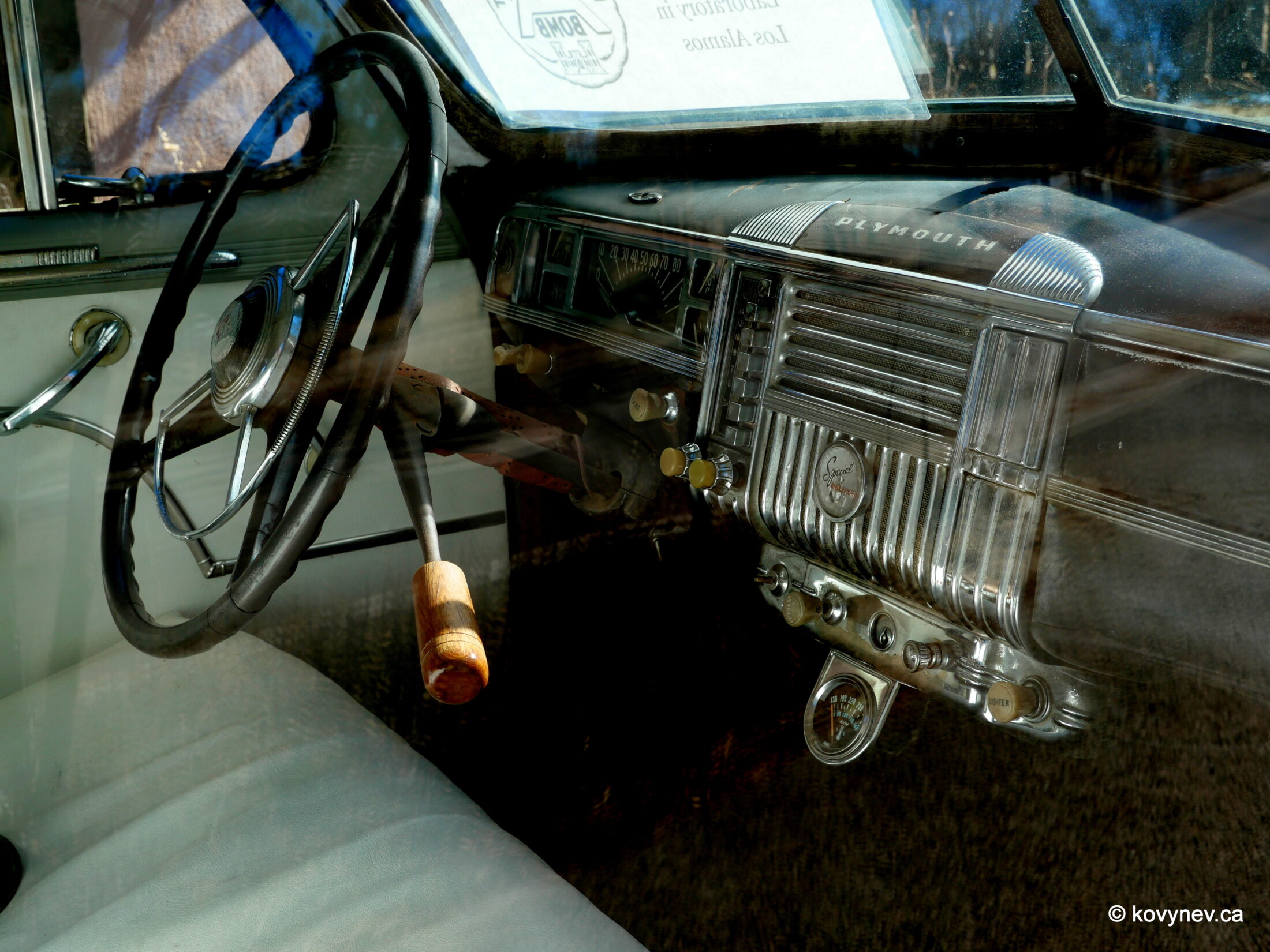
While in the Santa Fe area, you’d probably want to visit Los Alamos, the famous site of the Manhattan Project, the one where they created the atomic bomb during WWII. On the approach to the town, be prepared to stop at a checkpoint and answer questions, where are you going and why. Then the guard will tell you to strictly follow the road signs for Los Alamos and to not get off the road anywhere until you reach town. That’s because the Los Alamos National Laboratory, which was established specifically for the Manhattan Project back in 1940s, is still very much up and running. It is still located on the outskirts of Los Alamos, and still conducts research in national security, space exploration, nuclear fusion, etc. So, no, do not veer off the road.
Los Alamos (means The Poplars in Spanish) is located on a long narrow mesa, a flat plateau, between two deep hollows formed by streams, which once flowed off the slopes of Valles Caldera, a supervolcano erupted 1.25 million years ago (we will see it at one point). There are no streams anymore, just dry little canyons, cutting the landscape into numerous parallel mesas. Flat plateaus are perfect for cattle, so ranching was pretty much the only thing the European settlers did after arriving in the area. This specific plateau, called Pajarito (technically, it means “a little bird”, but your Spanish-speaking friends might offer a different translation), was home to Los Alamos Ranch, owned by an H. H. Brook. Eventually, it was purchased by Ashley Pond Jr., who established Los Alamos Ranch School here for the kids of the neighbouring ranchers.
Pajarito Plateau turned out to be a perfect spot for a secret military project, when the war came. Very isolated (miles and miles from anywhere, with practically no surrounding population), very easy to guard with just one road on and off the plateau, and with an existing infrastructure built for the school. So, in 1942, the US government bought the entire town, the kids moved out, and the scientists moved in. Now, it’s all called the Manhattan Project National Historical Park, and you can visit it for free, unless you want to see the museum exhibition and the insides of the buildings. Then, it’s 25 dollars.
NIKONCOOLPIX S9300 22mm
/ 5.7
/ 10/1000s
/ ISO 125
Created: 125
Uploaded: 125
Likes: 125
Views: 125
Comments: 125
-1
-1
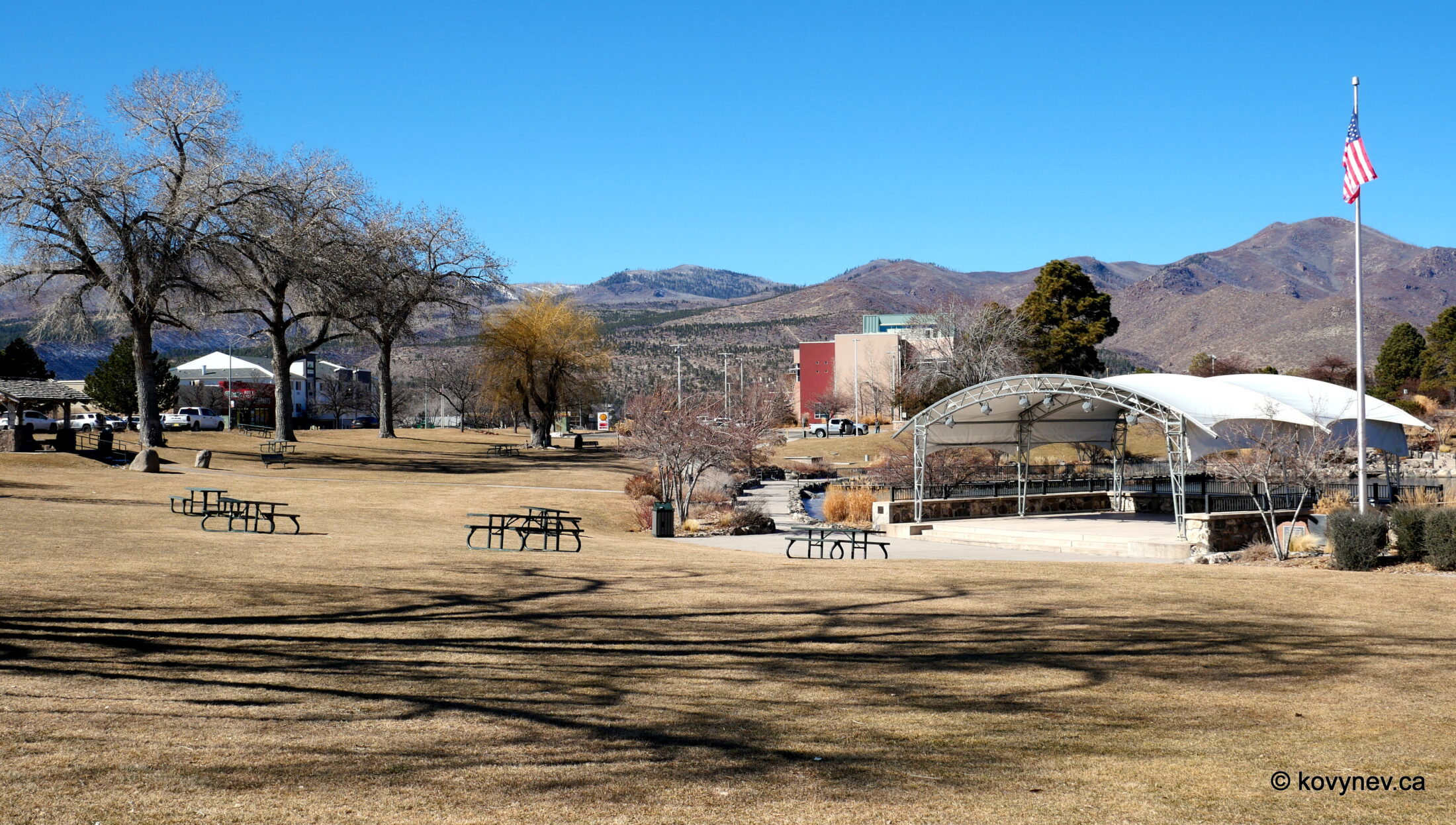
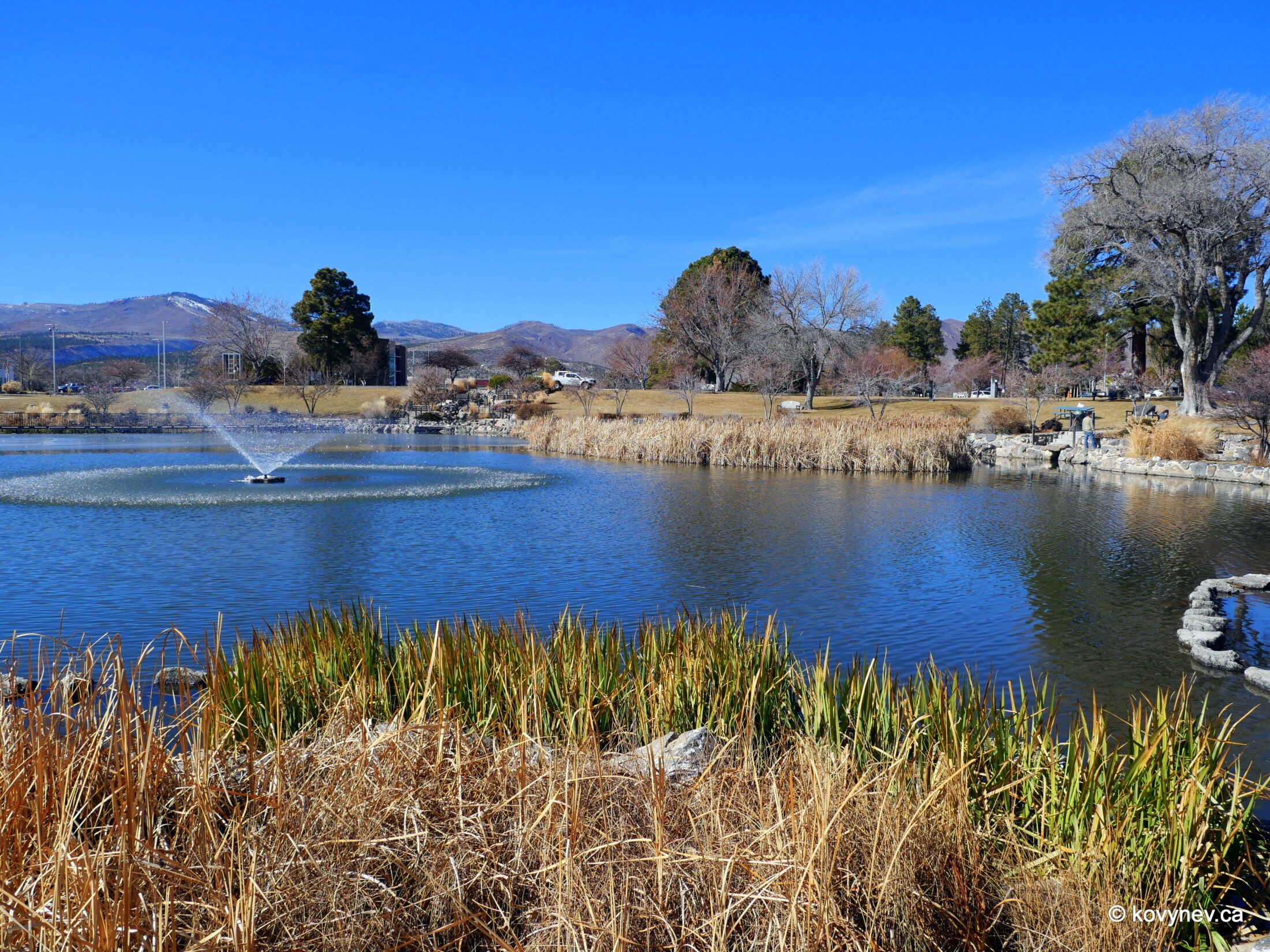
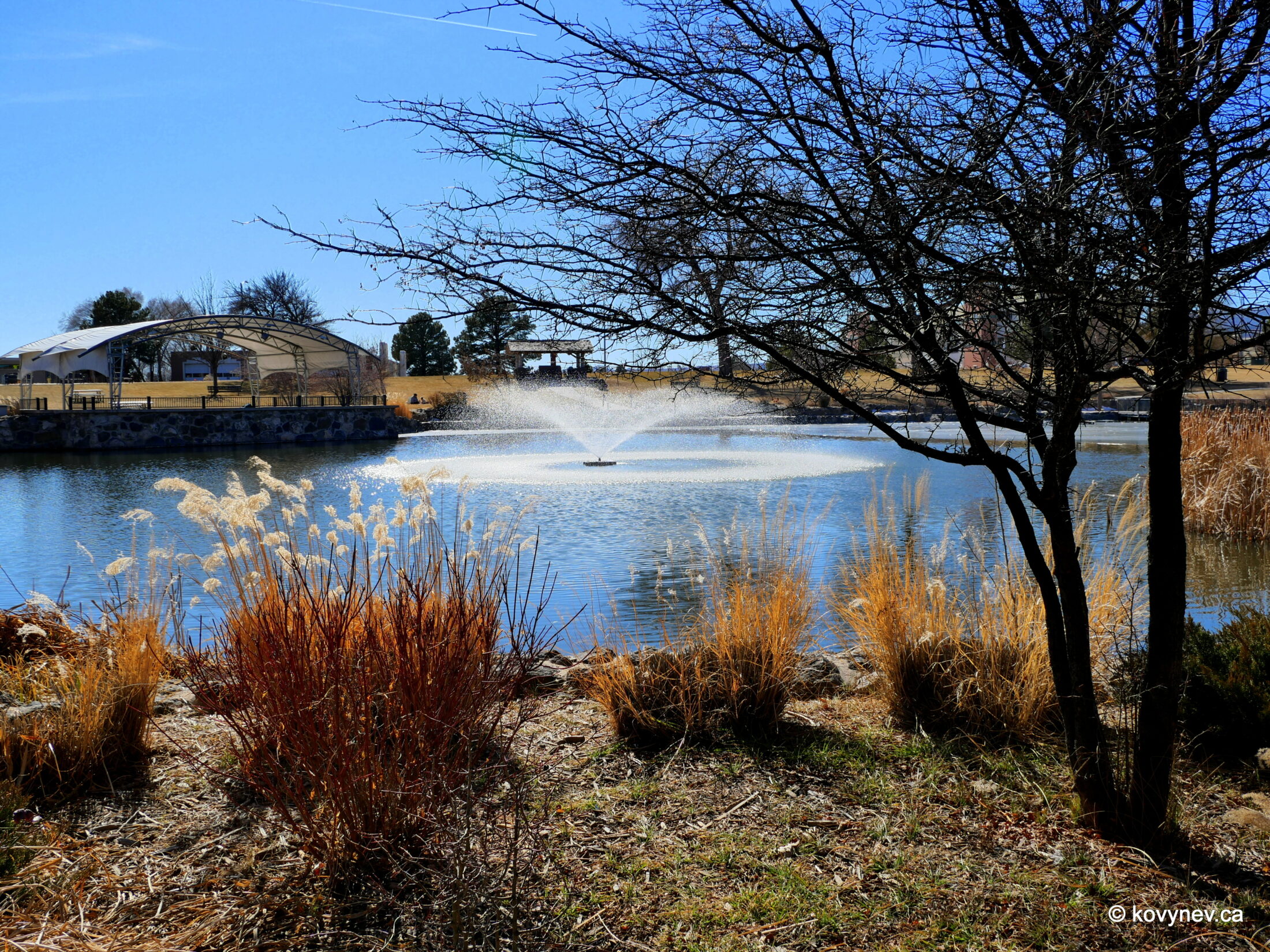
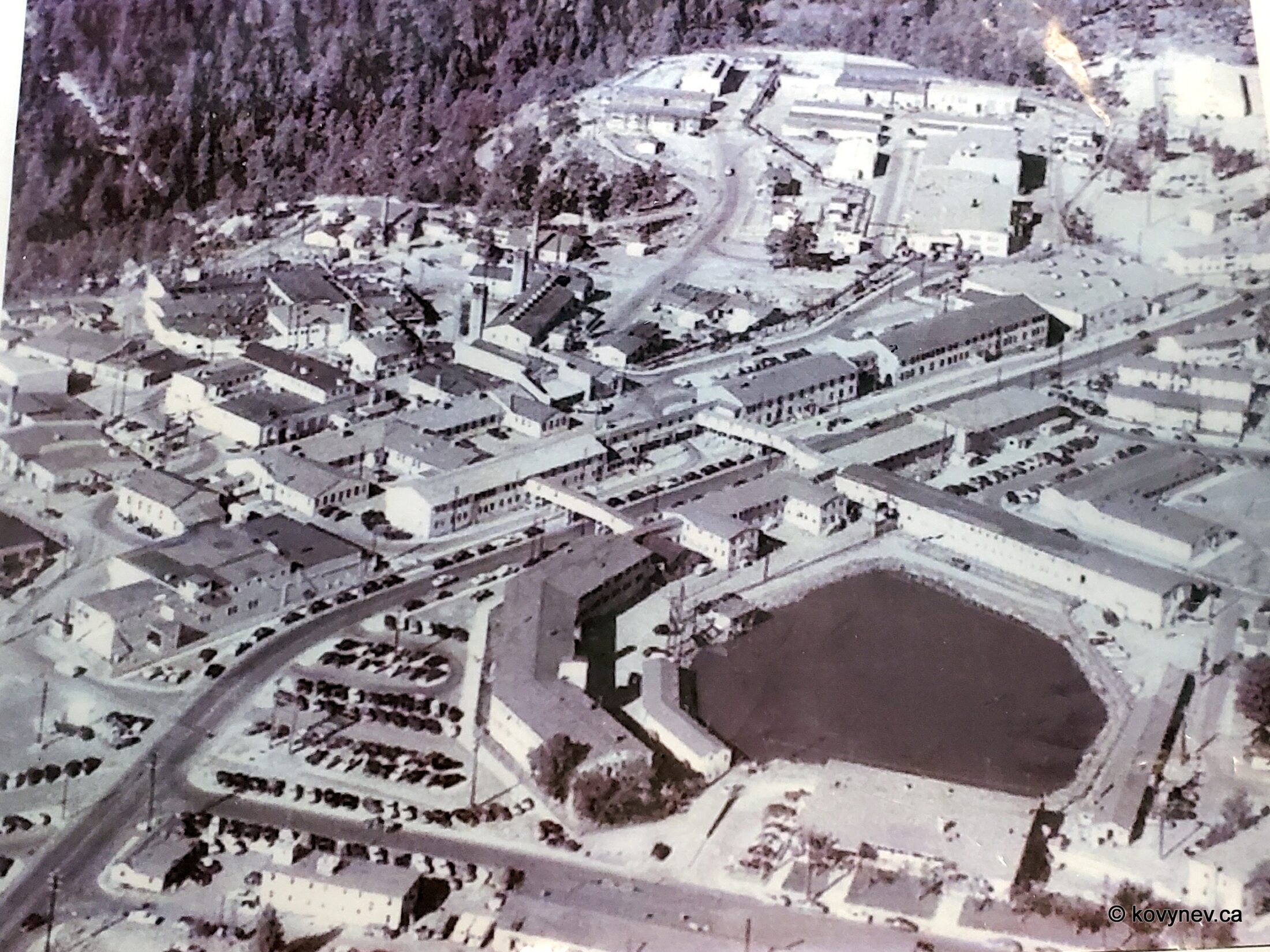
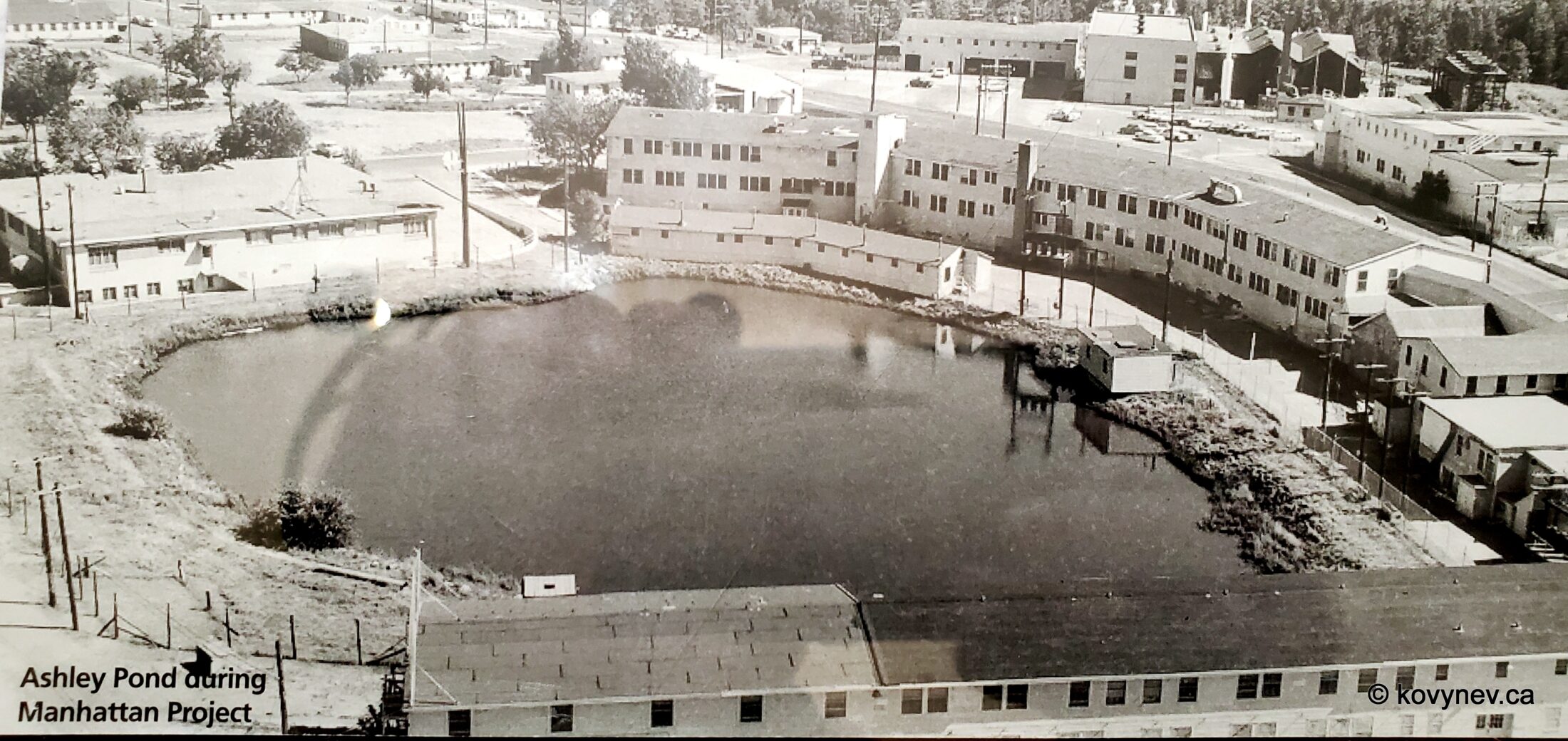
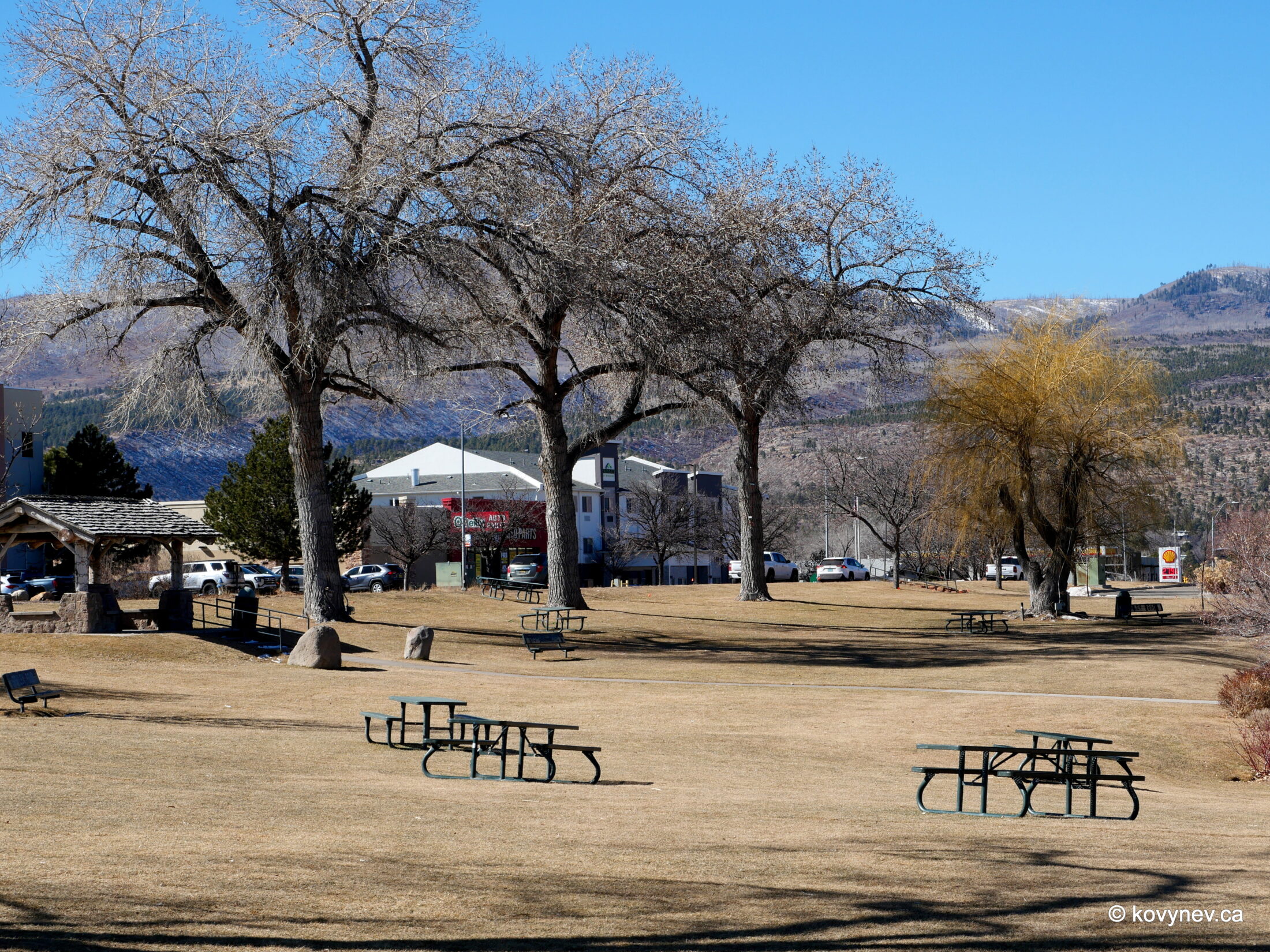
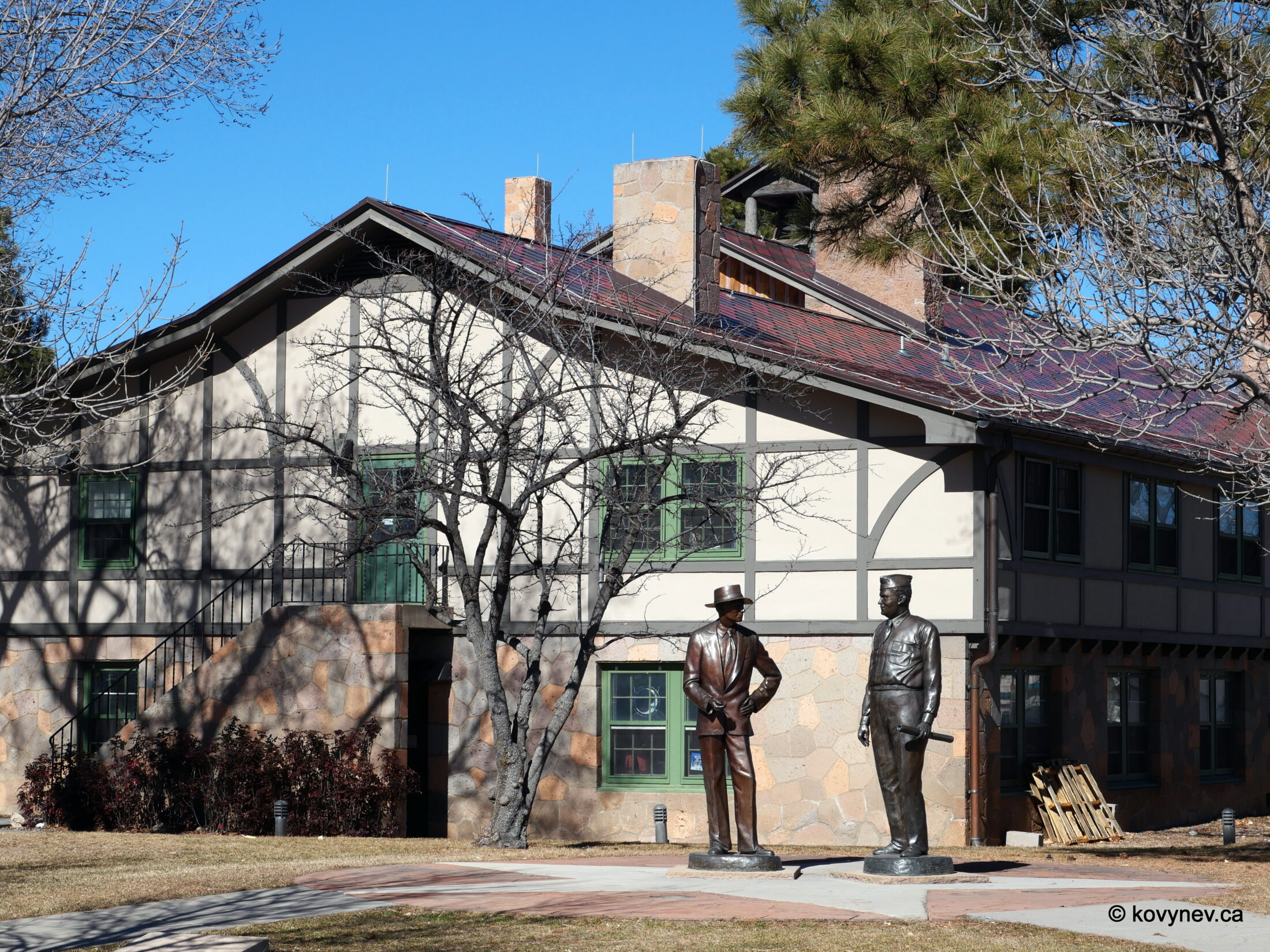
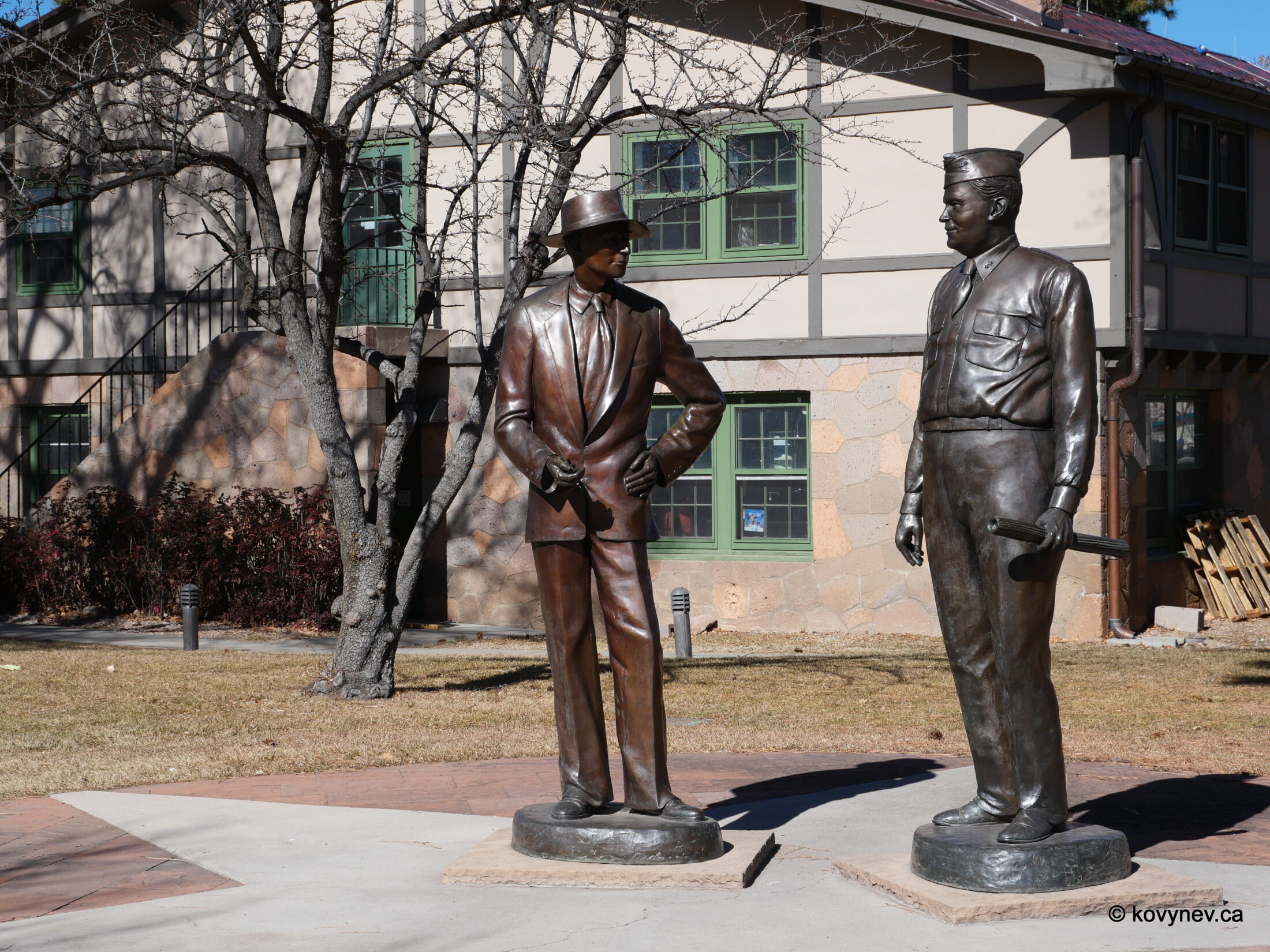
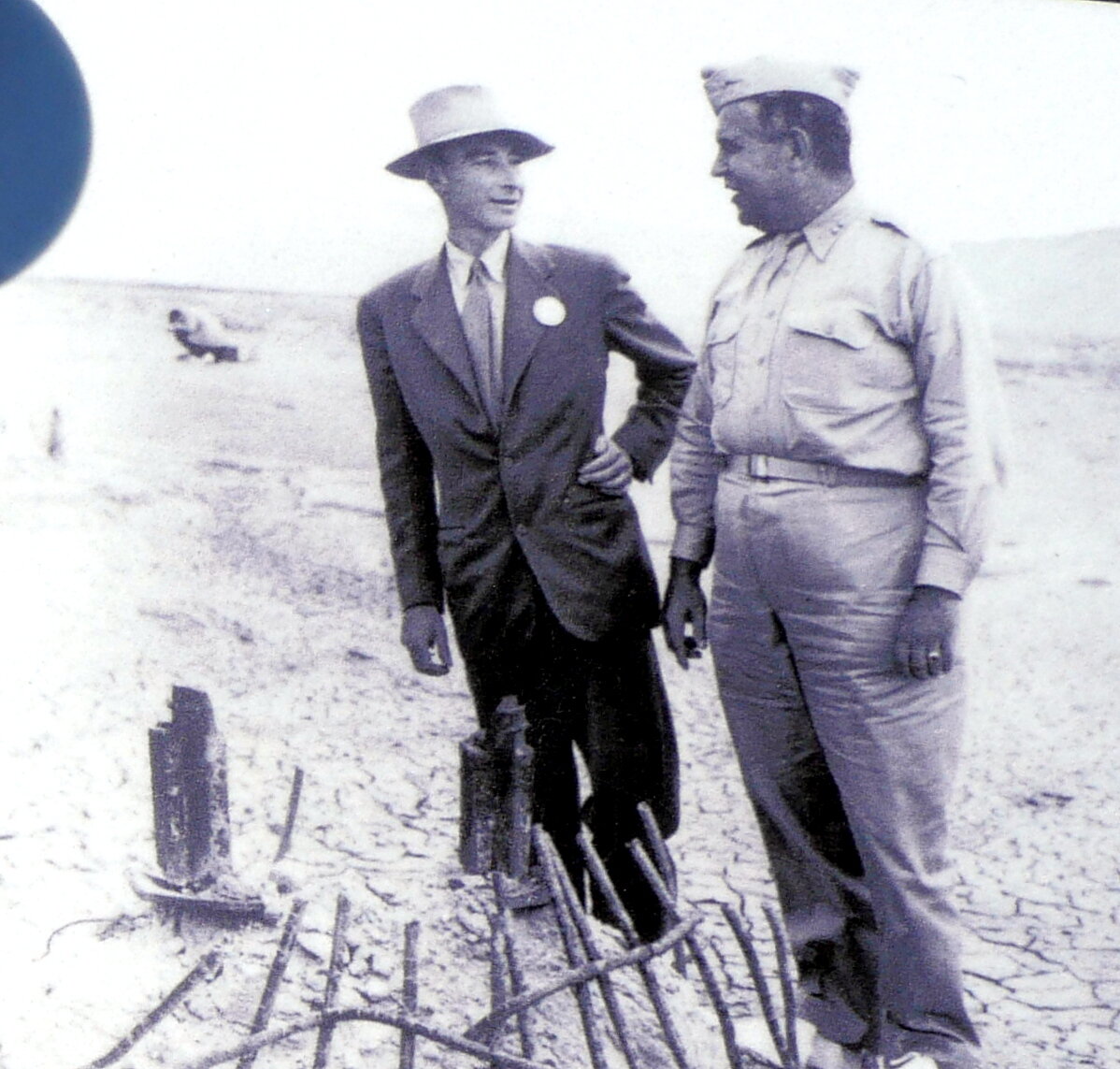
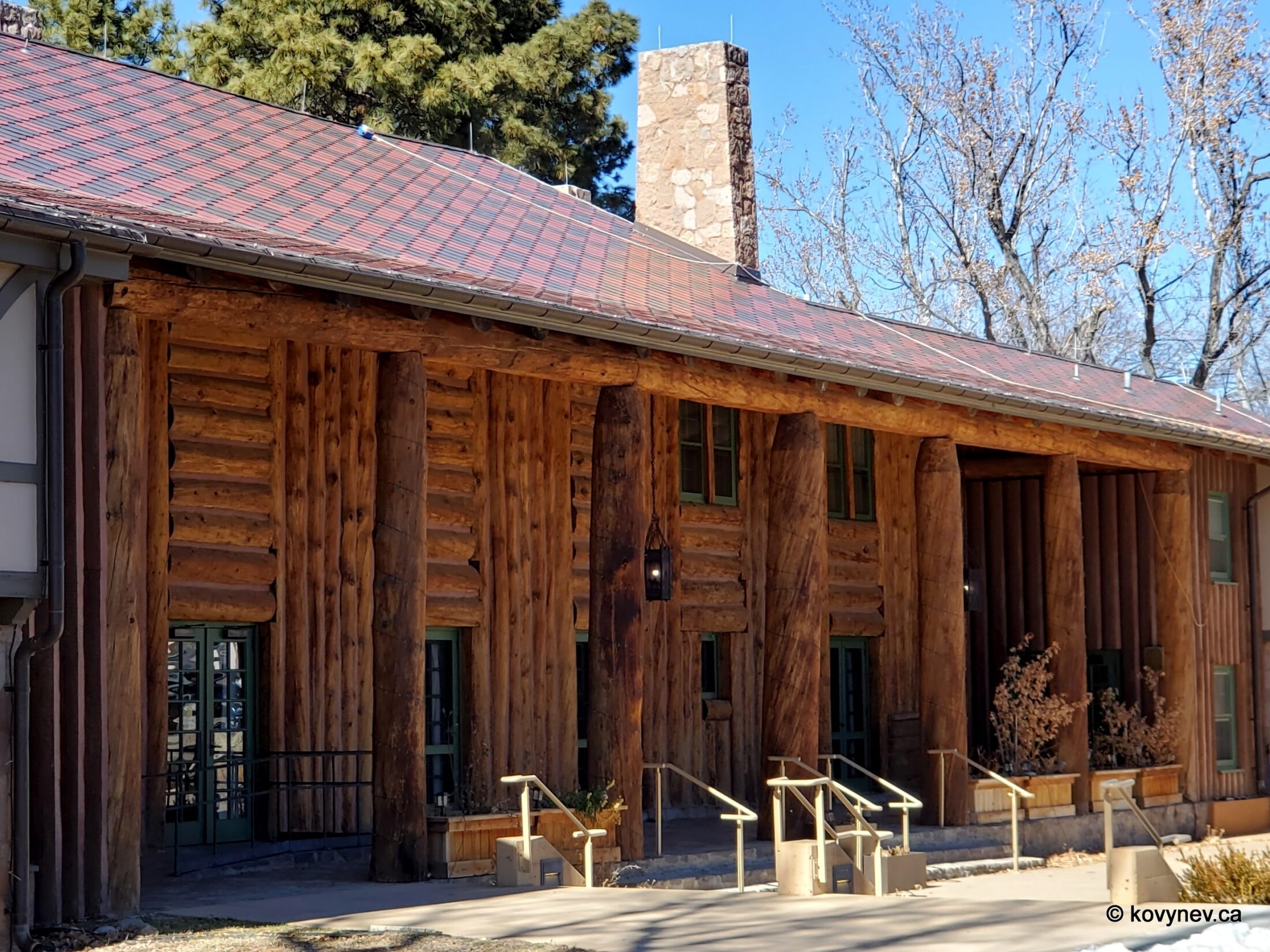
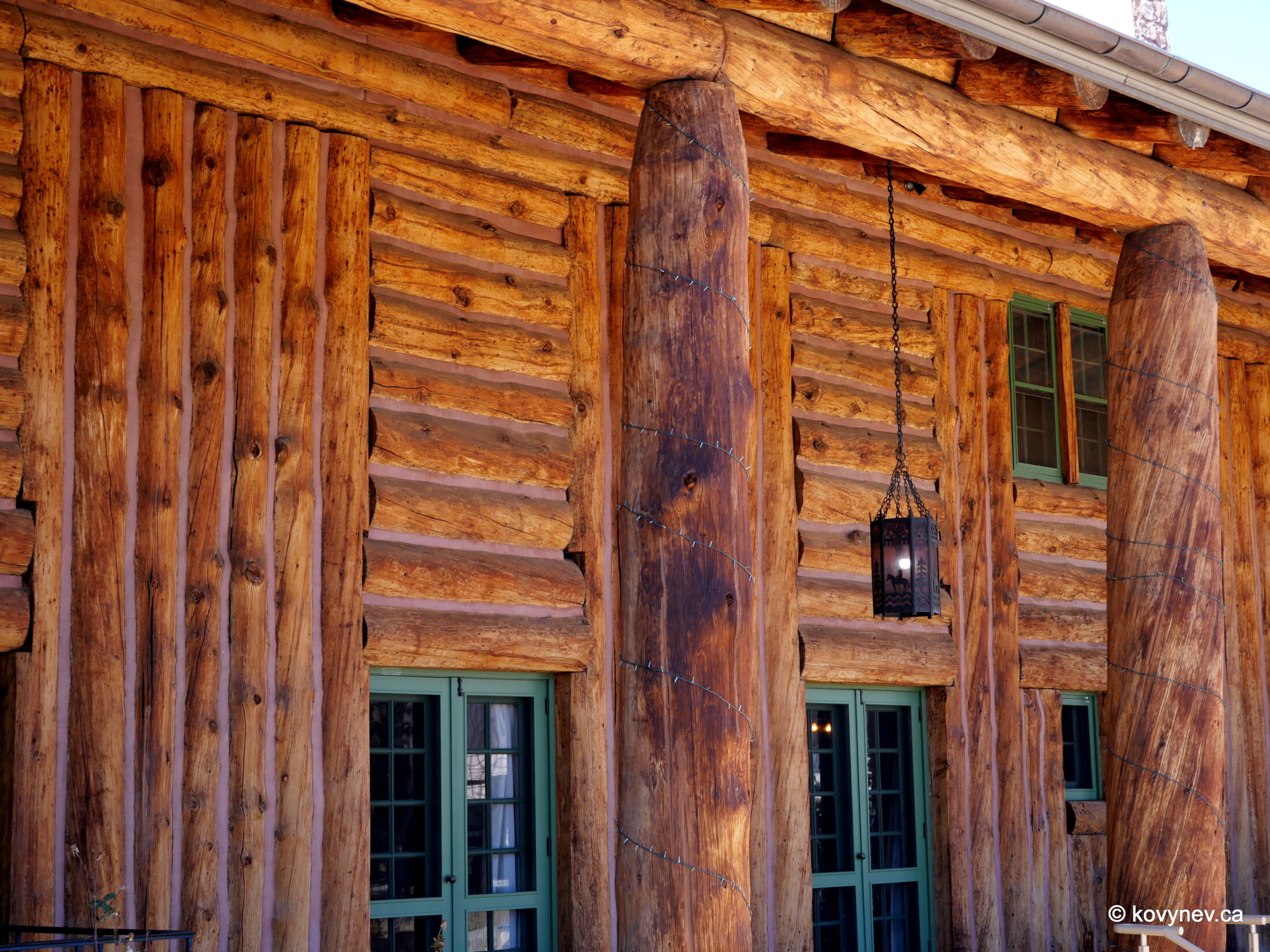
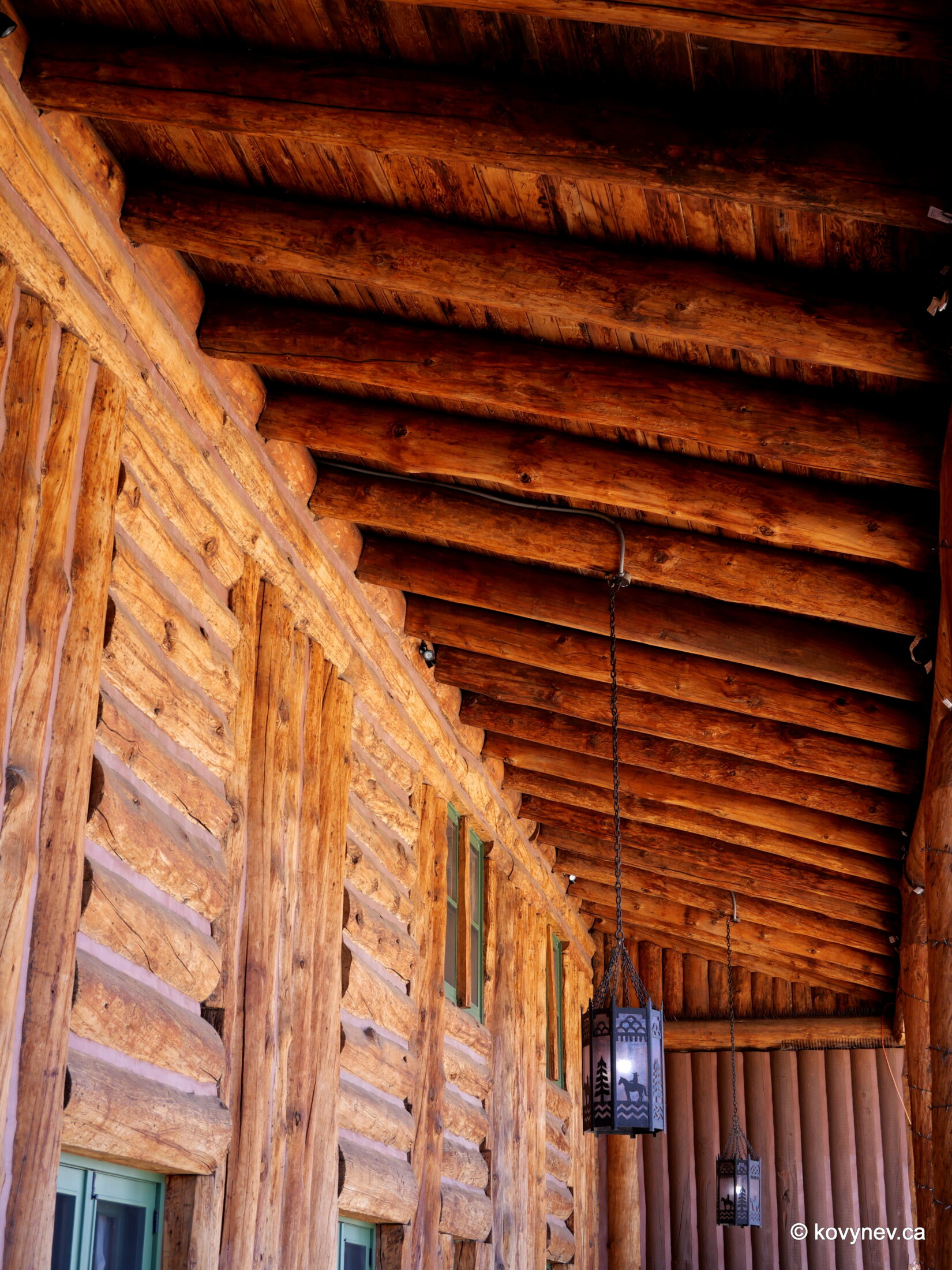
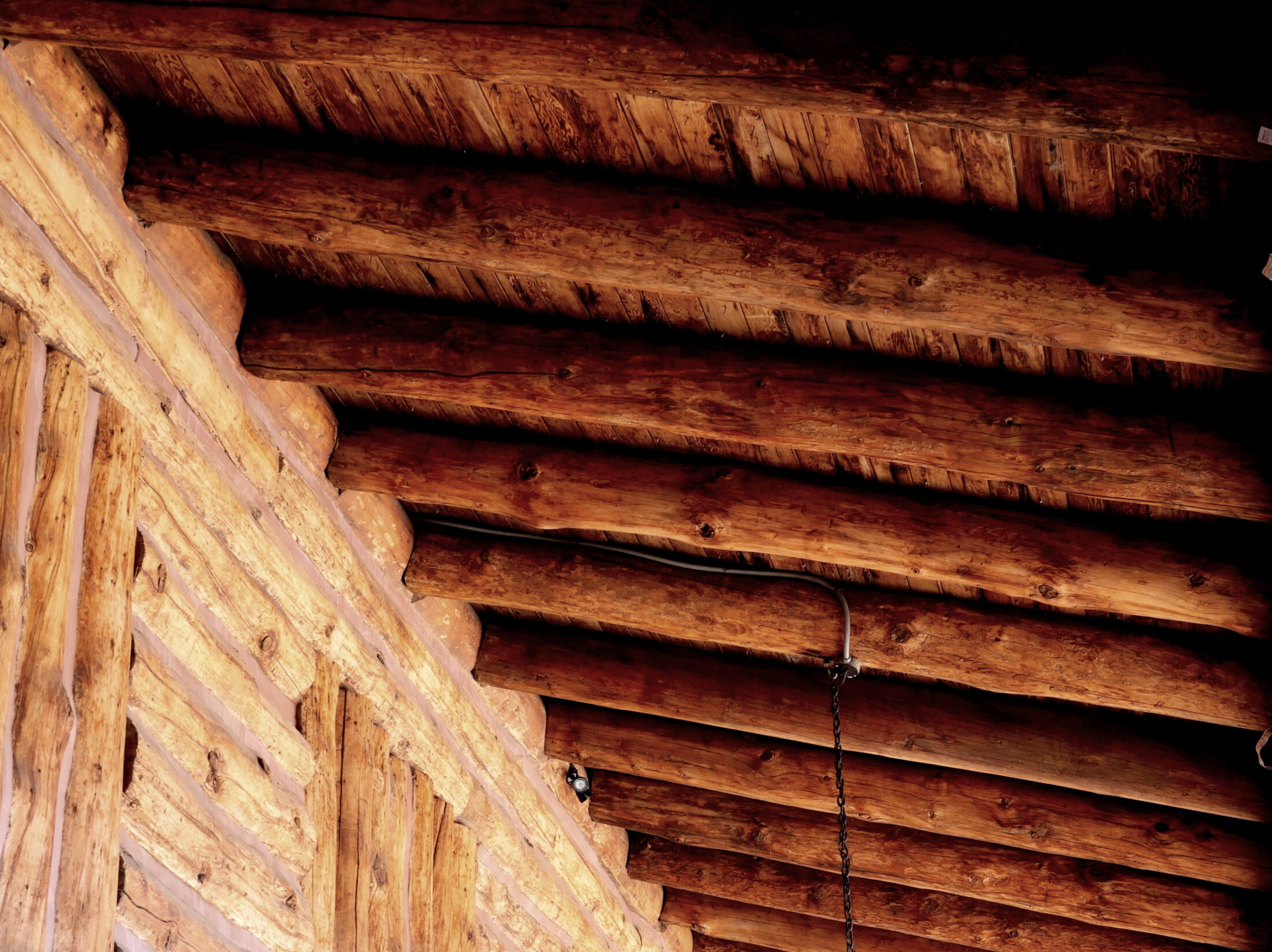
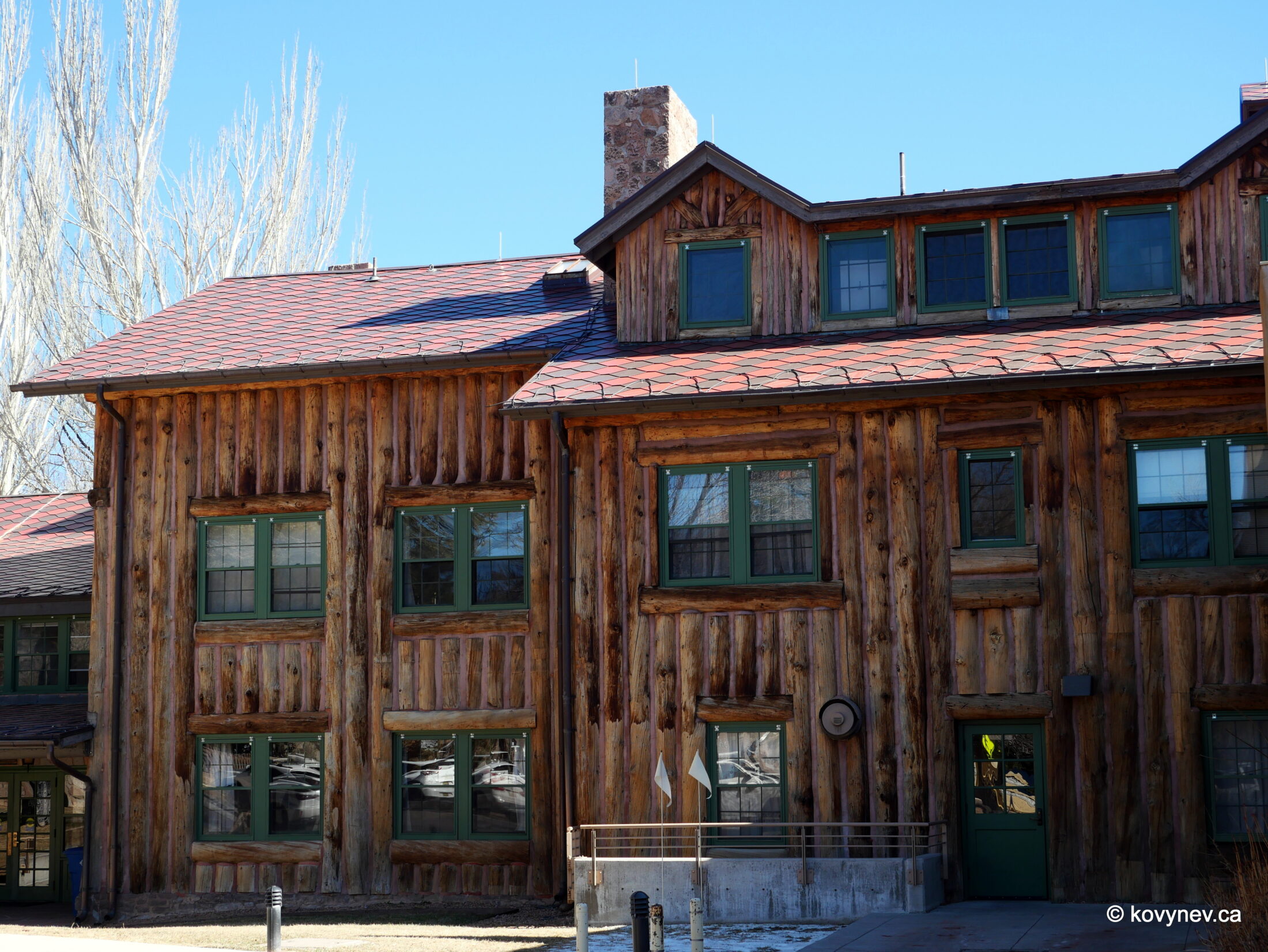
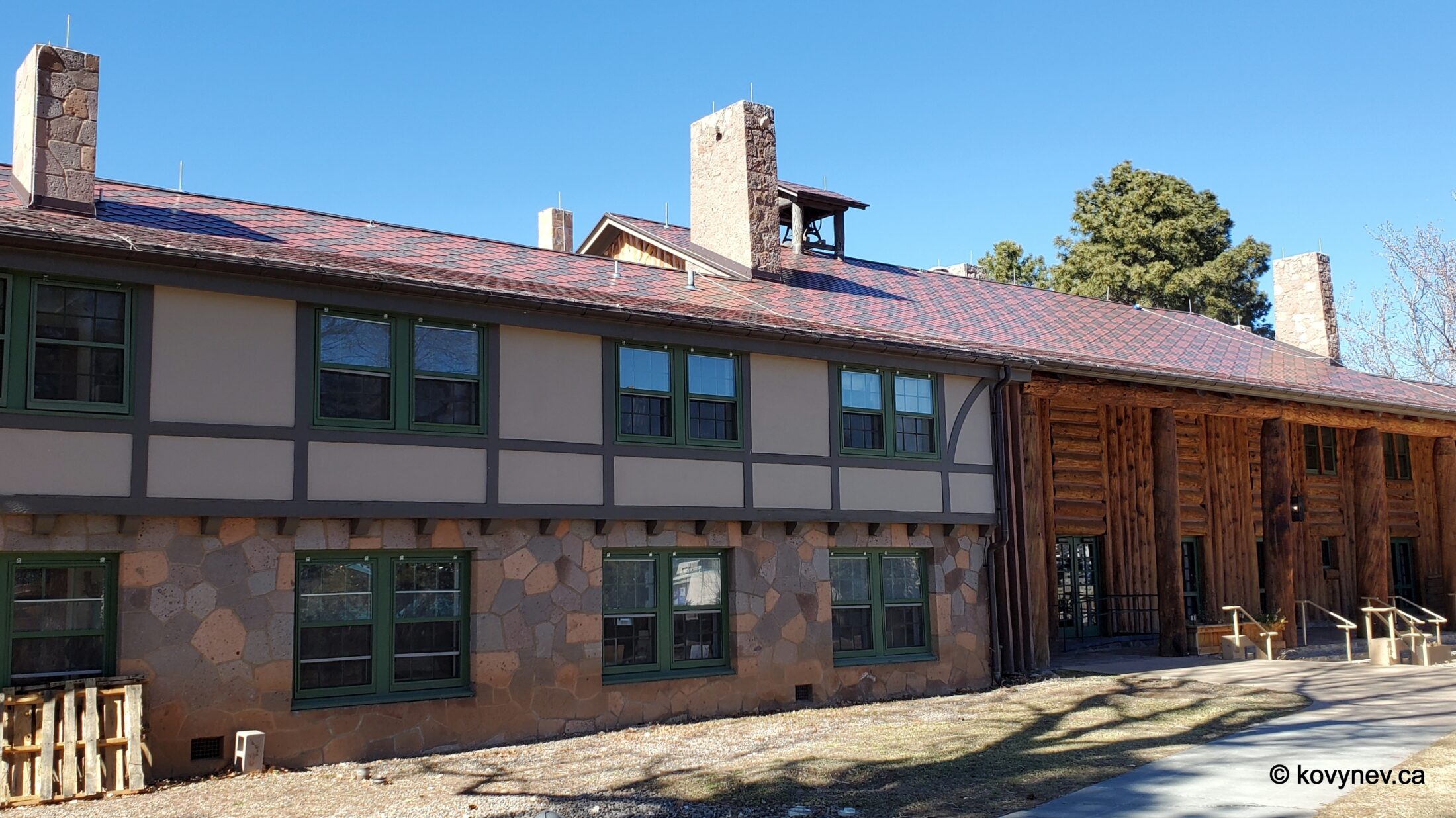
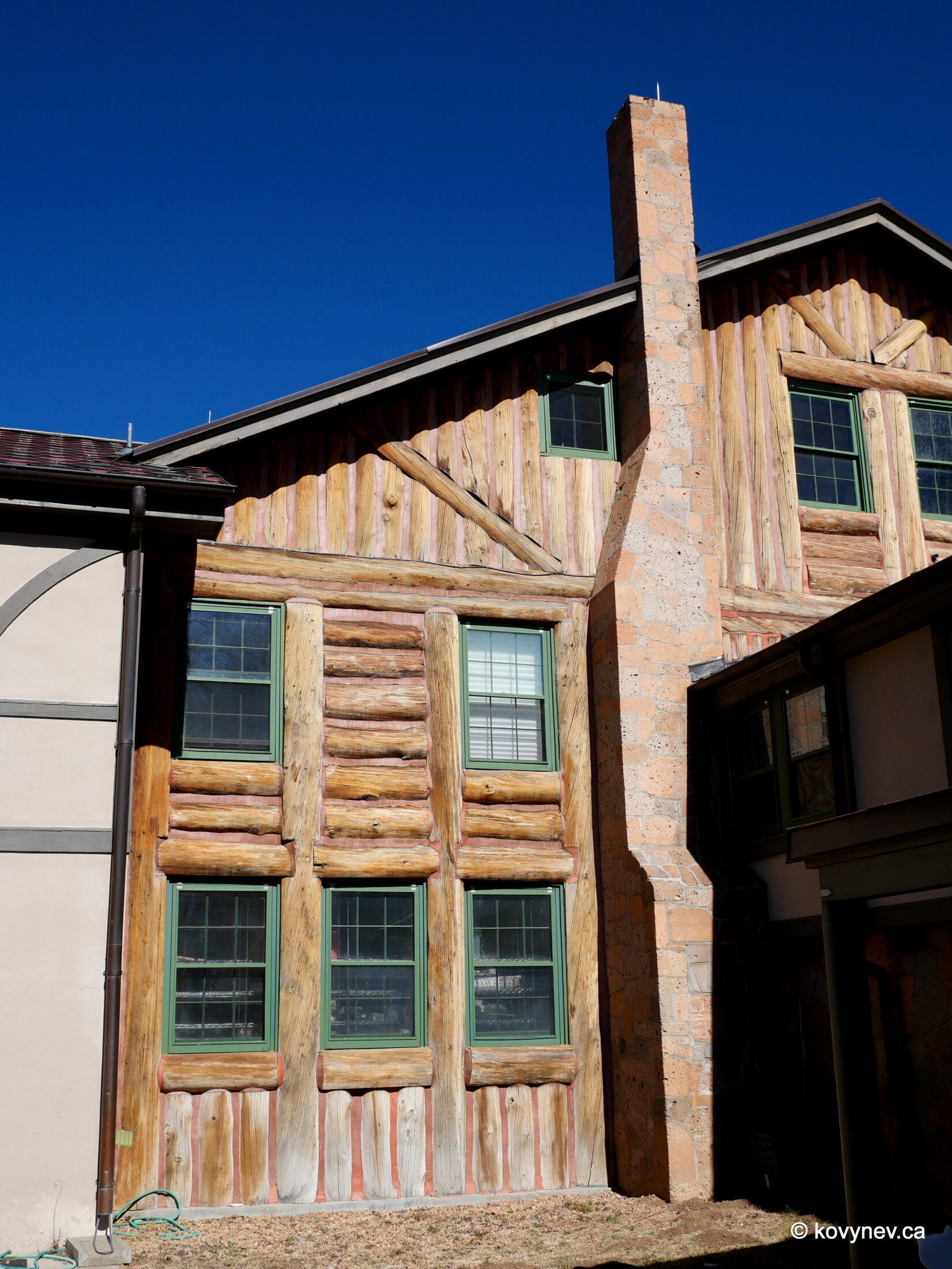
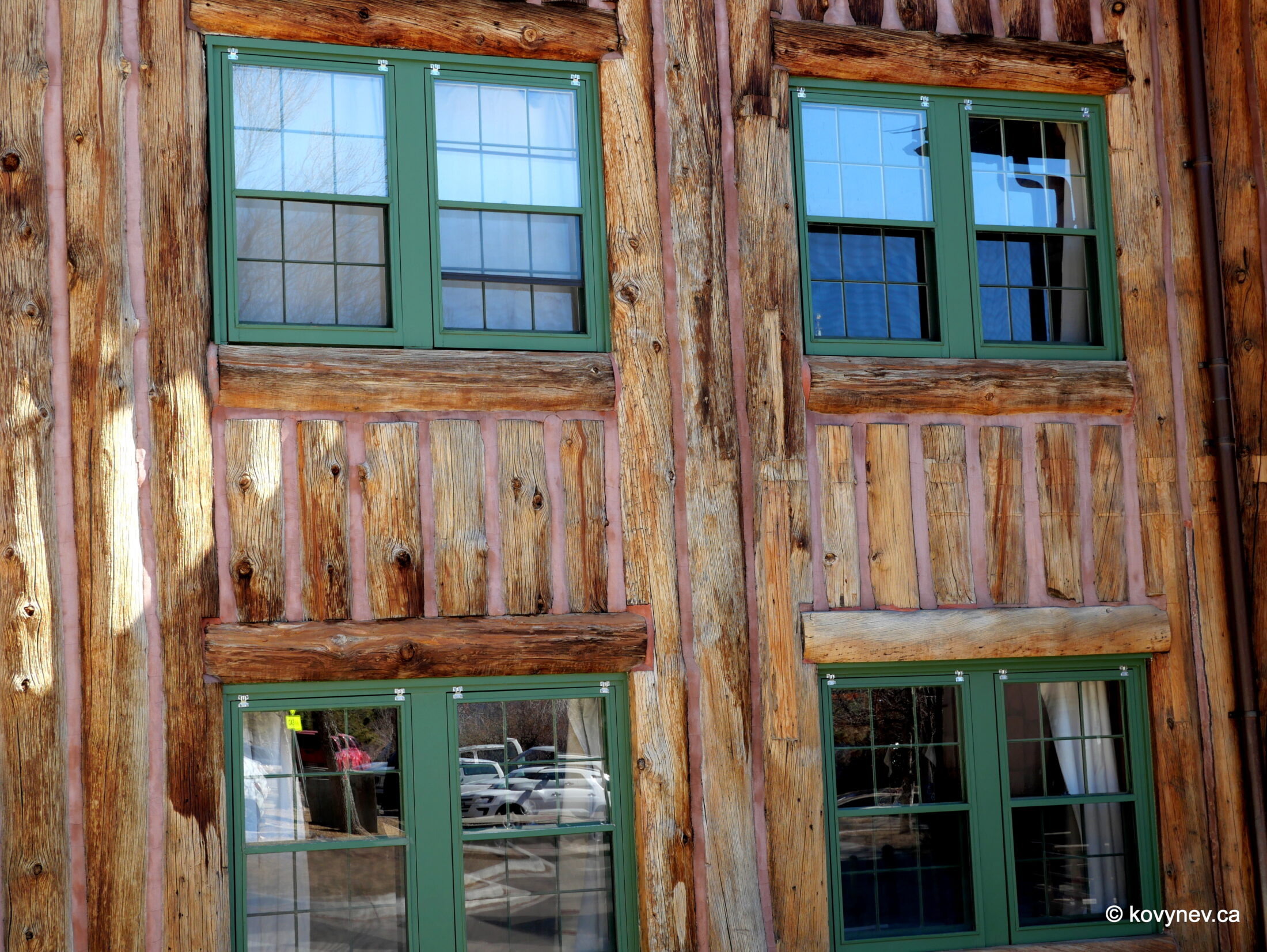
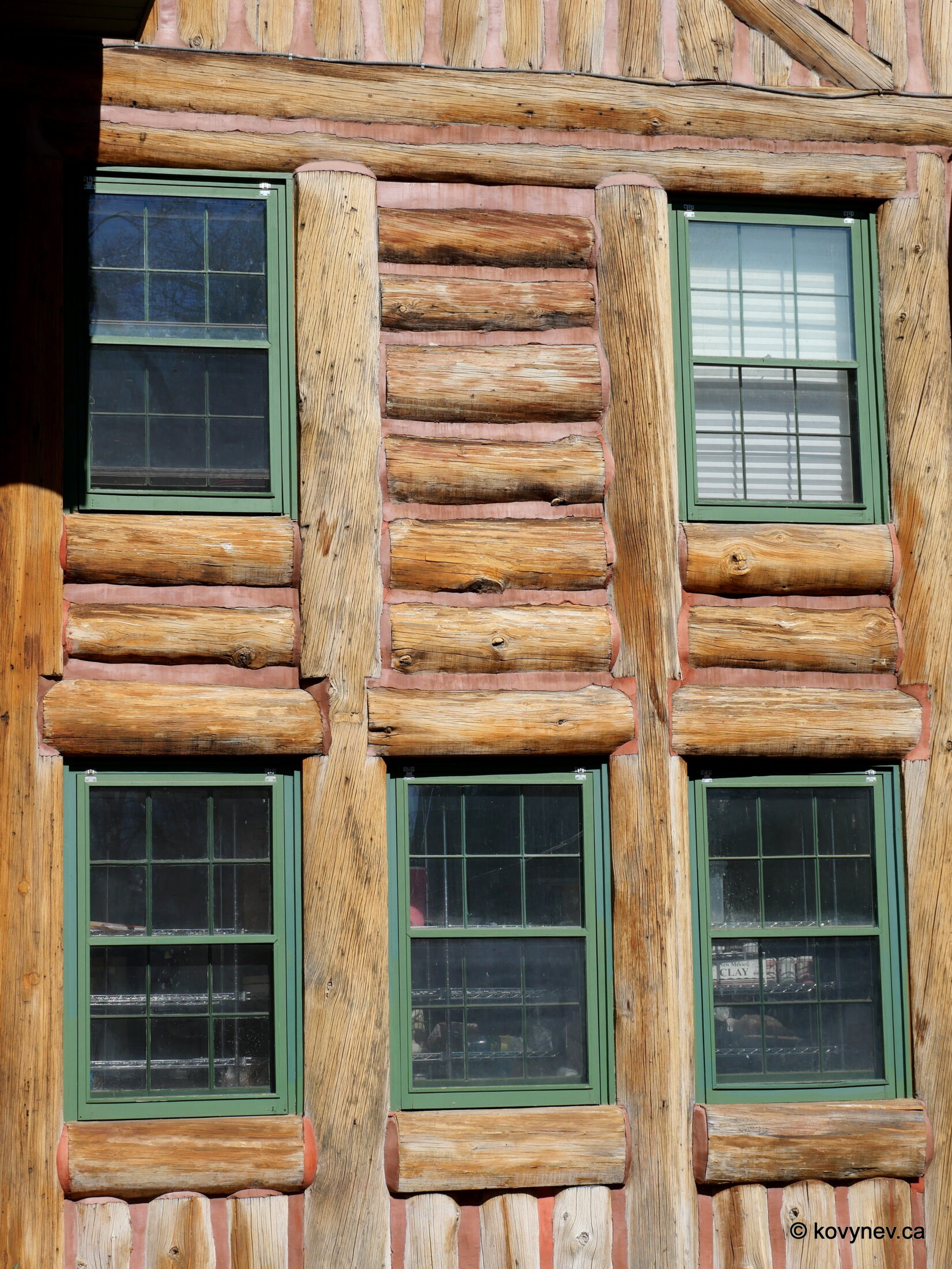
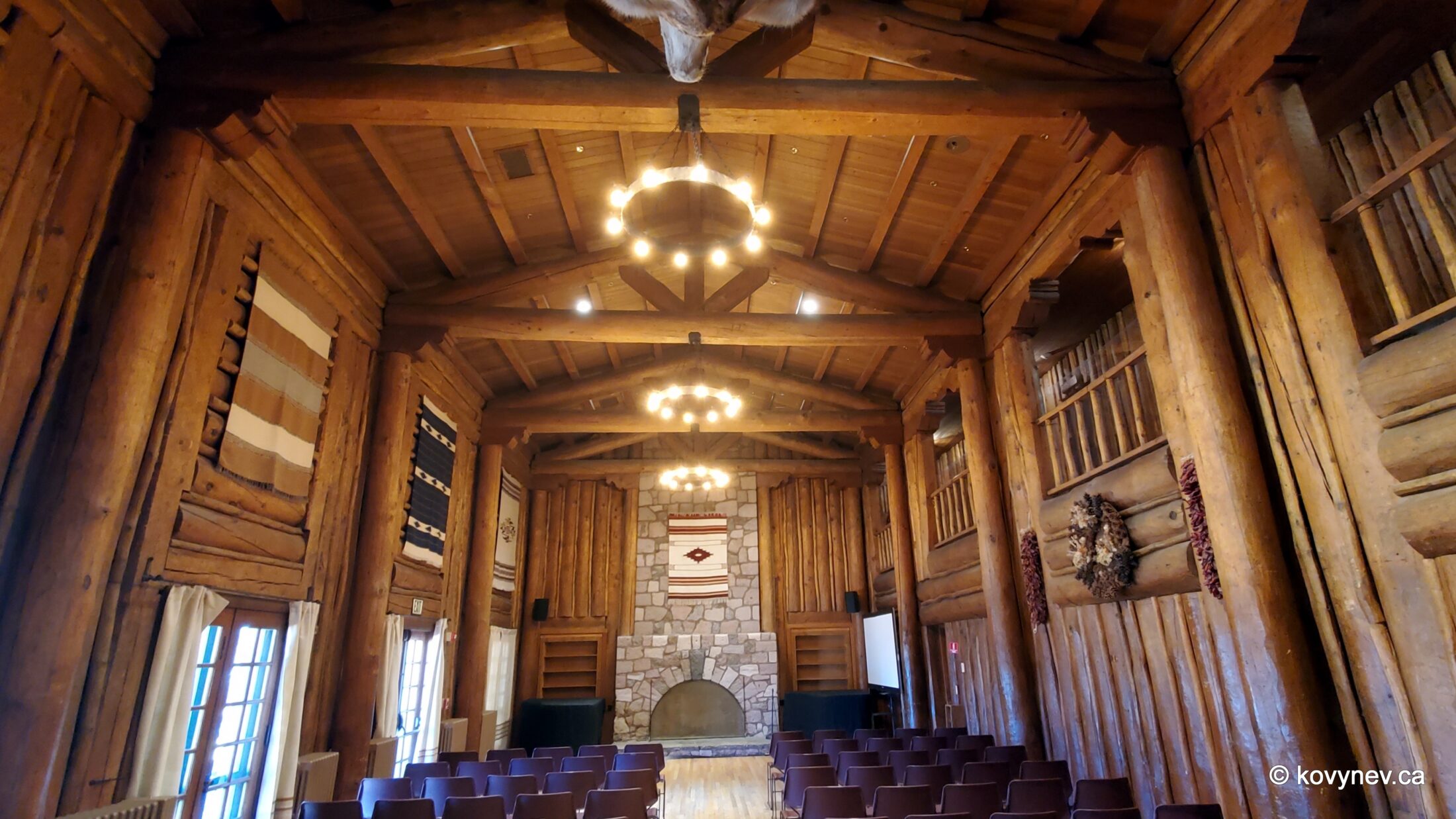
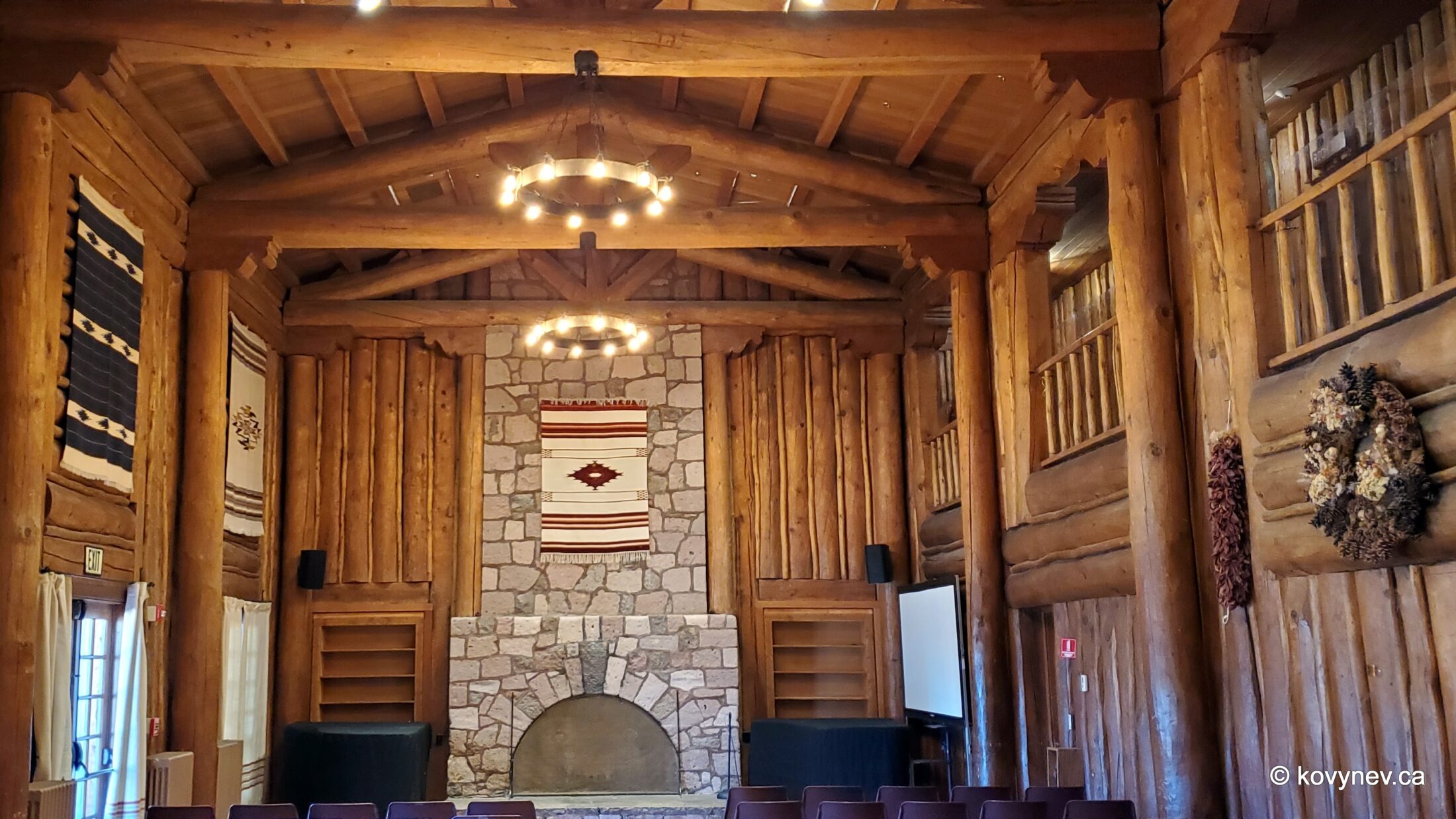
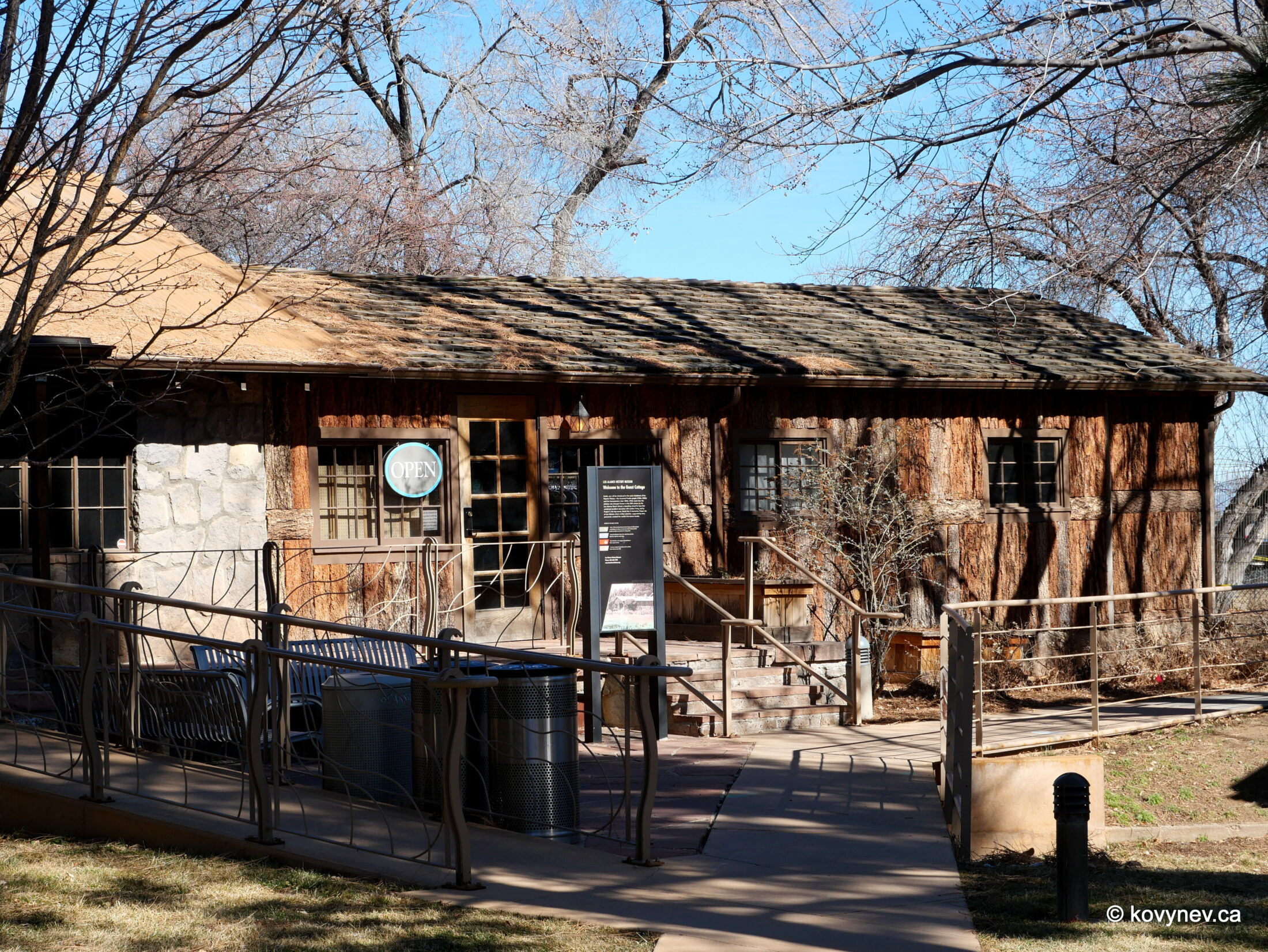
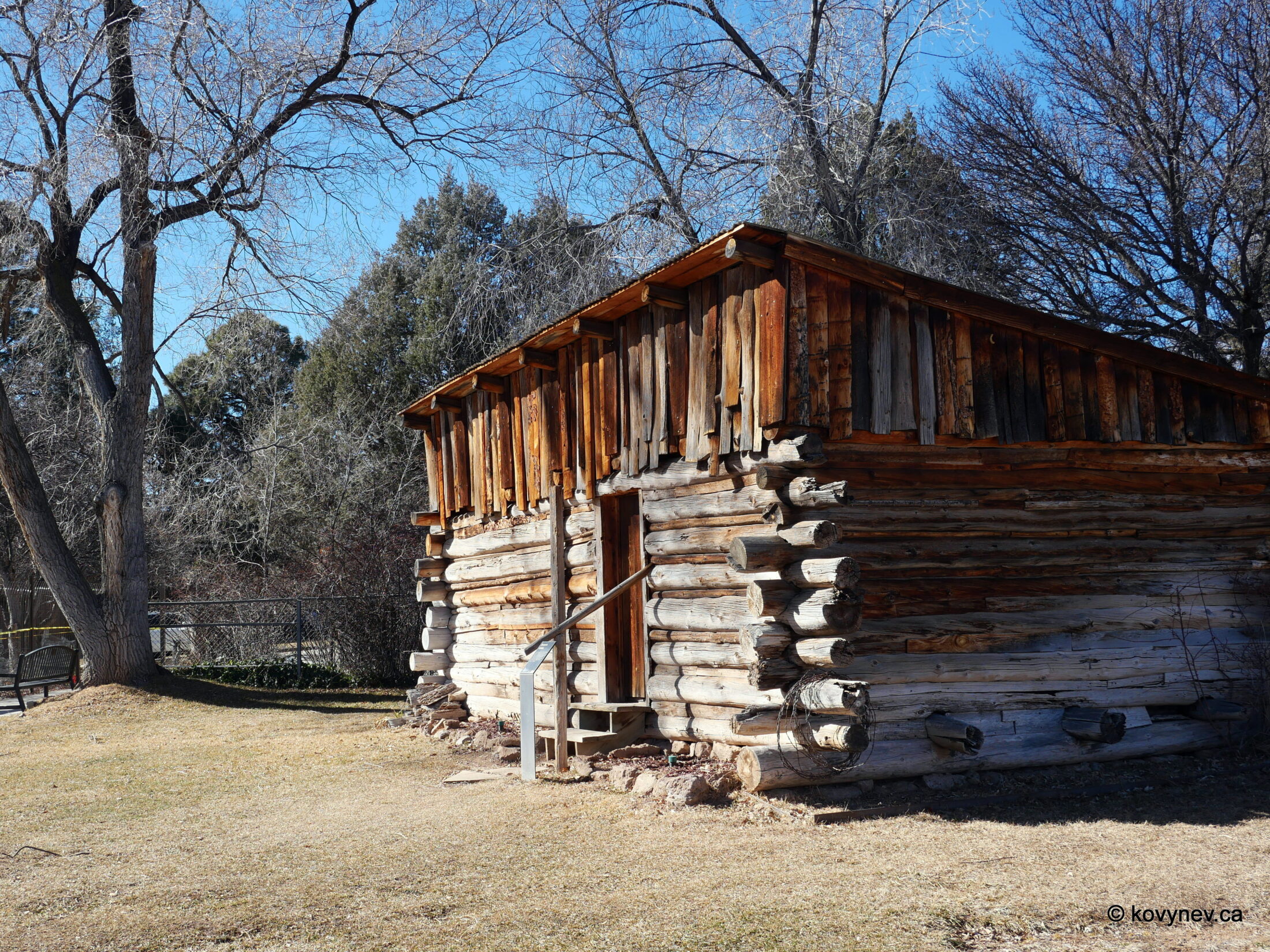
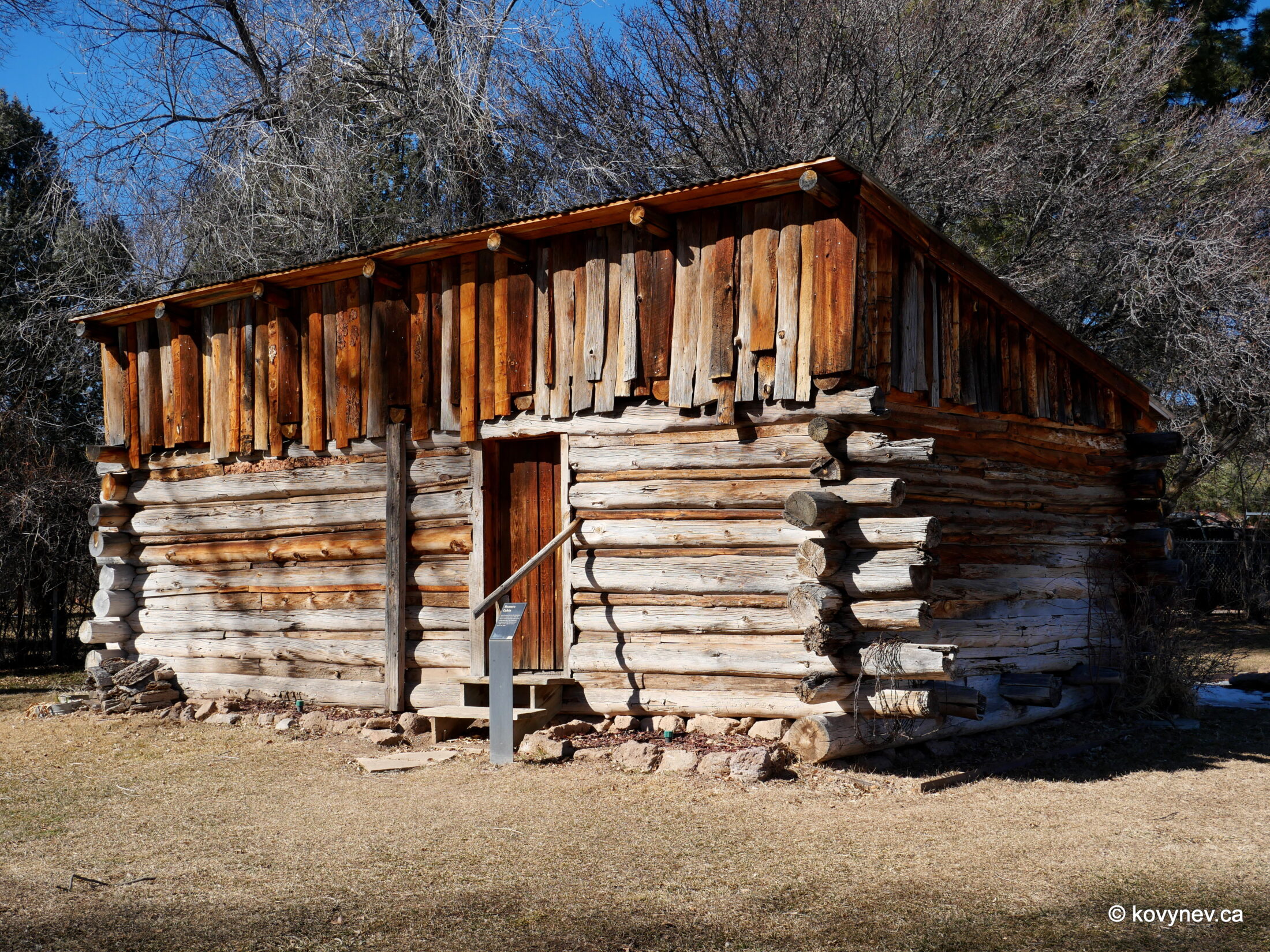
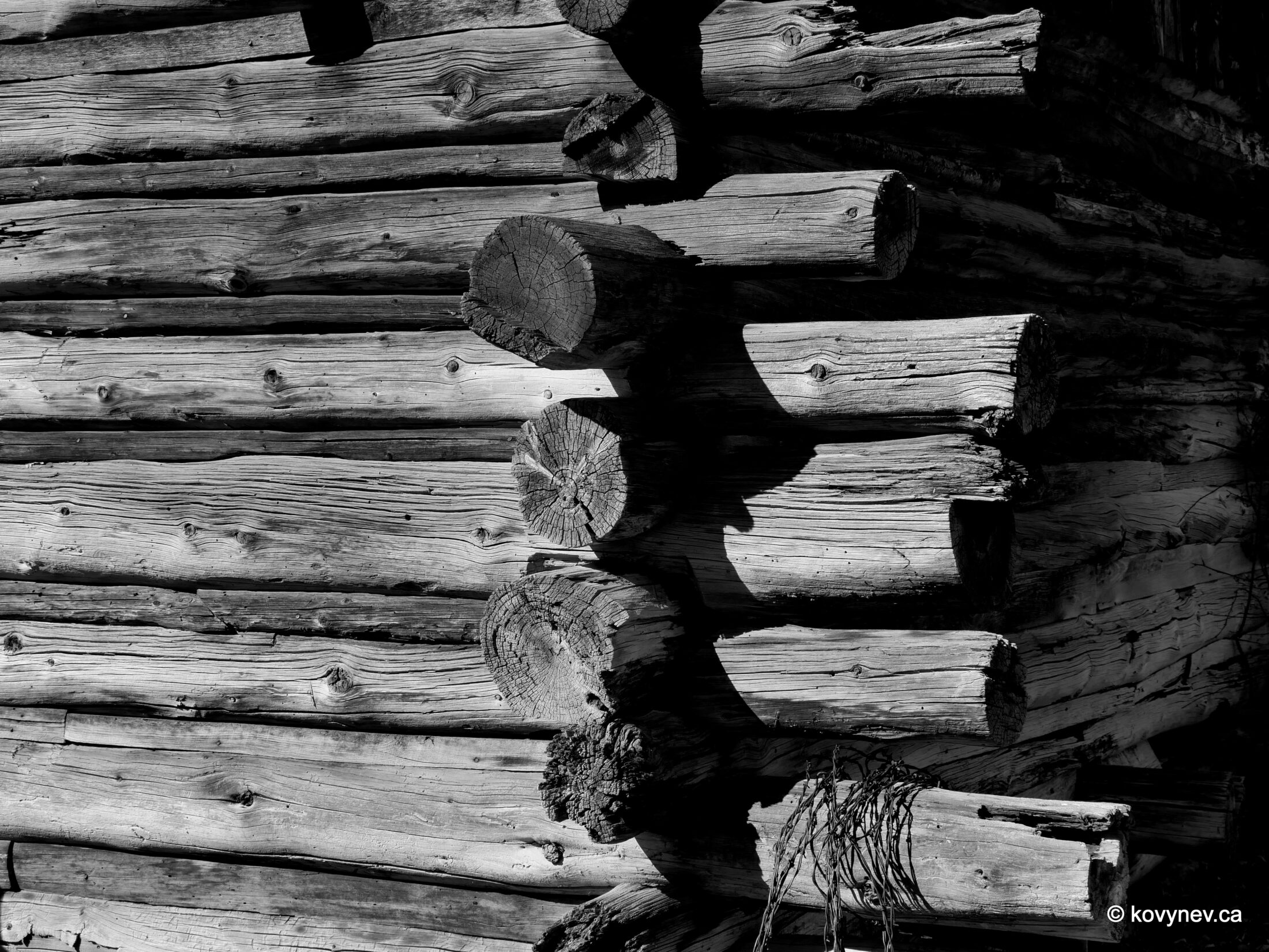
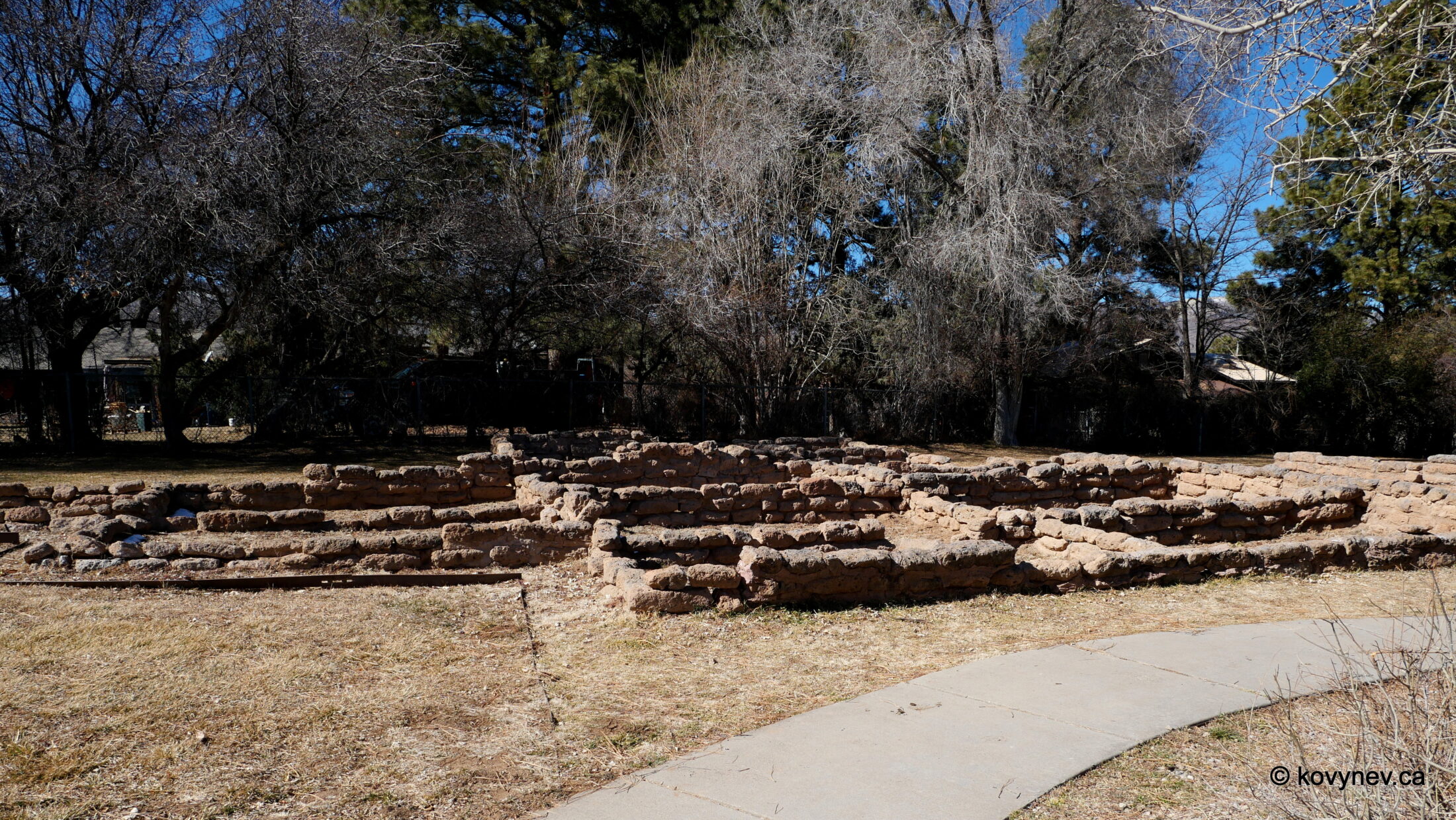
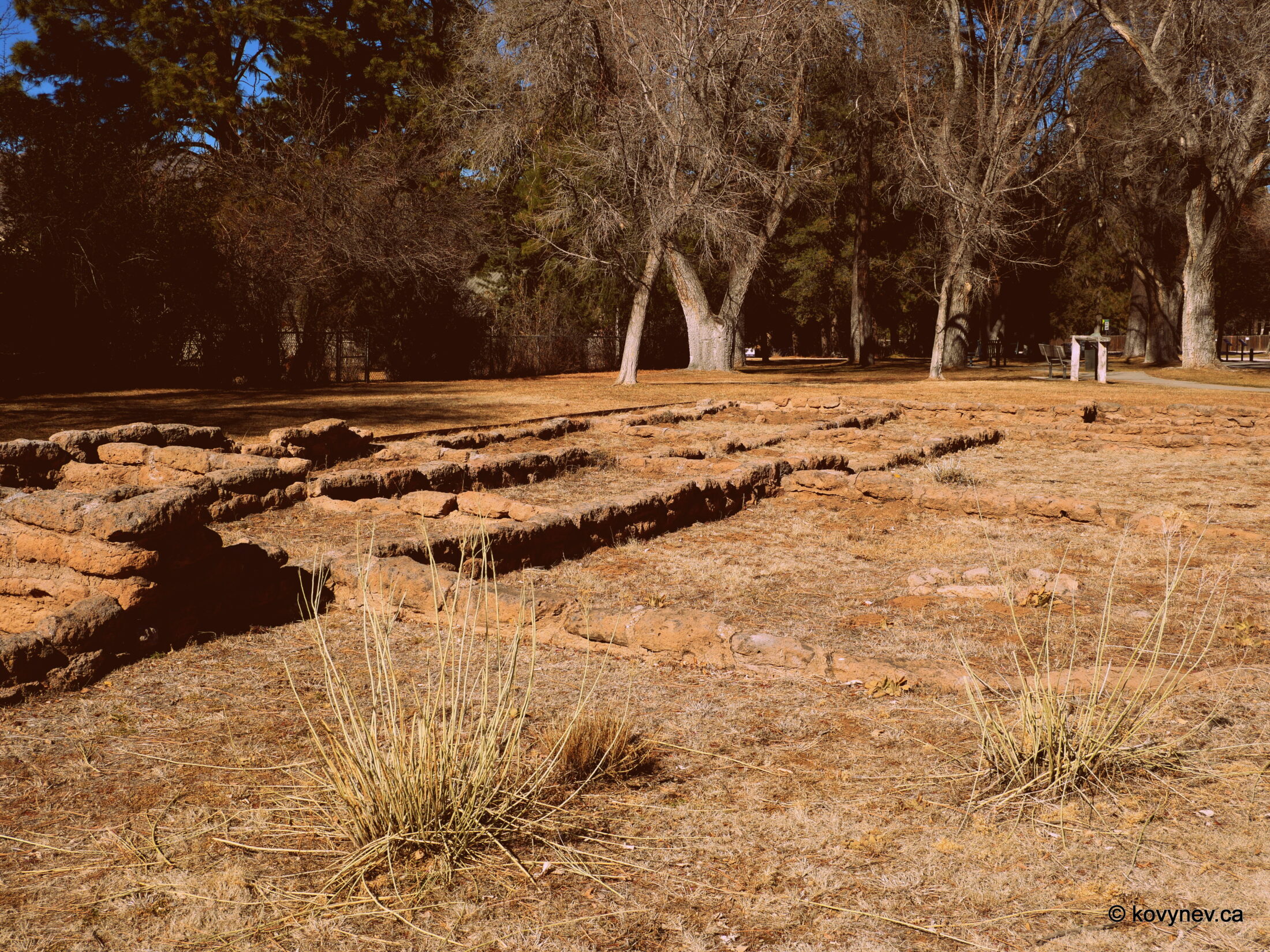
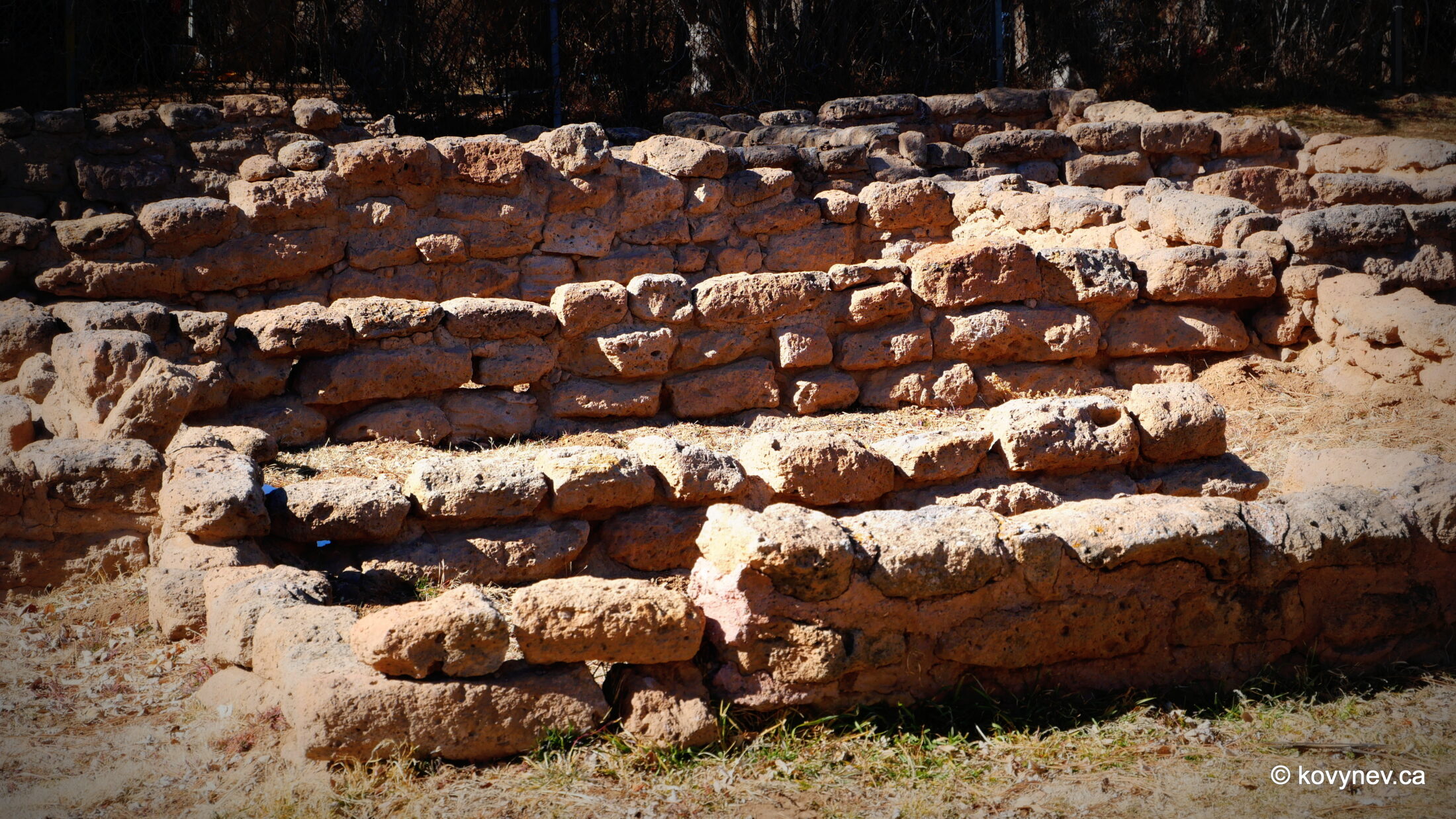
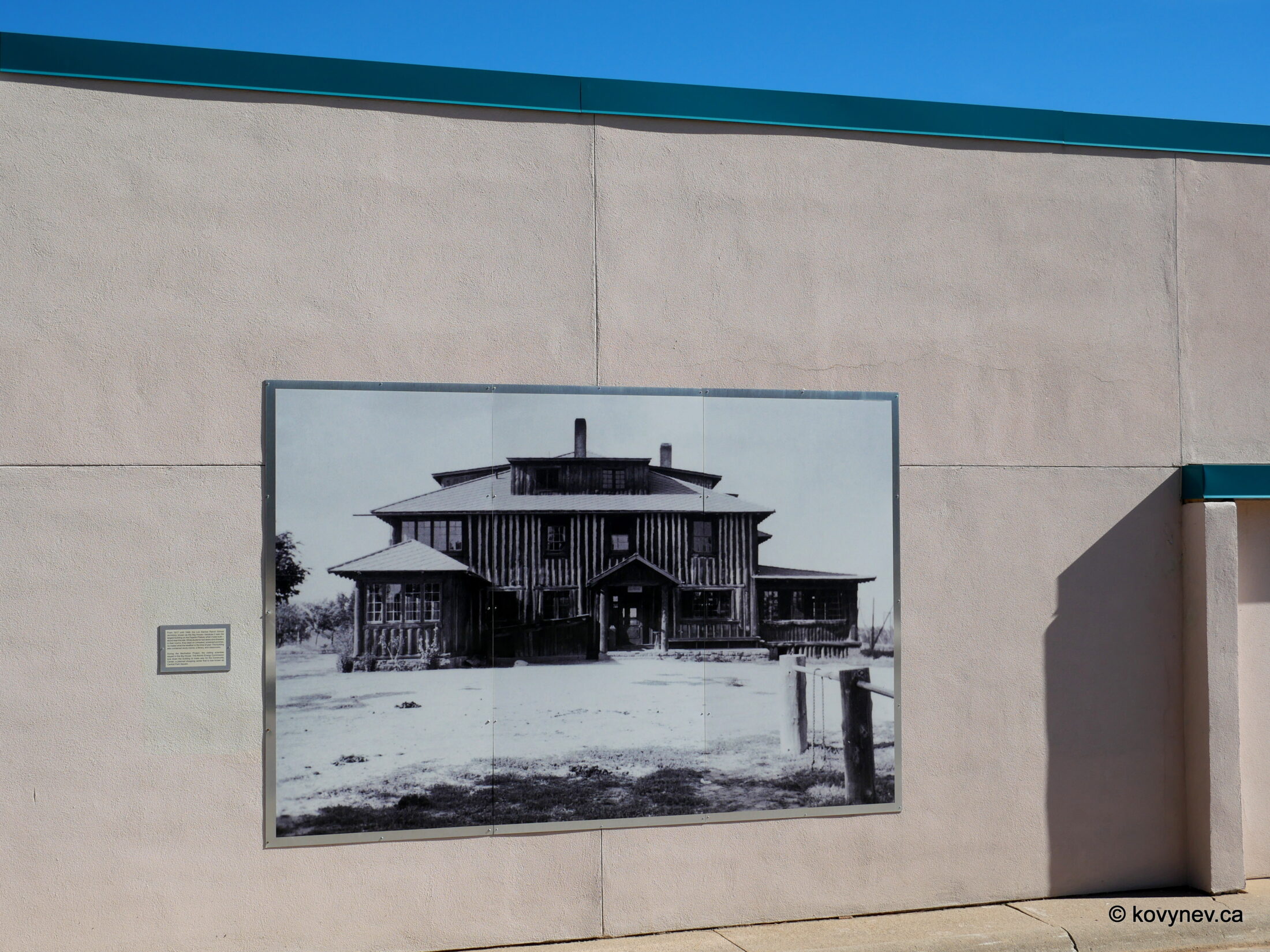
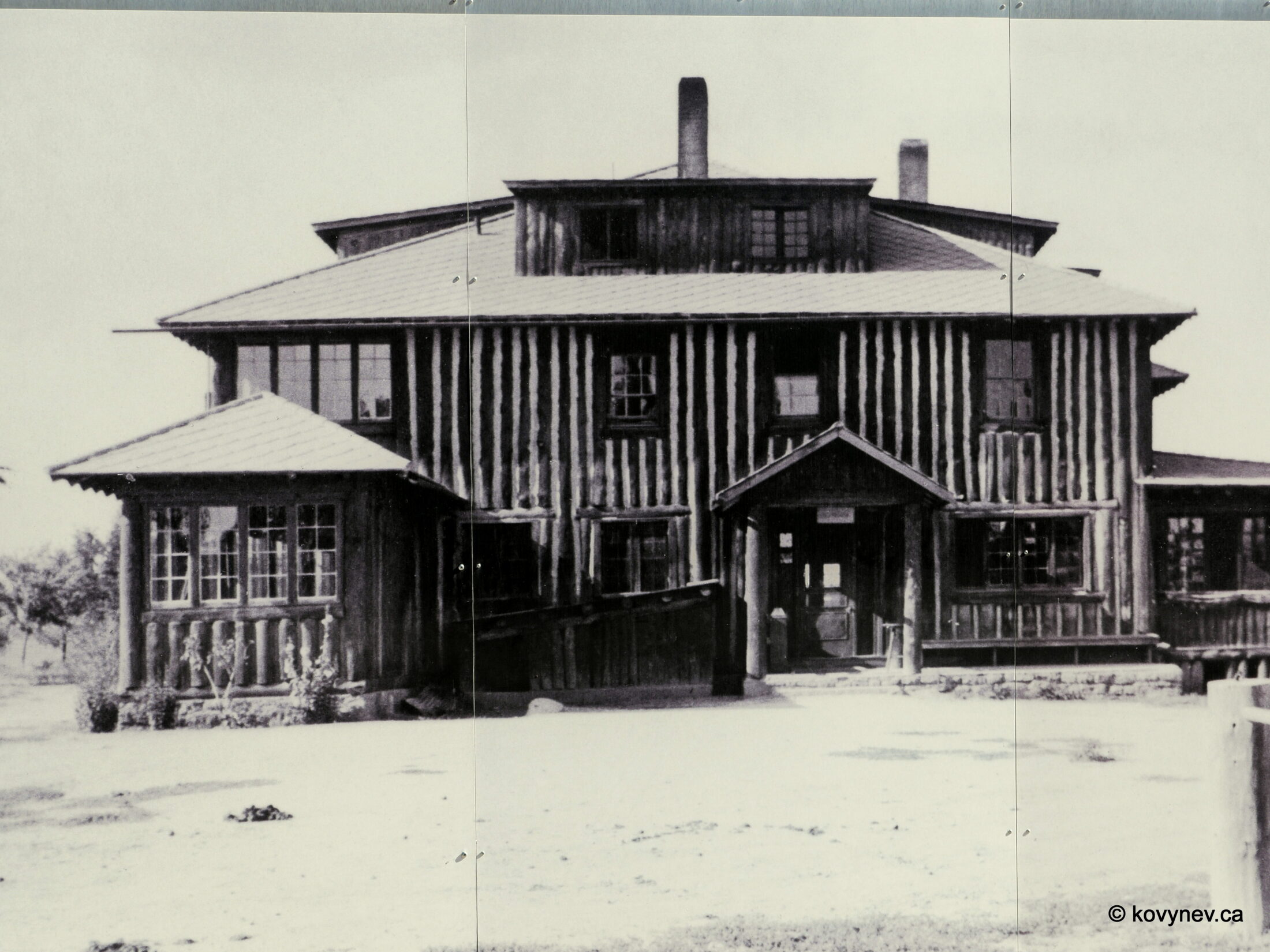
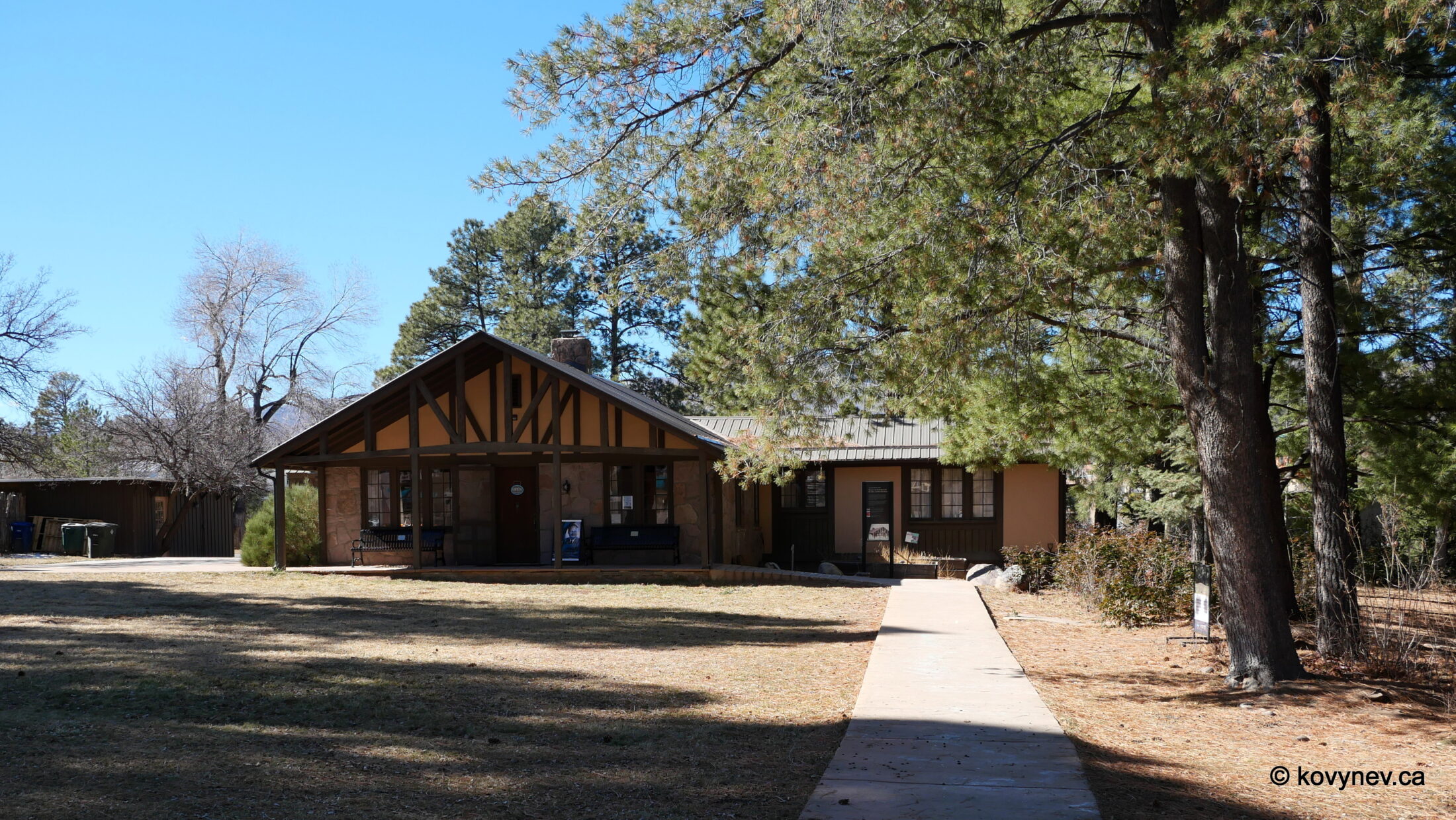
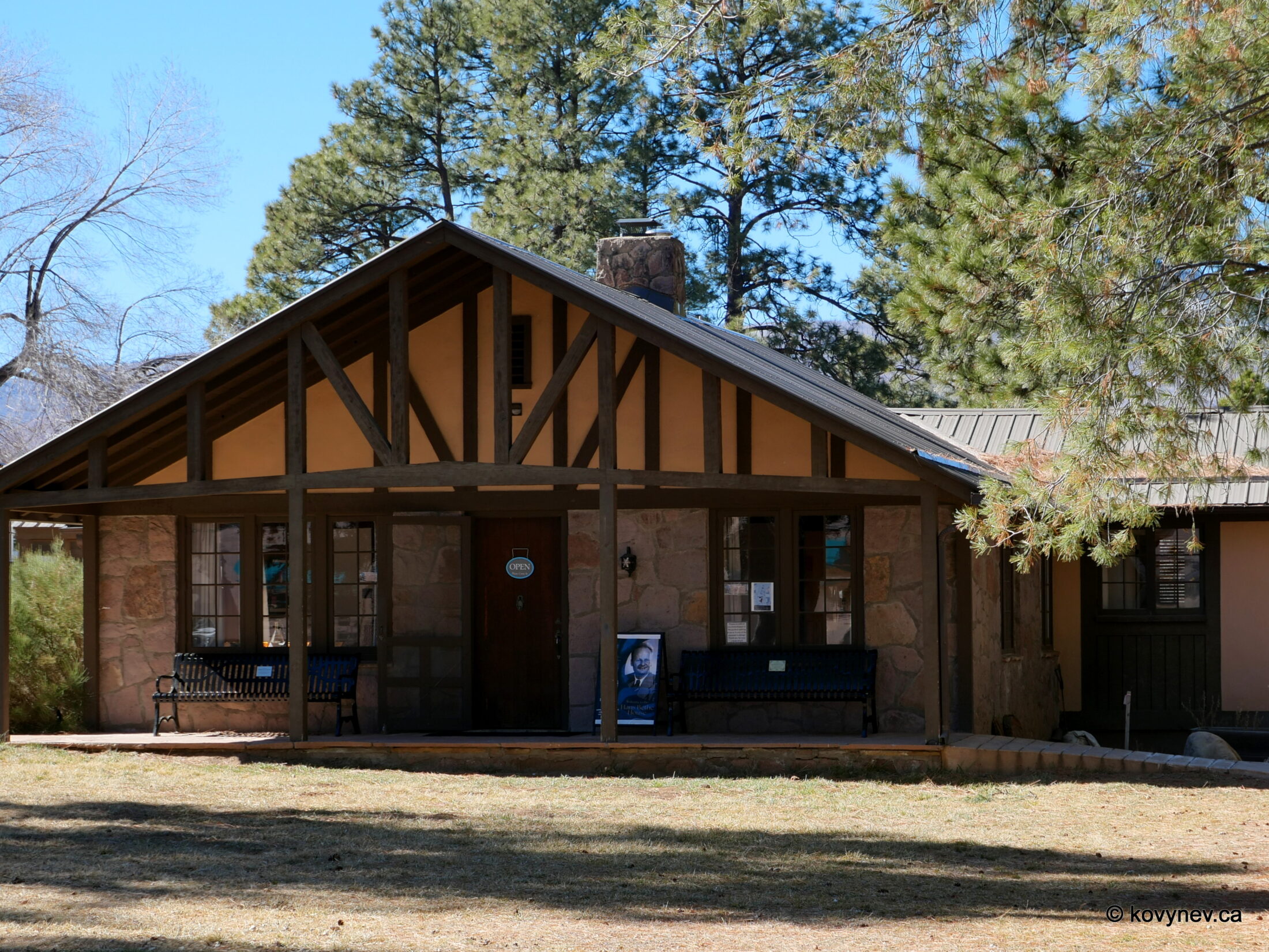
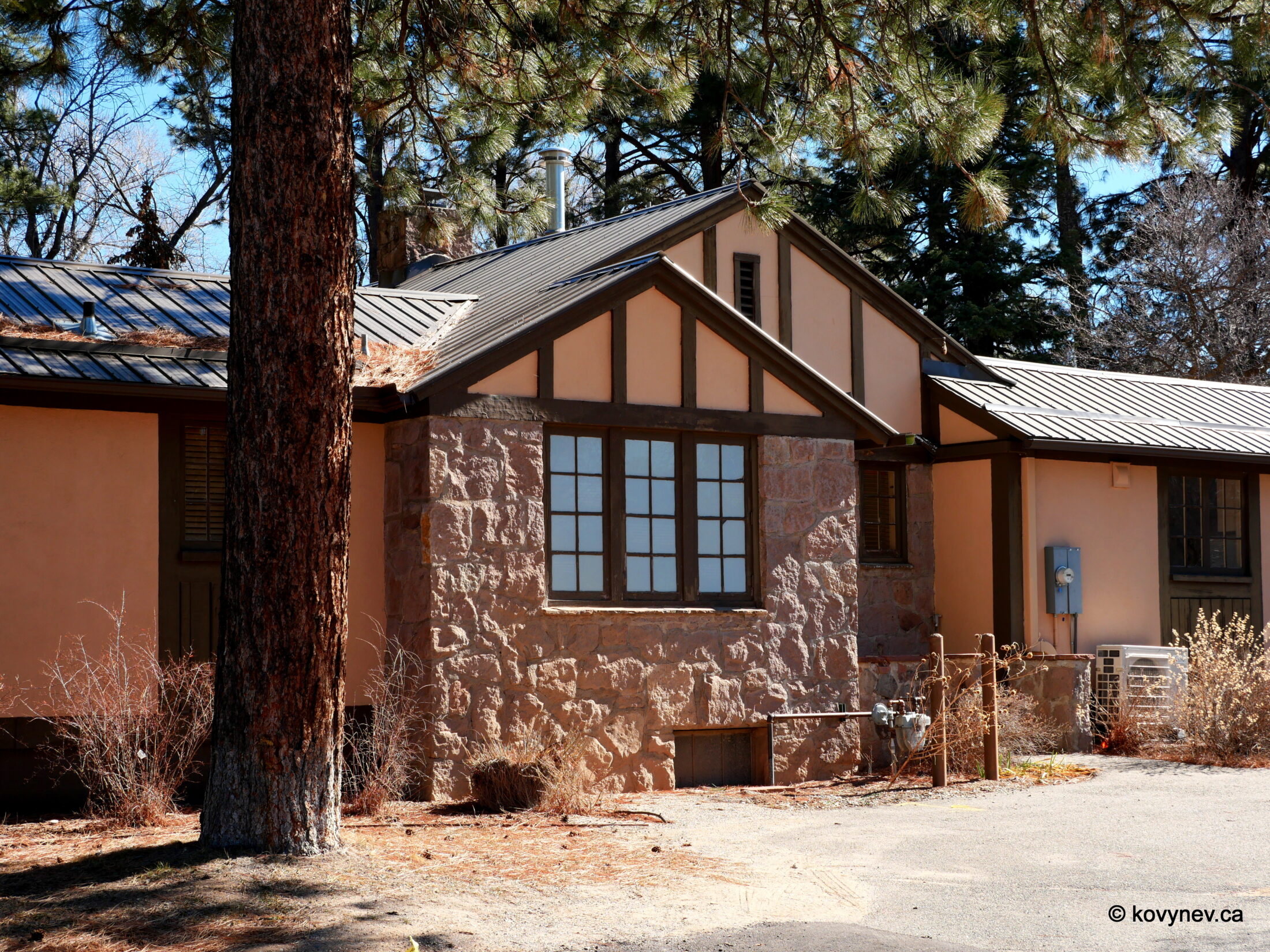
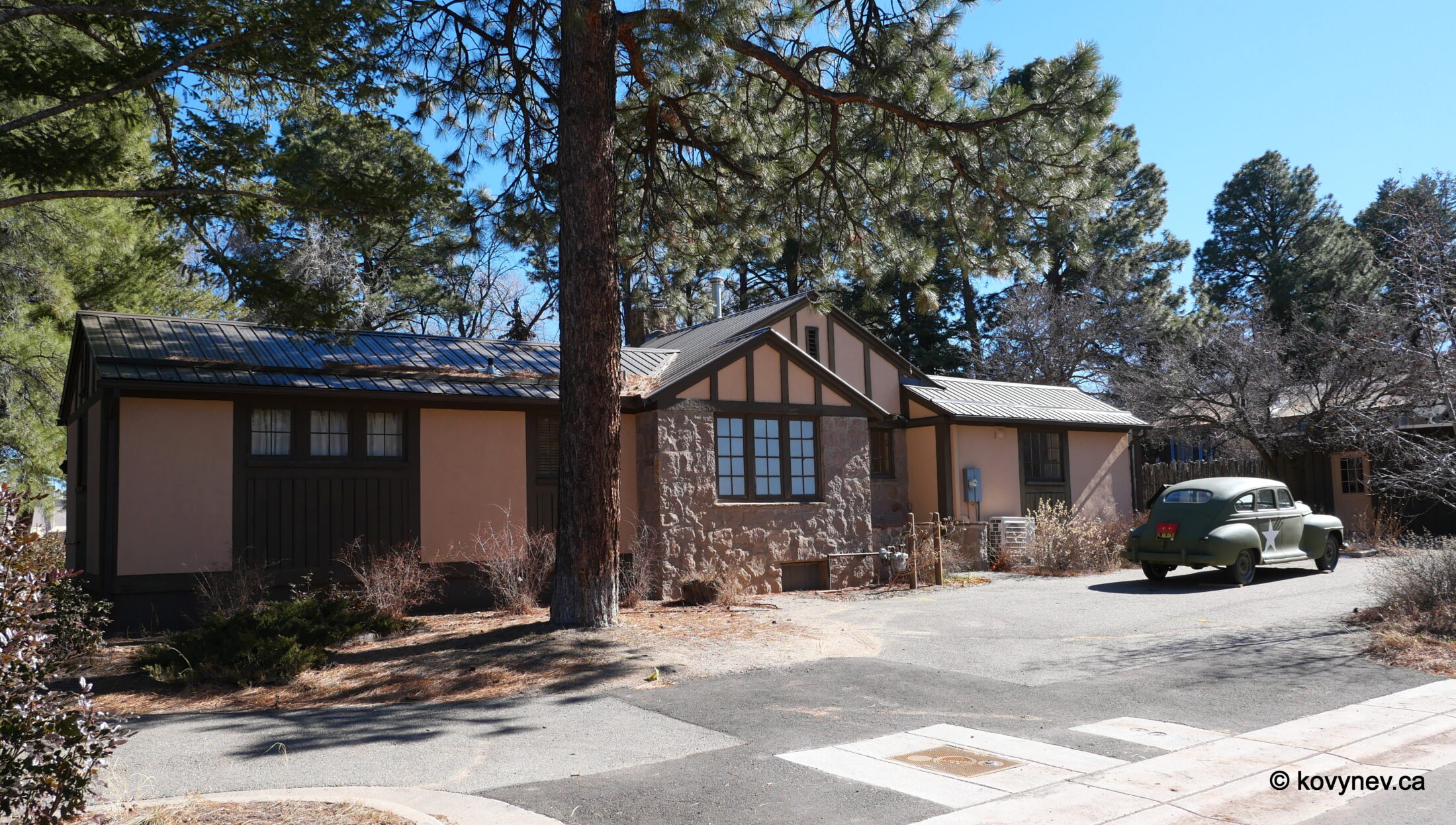
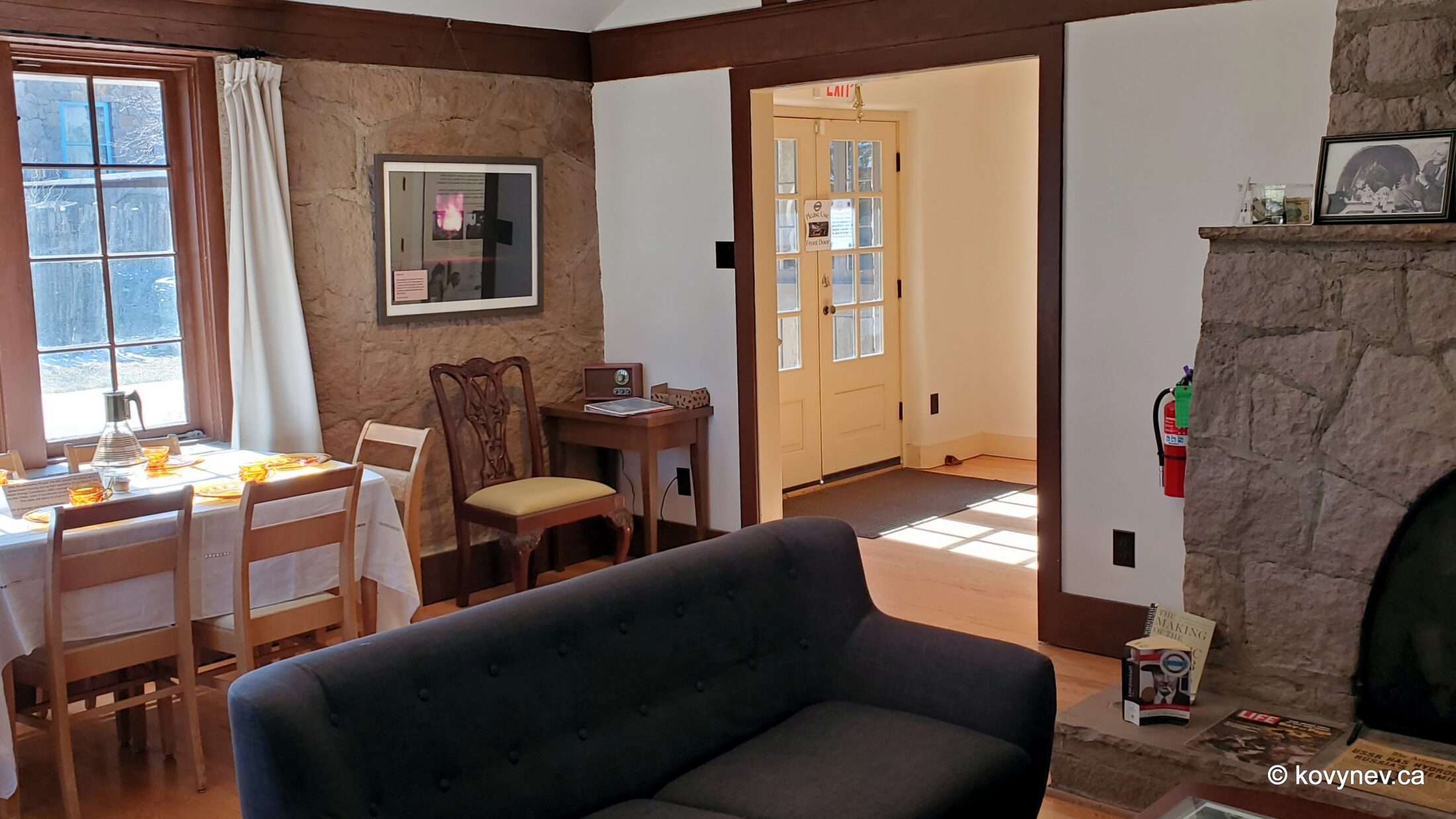
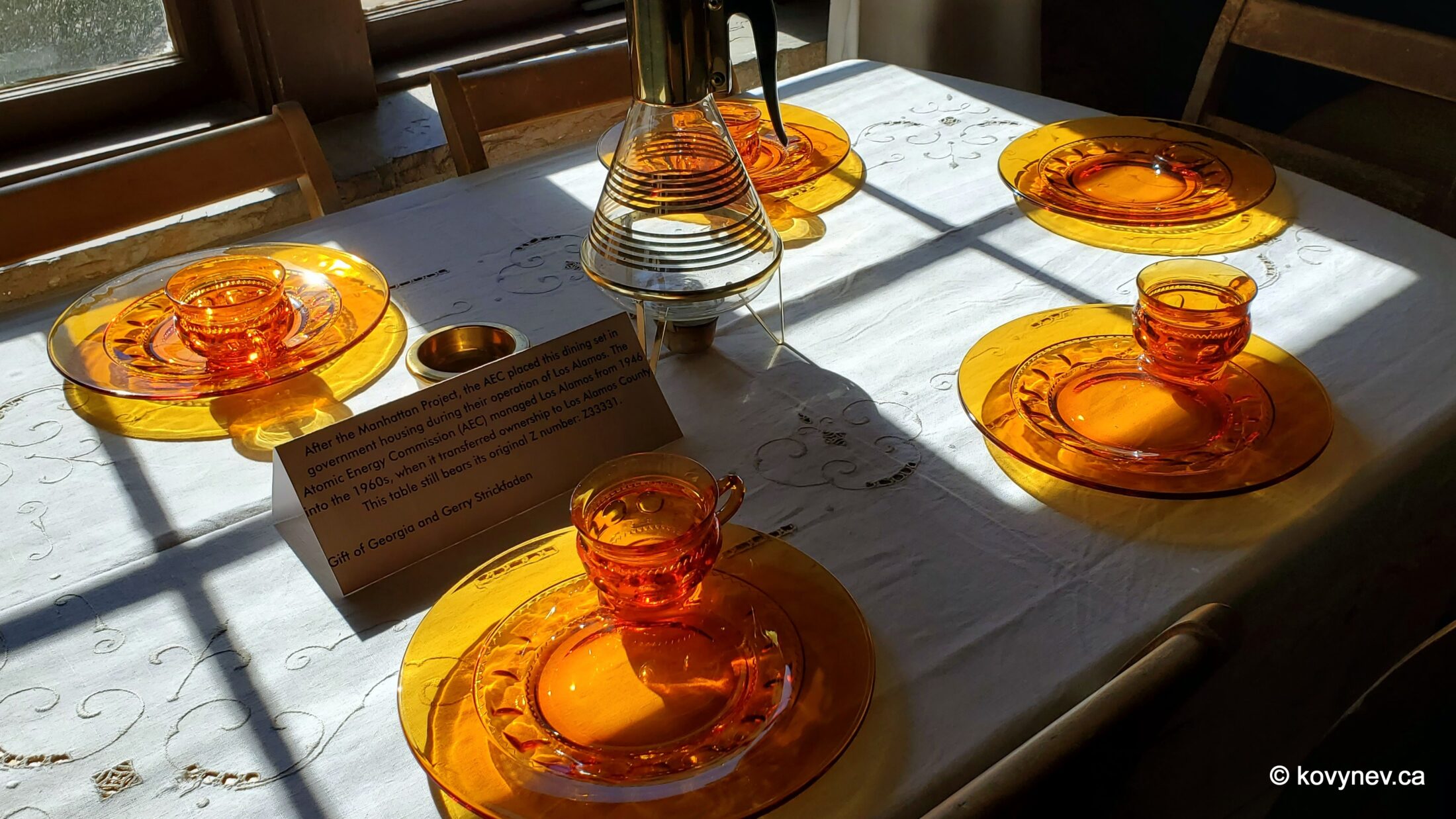
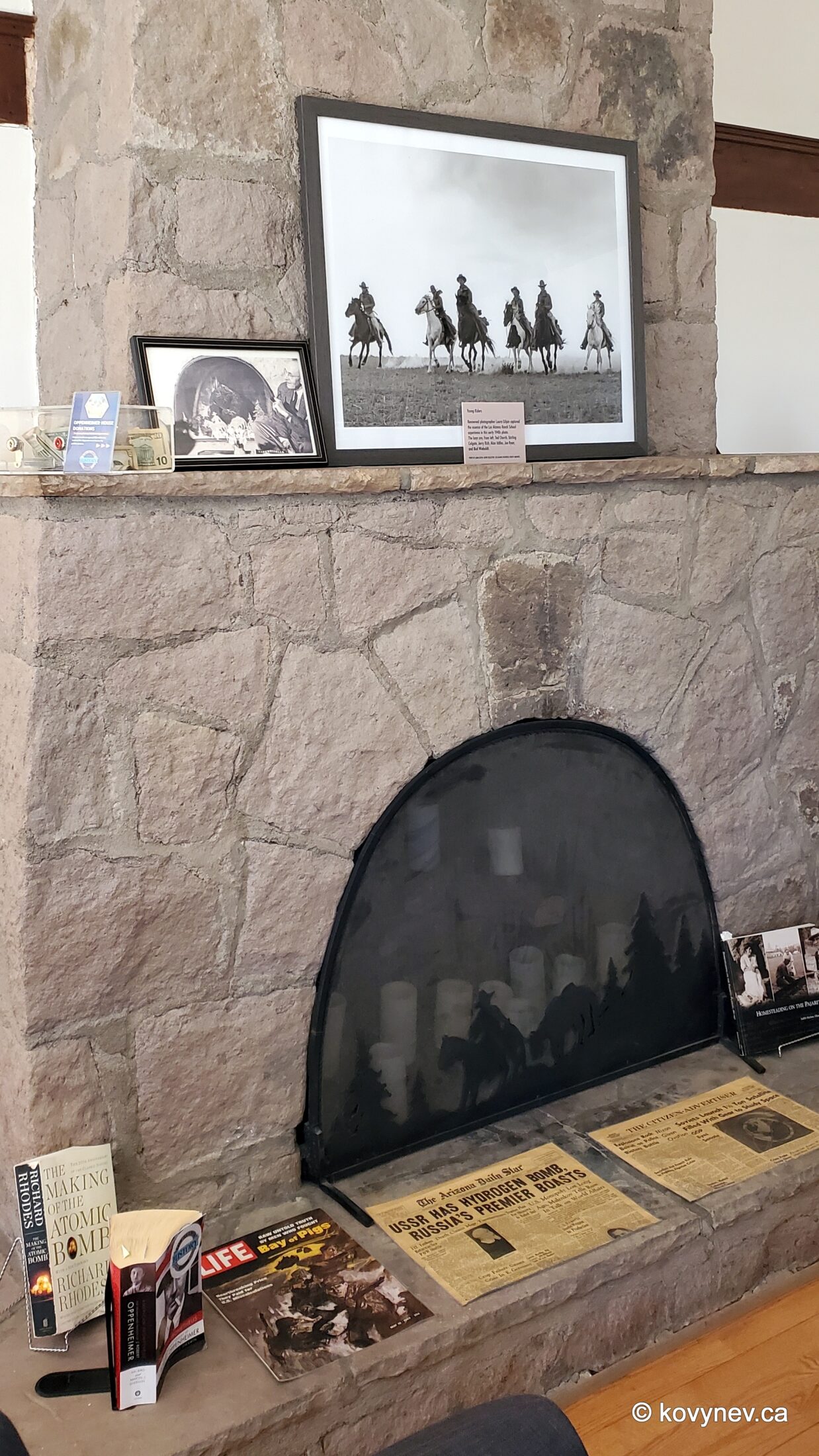
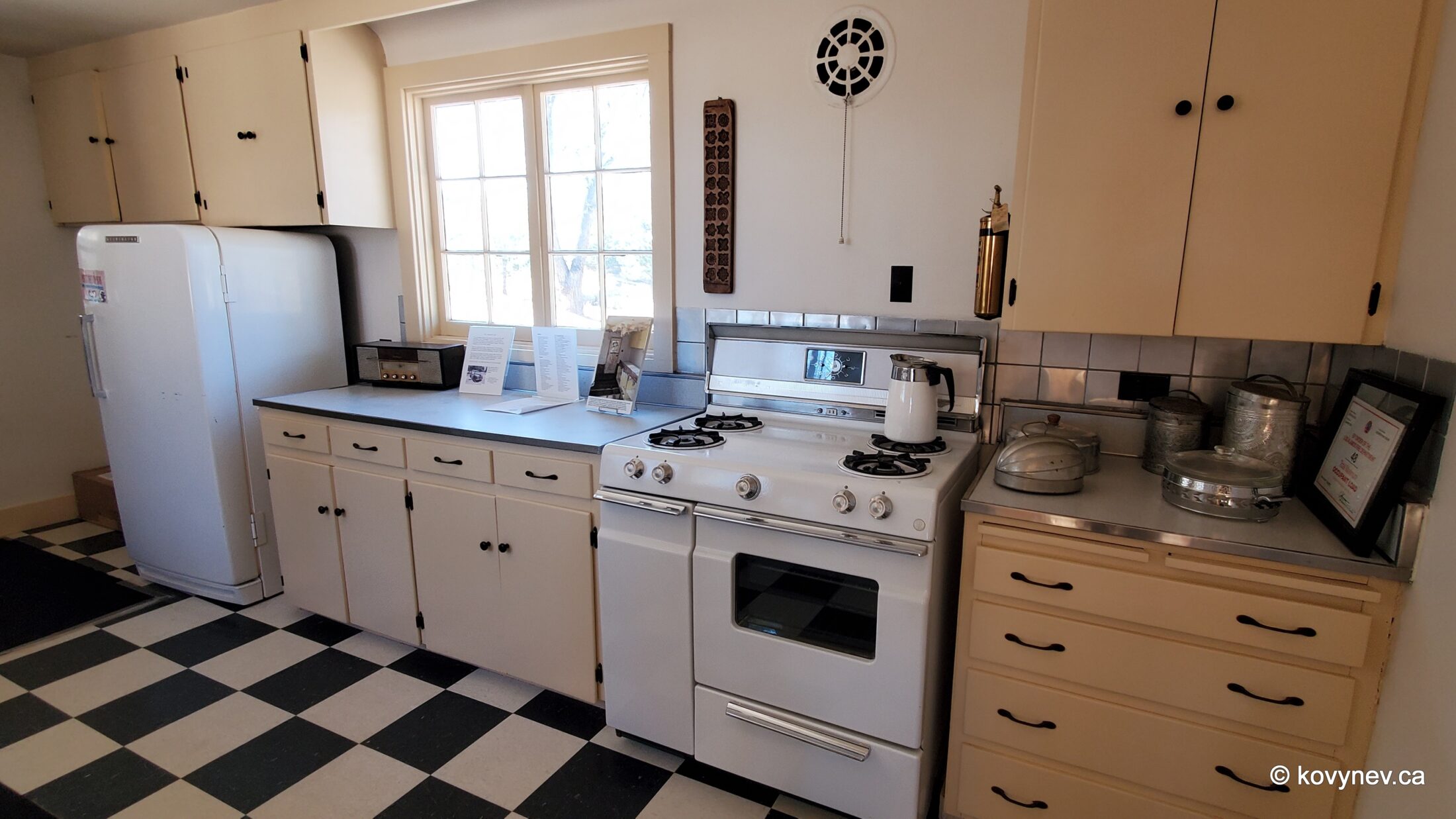
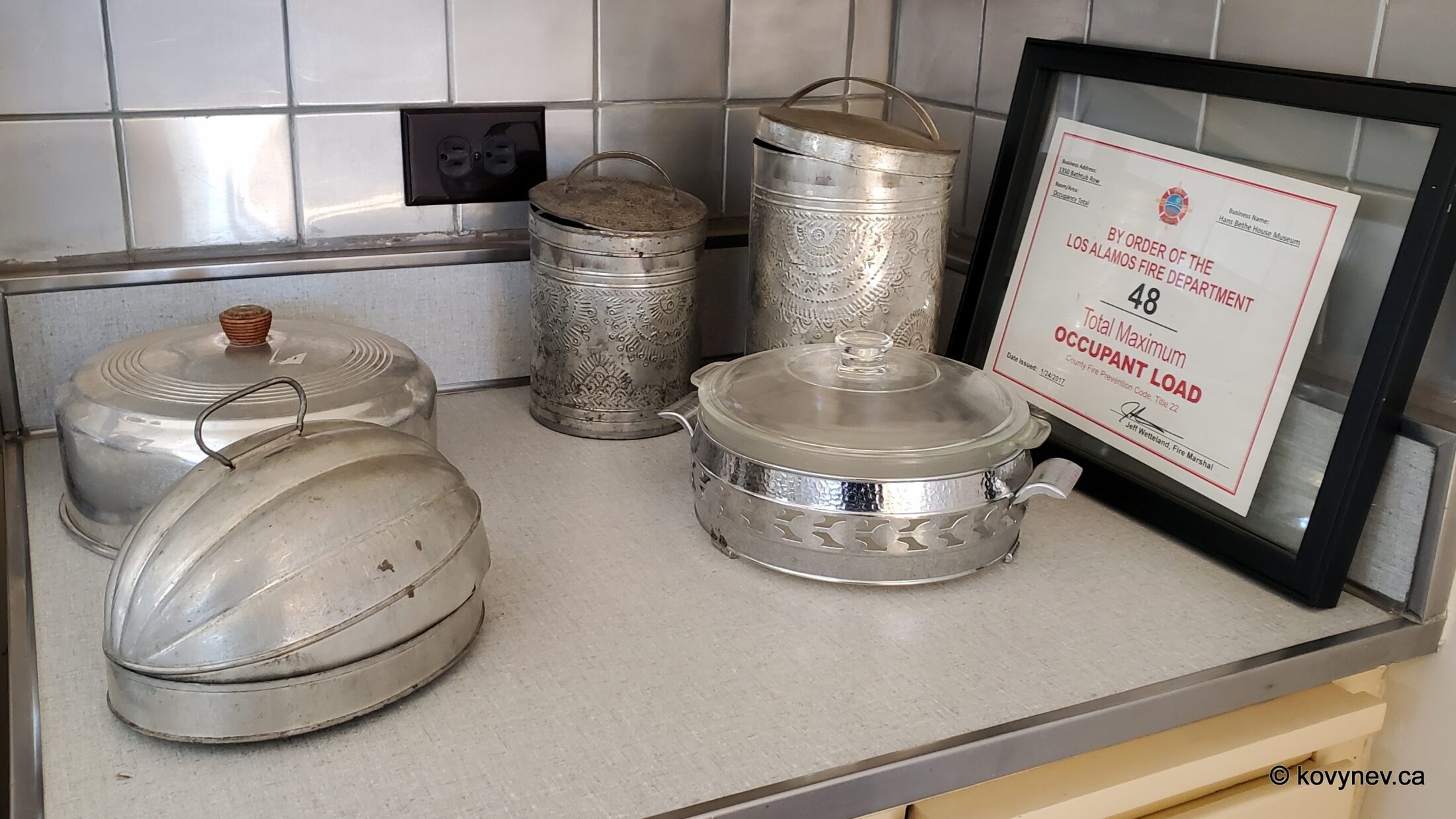
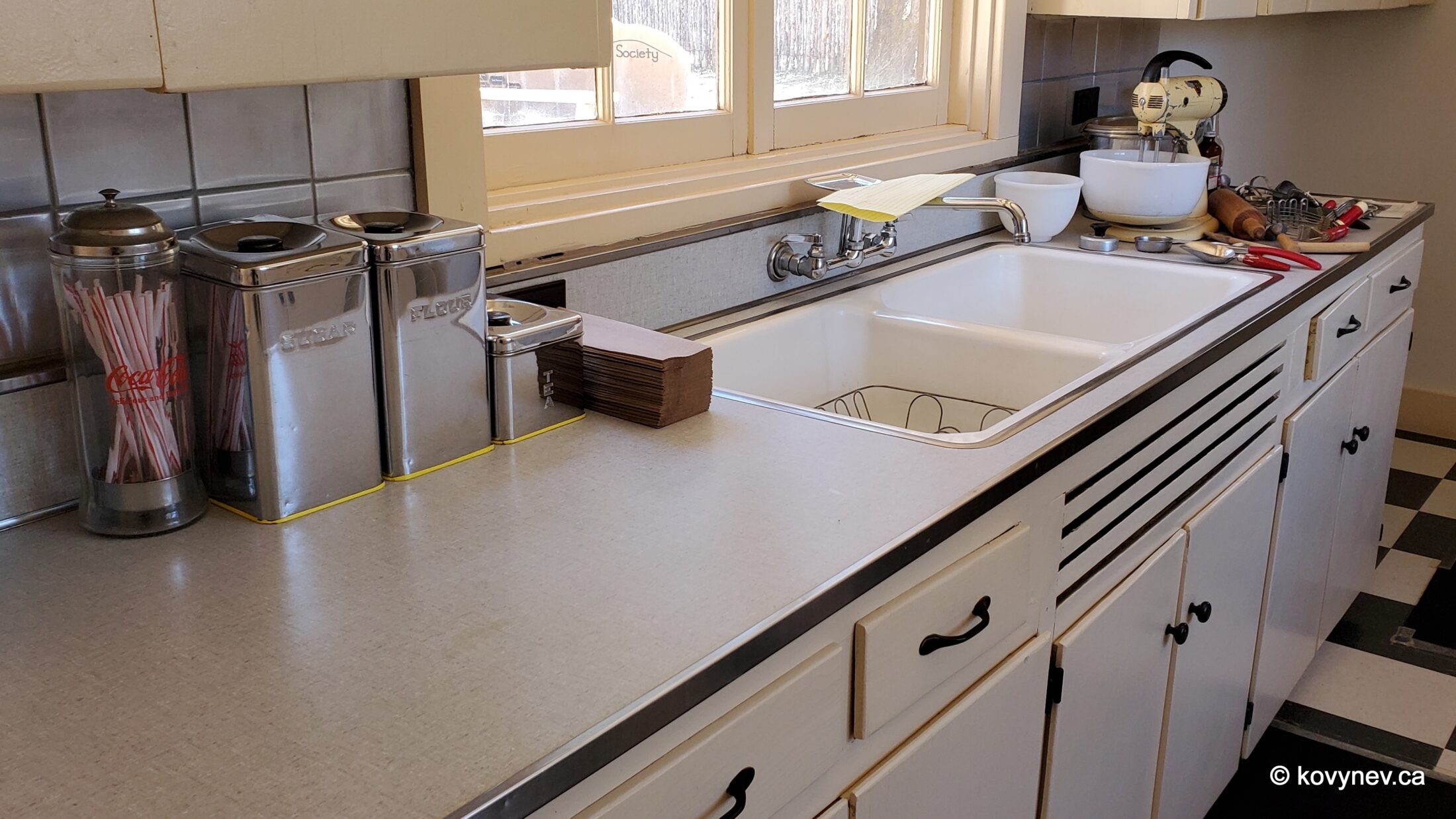
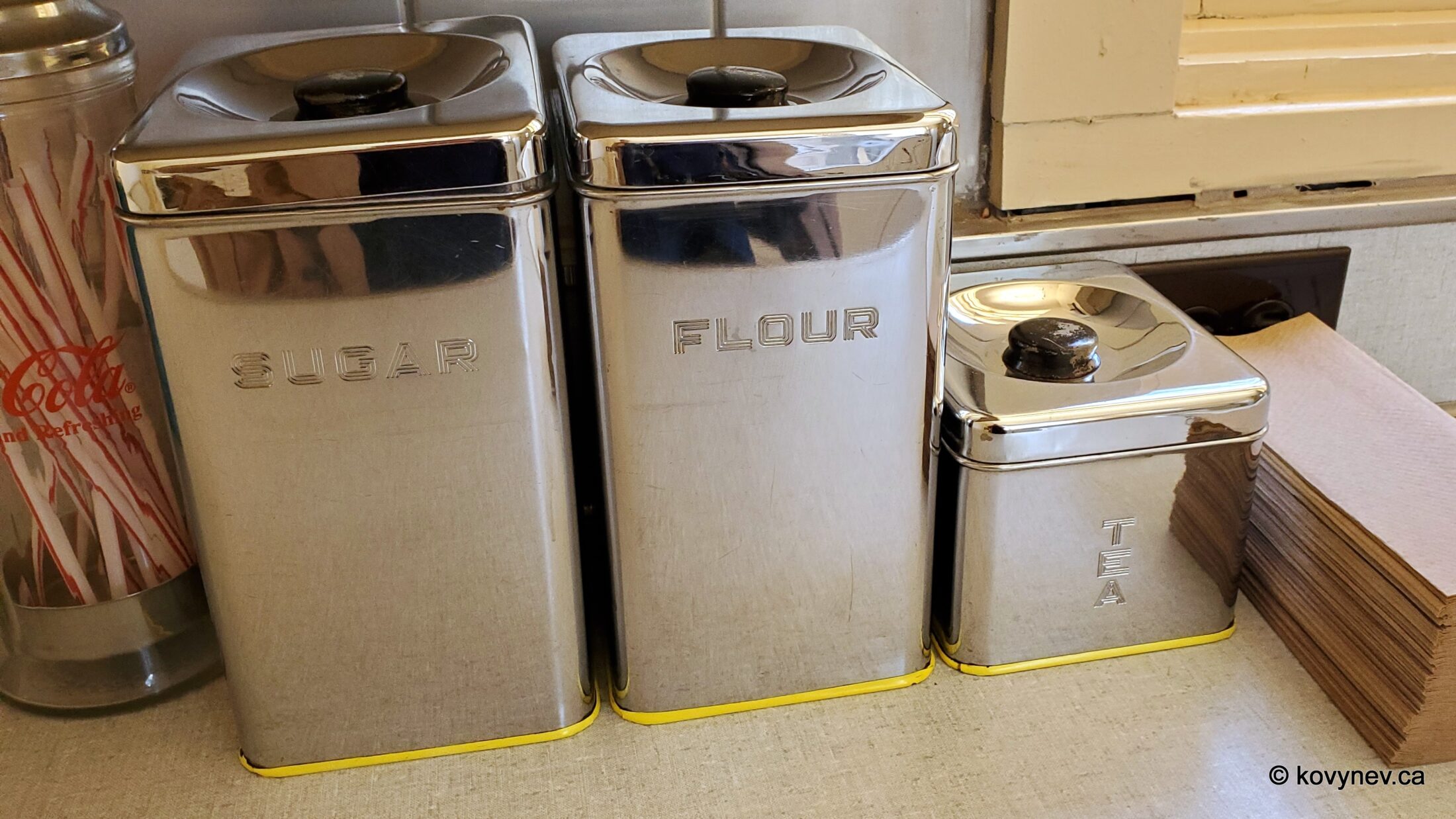
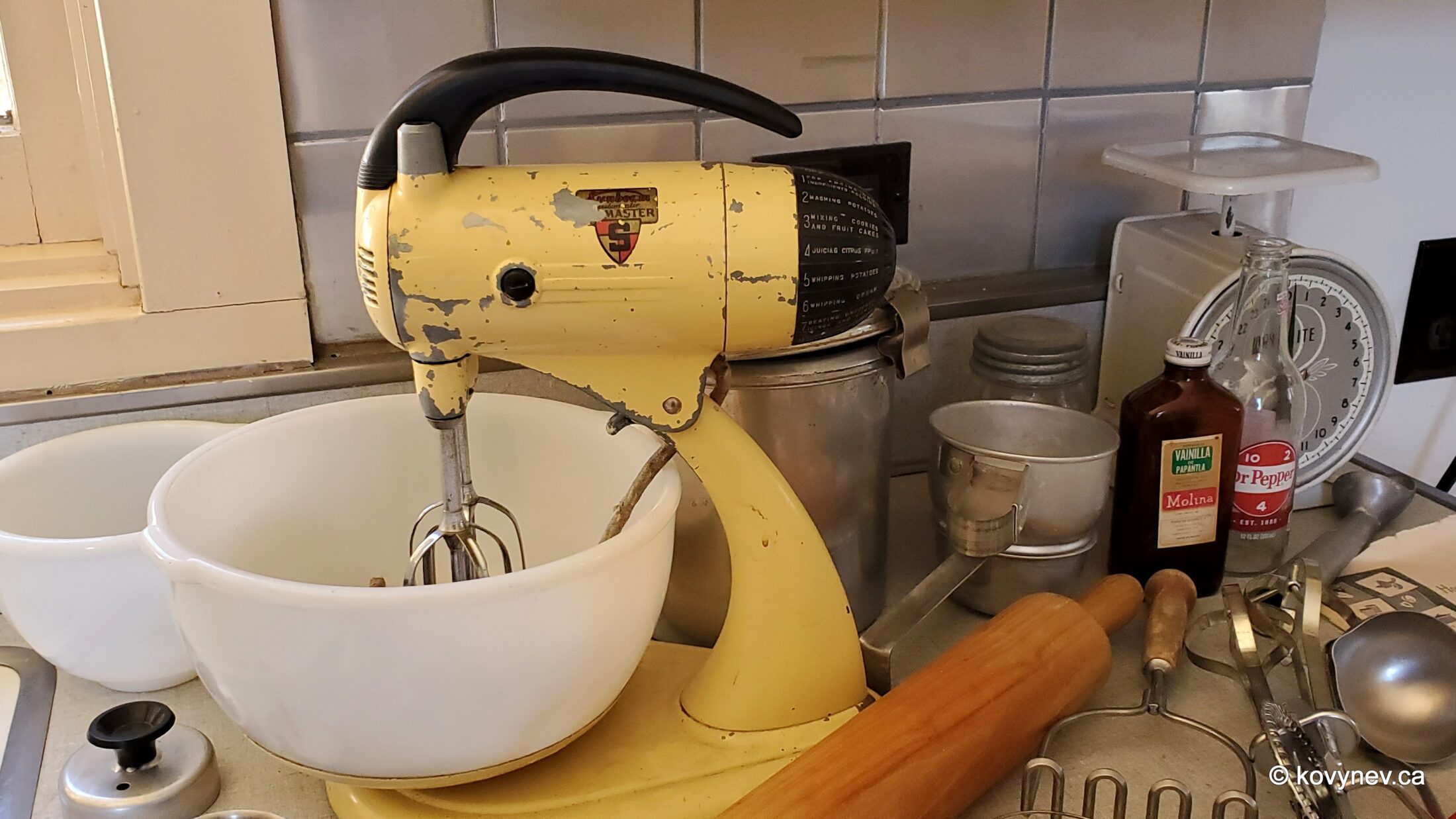
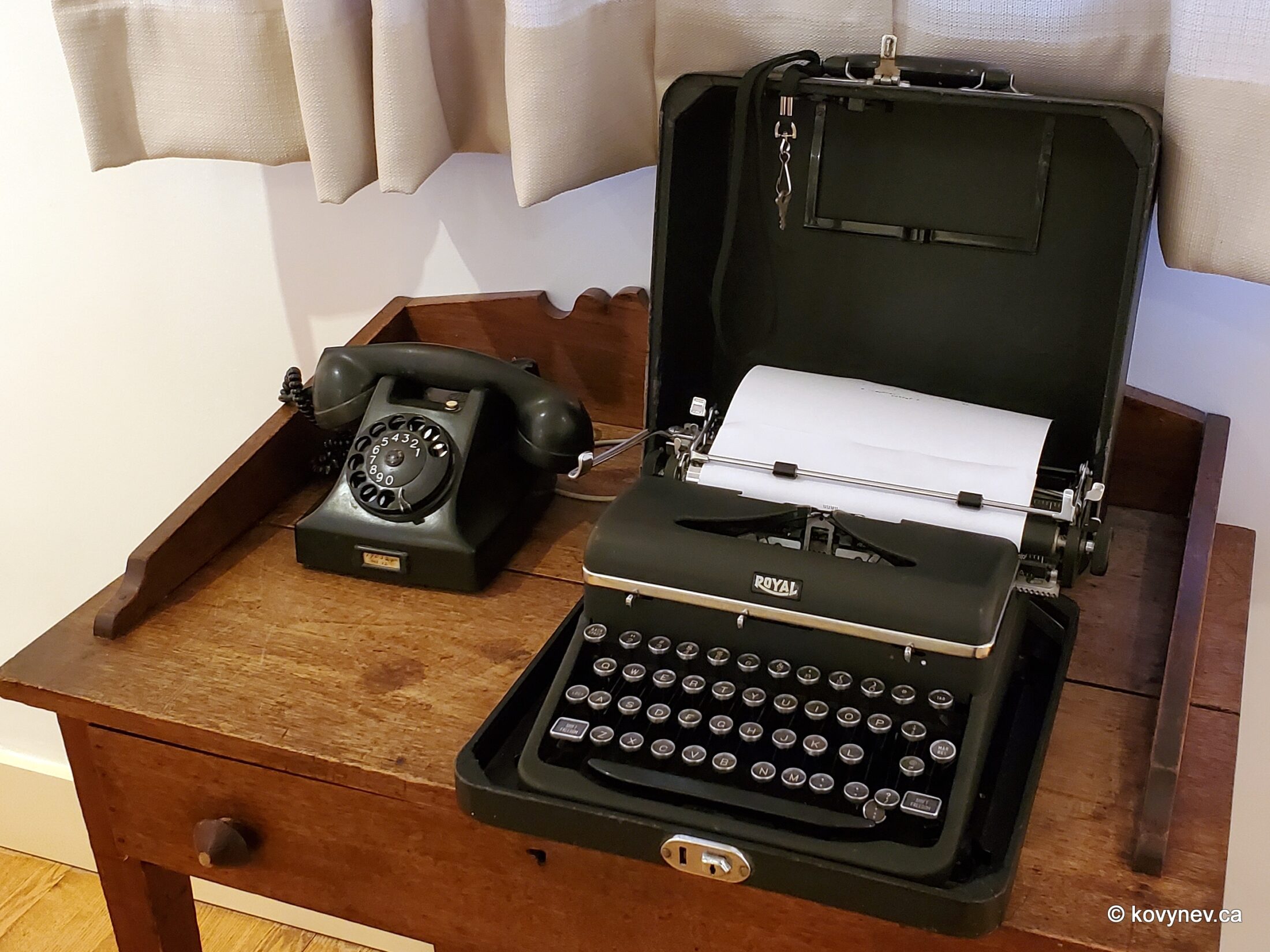
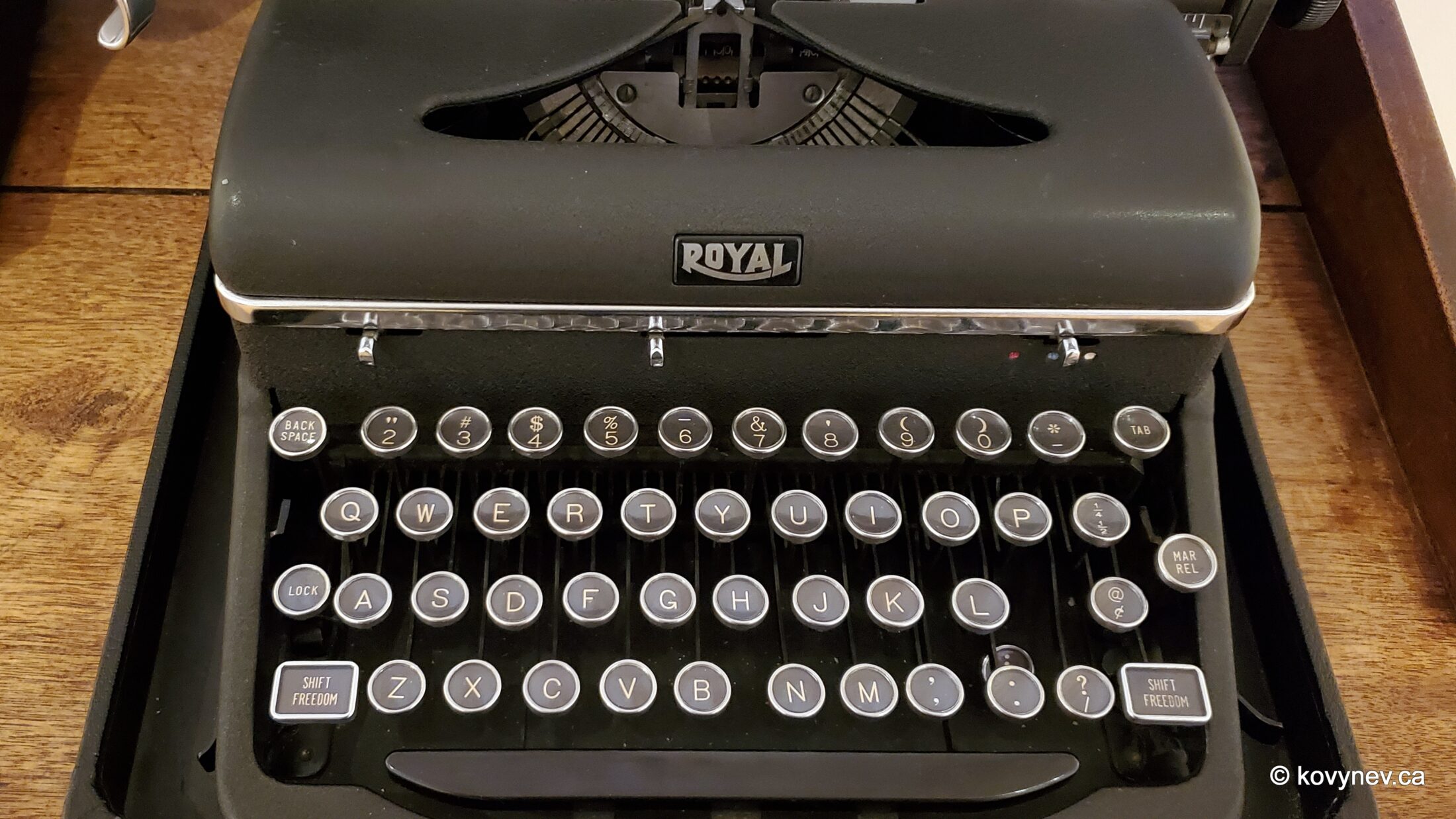
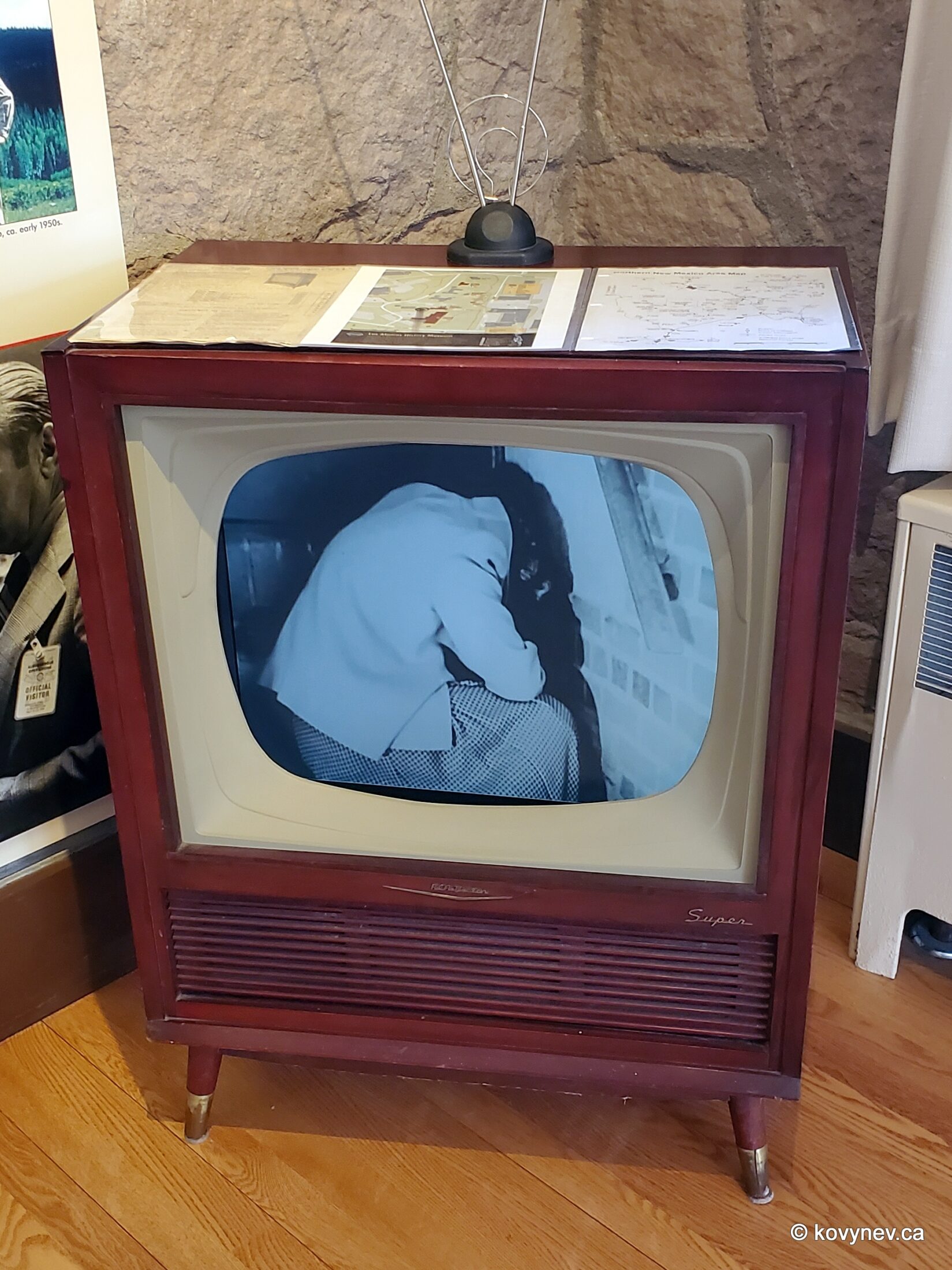
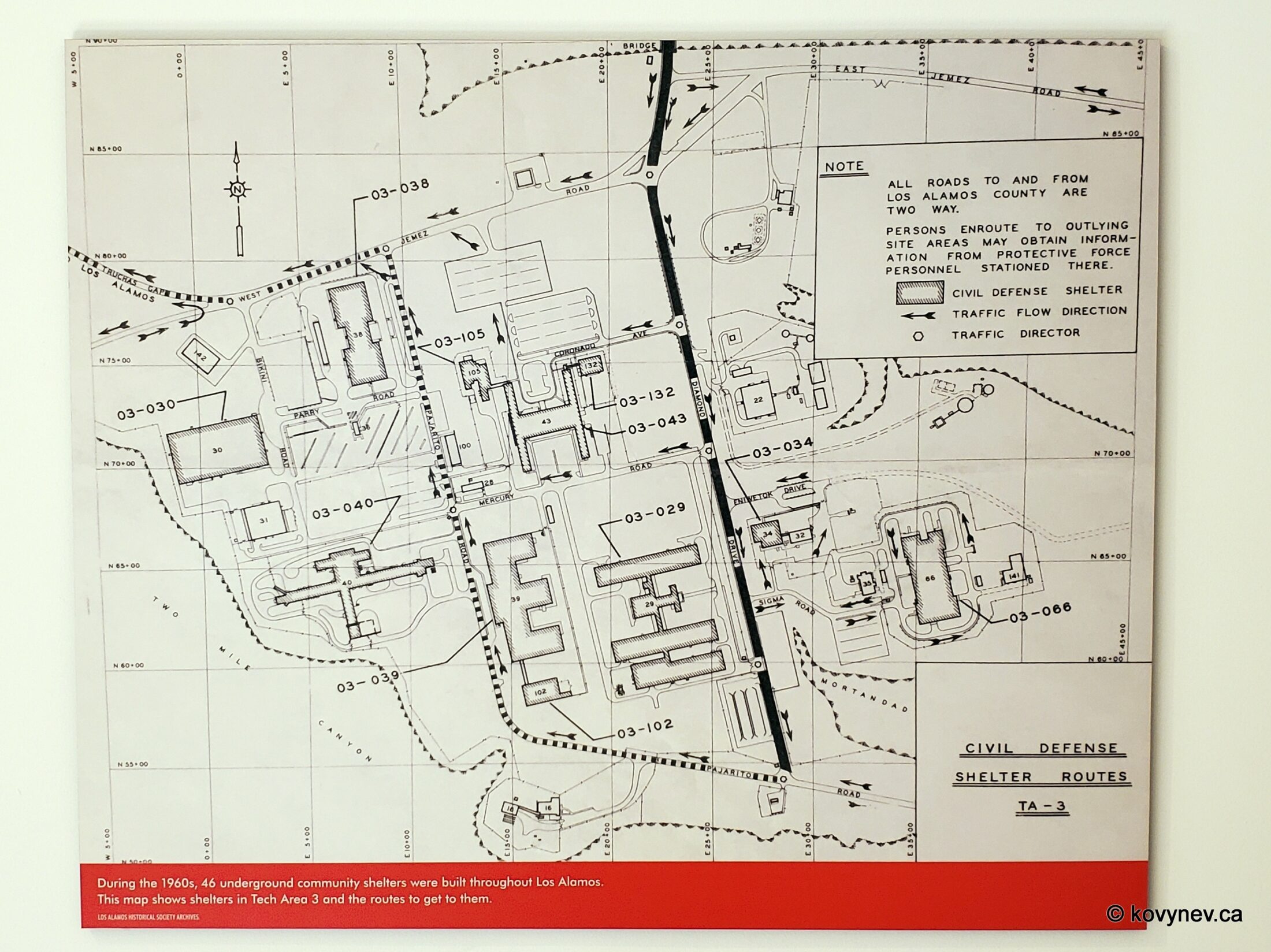
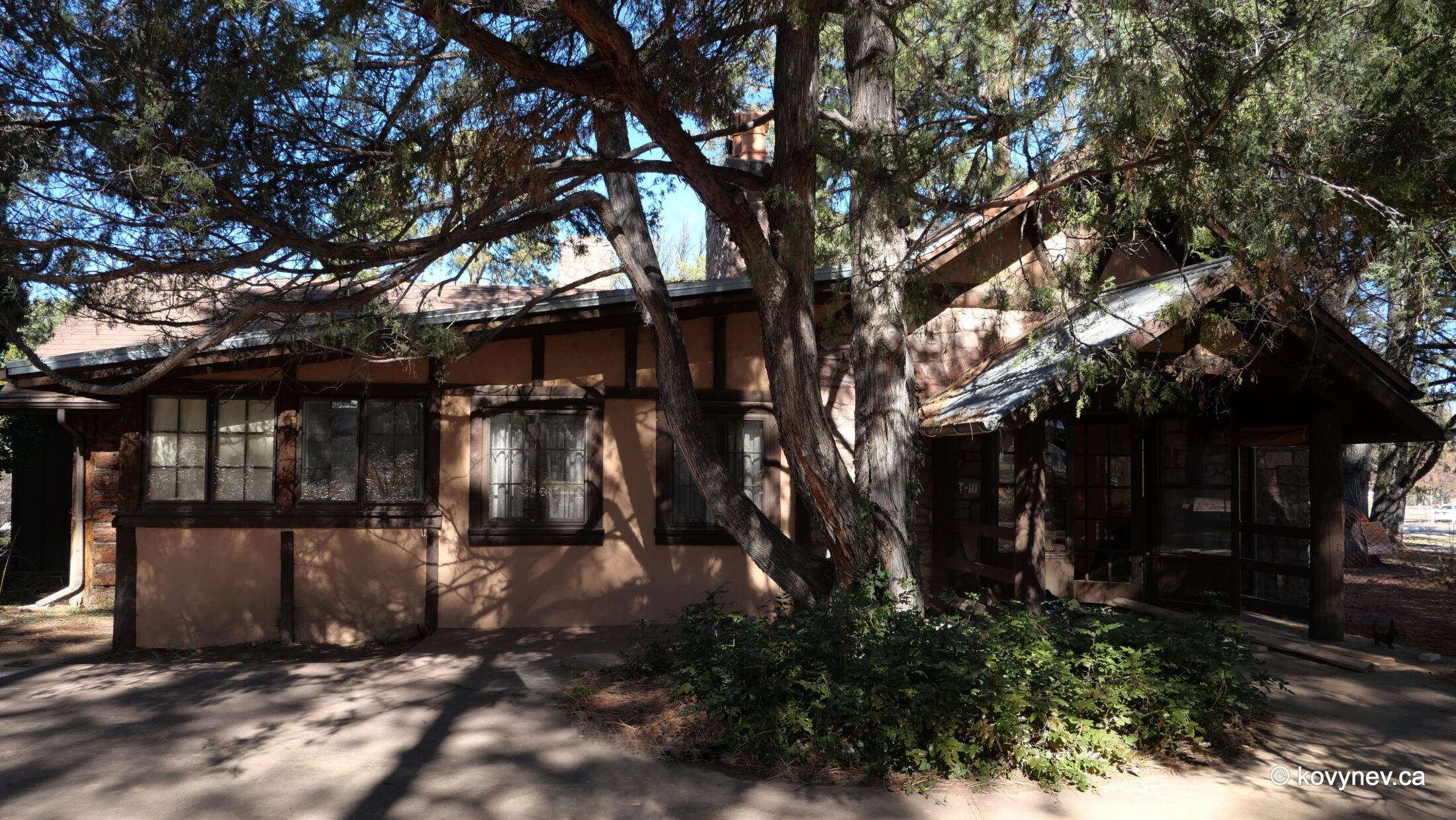
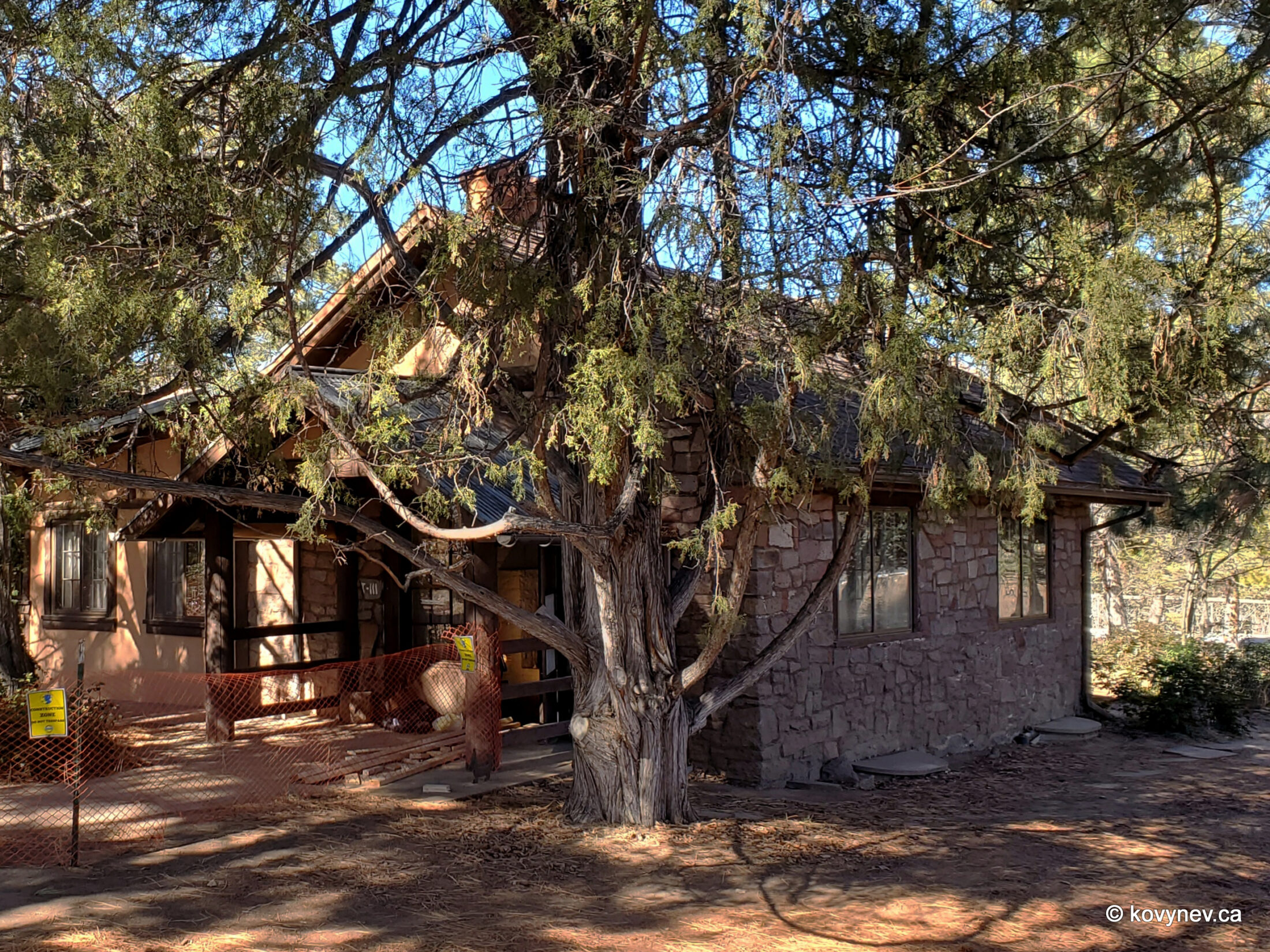
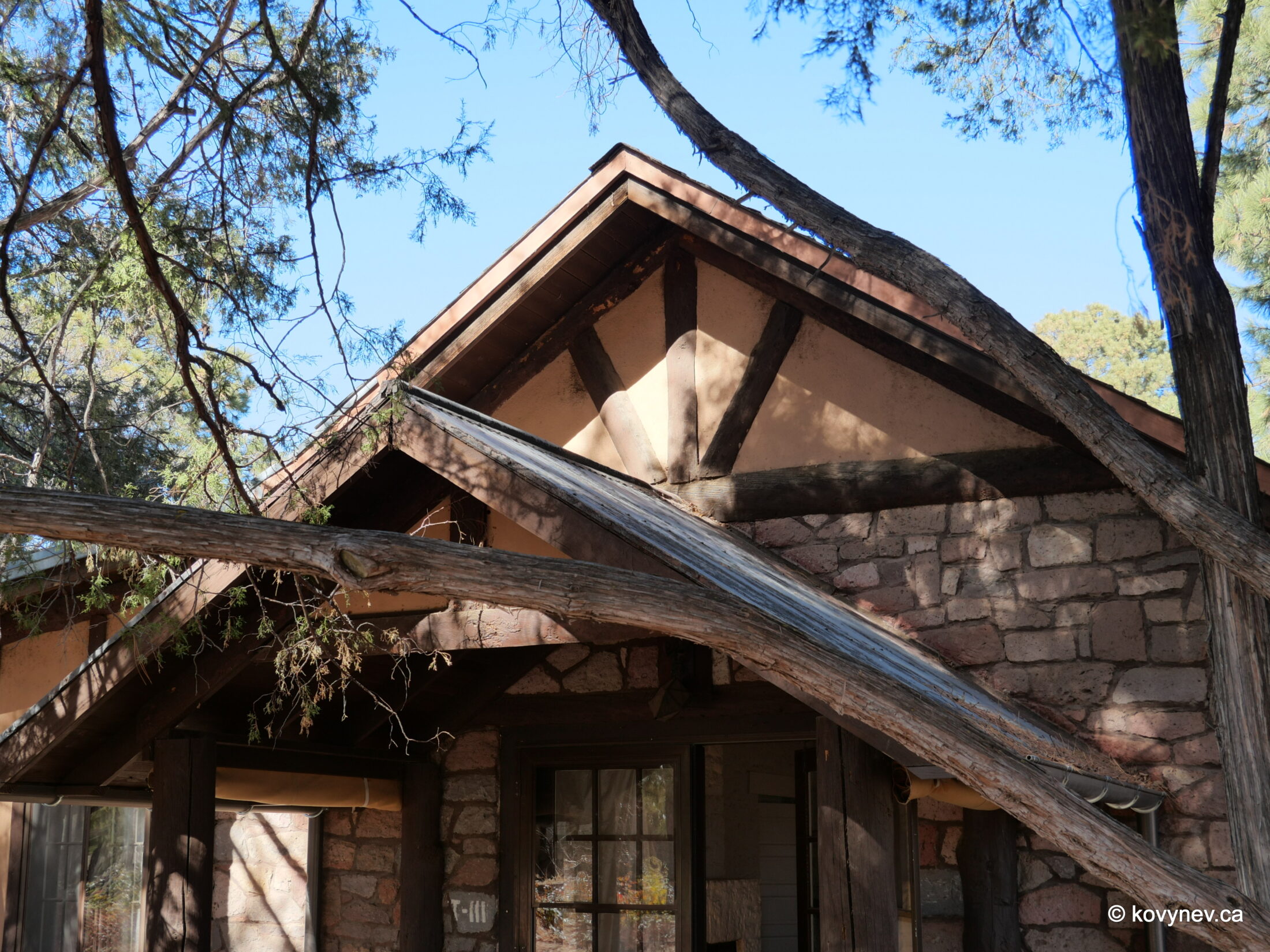
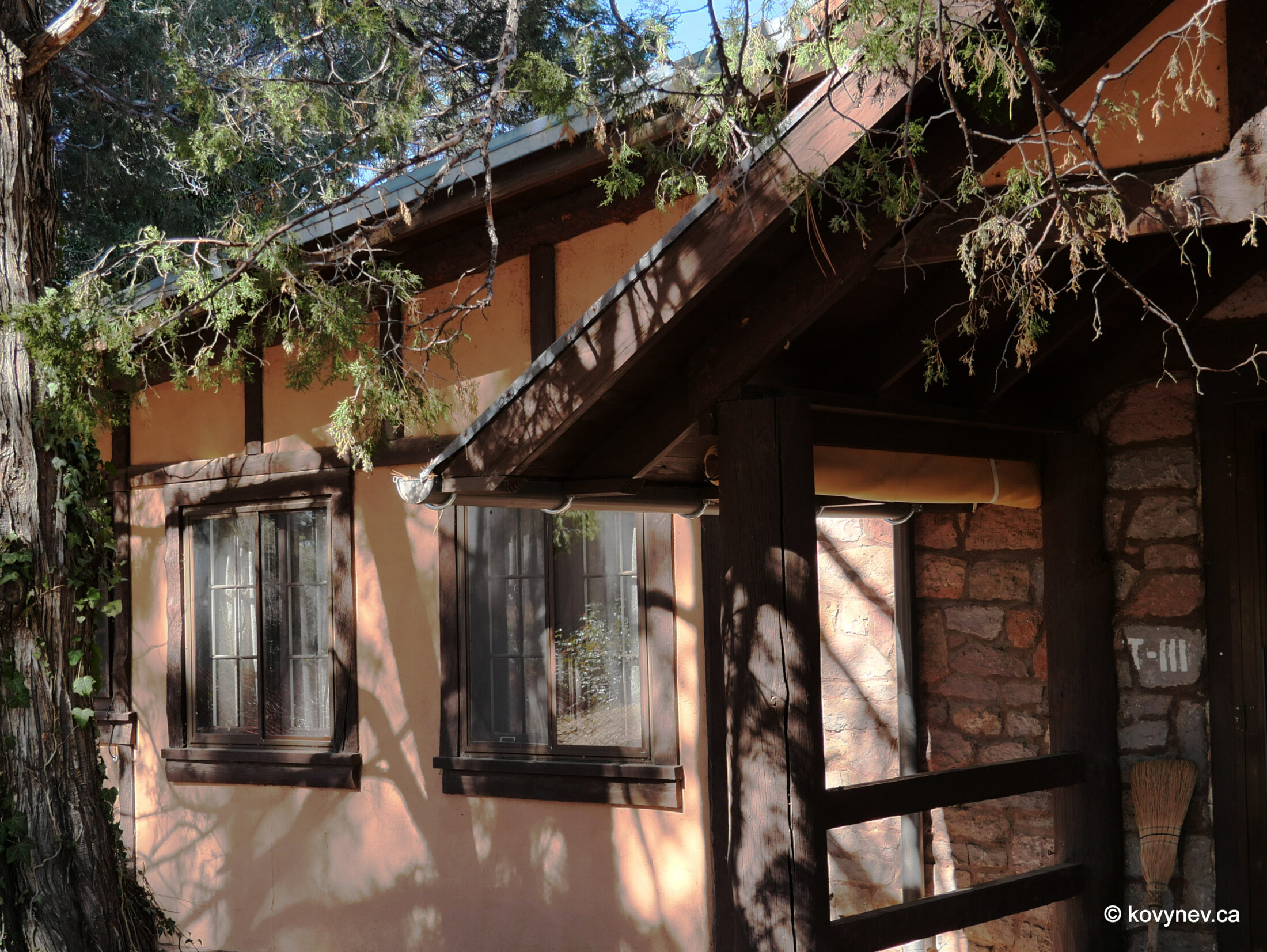
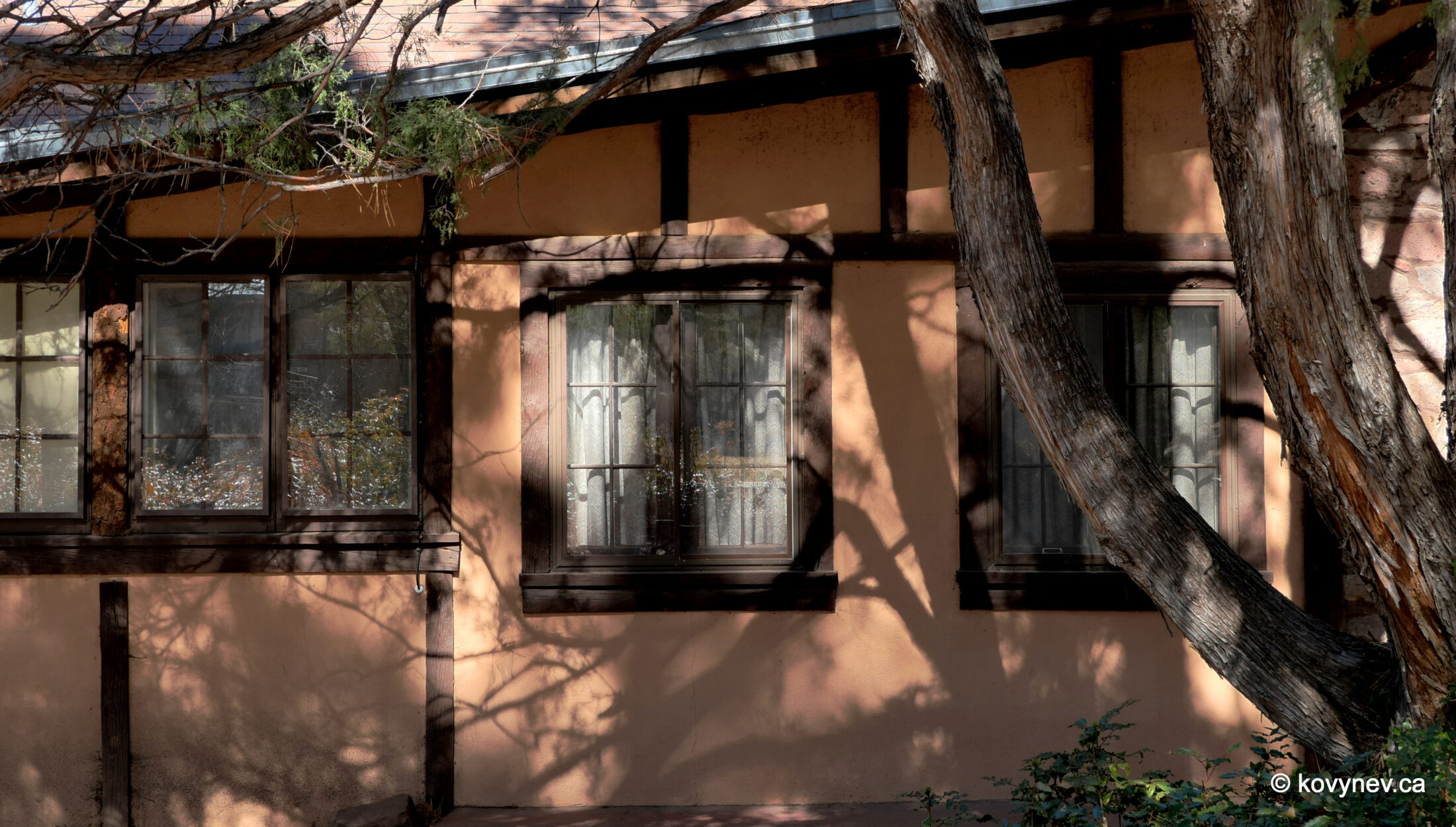
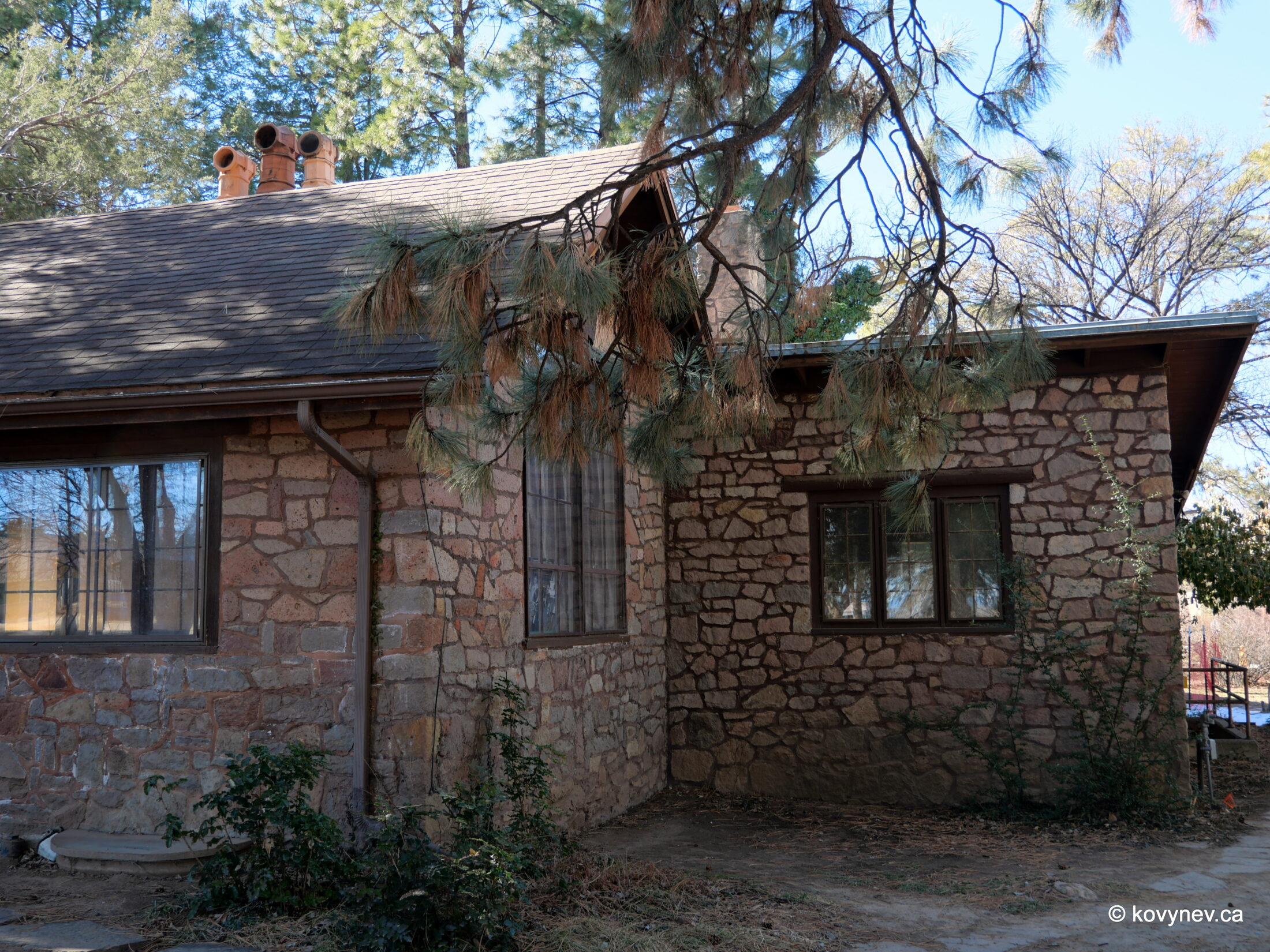
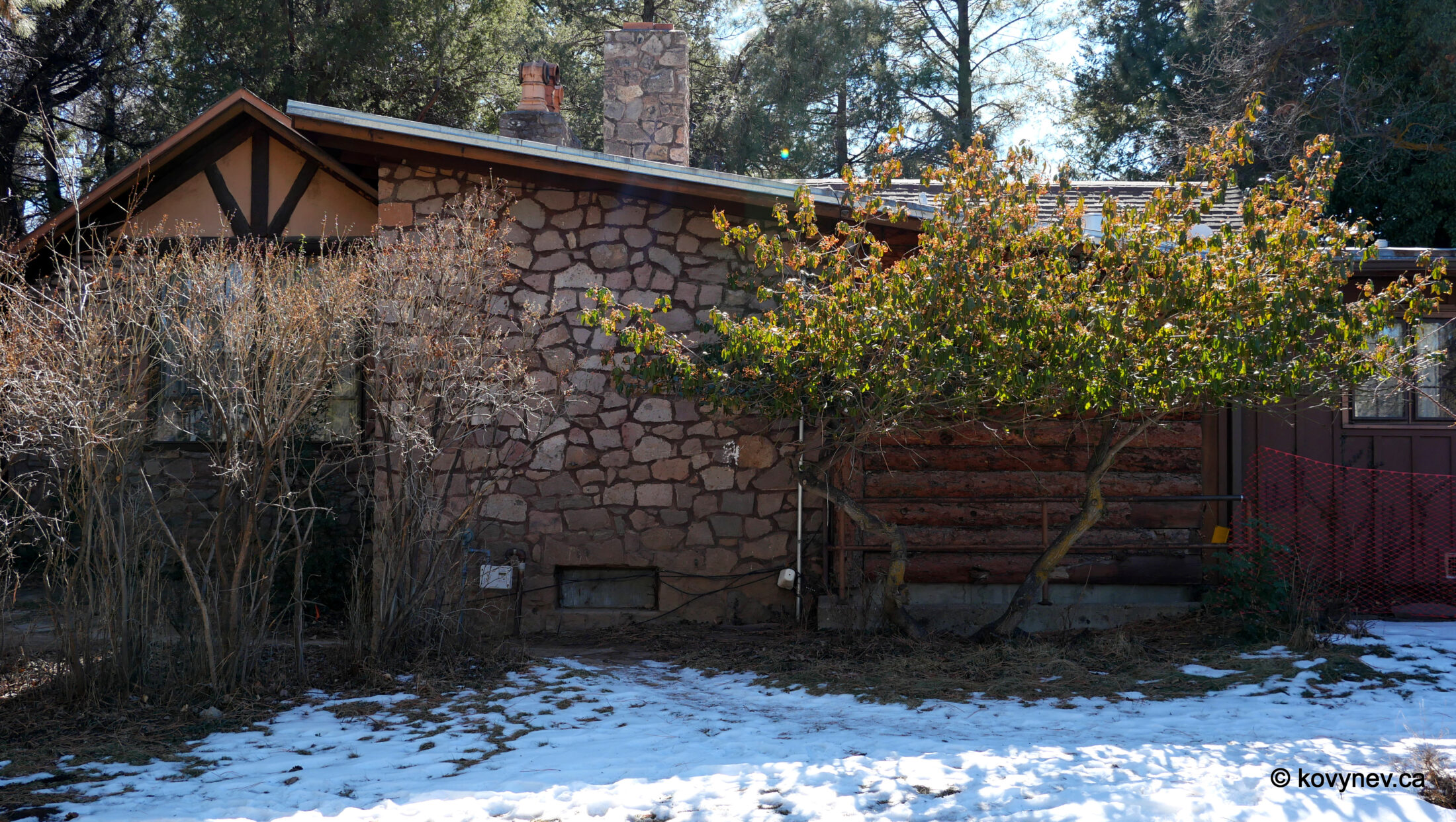
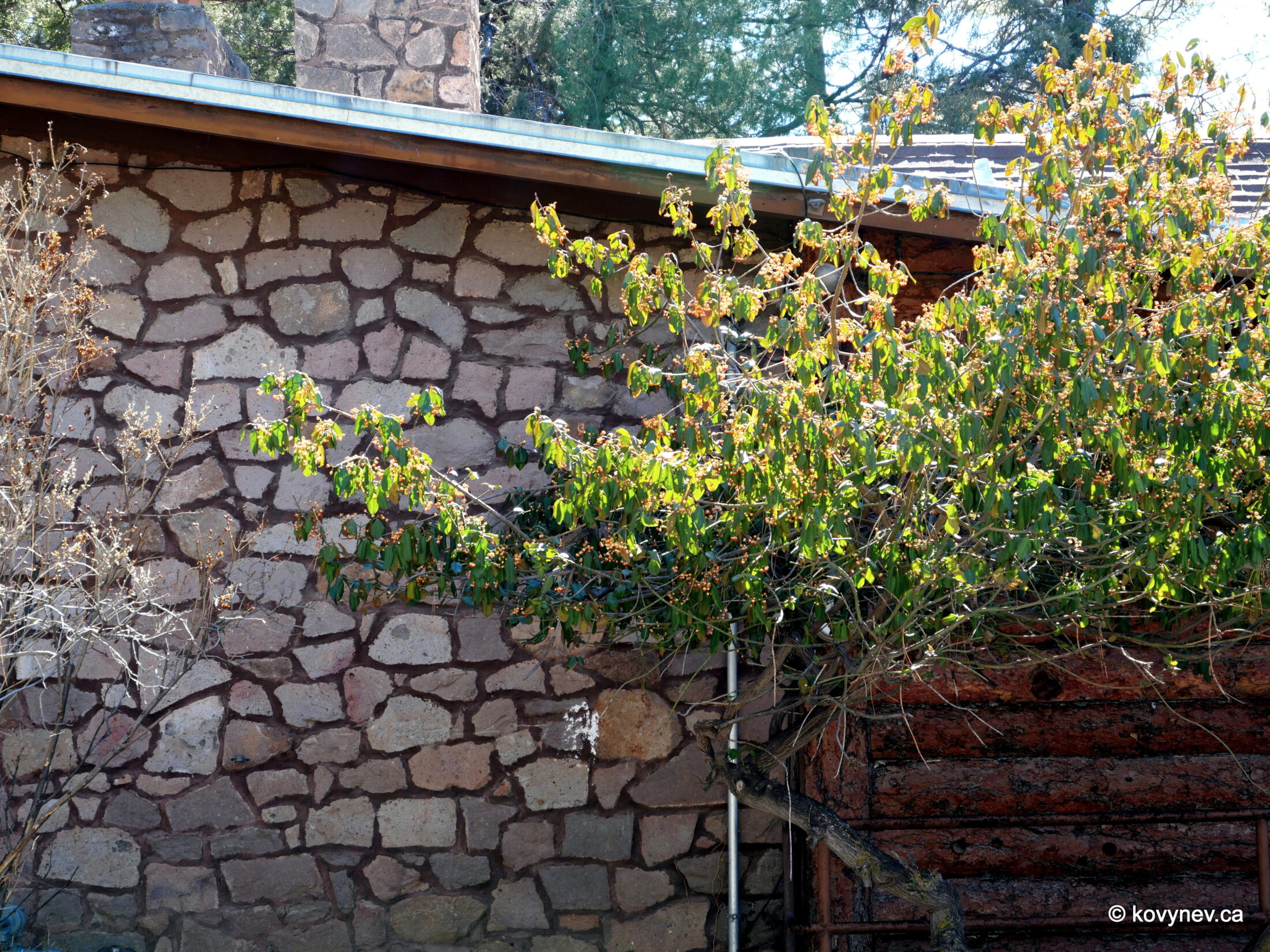
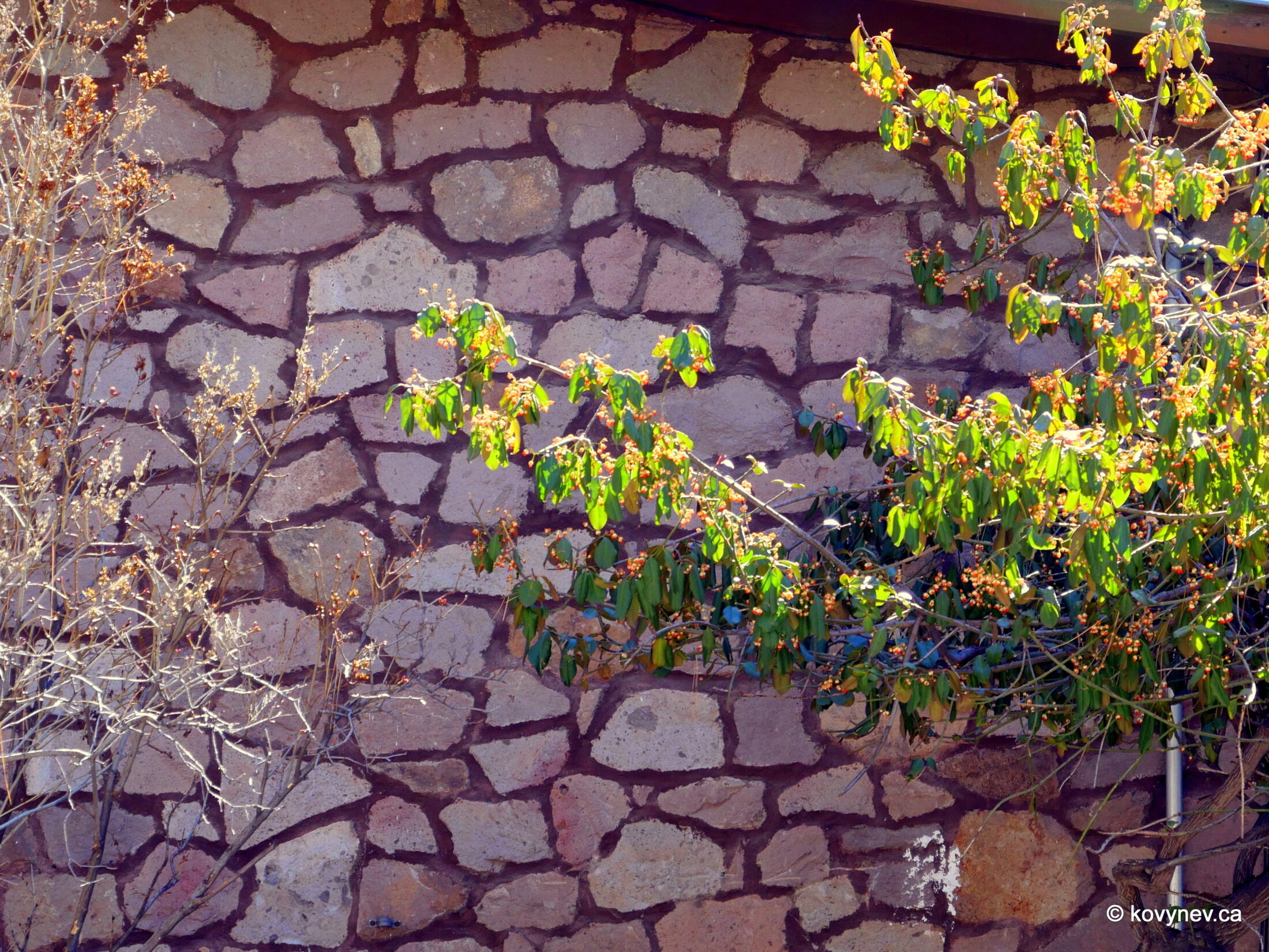
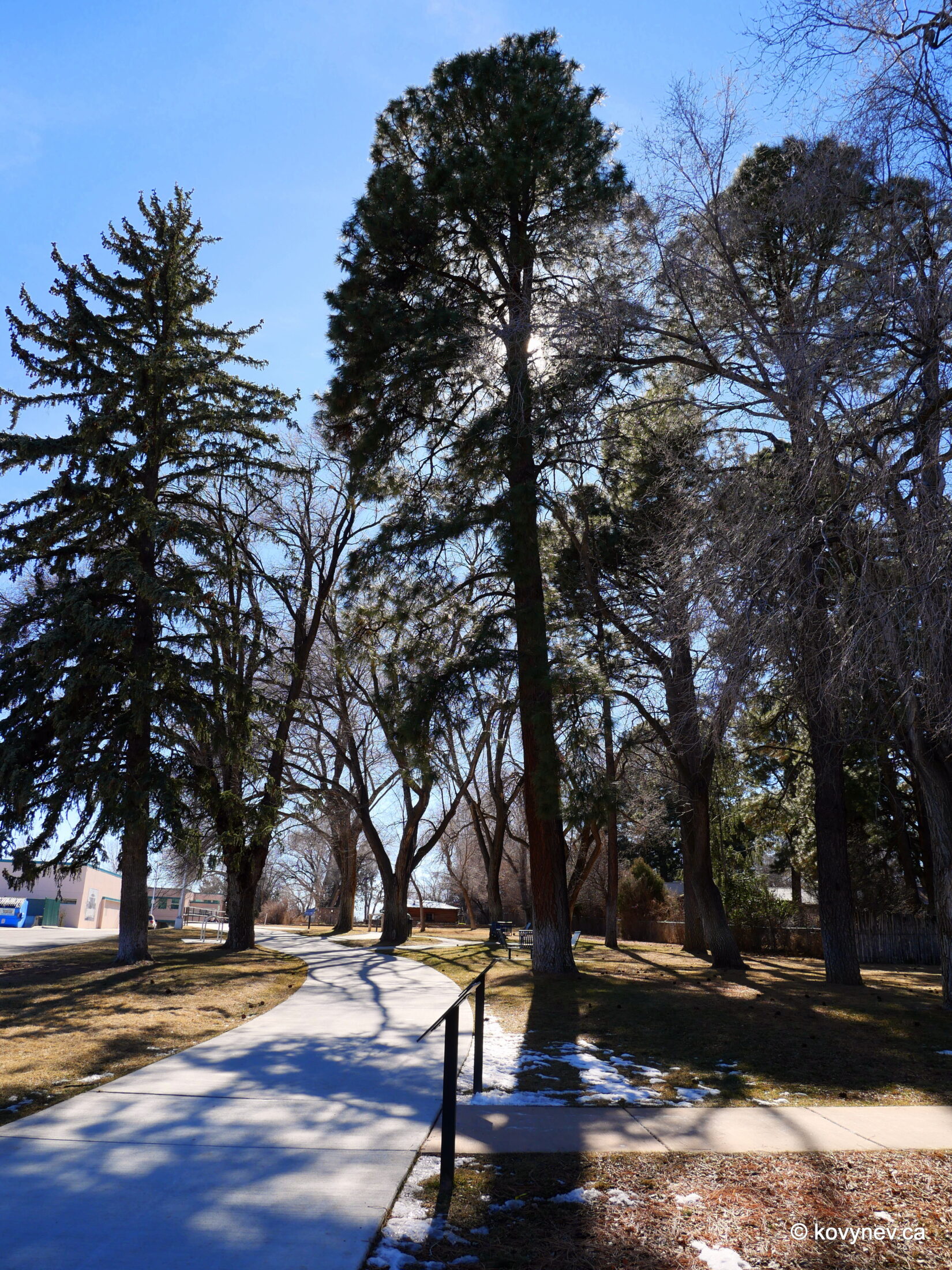
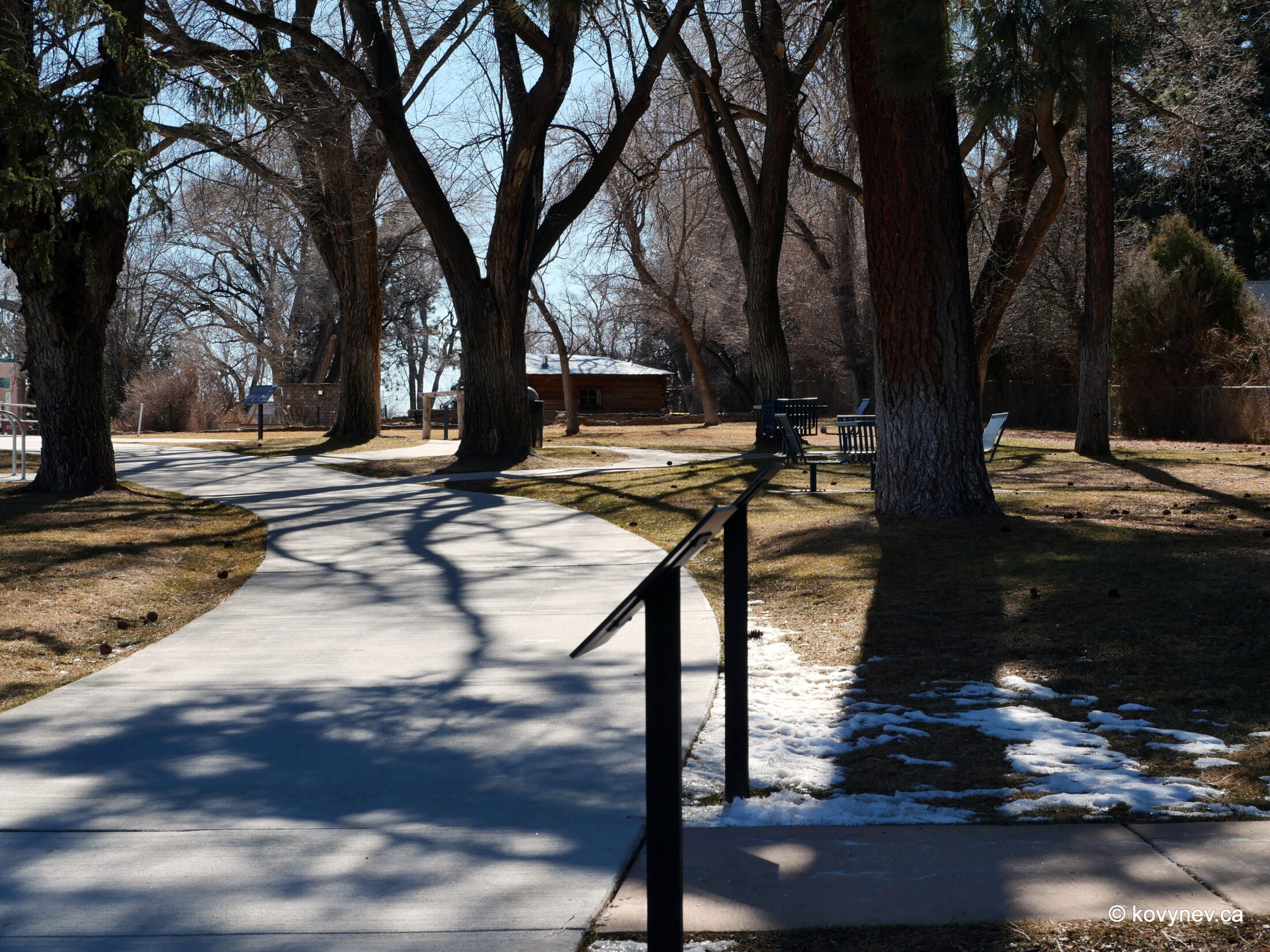
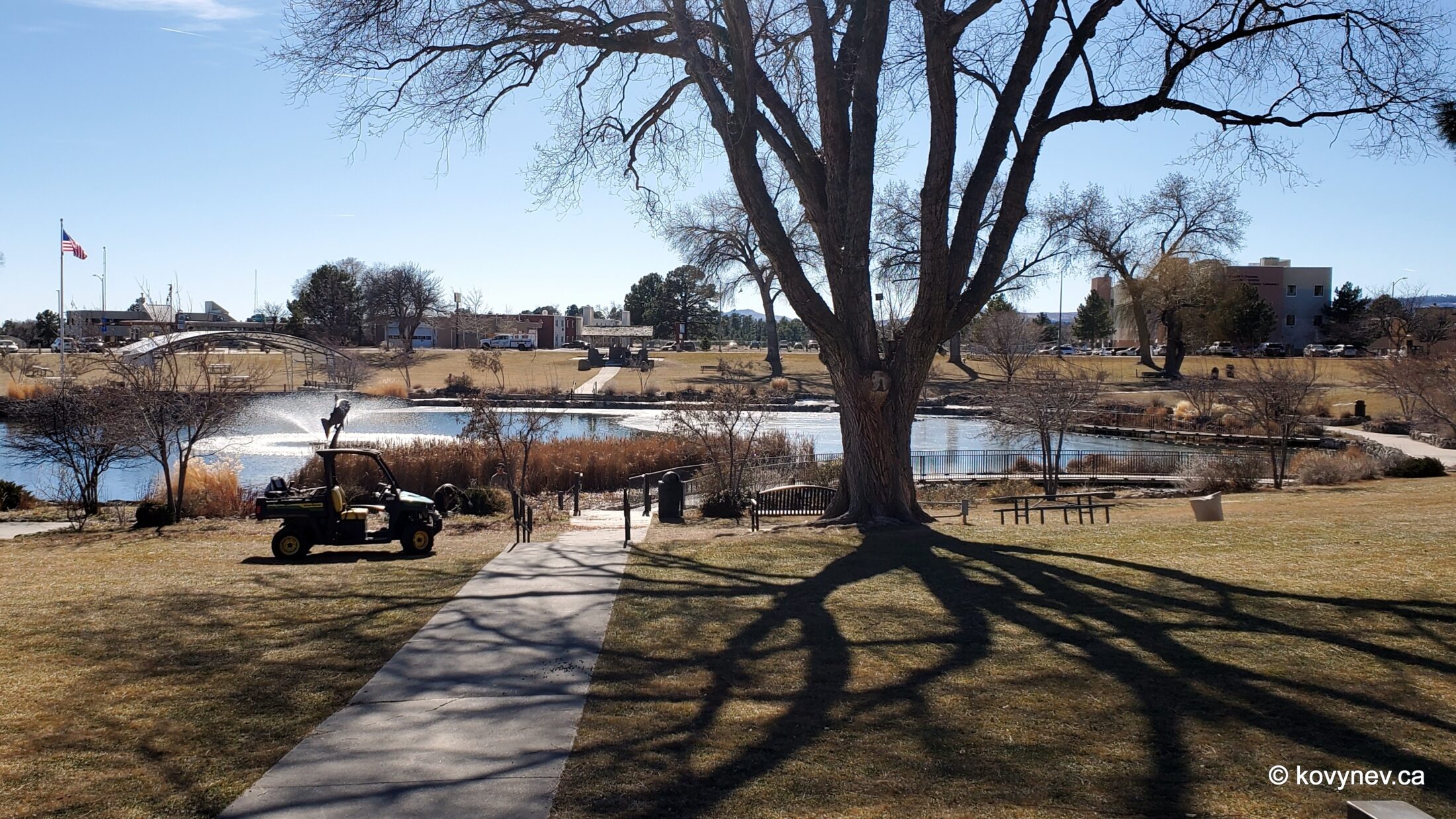
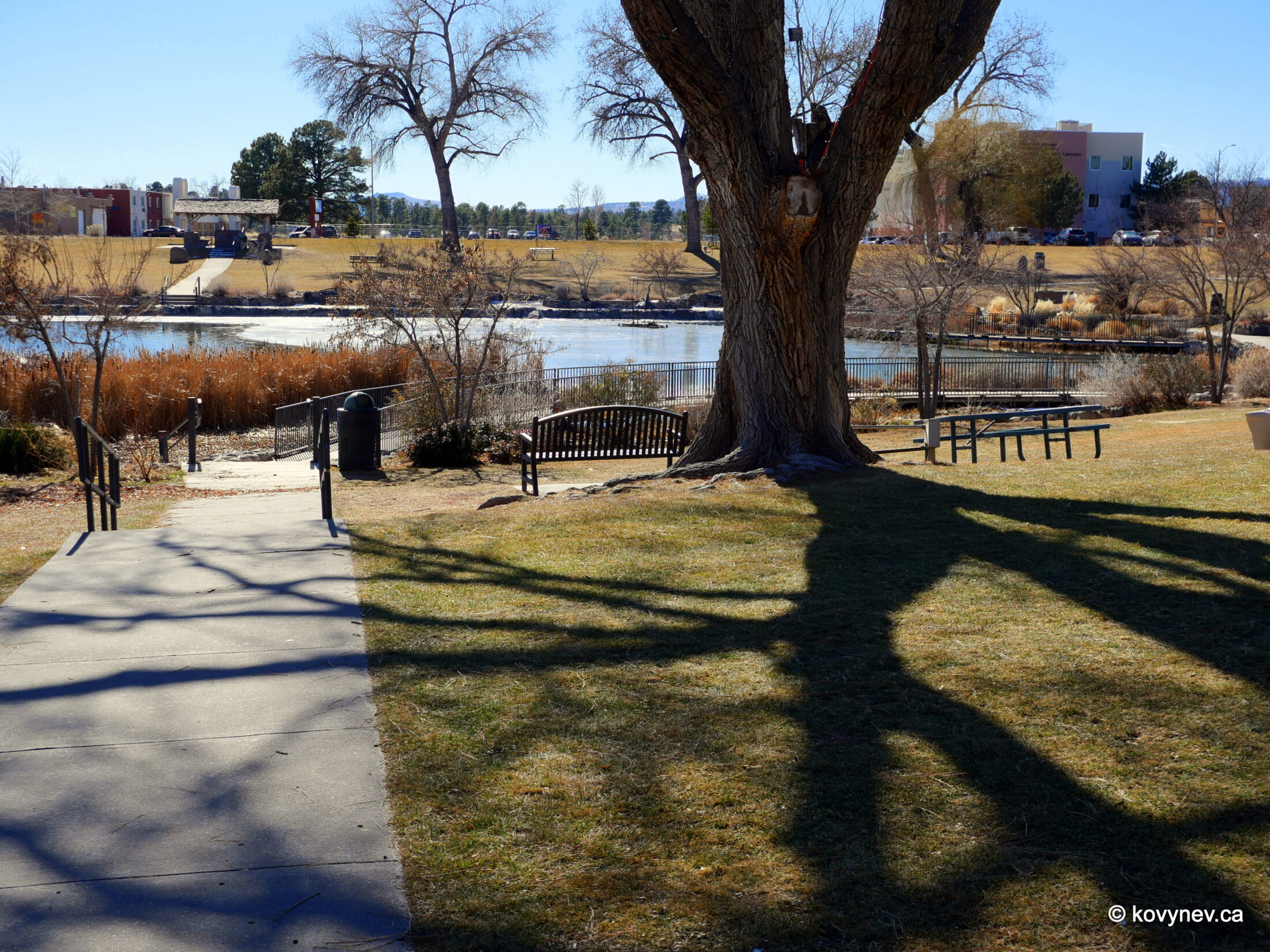
You will probably start your visit to Los Alamos in Ashley Pond Park (the pond is hiding behind that white canopy). Just because, the parking lot is right next to it 😊The pond was created by the school, to ensure its water supply and to give the students a place to swim in the summer and play winter sports on its ice in winter. The pond was named Ashley Pond, after the school′s founder, Ashley Pond, Jr. Such an obvious pun!When the Manhattan Project moved in, they built temporary buildings for the laboratory around the pond. This is how it looked back in 1940s.The buildings surrounded the pond, completely obscuring it from view. So much so that the local residents forgot there was a pond there, and were quite surprised to see it, when the temporary buildings were removed after the war.Now it′s a pleasant park, with the pond in its centre, which serves as a nice starting point for a tour around the Manhattan Project National Historical Park.The next stop on our walk is the life-sized sculptures of Dr. J. Robert Oppenheimer, the Laboratory Director, and General Leslie R. Groves, the Military Director of the Project. They are posing in the way they are depicted on the famous photograph of the two men standing at Ground Zero at Trinity Site, in the desert south of Albuquerque, after the successful test of the plutonium bomb in 1945.This is that photograph. I′d say, the sculptor did a favour to the General.The sculptures are located in front of the most prominent building in the whole of the Manhattan Project National Historical Park - the Fuller Lodge.Technically, it′s called Edward P. Fuller Lodge, after one of the staff members of the Los Alamos Ranch School, who died young. His father, a wealthy businessman, funded the construction of this building with the condition it will be named after his son.During the school times, the Fuller Lodge, built of 771 logs, served as a dining hall, infirmary, living quarters for staff, and a community centre. All simultaneously. That′s how huge this 3-story building is. When Dr. Oppenheimer and Gen. Groves travelled around this area, looking for a good location for the Project, they came across the Ranch School. It was the size of the Fuller Lodge, along with the school′s electricity and running water, that convinced them this was THE place.After the war, the Lodge became a local inn, the only one in town, with a restaurant serving steak dinners for $1. This is when the Tudor-style new wings were added, to accomodate more tourists. In 1960s, the US government transferred the owner′s rights to the town to Los Alamos County, and the Fuller Lodge became the County Cultural Center. Which it remains to this day.This is the Baker House, right behind the Fuller Lodge. It was built by a Ranch School staff member for himself. When the Project moved in, the building was used as a dormitory for junior scientists. They slept there on bunk beds, real dormitory-style. One of those young scientists was Richard Feynman, by the way.After the war, when the Manhattan Project moved out, one of the scientists, Richard Baker, stayed behind and lived in this house for almost 40 years. Hence - the Baker House.The next stop on our tour is the oldest existing building in Los Alamos - the Guest Cottage. It was built as the first School infirmary in 1918, and then was used by the School as a guest house.It was used as such during the Manhattan Project years as well. Gen. Leslie, the military head of the Project, stayed here when in Los Alamos (his permanent location was in Washington, DC).Now it houses History Museum, with the exhibitions on the history of the Manhattan Project, and a gift shop.After visiting the museum, you get on a path winding between the pine trees, which takes you to all major sites of the Manhattan Project National Historical Park. There are not that many though - the Project was always intended to be temporary, and most of the buildings were dismantled after it was closed.The first stop on the path is a structure that most definitely was not intended to be permanent, by the looks of it. And it has nothing to do with the Manhattan Project to boot. It′s called the Romero Cabin. Victor Romero had a homestead on a nearby mesa, where he built this cabin in around 1925. When the government bought Los Alamos in 1942, Romero homestead was within the limits of the new government property, and the family had to move out. The cabin stood there empty for 40 years. After the Project, it was decided to relocate it here, to the Manhattan Project National Historical Park. Just to keep all the local old stuff in one place, I guess...Now, this is REALLY old. These are the ruins of an ancient pueblo (a settlement of the indigenous people). They have lived here in the 1100-1500s, and this is all that remains. This specific structure was built in the early 1200s. We don′t know much about these dwellers, except that they were part of the Tewa-speaking people, who lived along the Rio Grande. By the time the European homesteaders arrived in the area, they were long gone, most probably due to droughts.This specific building was 2 storeys high, and was designed to accommodate 2-3 families. There were bedrooms, cooking areas, storage rooms, and a semicircular kiva - a hall for meetings and ceremonies.Across the street from the pueblo ruins, on the back wall of a mundane strip mall, there is a picture of a big house, which once stood on this spot. That is exactly what it was called - the Big House.At one point, it was the largest structure on all of Pajarito plateau. It was the main building of Los Alamos Ranch School, and included classrooms, the library, and student dormitories. There was only one bathroom in the whole place (the standards were different back then). The Big House was torn down in 1948.Further down the path, we come to the Hans Beth house. Hans Beth was a physicist, a Nobel laureate, who lived here for just 6 months during the Manhattan Project era. Before the Manhattan Project, the house belonged to the financial director of the Ranch School. Makes total sense - nice, comfortable, stone house like this.At the back of the Hans Beth house, you will see a 1947 Plymouth Deluxe, parked there permanently, as a museum exhibit.The museum staff call it "The General′s Car", and judging by the number of stars above the licence plate, they mean Major General.Although, this car has nothing to do with any General, or with the Manhattan Project altogether. It was a prop in the 2014 TV series "Manhattan", about the lives of the scientists involved with the Project.After the show, the crew presented the car to the museum. This Plymouth model is of 1947, so it′s technically a few years too new to have actually served any personnel on the Project, which ran from 1942 to 1945.But hey, it makes a nice era-adjacent exhibit!Now, let′s step into the Hans Beth house, which is open to visitors (in case, you bought a ticket), and check out the interior.Some of the items belonged to this house or the Project originally, some were collected by the museum over the years, but together they do create an authentic atmosphere of a well-off American household in the mid-20th century.For you Gen Z out there, this is called a typewriter (that′s what they used back then for typing a text on paper), and the thing next to it is called a telephone. Only voice calls, no texts.Notice the keys "Shift/Freedom". Freedom here means releasing the caps lock (set by the key above on the left). And the key "Mar Rel" on the right is for "Margin Release". You hold it when you really need to type that one word beyond the page margin.And this thing is called a television set. It would show TV programs transmitted over the air and received through that antenna on top. And the picture would be black and white. (I really should′ve waited for a more coherent frame in the program on the TV at the moment).A map of shelters built in the area in the 1960s, in the anticipation of the Soviet nuclear attack. Every house must′ve had one on the wall.After leaving the Hans Beth house, we come to the next building, the last one on the path - a house that has all the makings of becoming the star exhibit of the the Manhattan Project National Historical Park. The Oppenheimer House.It′s not there yet, though. Until very recently, the house was a private residence. In 2020, the owners gifted it to the Manhattan Project National Historical Park. The museum is currently renovating it (see all that red net?).Hopefully, they are also trying to recreate the living situation of the scientific director of the Manhattan Project, and, without a doubt, the most famous figure of the Project, Dr. J. Robert Oppenheimer.Originally, the house was built by the director of the Ranch School for his sister. Oppenheimer lived here in 1943-1945 with his wife Kitty and their young children Peter and Toni.Since the house is closed to visitors, the only thing we can do currently, is walking around it.And the very last stop on our tour - the former Manhattan Project East Cafeteria. One of a very few still standing buildings, which were originally constructed for the enlisted military personnel (GIs) on the Project. Now it′s a Performing Arts Center.And we are back on the winding path under the pine-trees, walking in the opposite direction.Now, we are at Ashley Pond Park again.And, to finish off our tour, a few artsy pictures of the American flag against the bright southern sun.Press ESC to exit