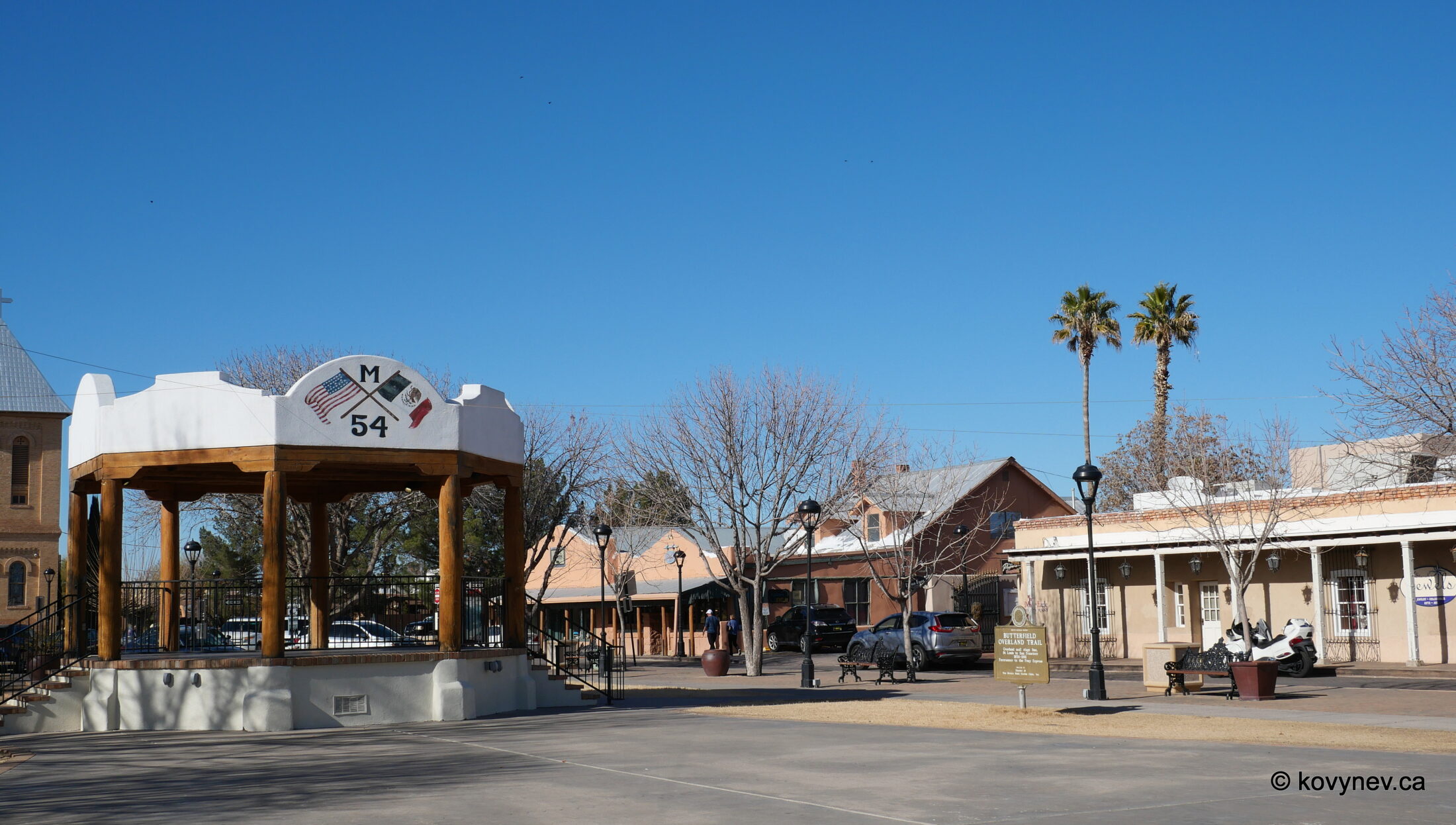
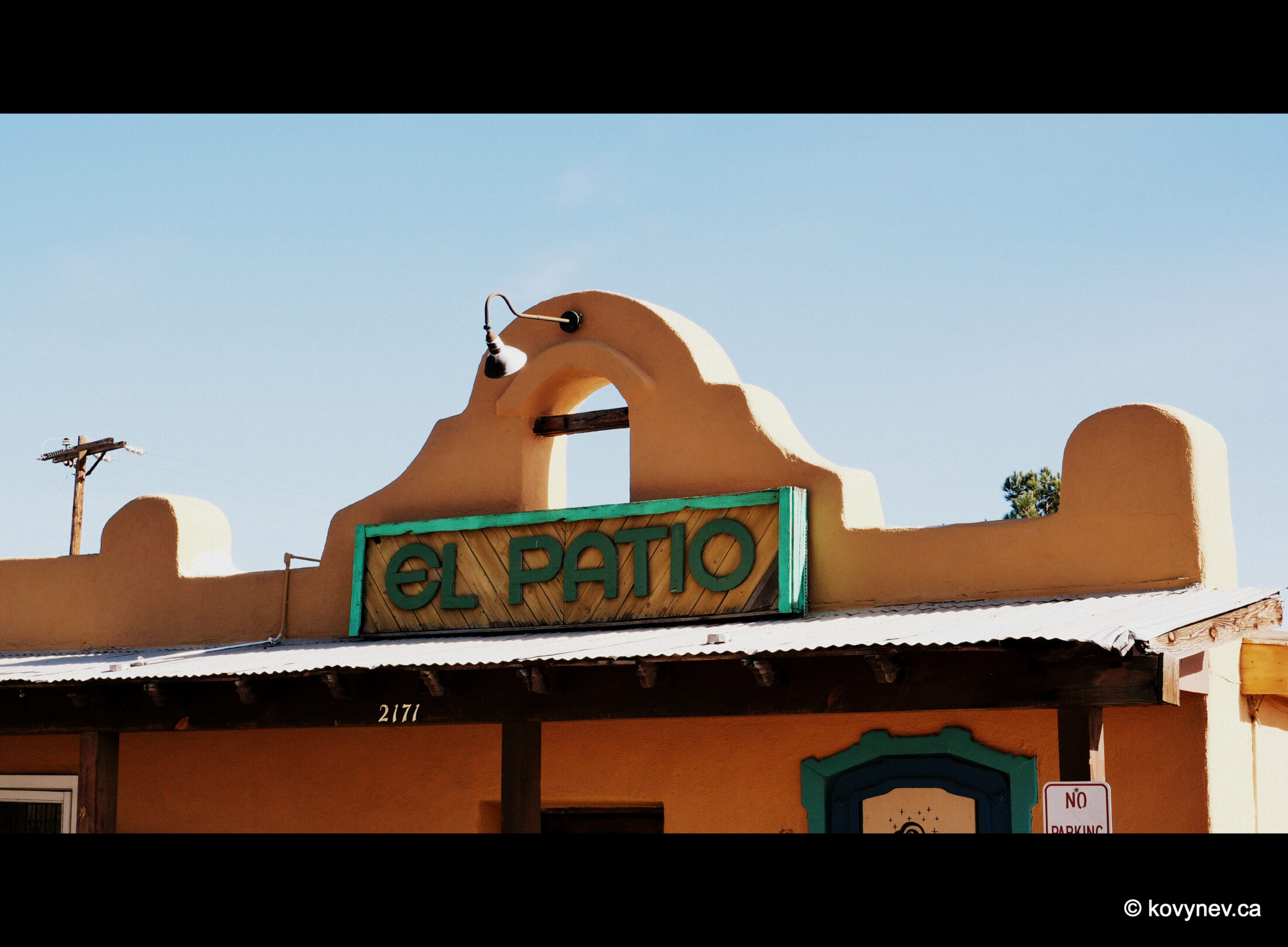
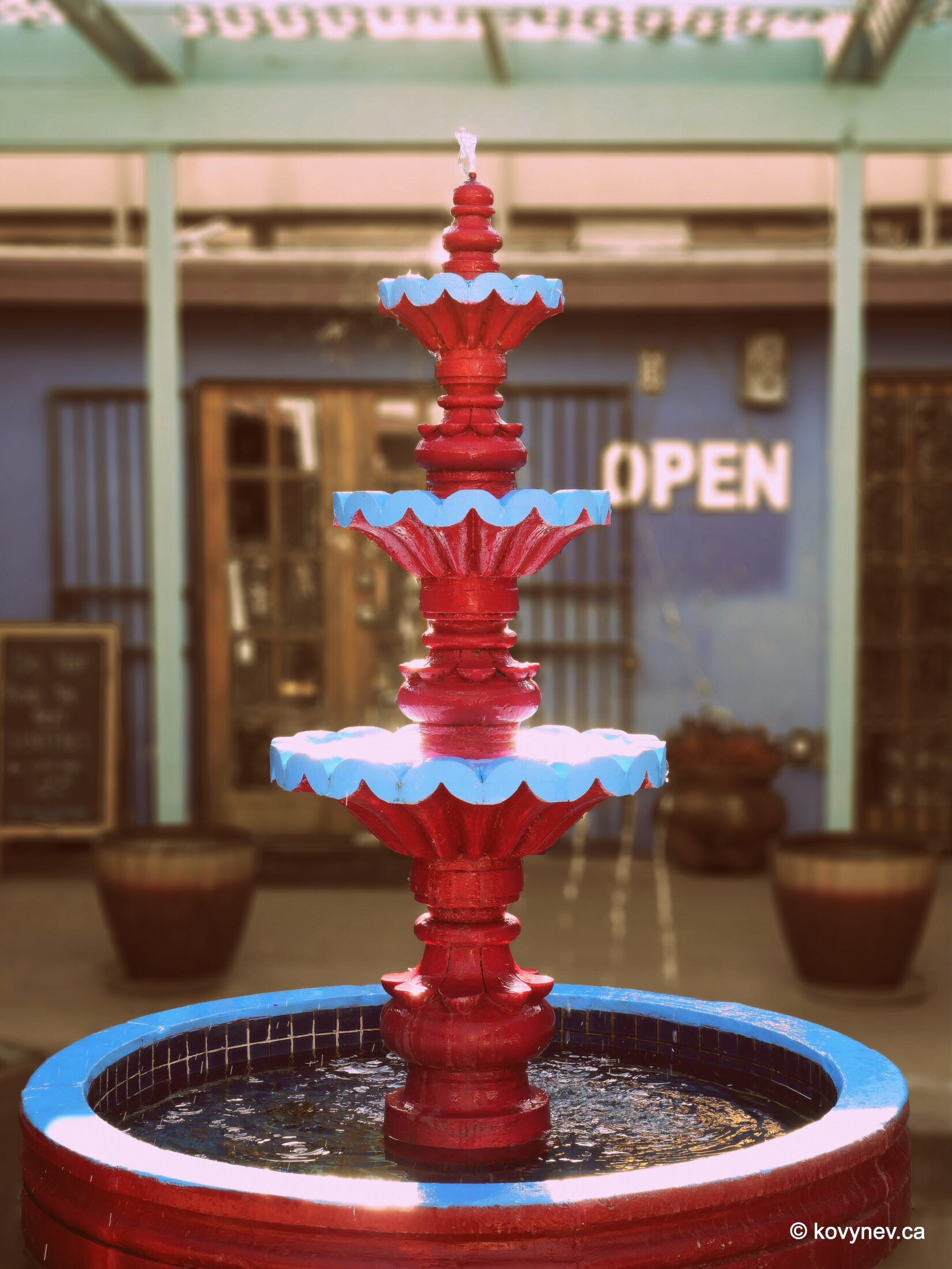
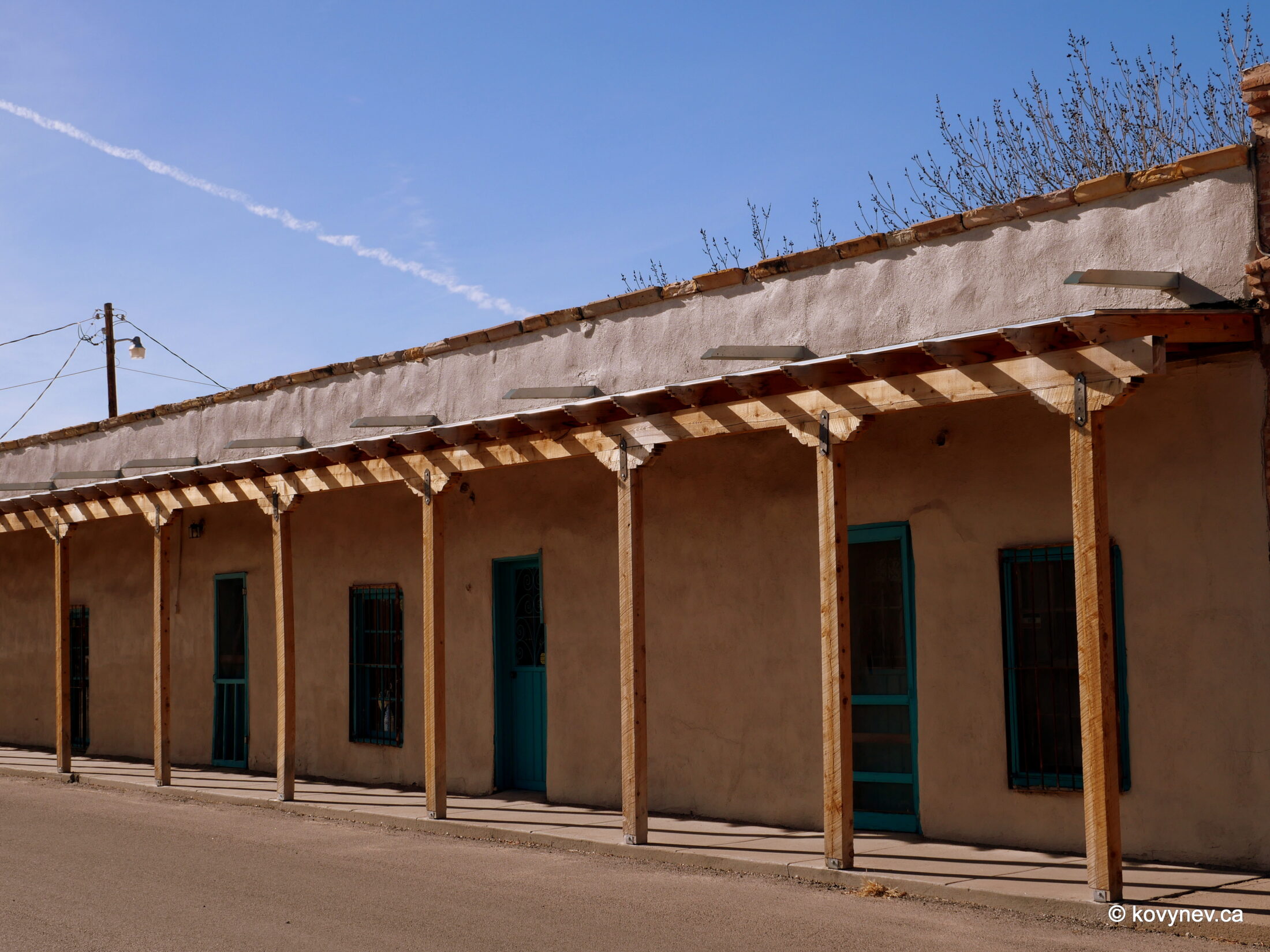
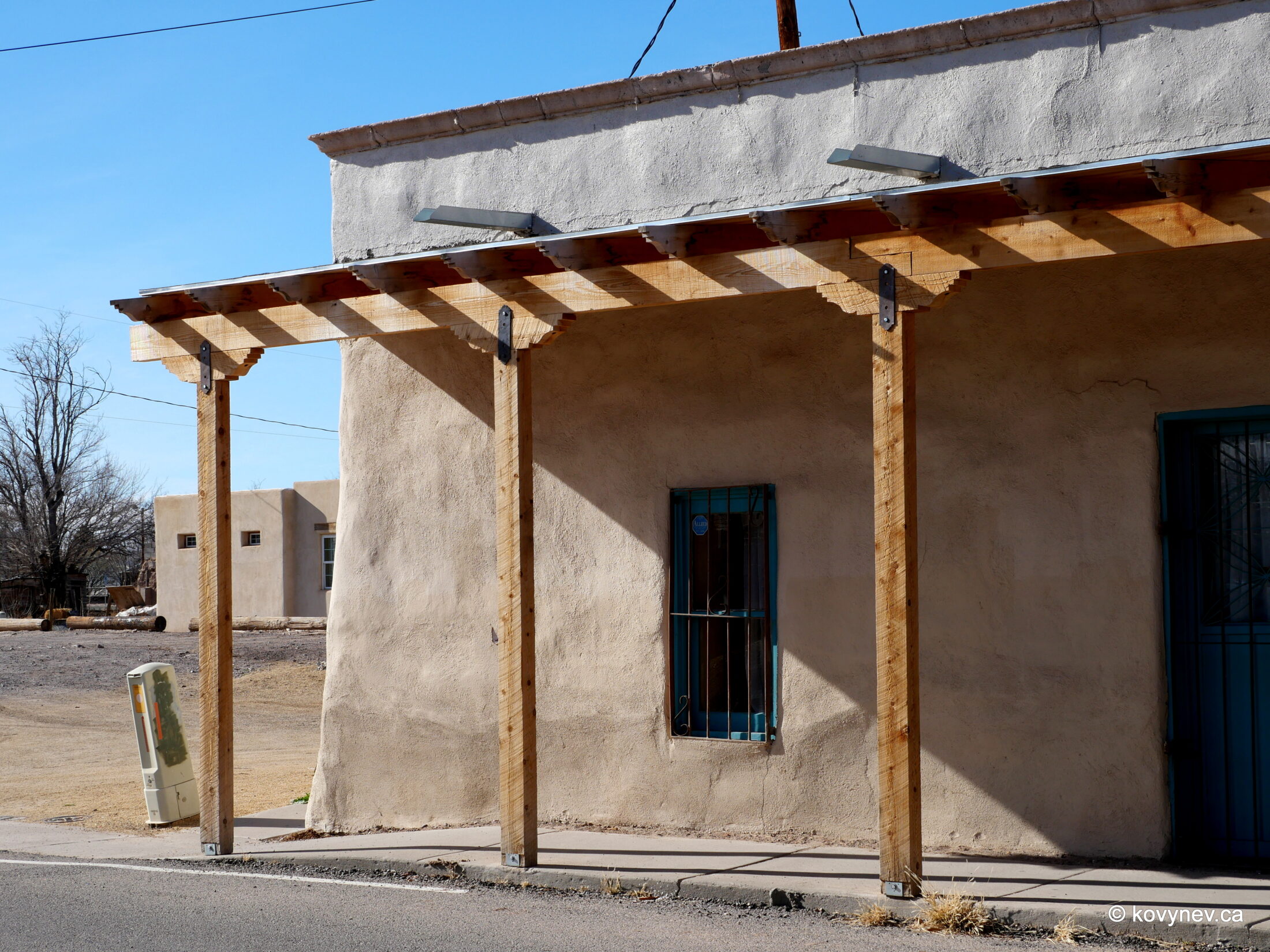
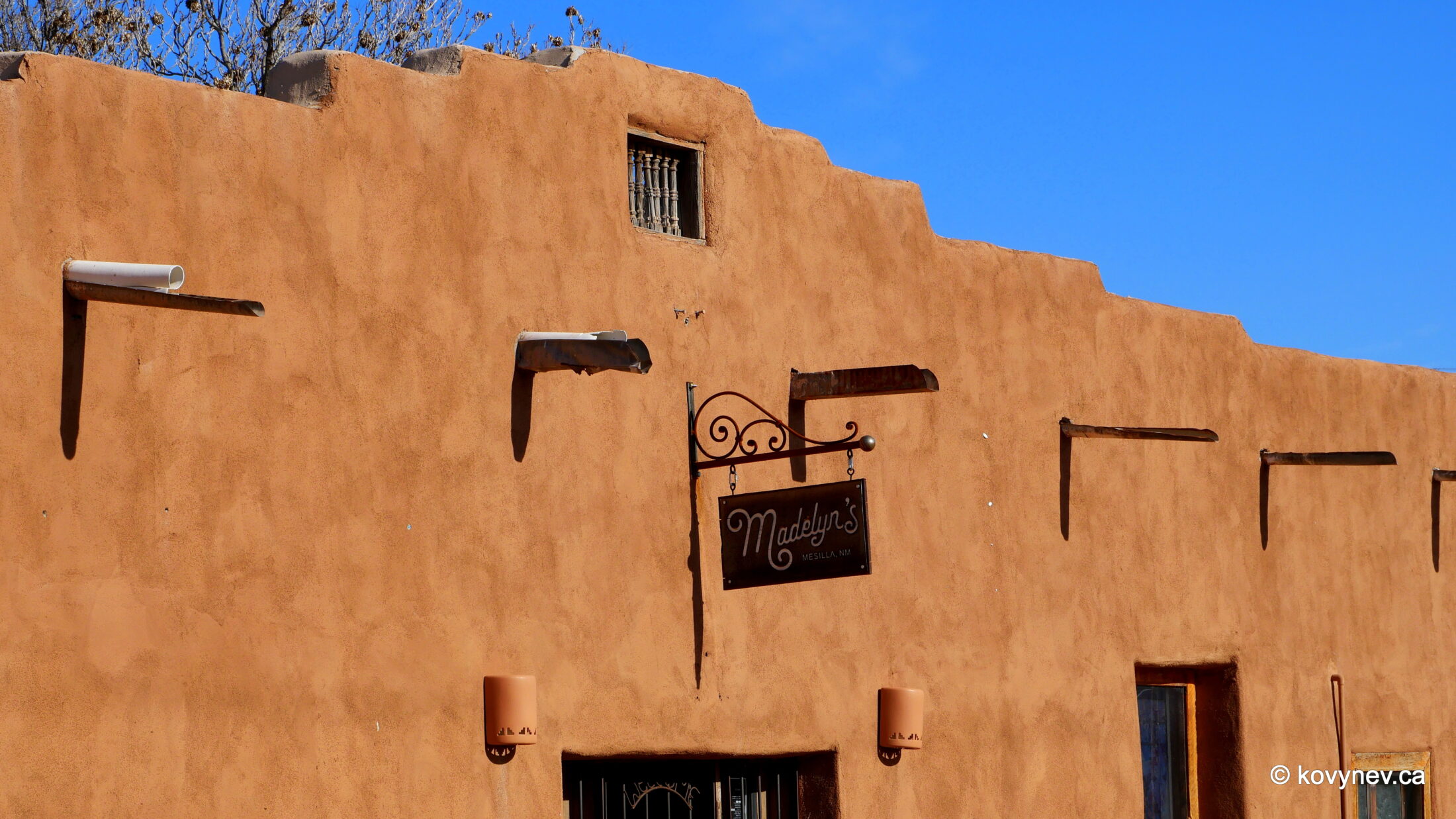
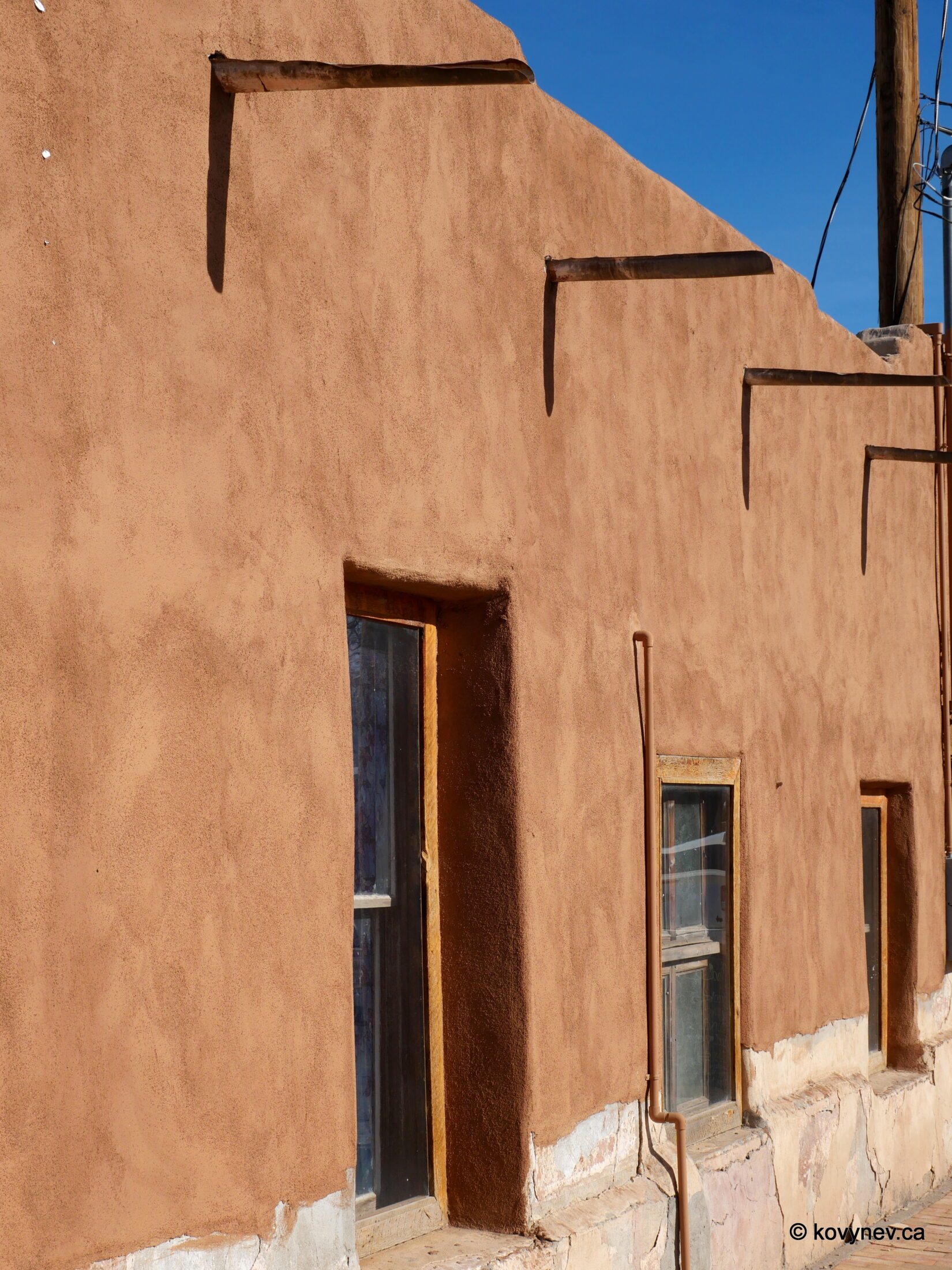
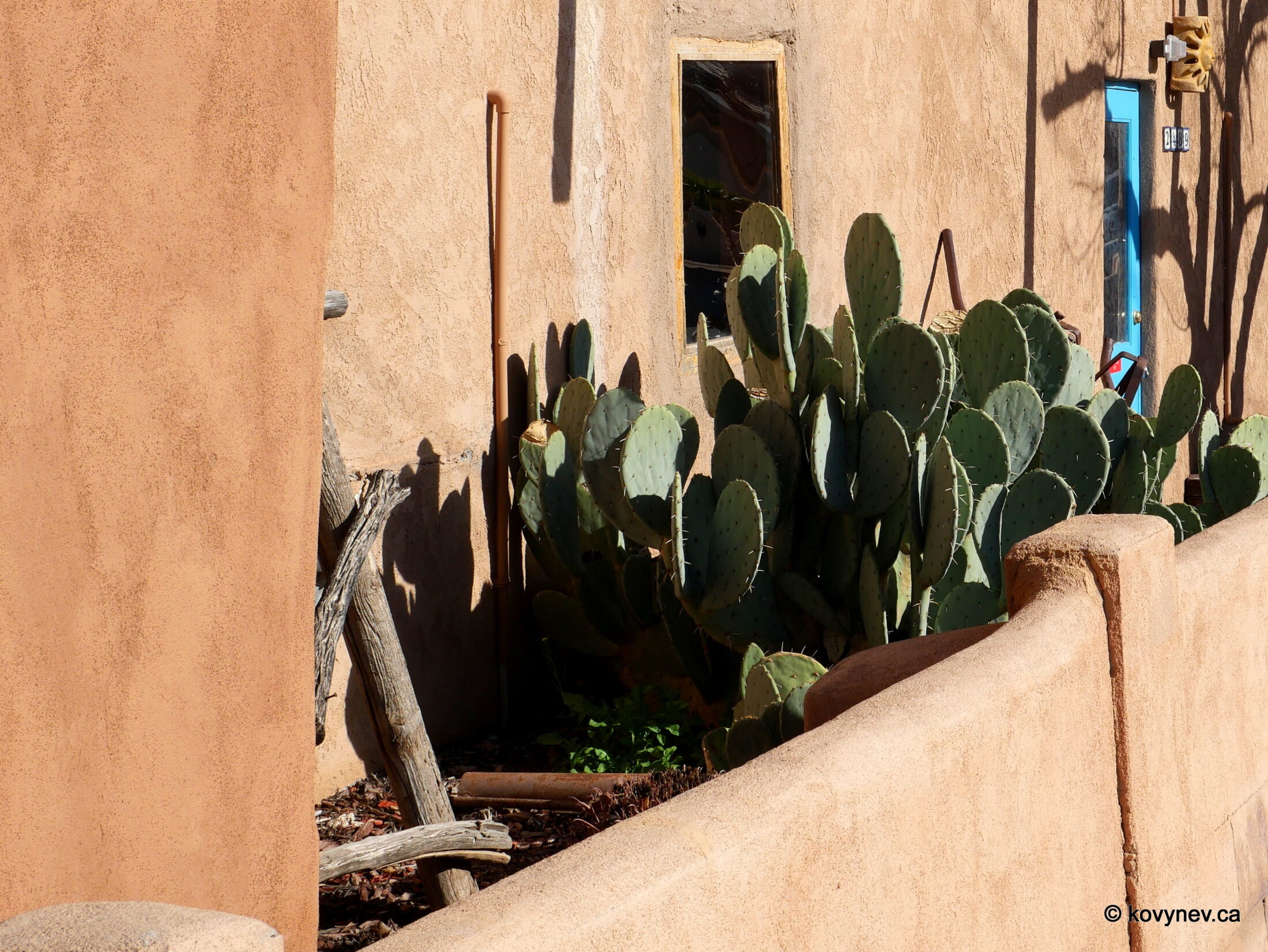
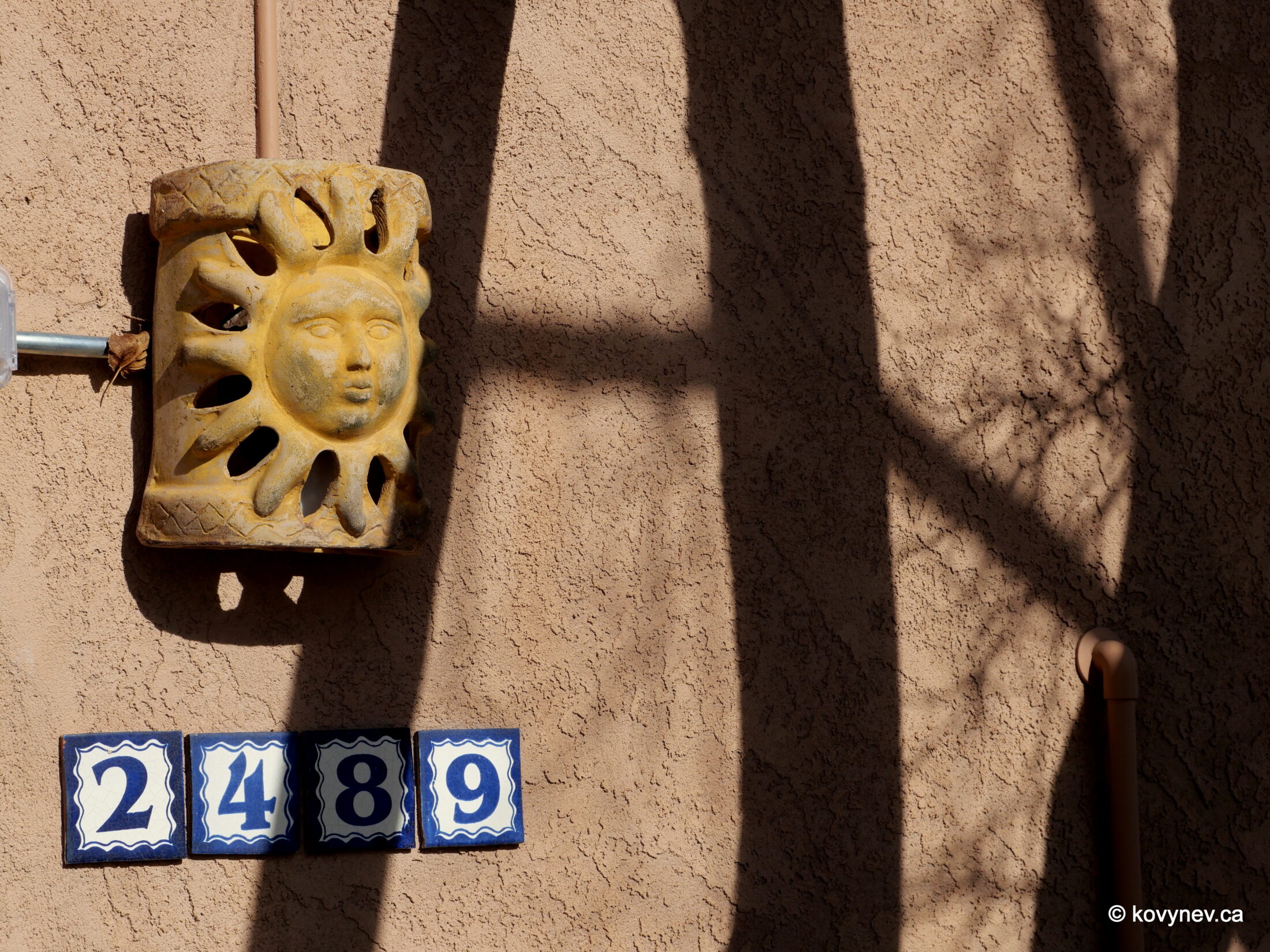
Another Spanish historic town worth visiting in New Mexico is Mesilla. It’s in the very south, right next to Las Cruces, the second biggest New Mexico city after Albuquerque. Despite its very modest size (barely more than 10,000 residents today), Mesilla played a prominent role in the acquisition of the southwestern American territories. Mesilla started as a Mexican settlement in the 1840s, and stayed in Mexico after the Mexican–American War of 1846–1848, when the country had to give up 55% of its territory to the US. (Like I said before, that annexation was so huge that now the ceded Mexican land accommodates California, Nevada, Utah, Texas, Arizona, and parts of New Mexico, Colorado, Wyoming, and Oklahoma). Yet then, Mesilla ended up on the Mexican side – the new border was drawn just to the north of the town. But a few years later, the Americans wanted more – they needed a swath of land south of the border for a new transcontinental railroad. So, on June 8, 1854, the Treaty of Mesilla was signed (in Mesilla, obviously), when the US bought 30,000 square miles of Mexican land for $10 million. Mesilla was part of that purchase, and since then, it’s an American town. But it’s never forgotten its Mexican roots.
NIKONCOOLPIX S9300 22mm
/ 5.7
/ 10/1000s
/ ISO 125
Created: 125
Uploaded: 125
Likes: 125
Views: 125
Comments: 125
-1
-1
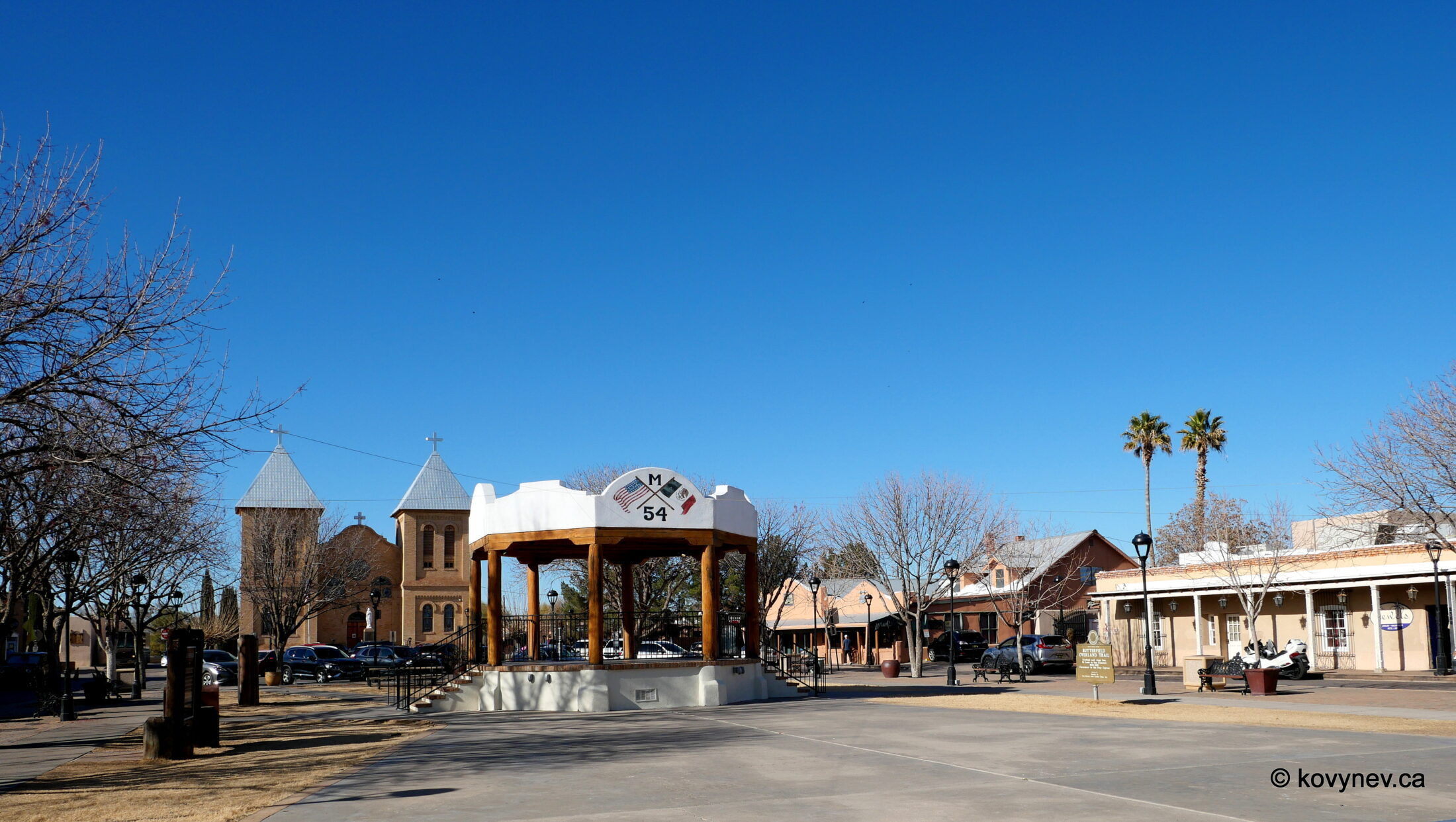
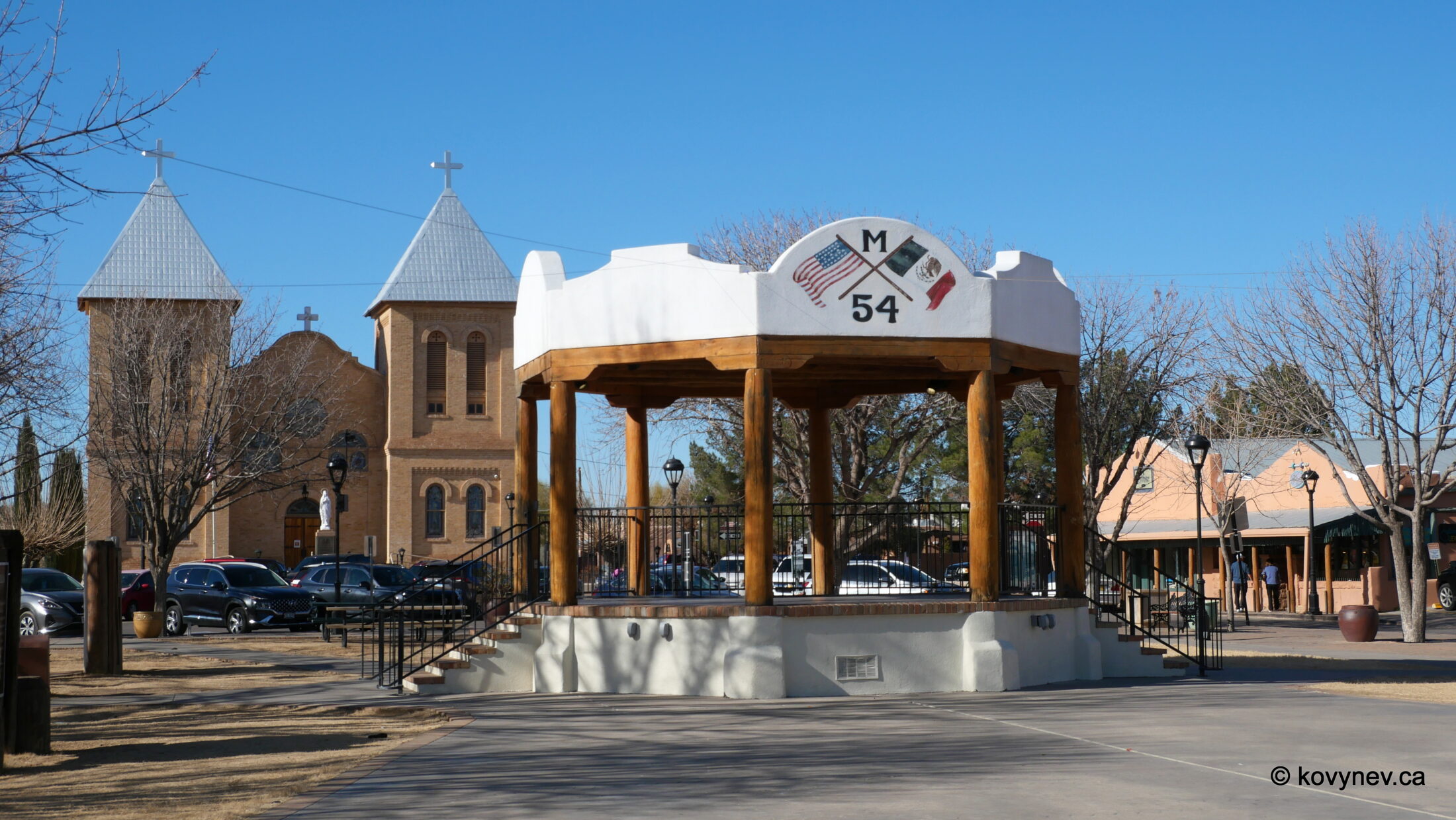
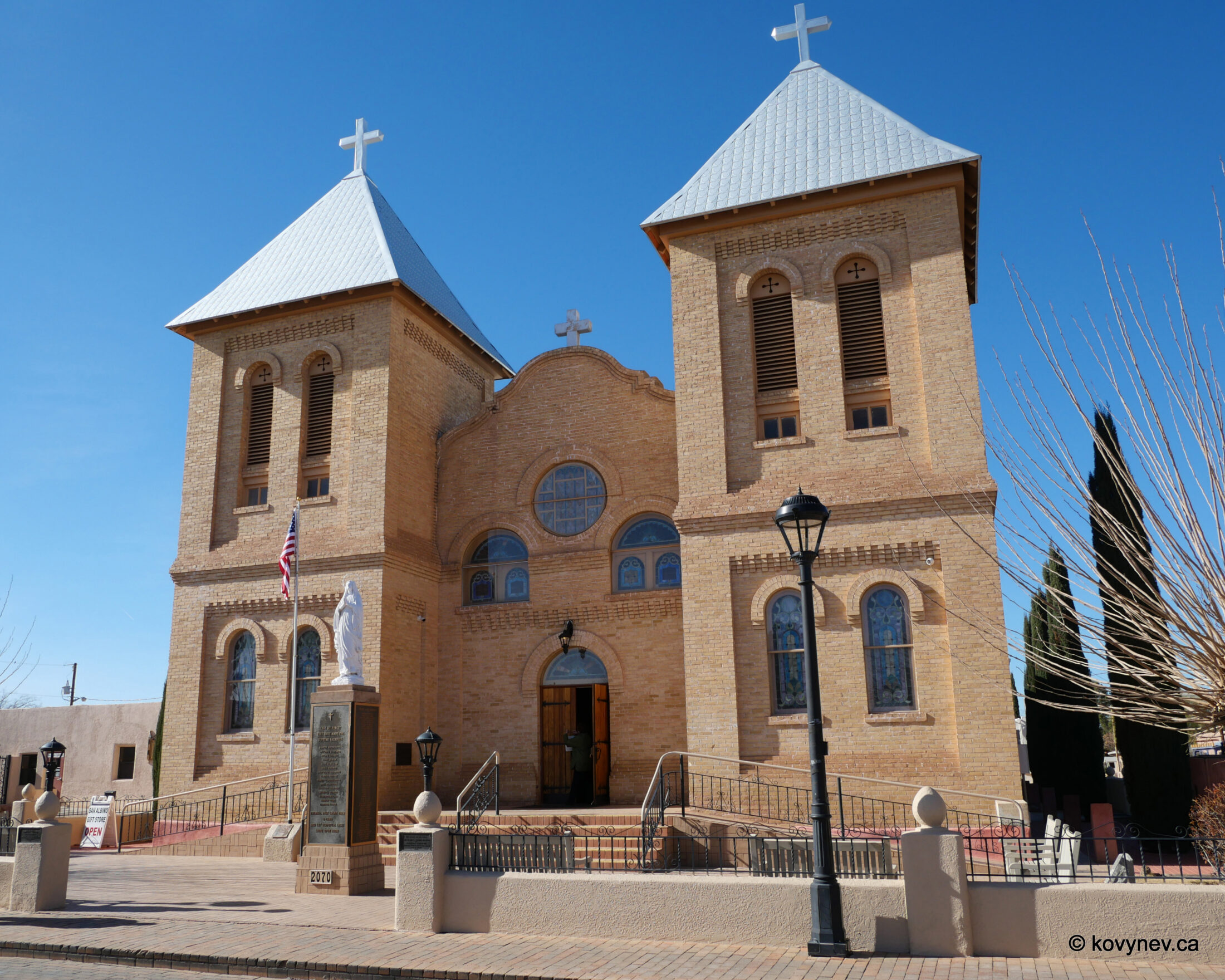
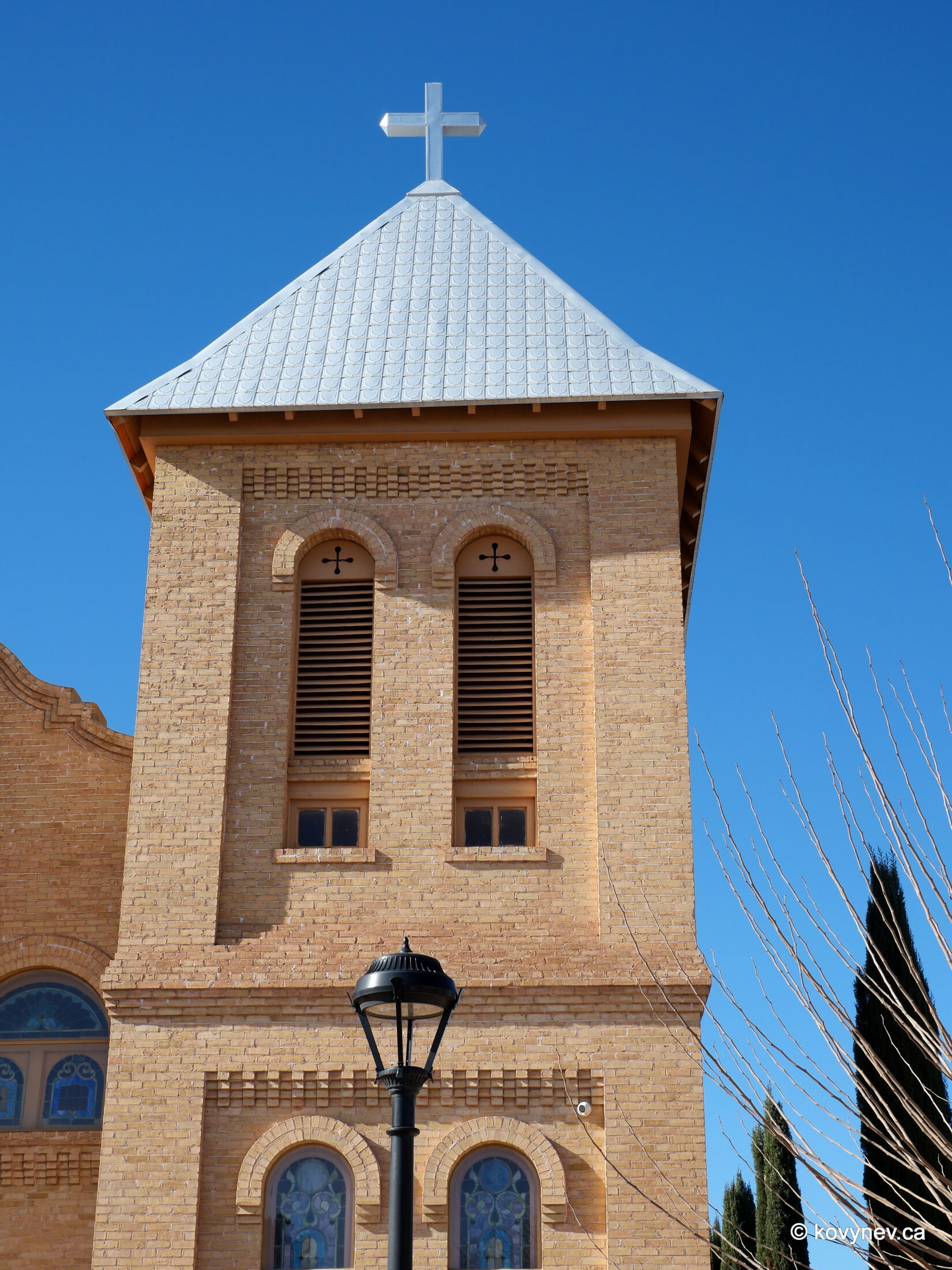
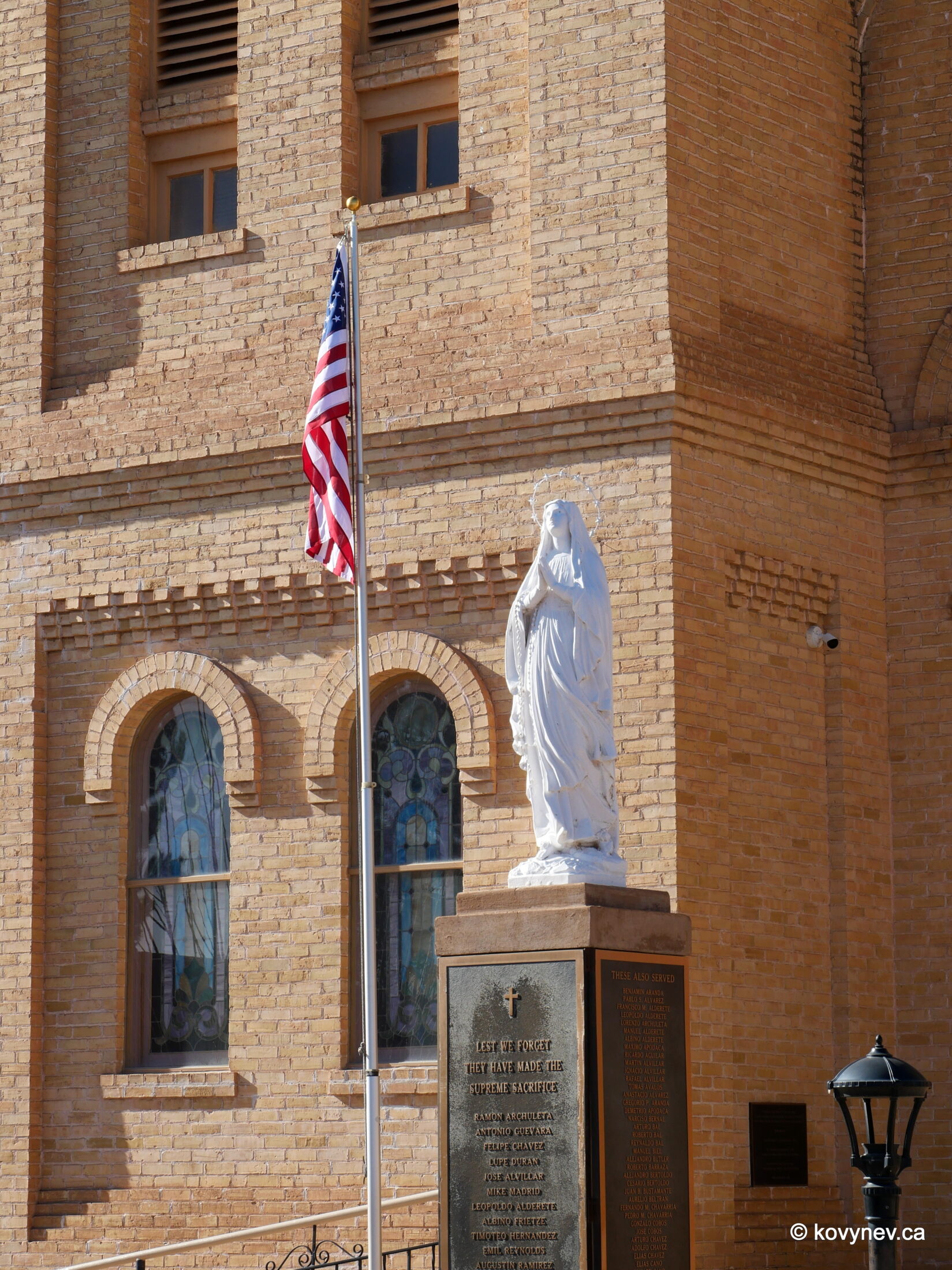
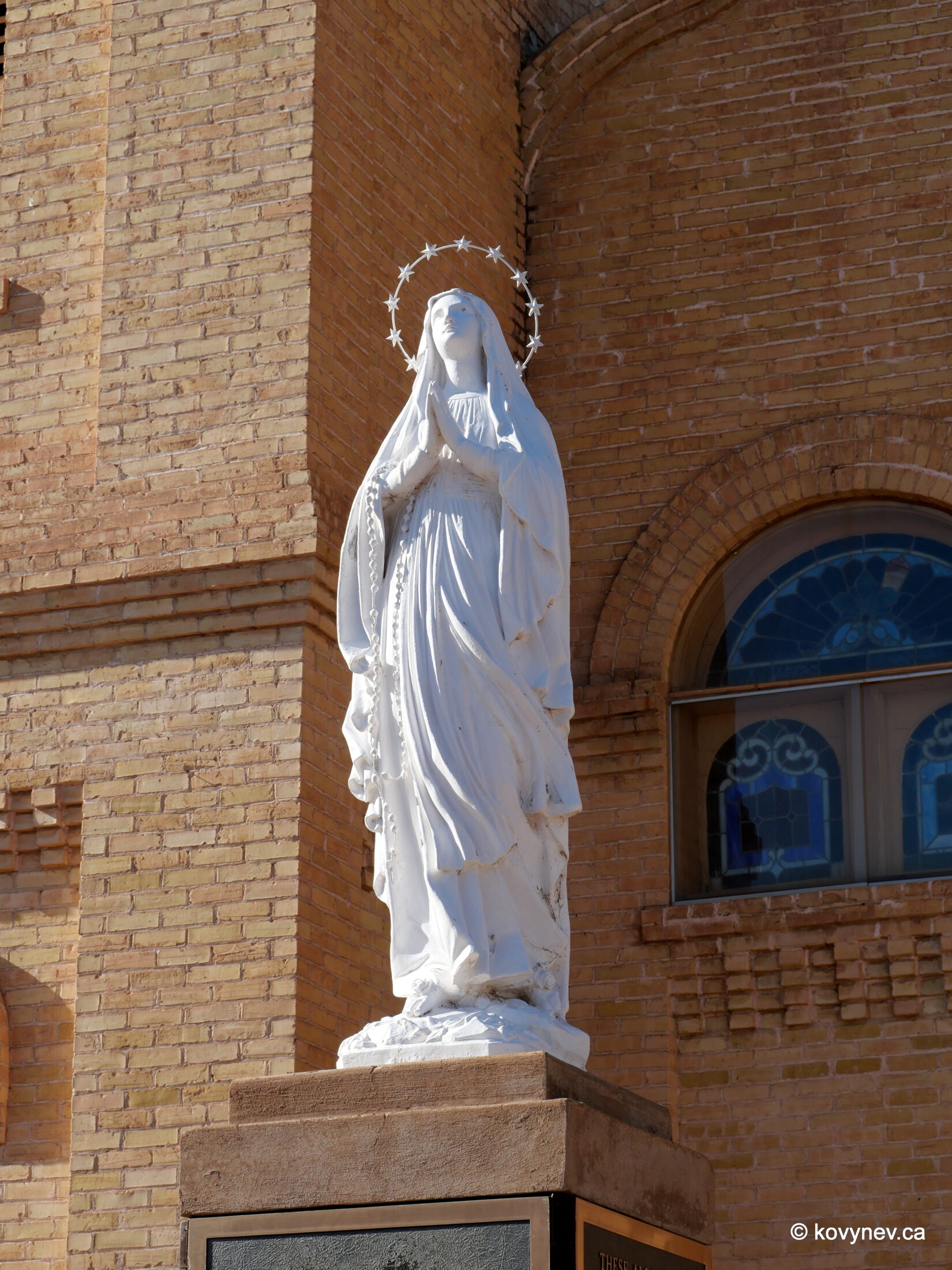
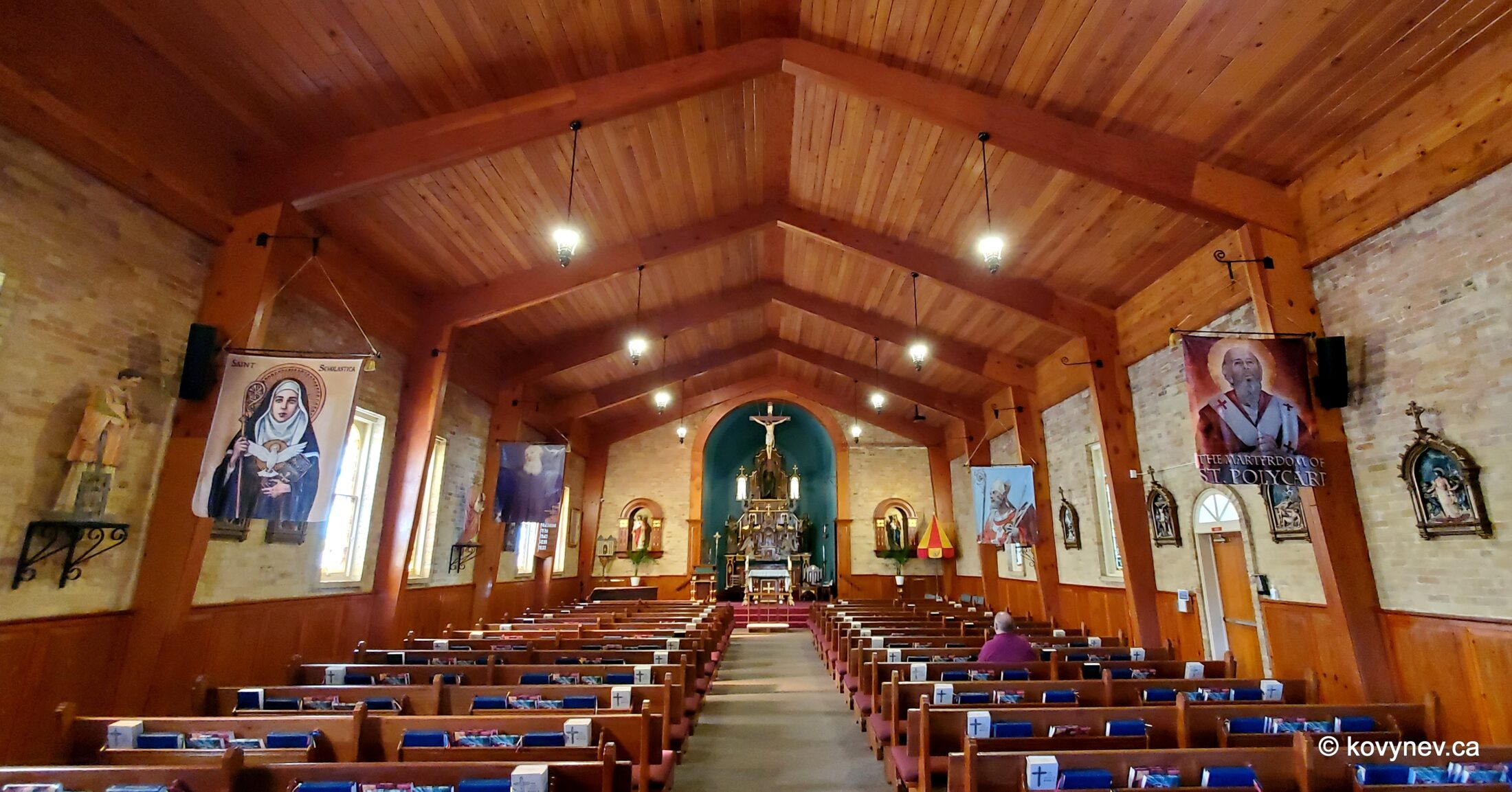
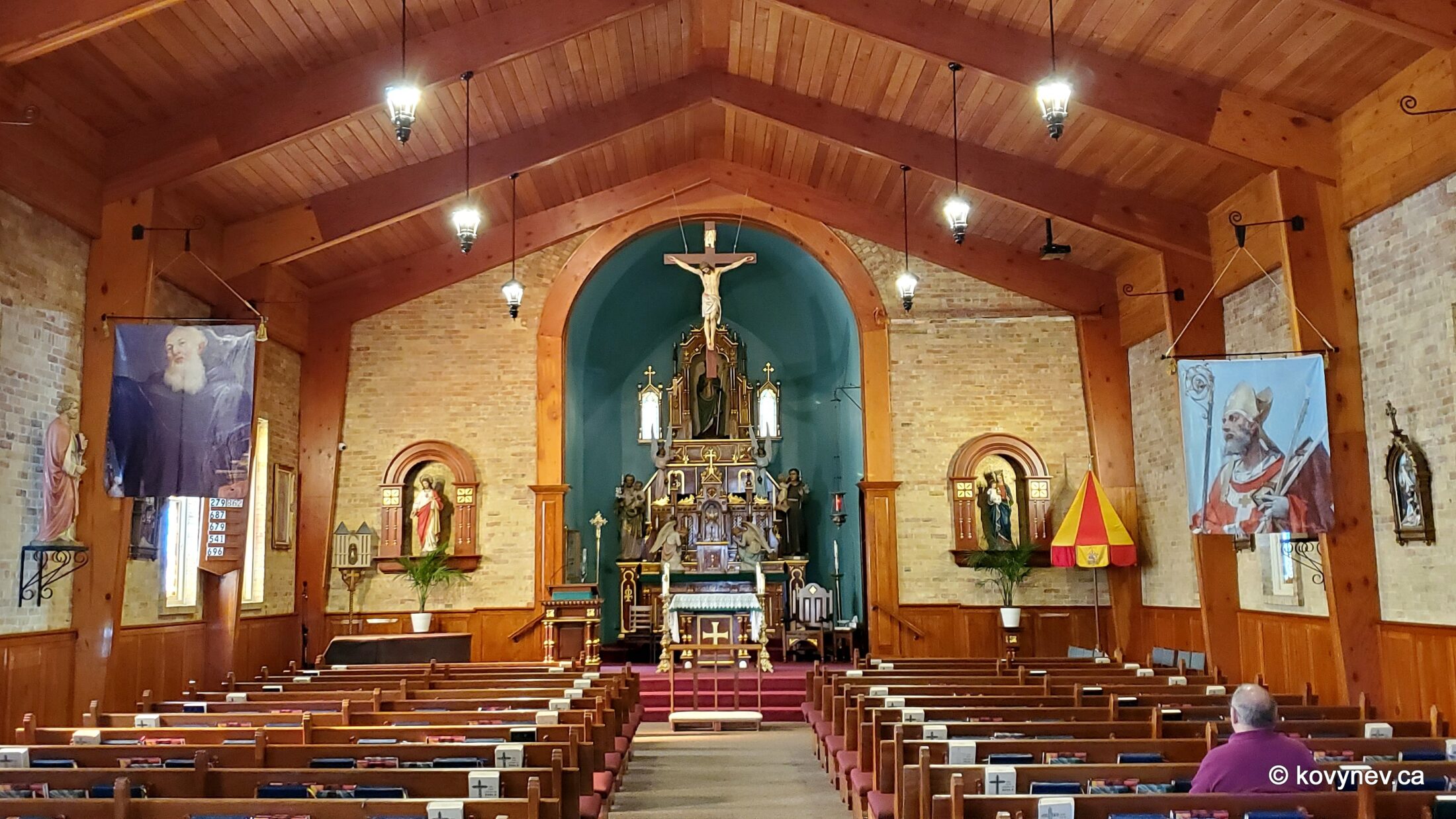
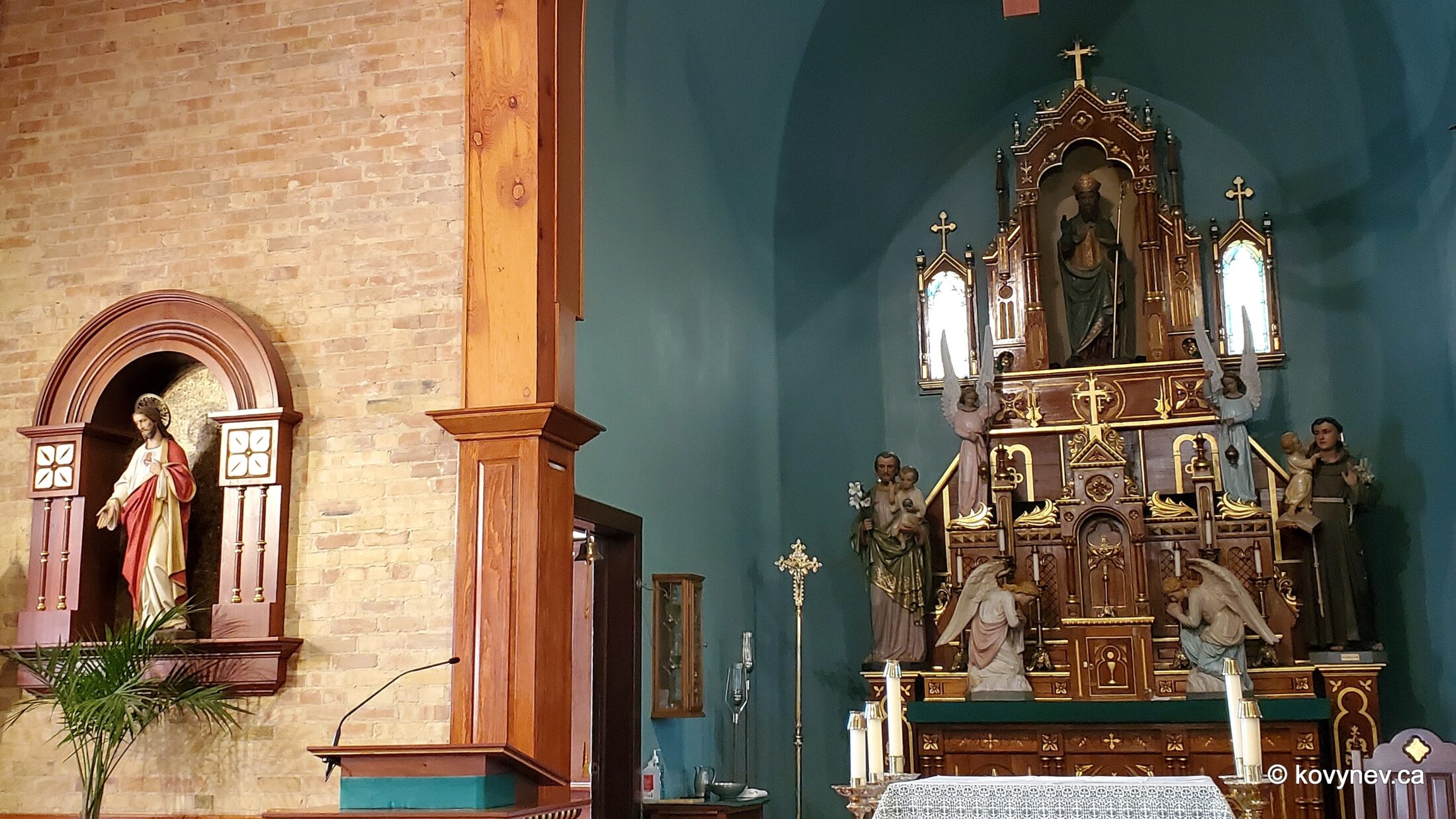
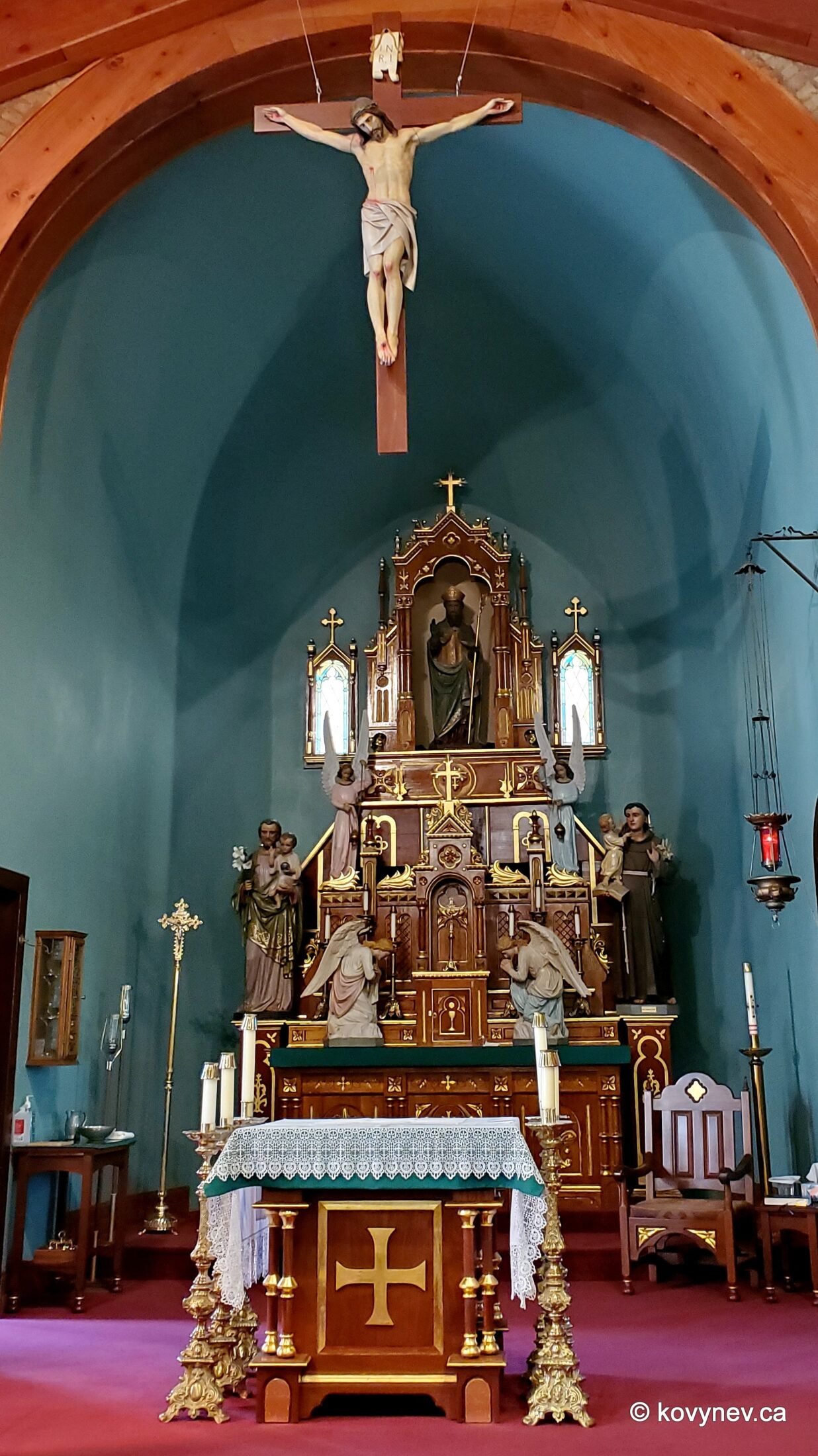
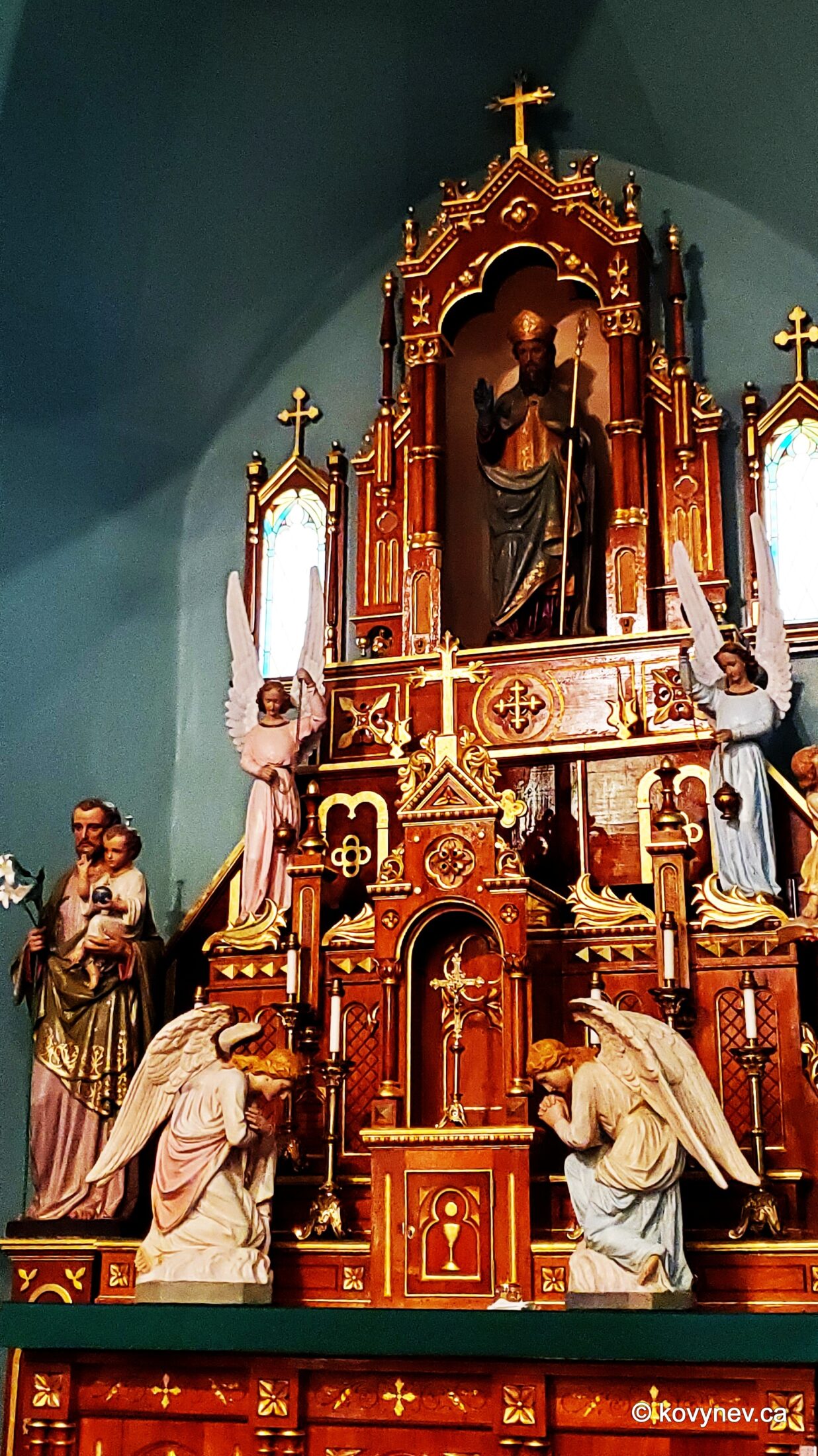
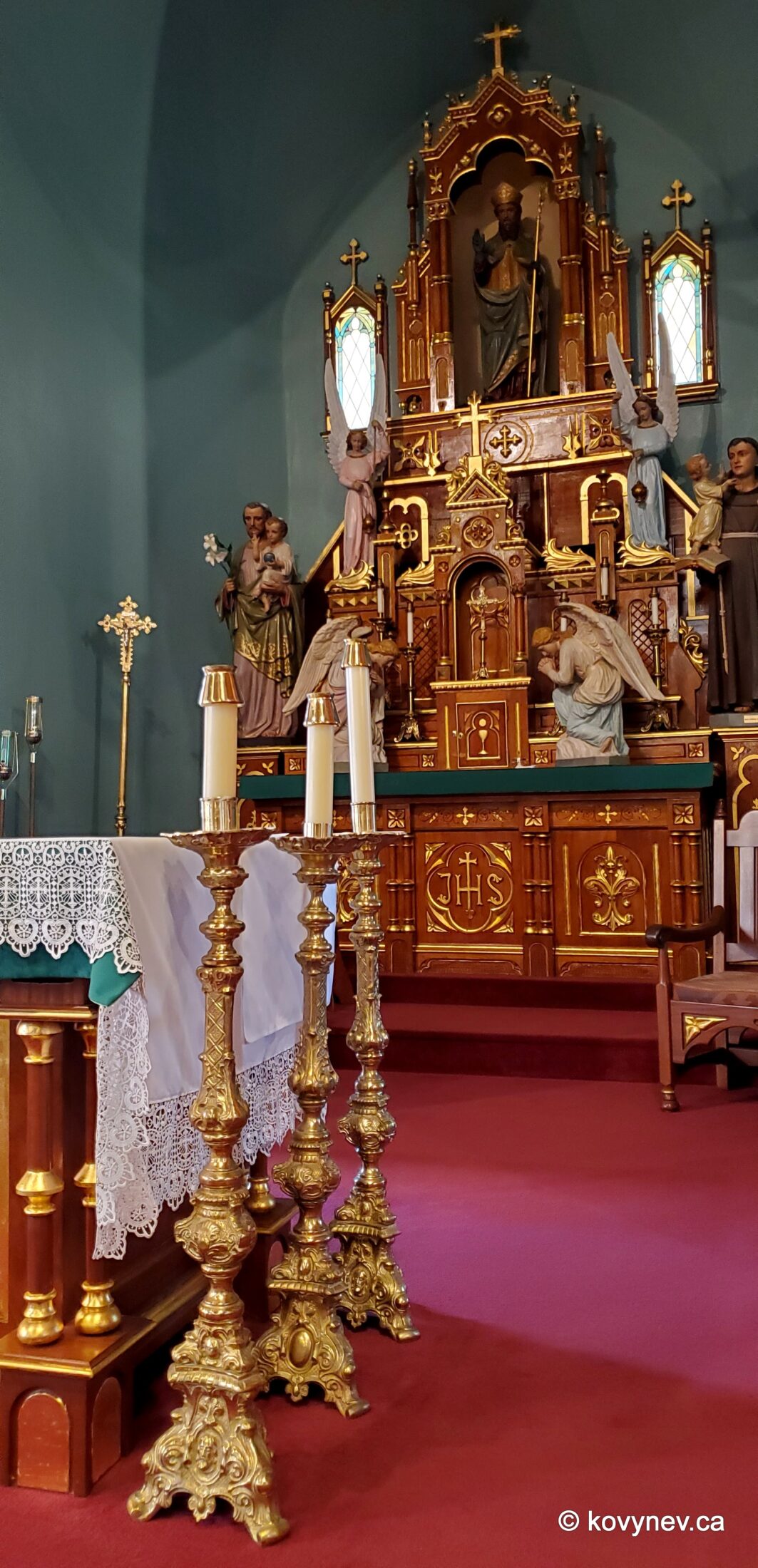
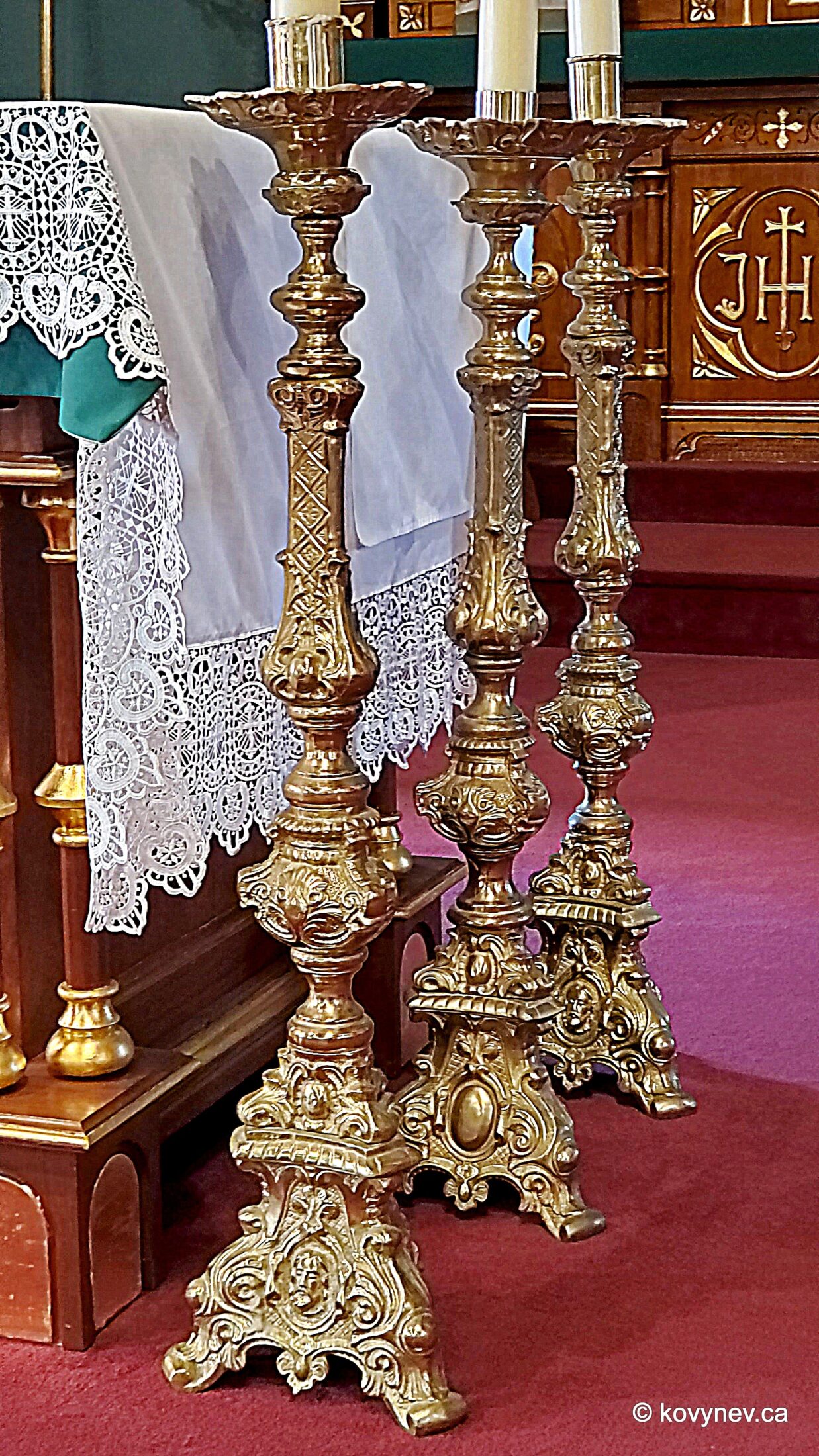
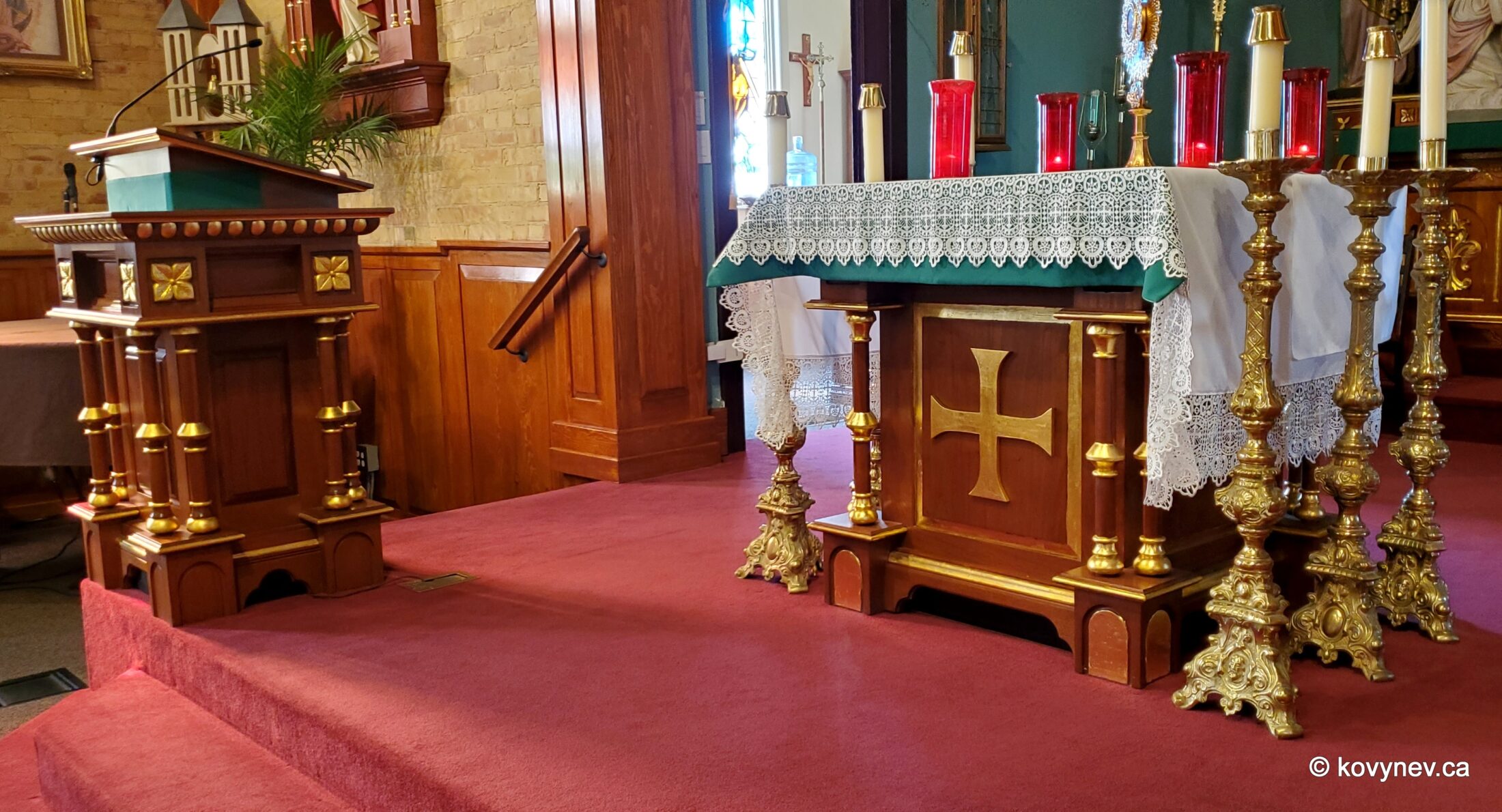
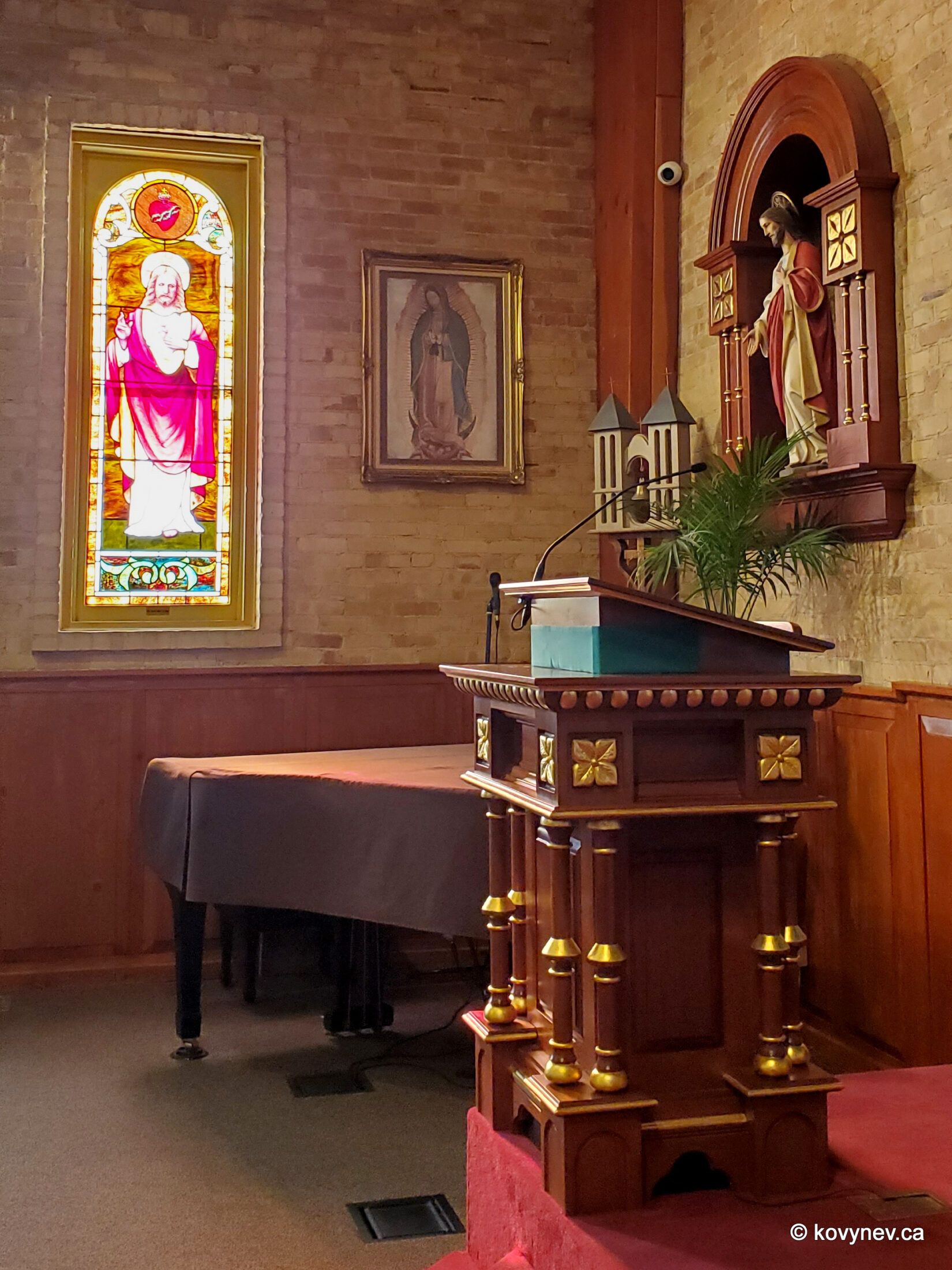
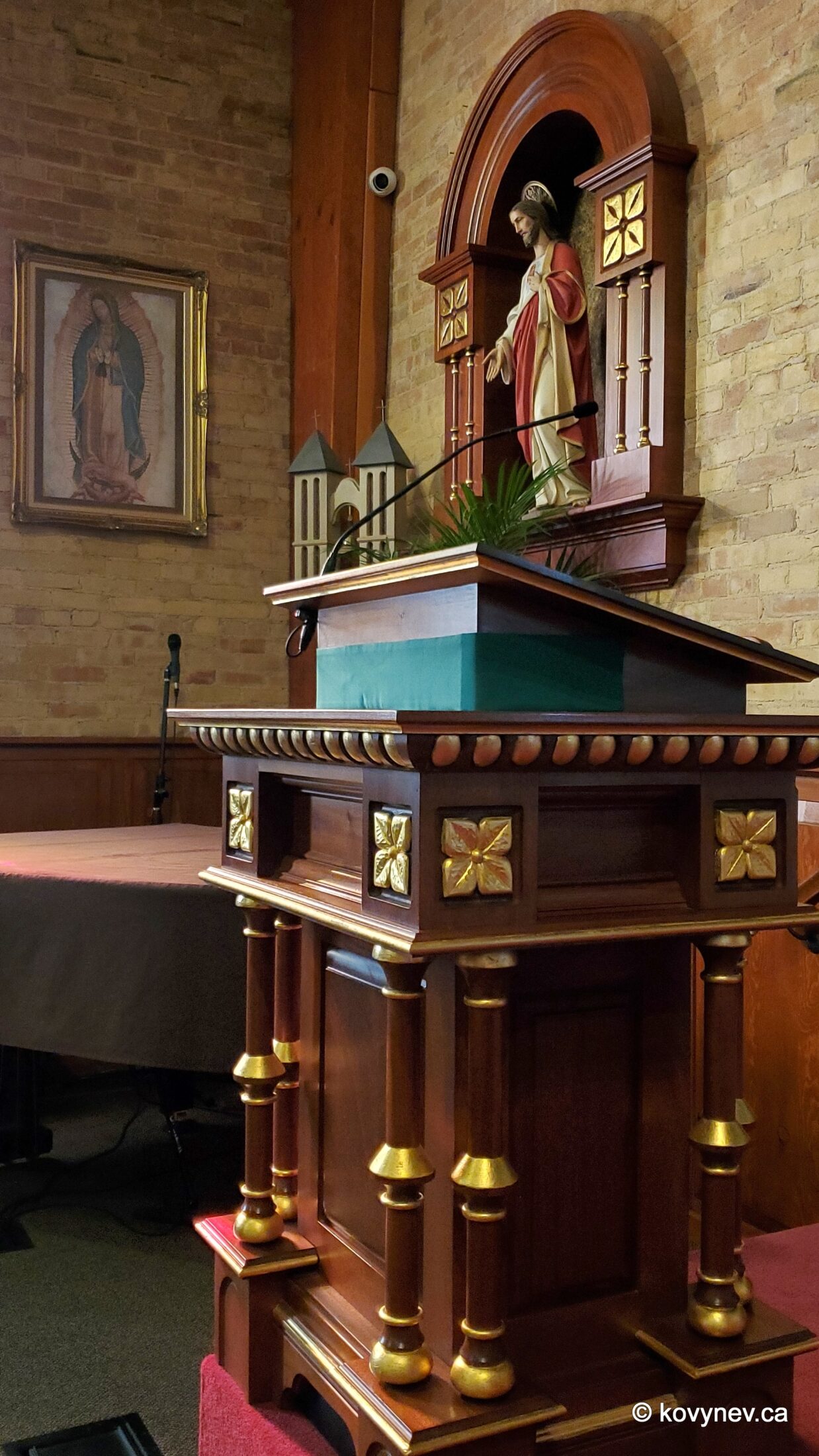
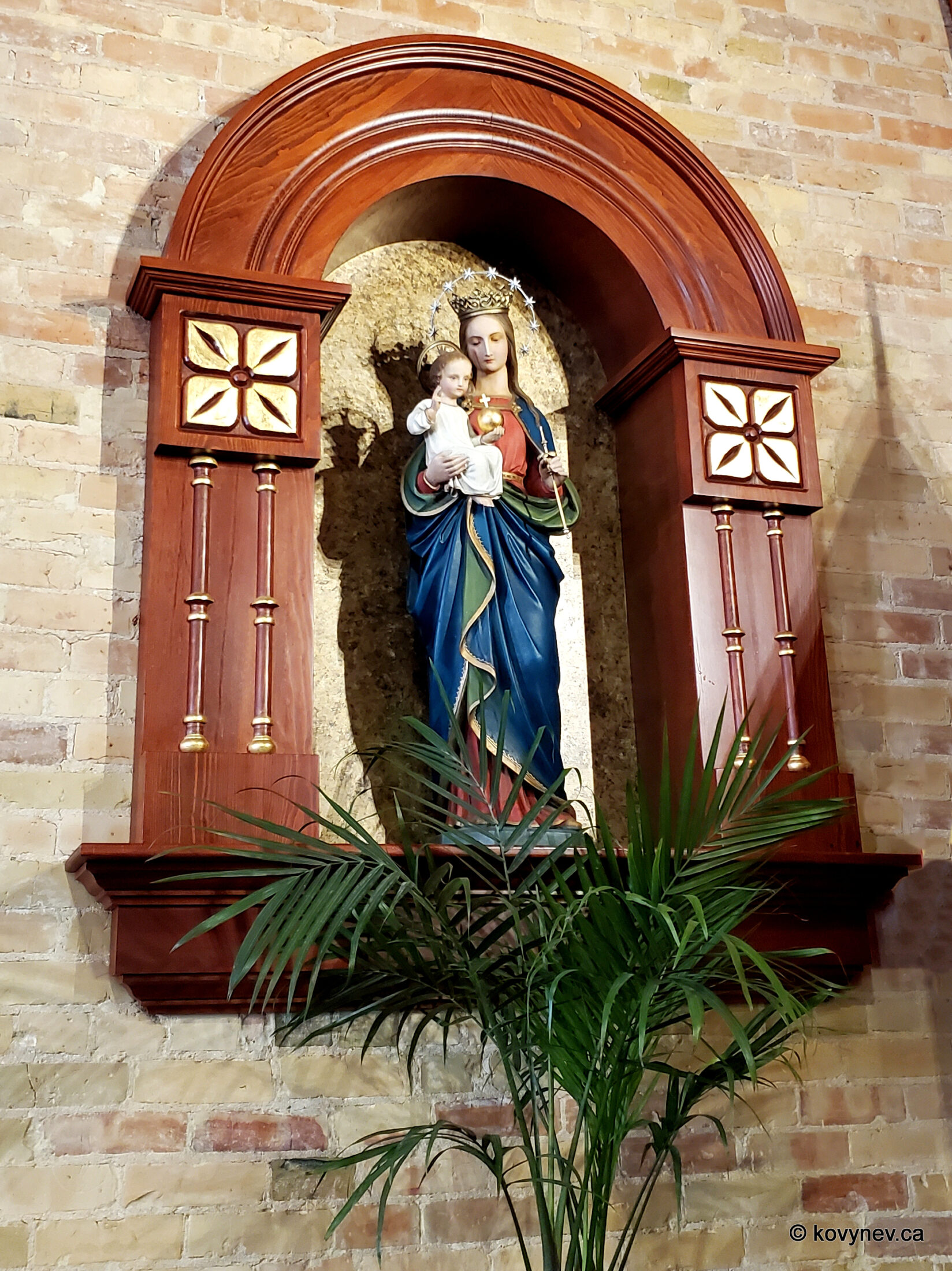
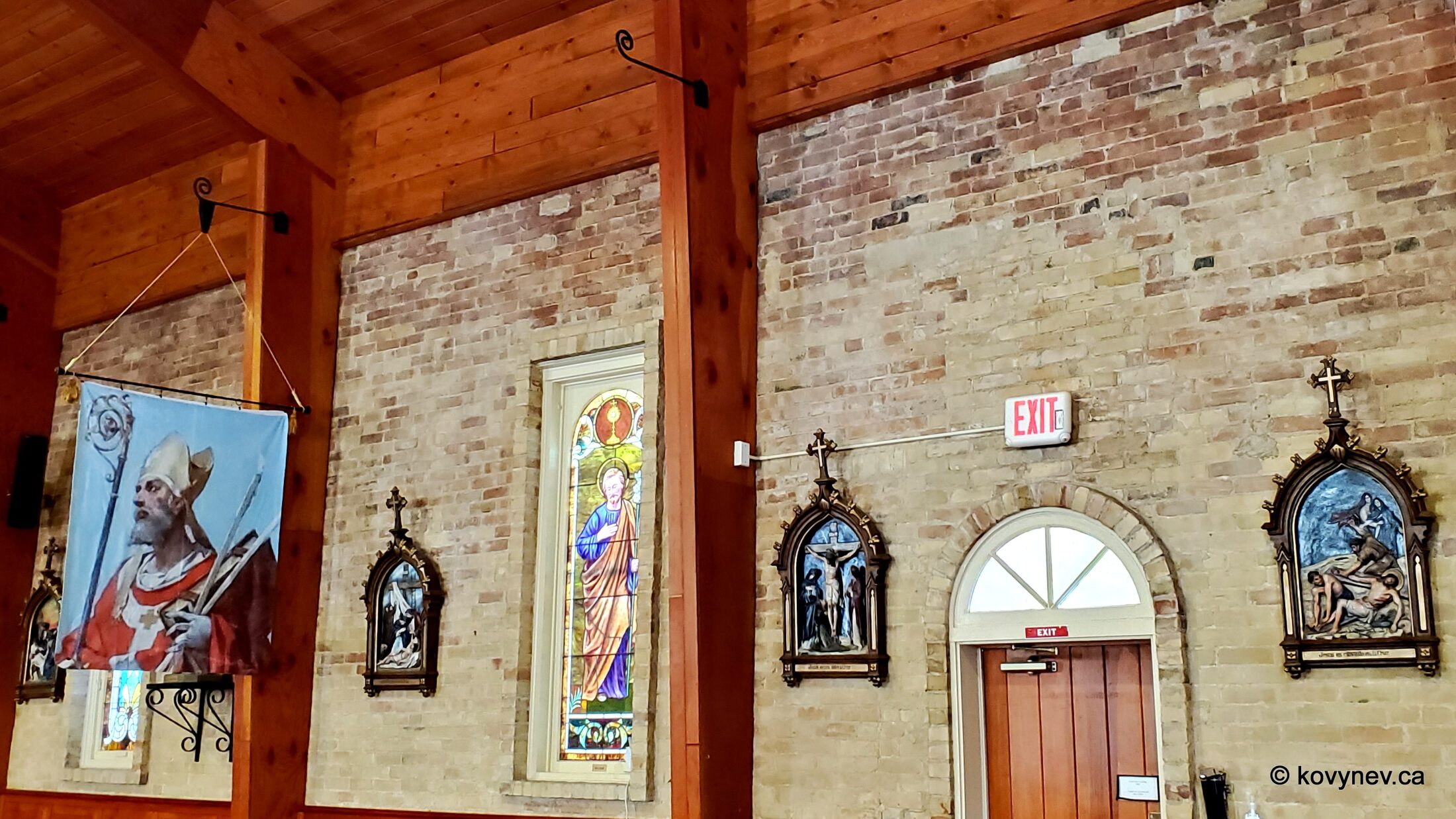
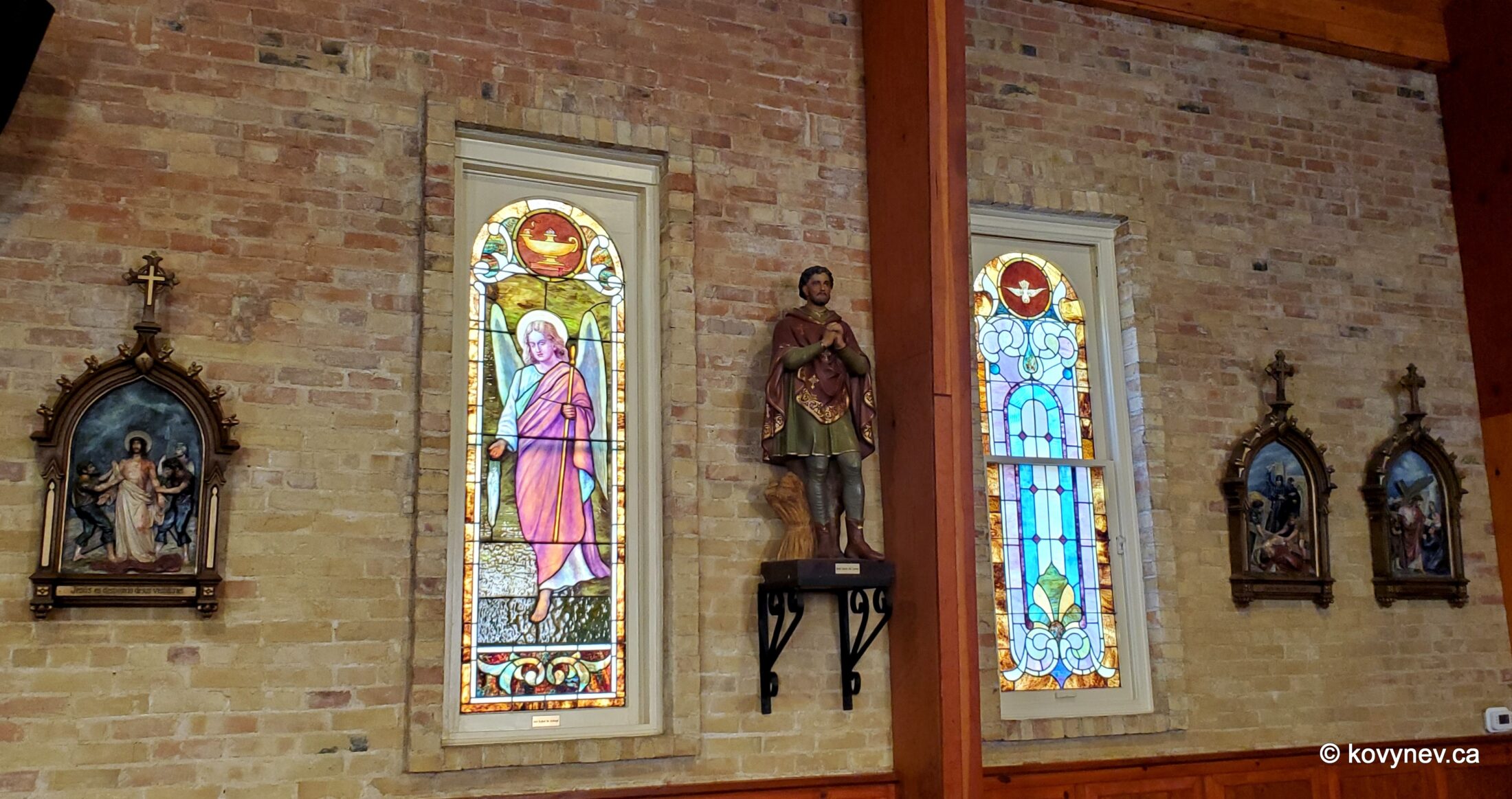
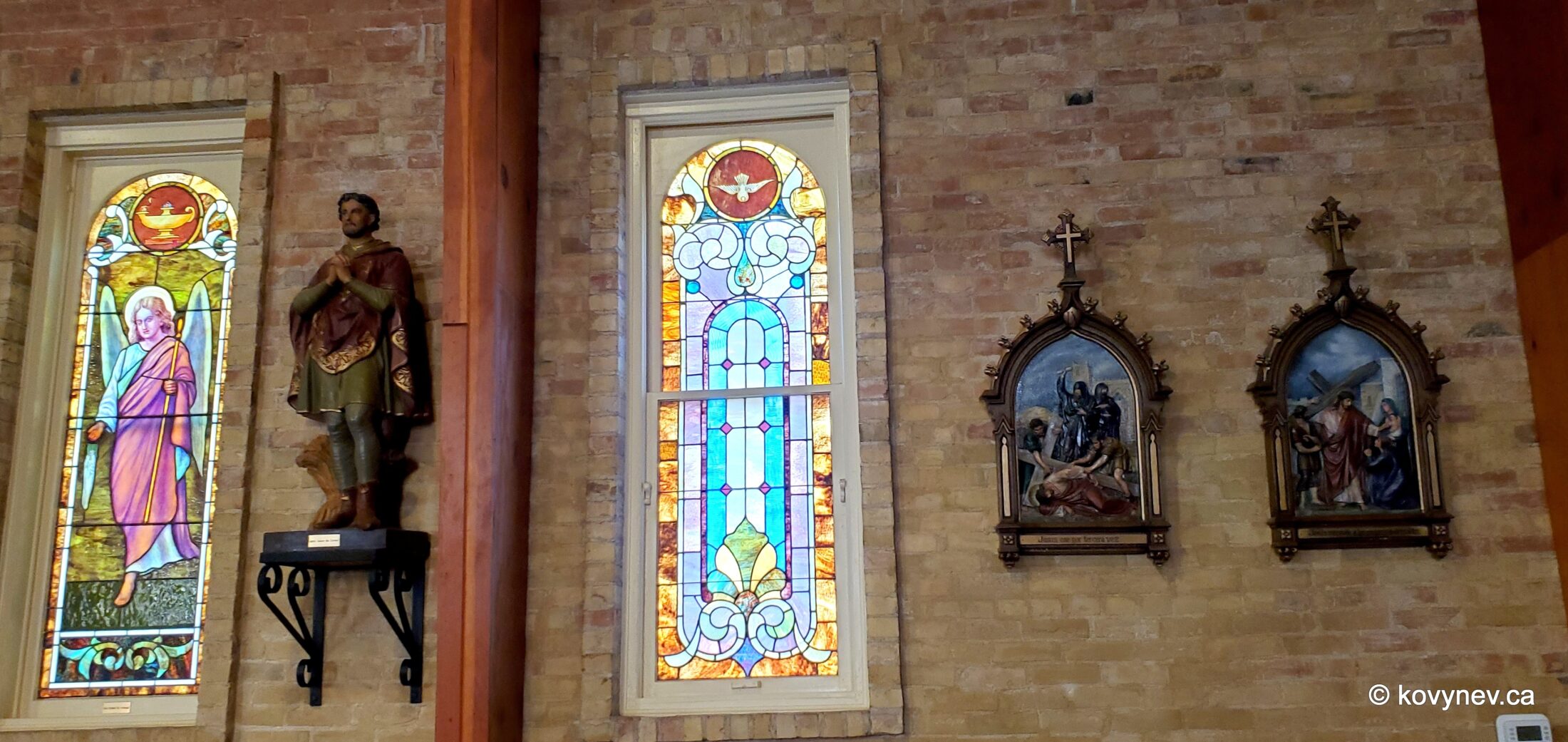
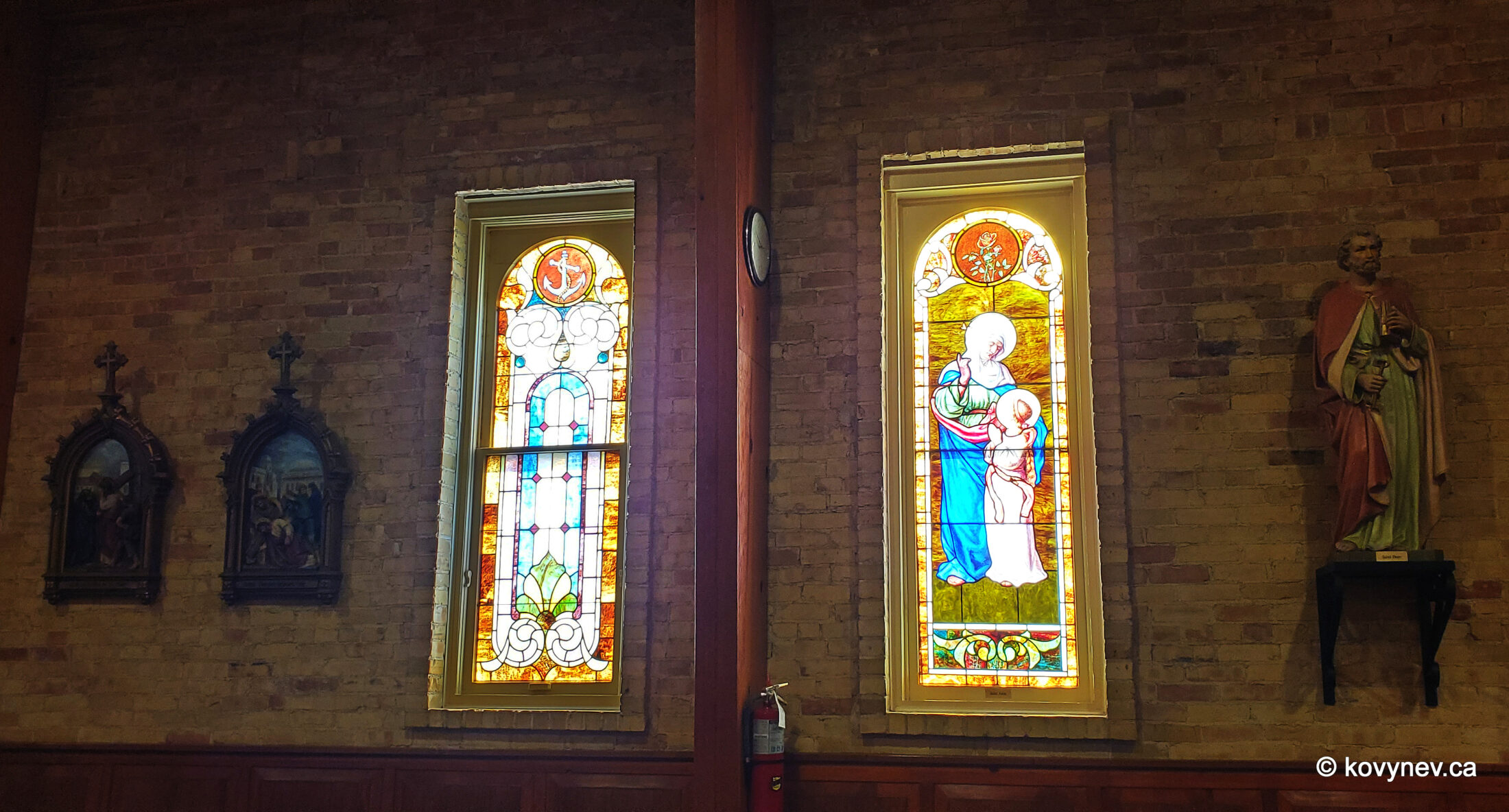
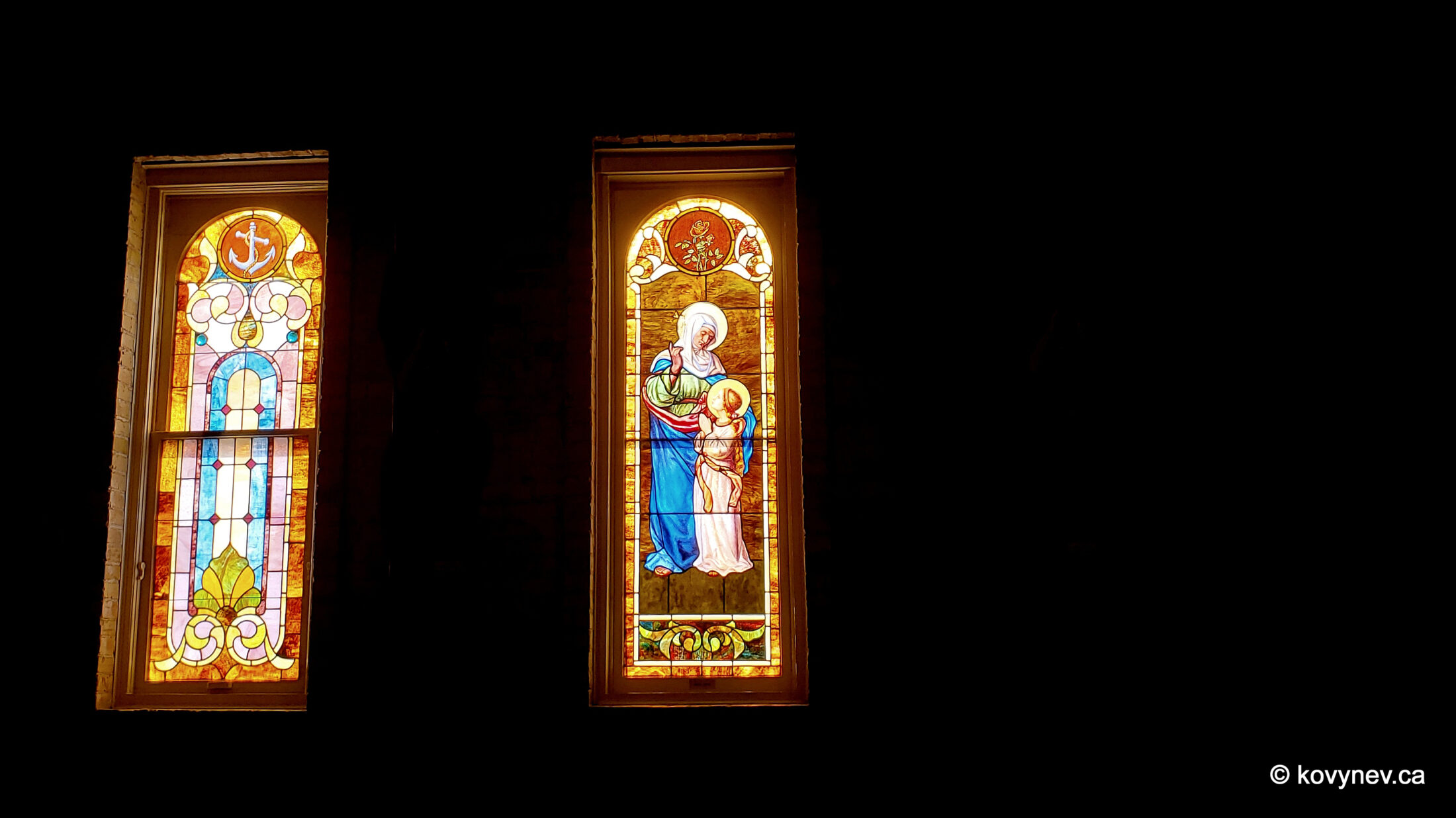
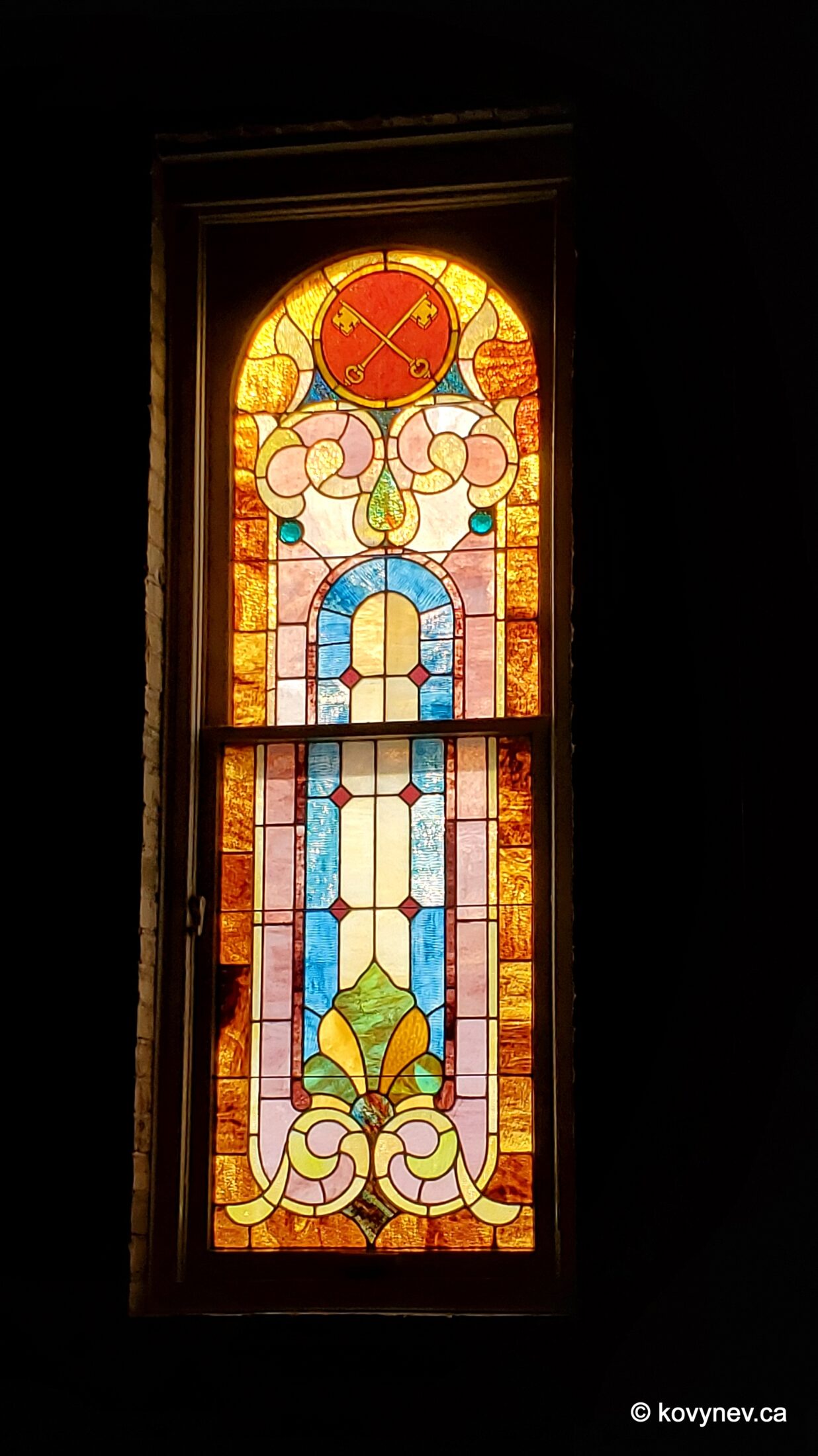
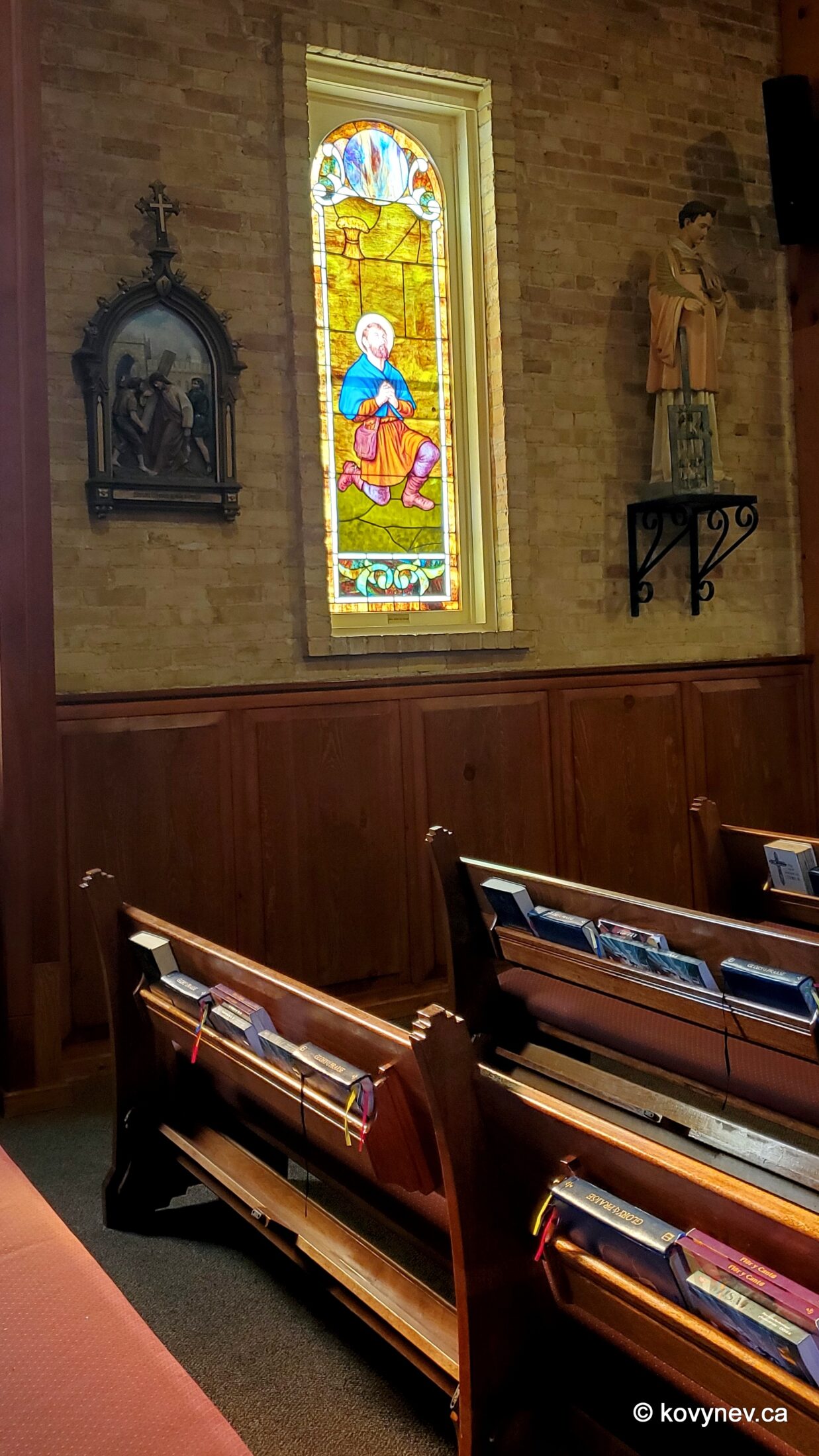
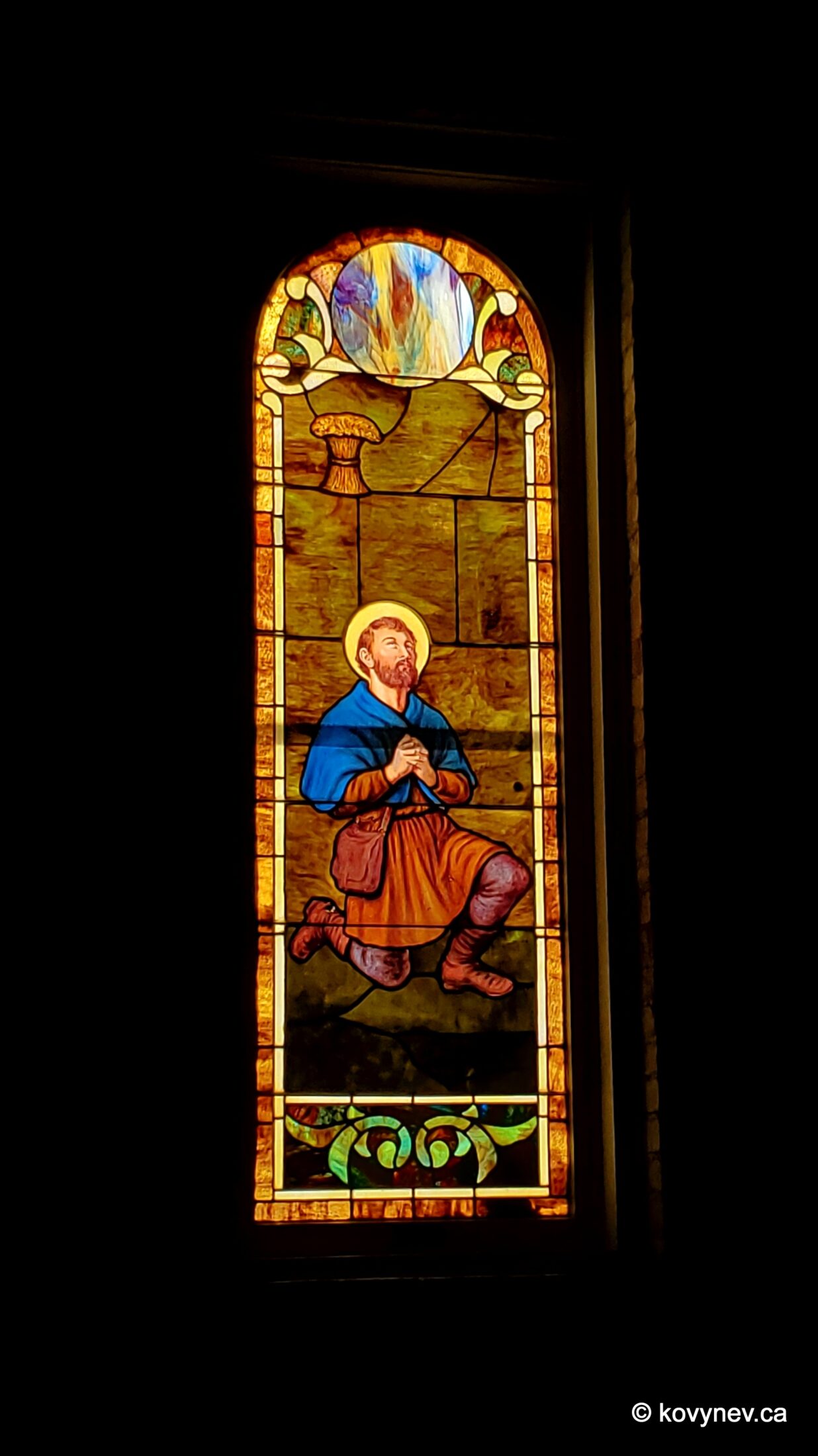
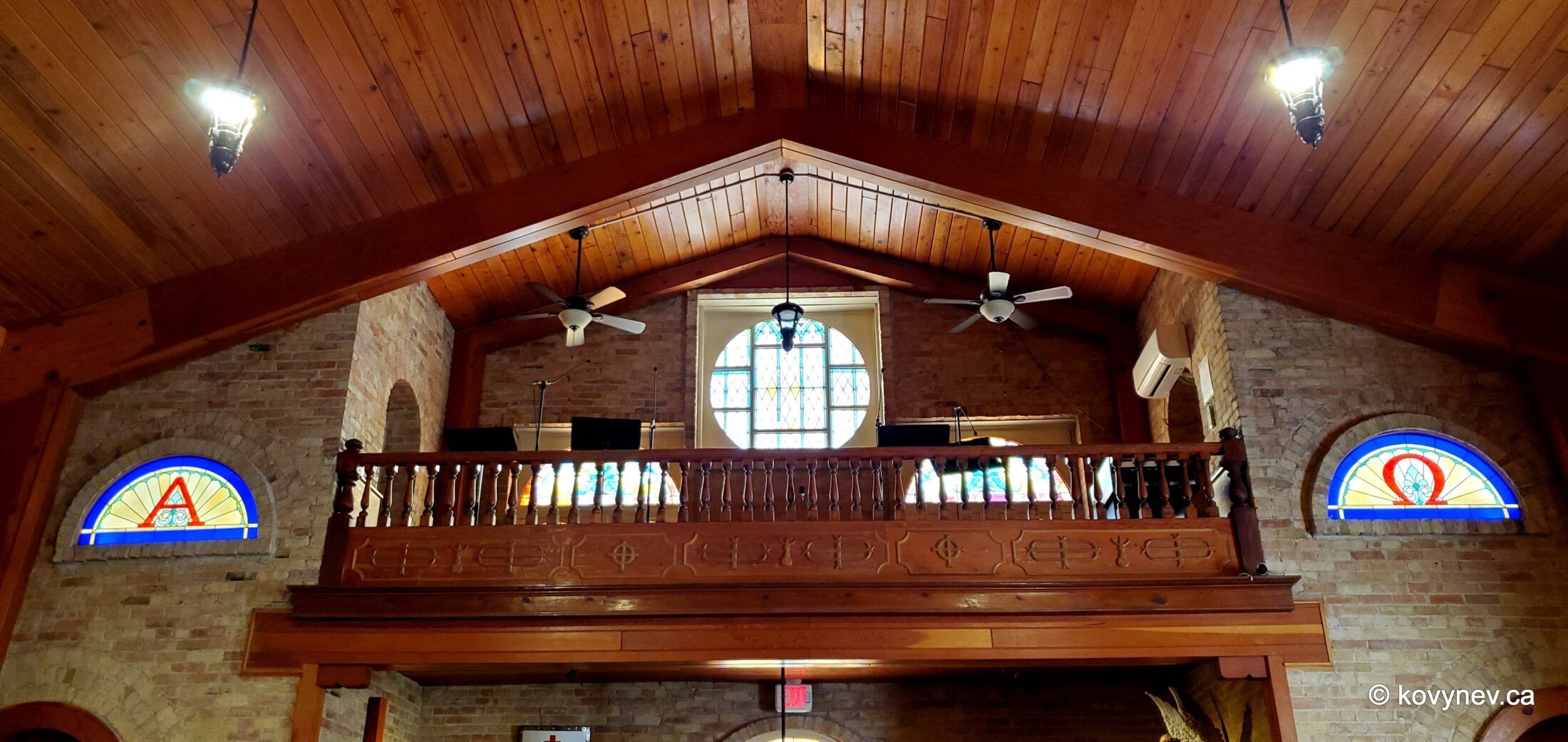
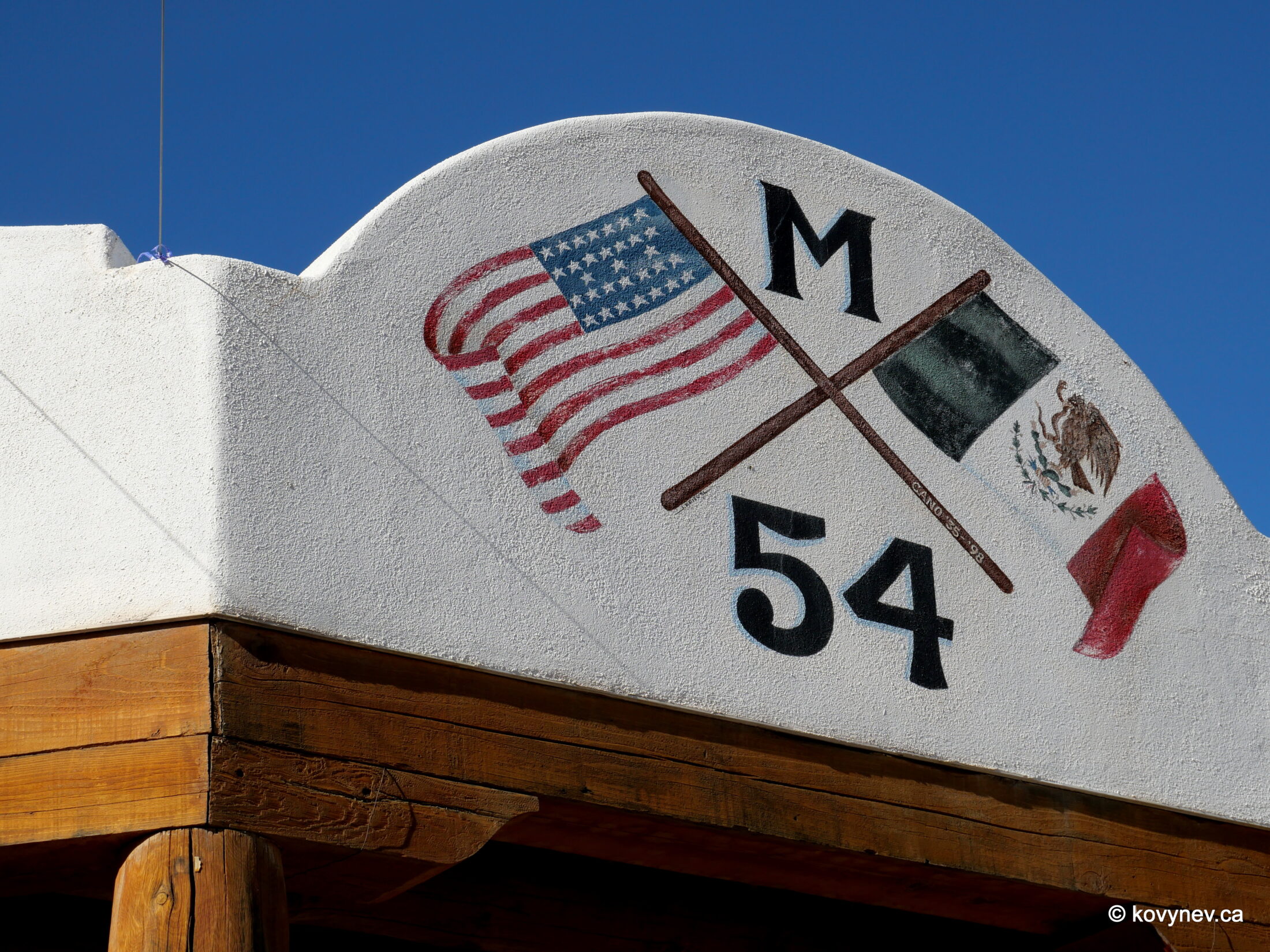
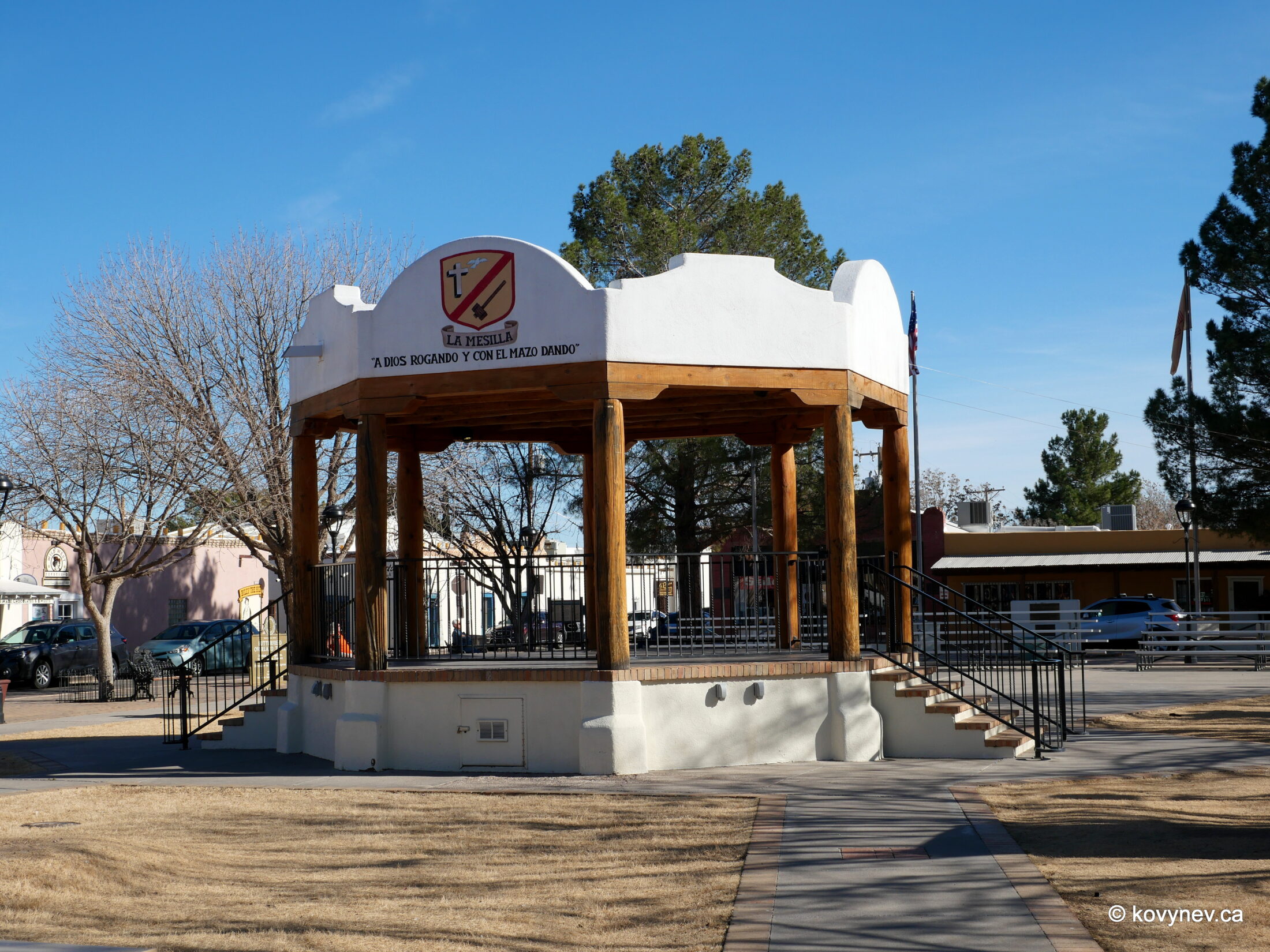
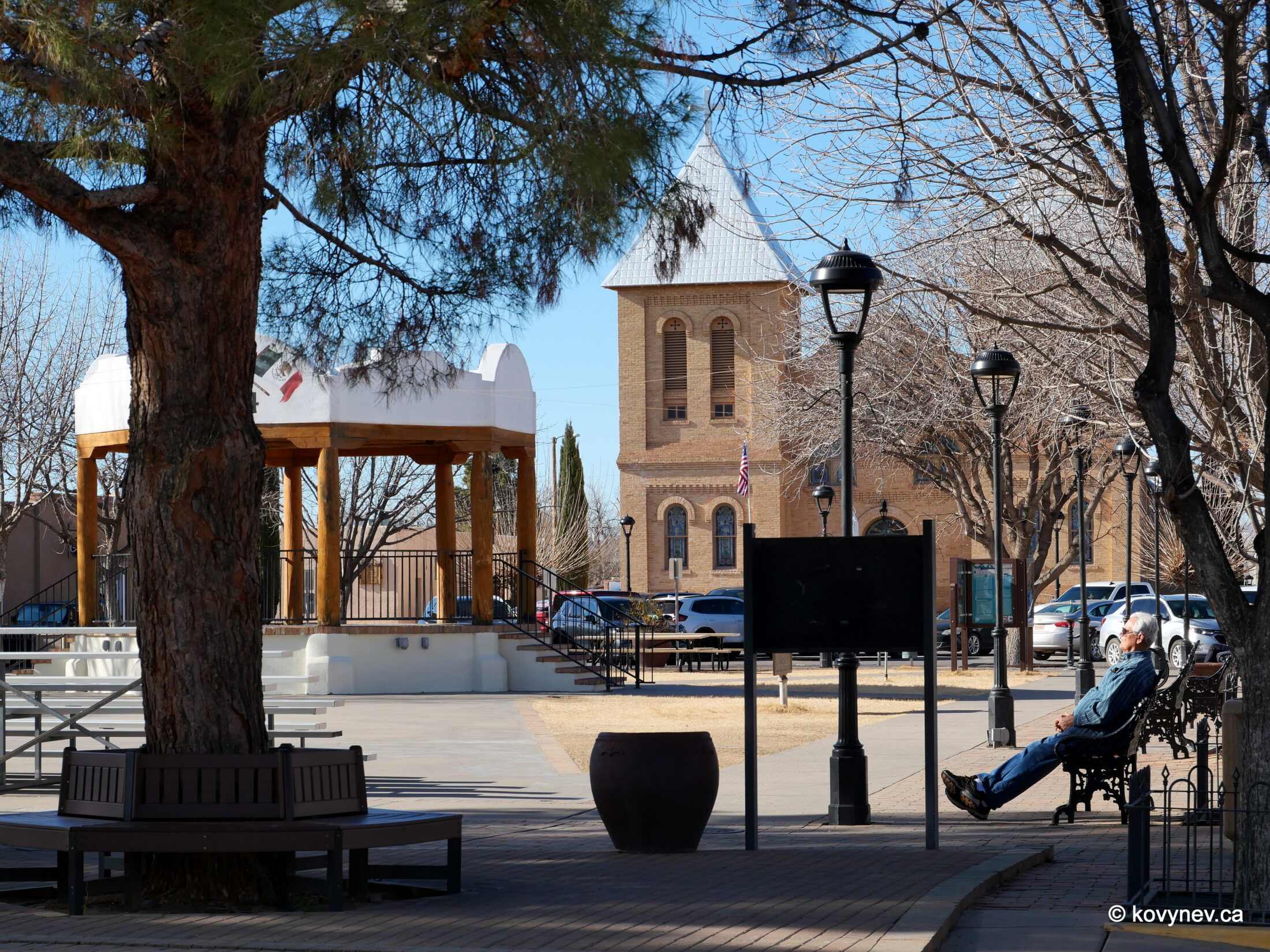
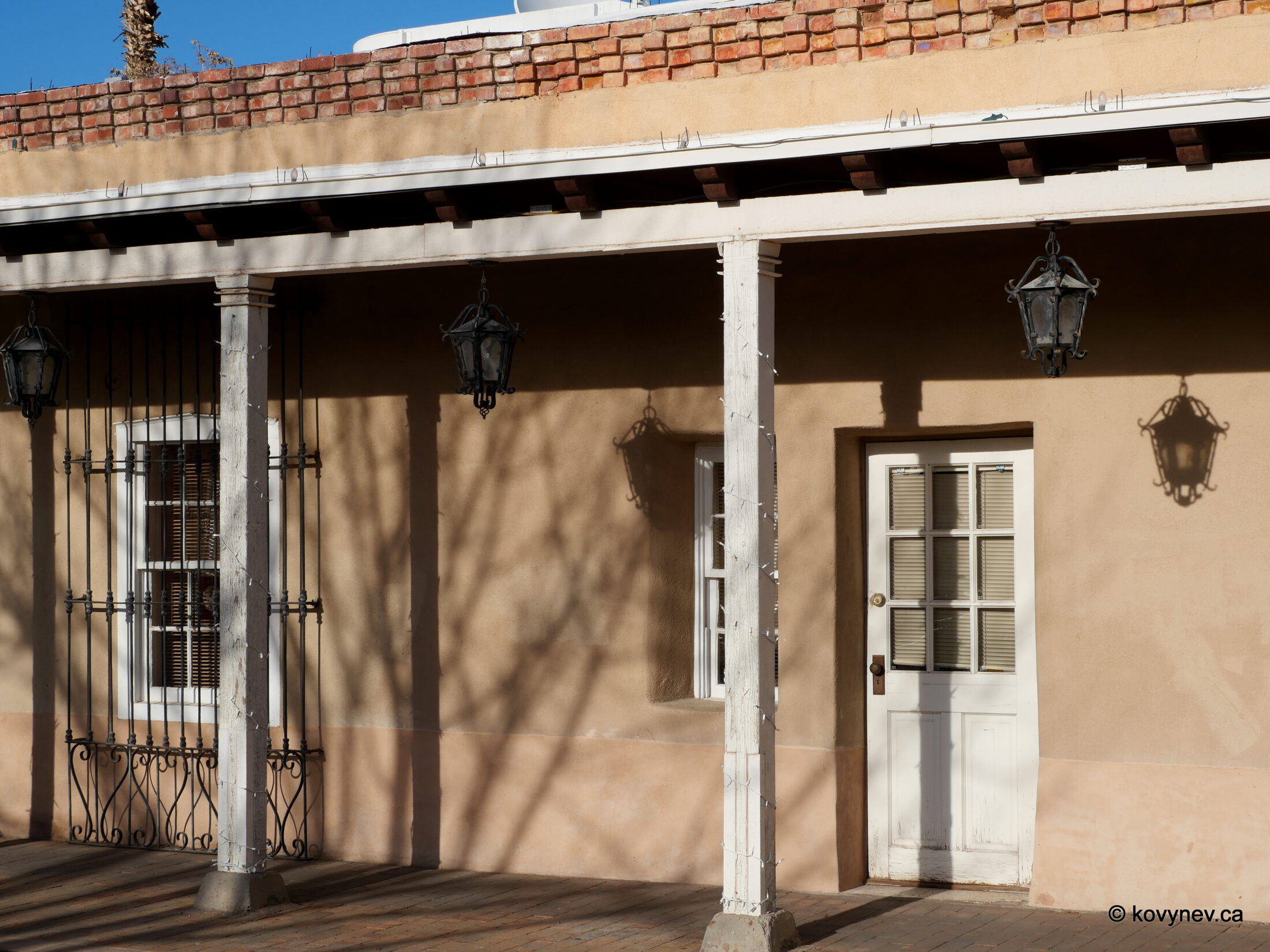
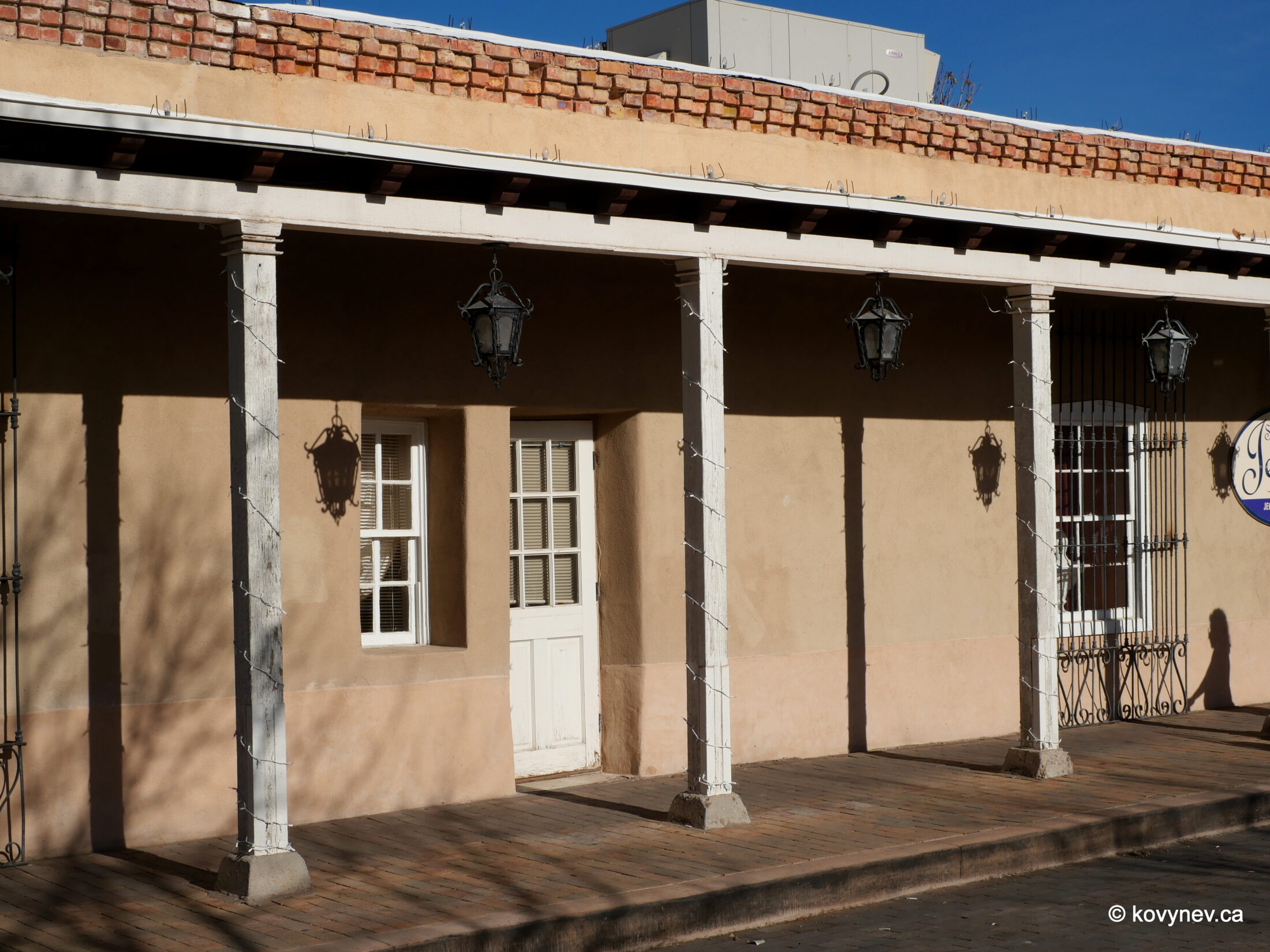
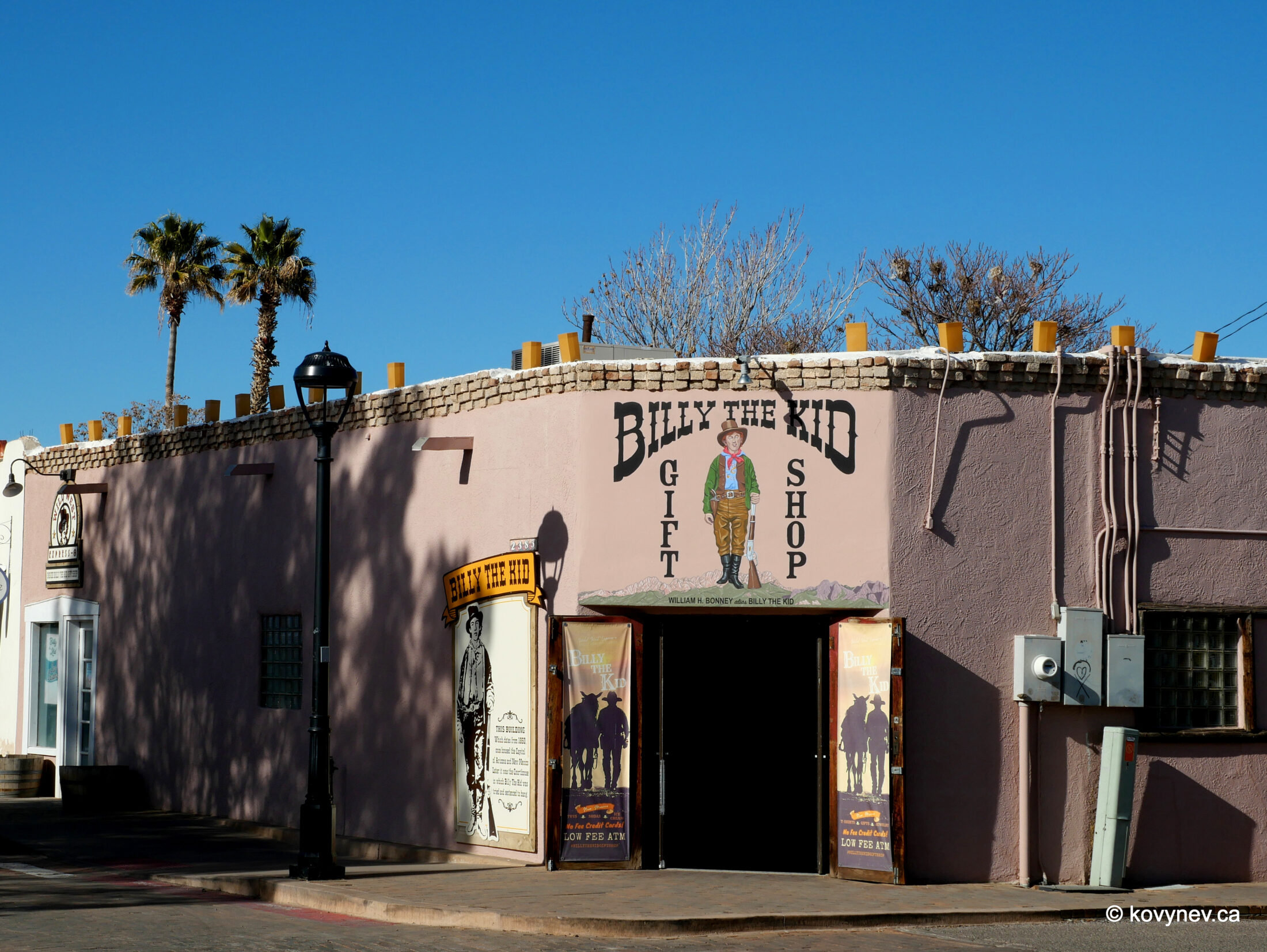
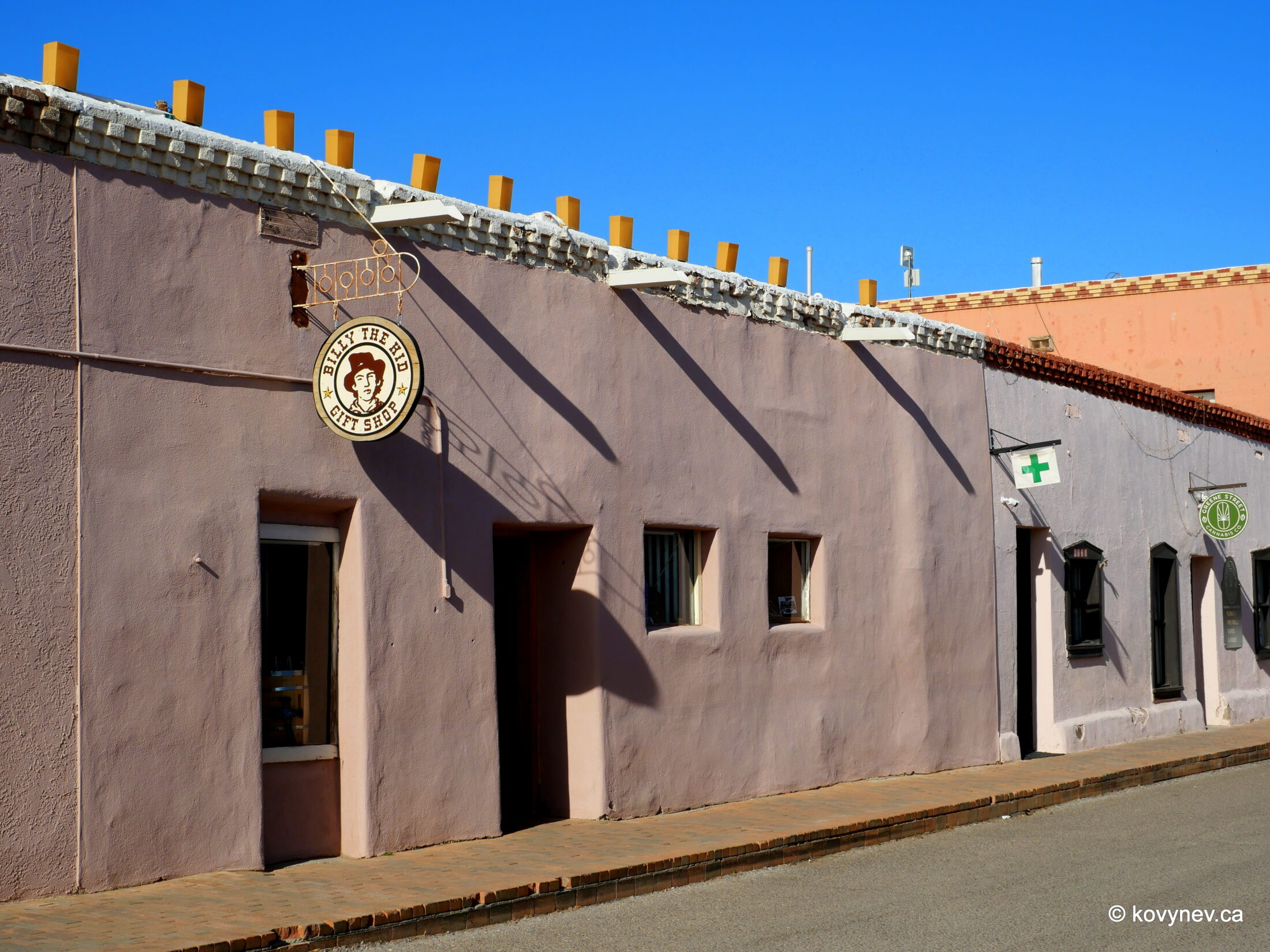
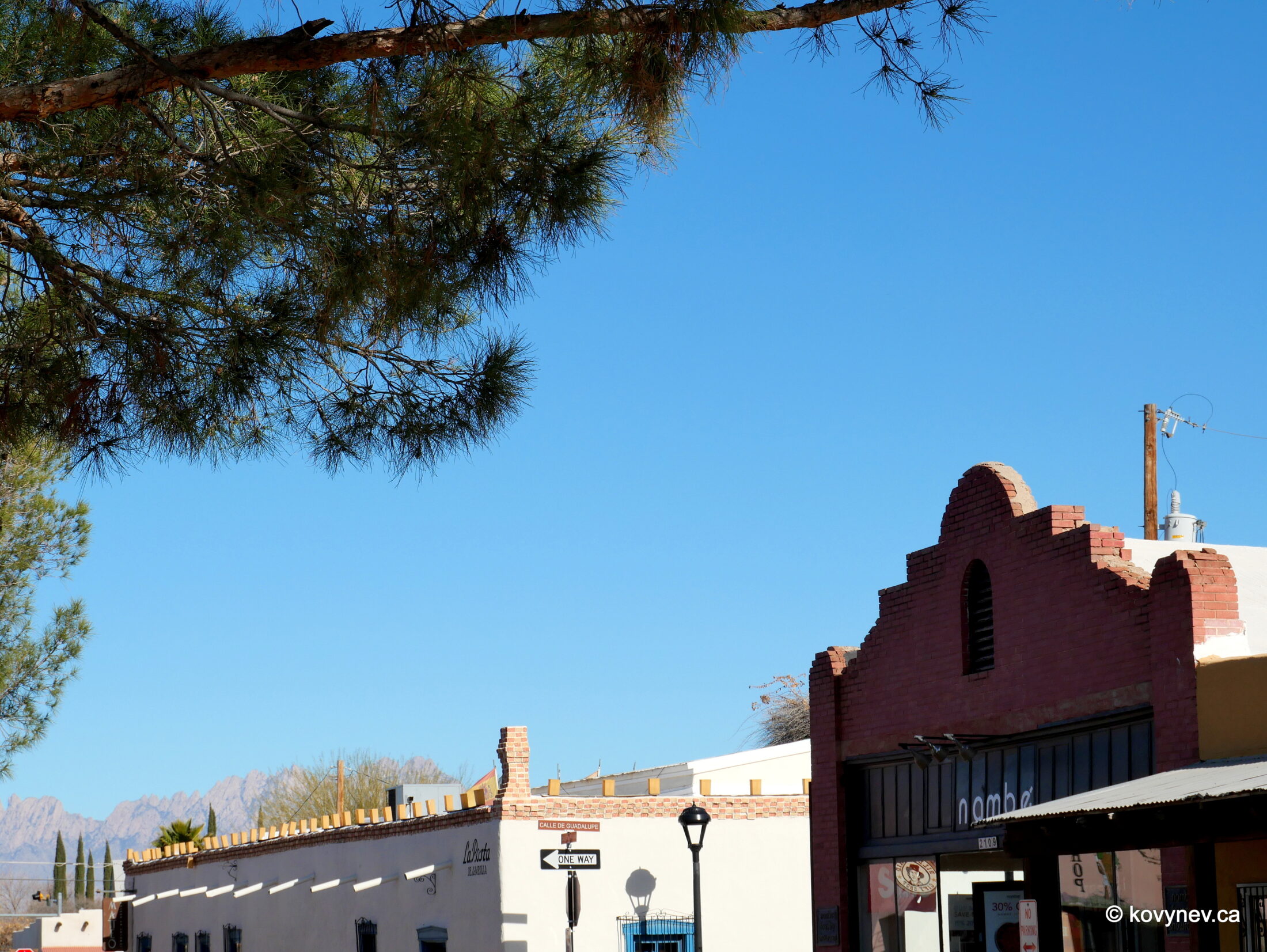
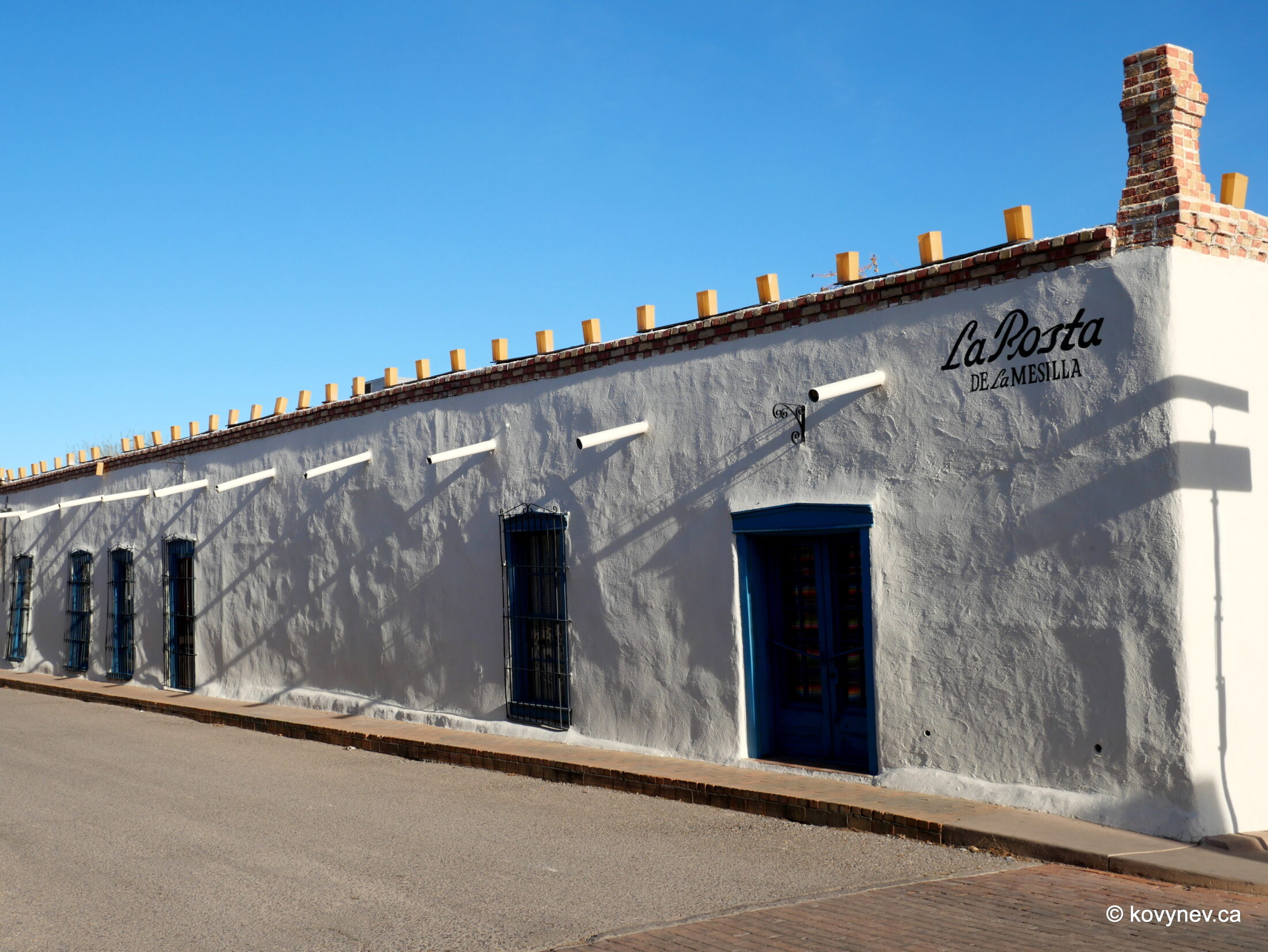
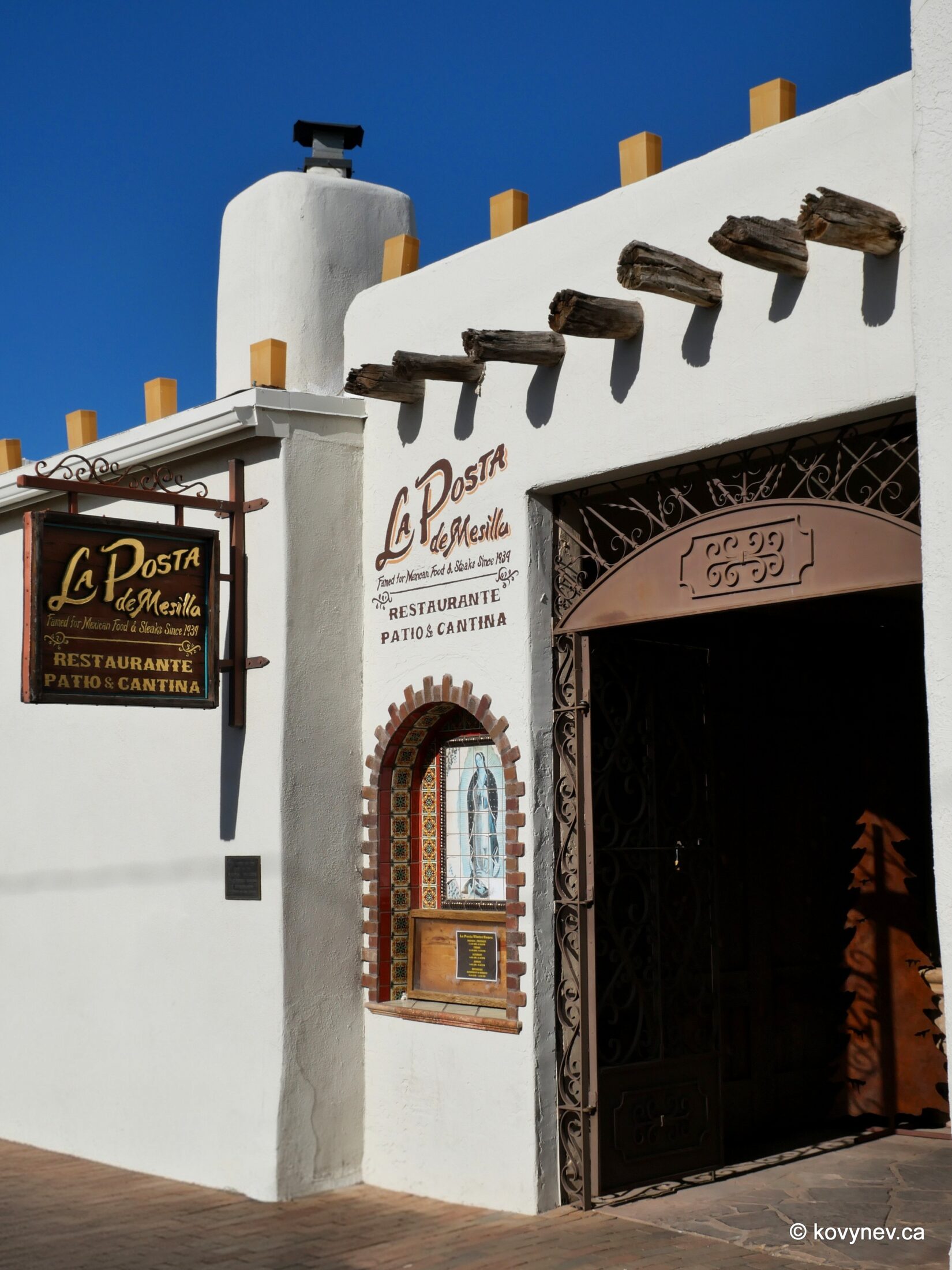
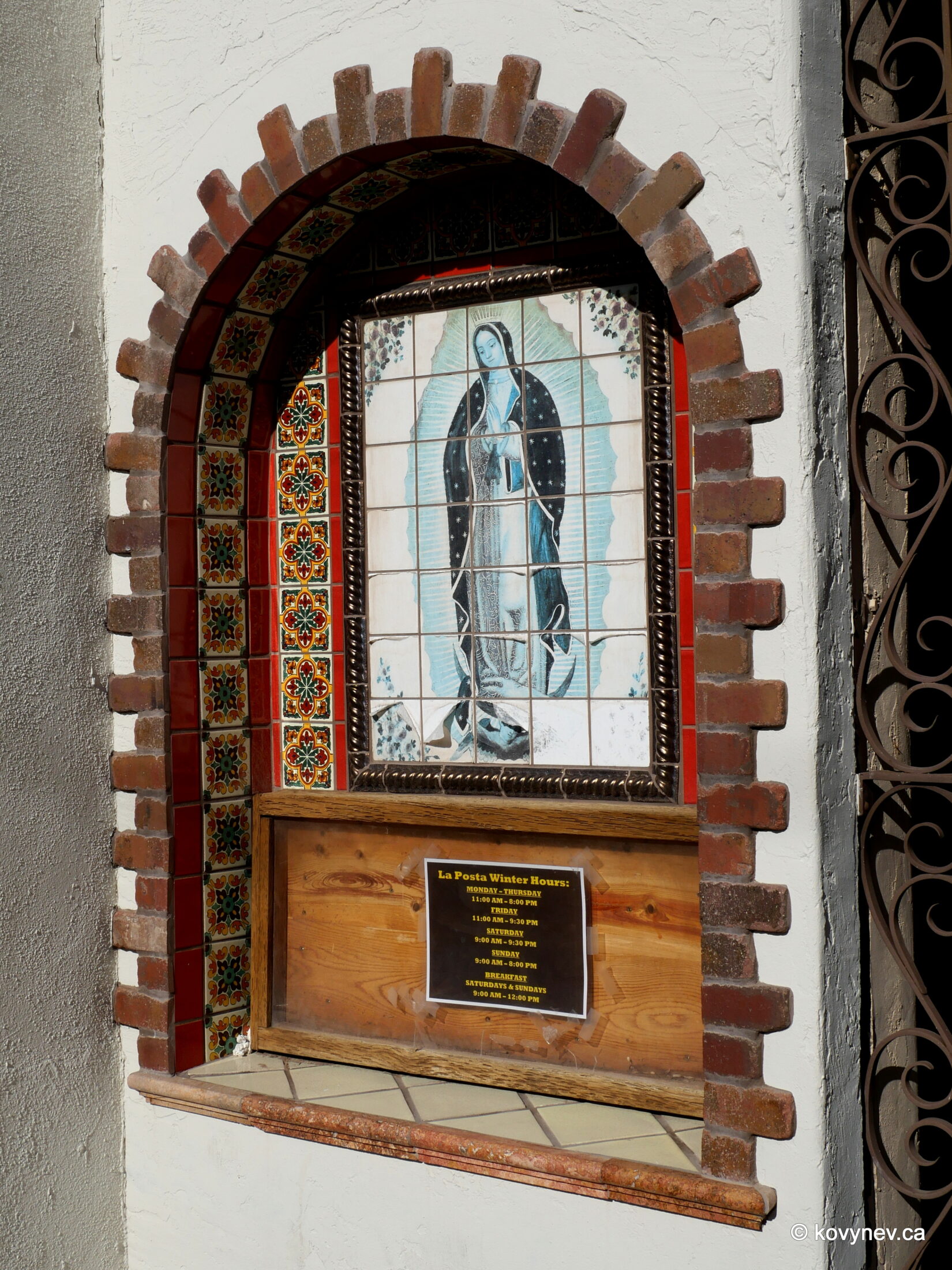
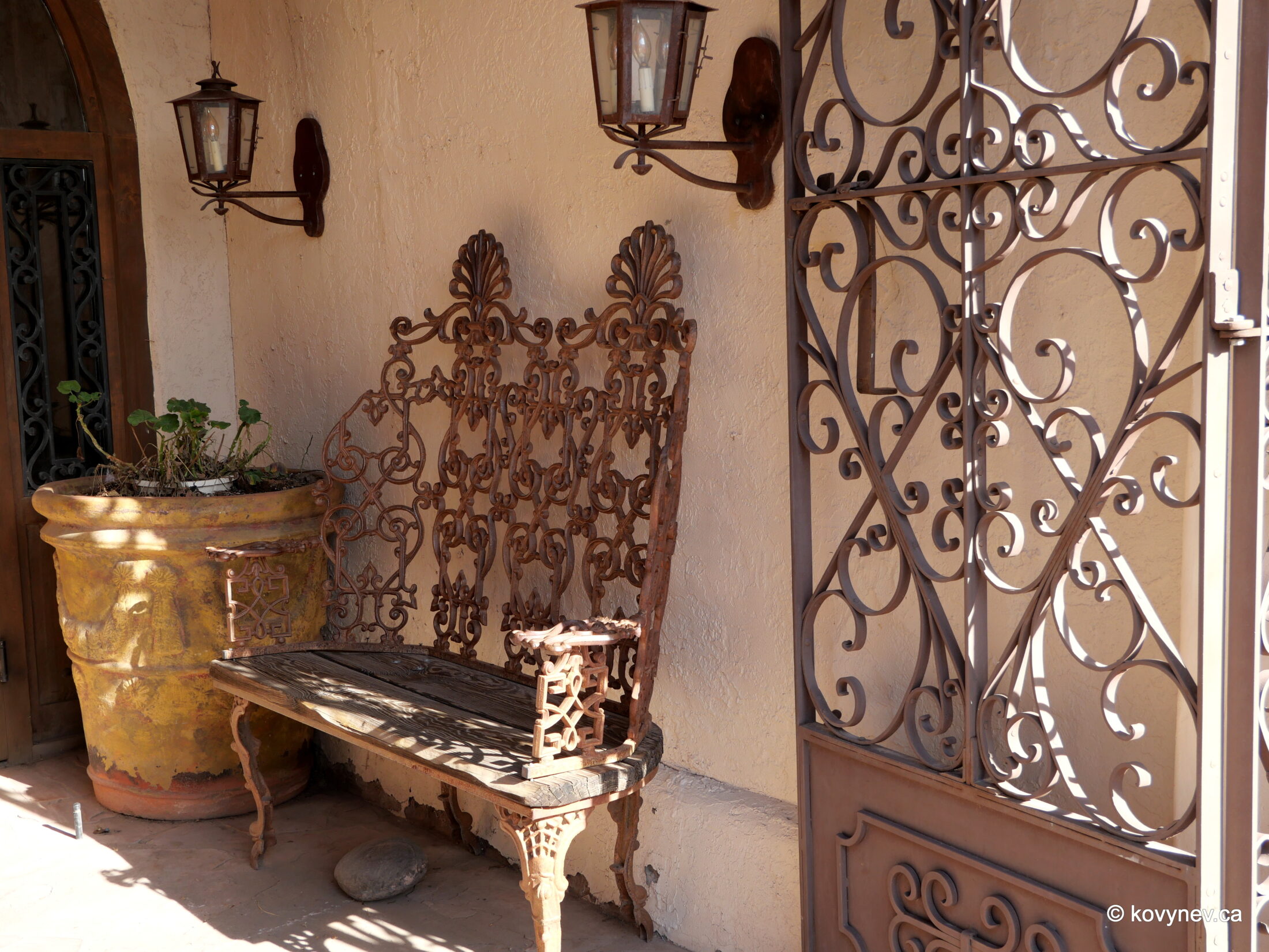
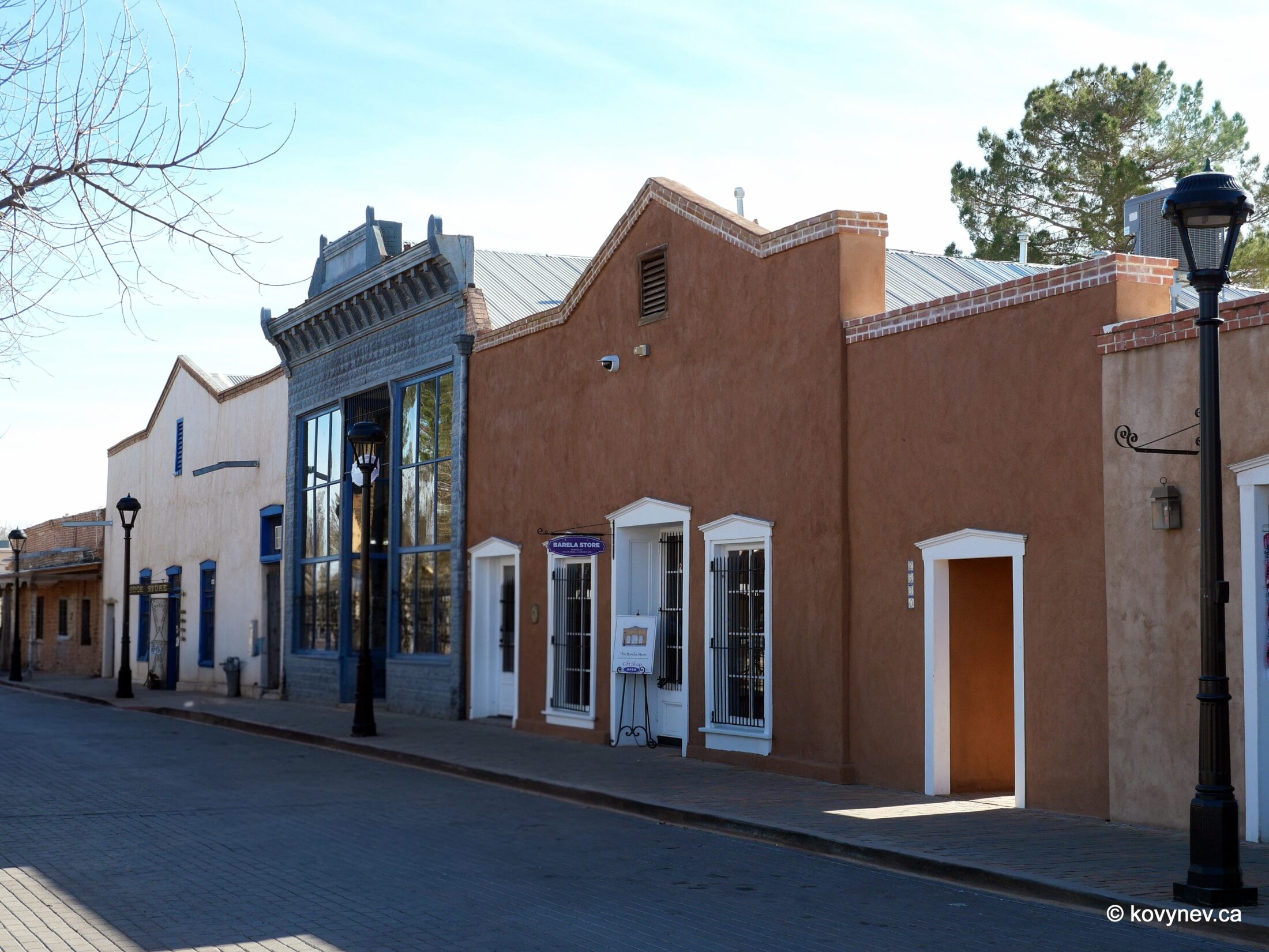
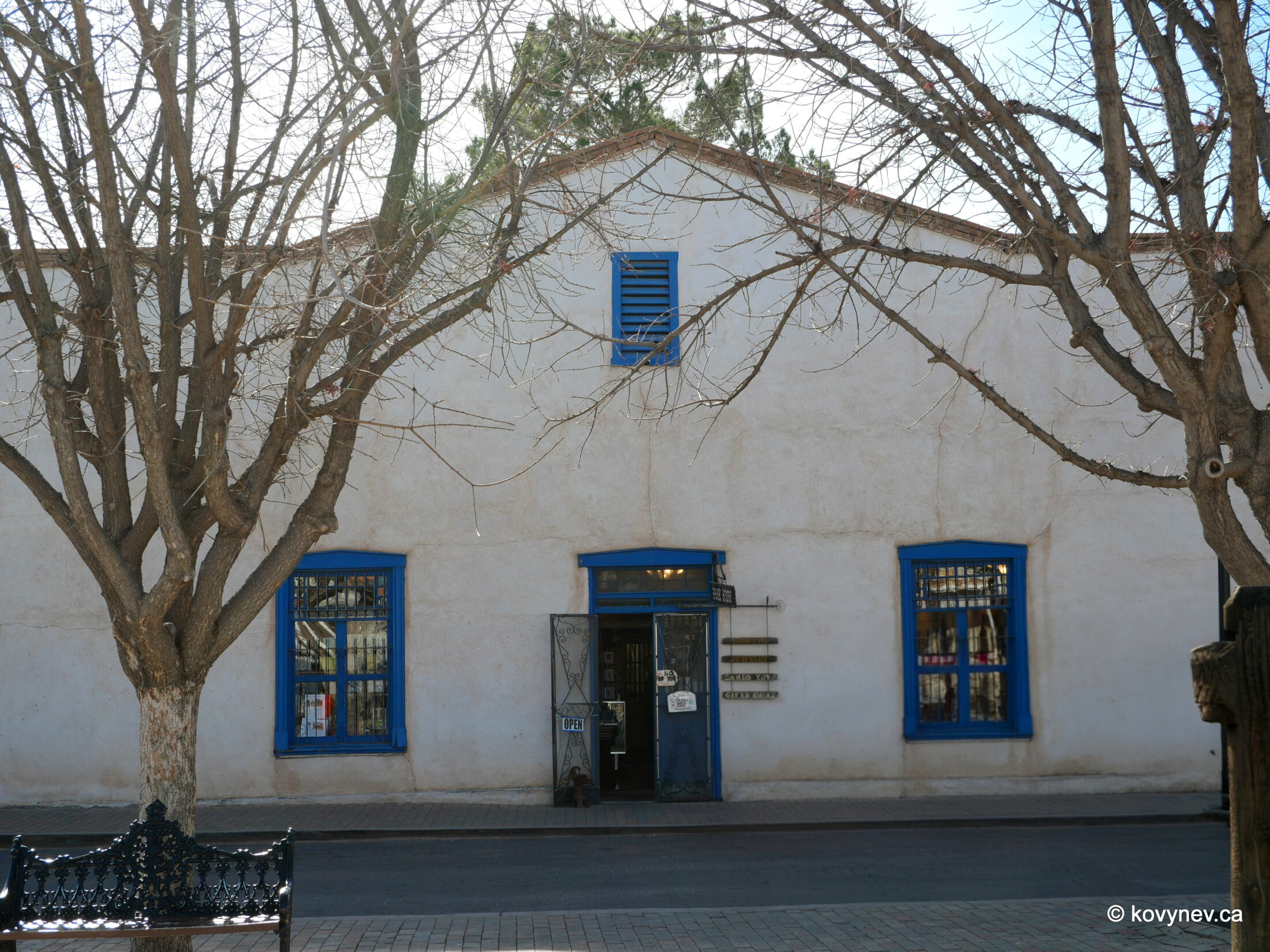
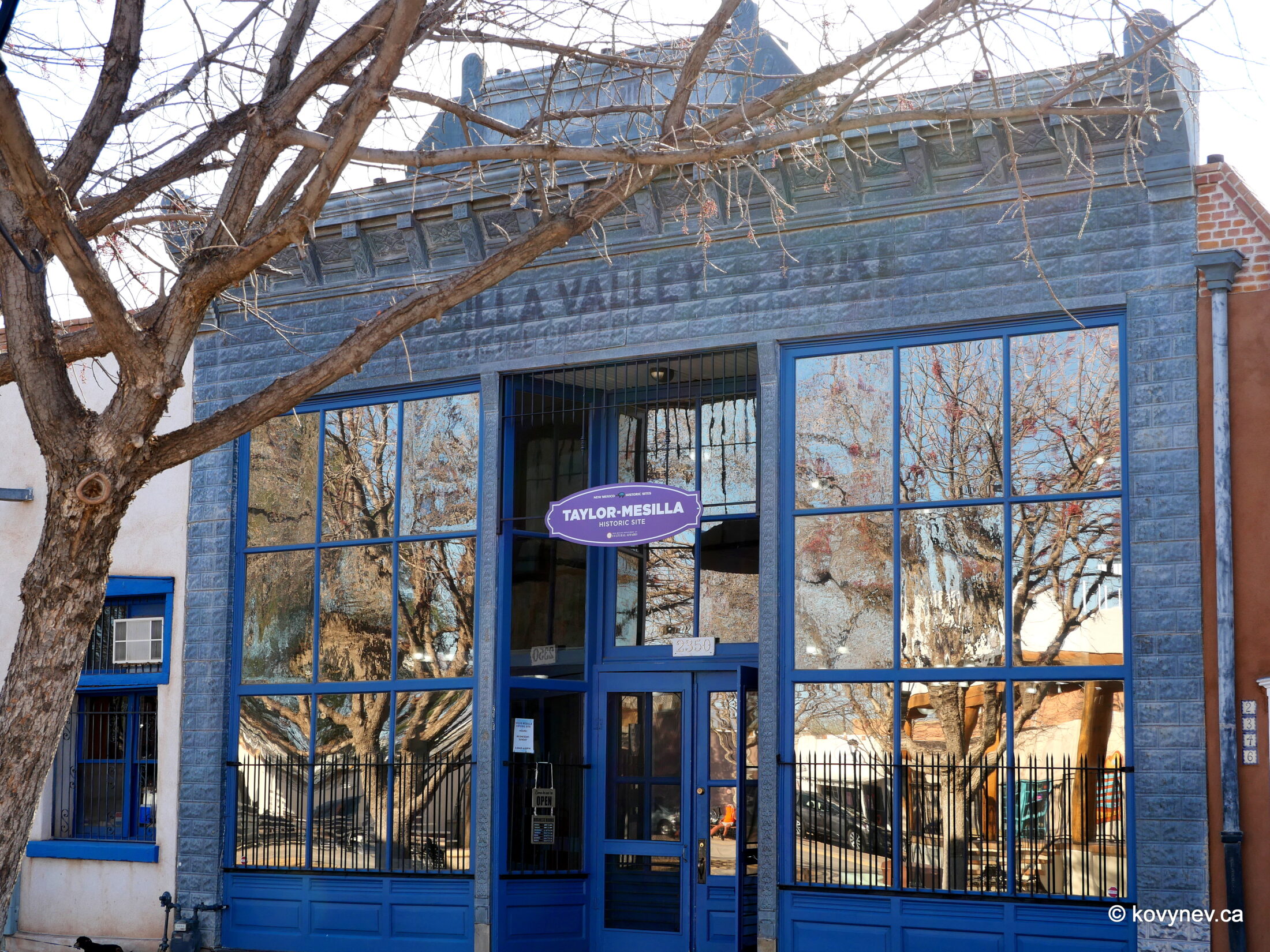
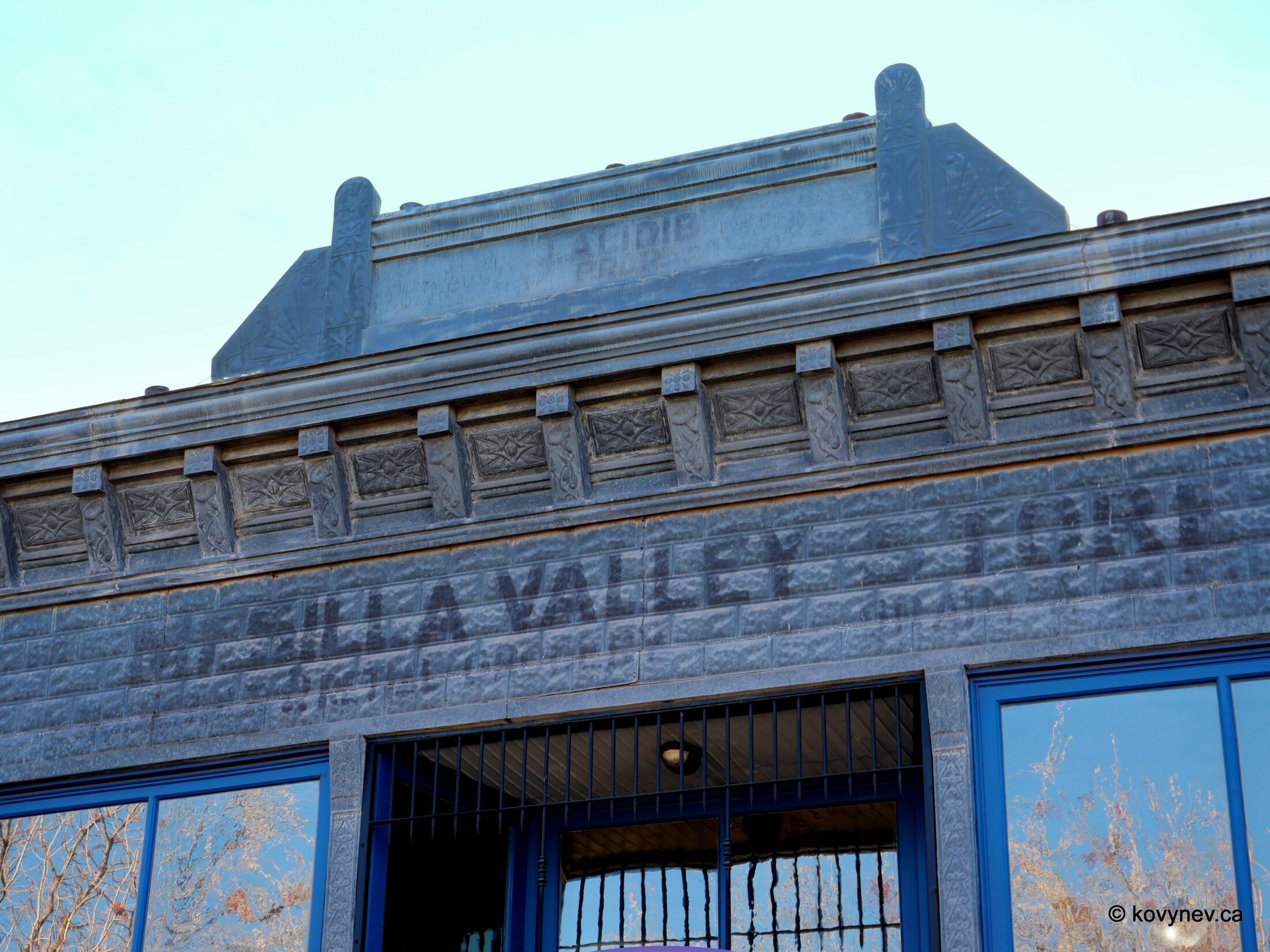
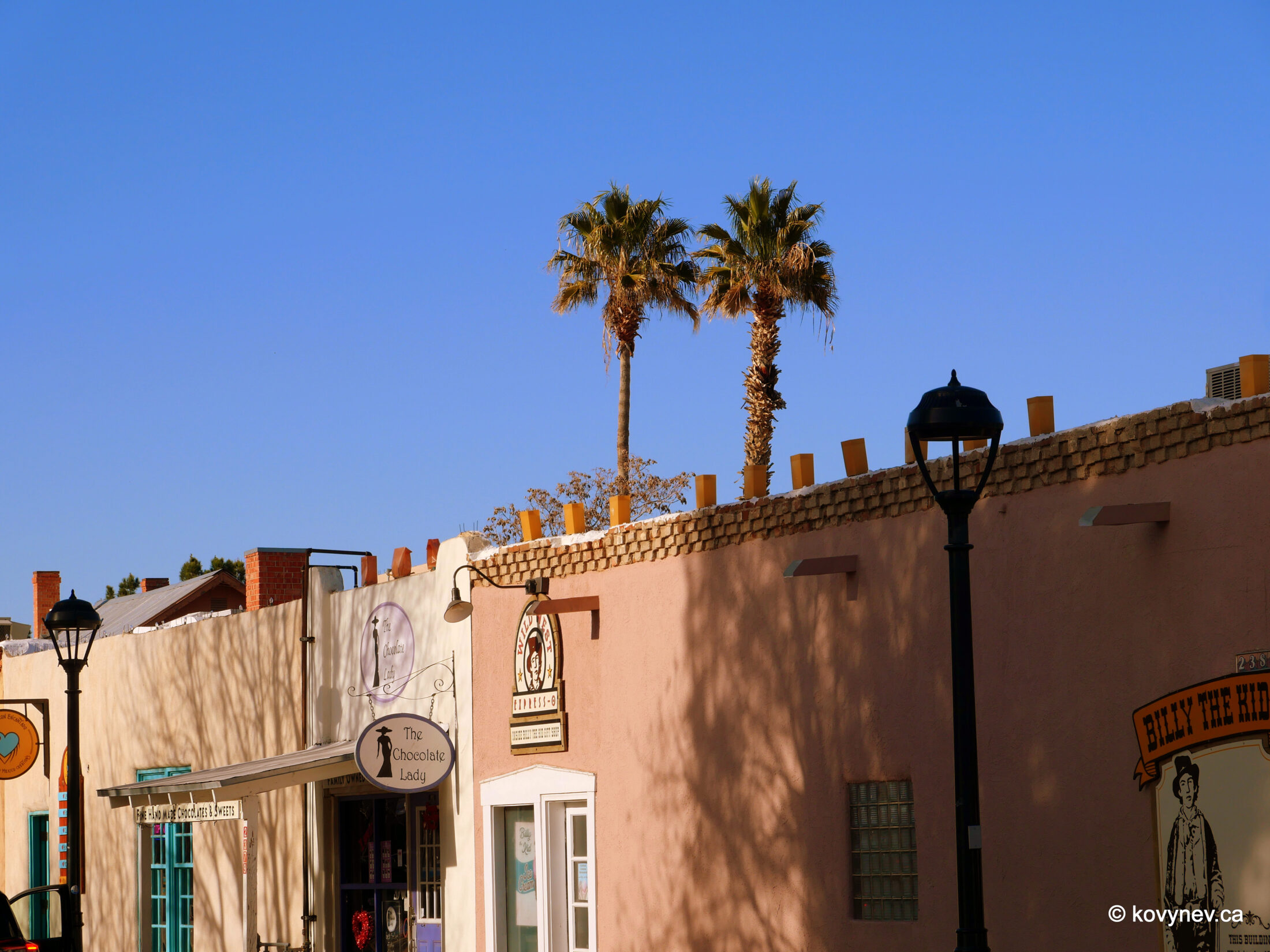
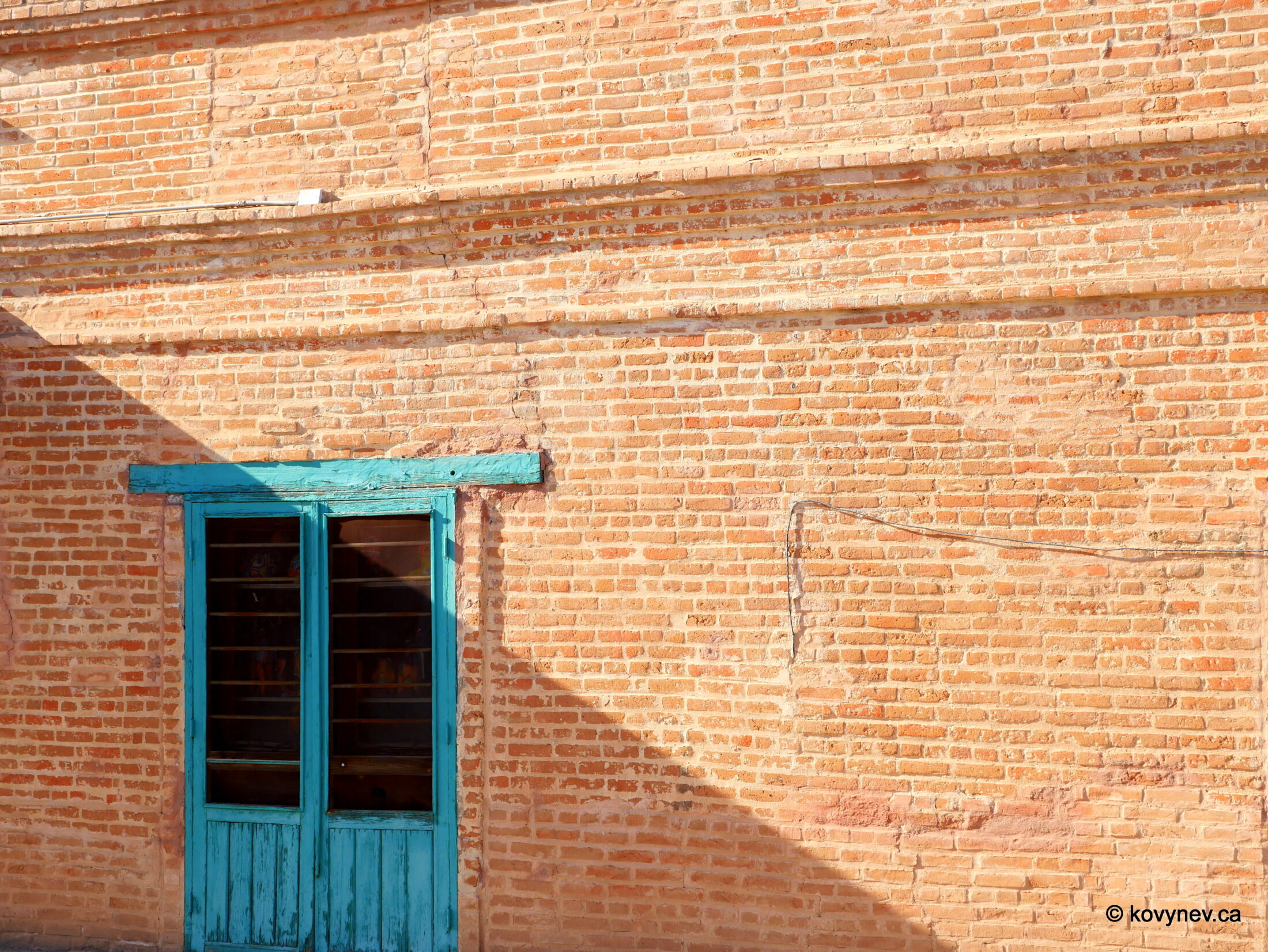
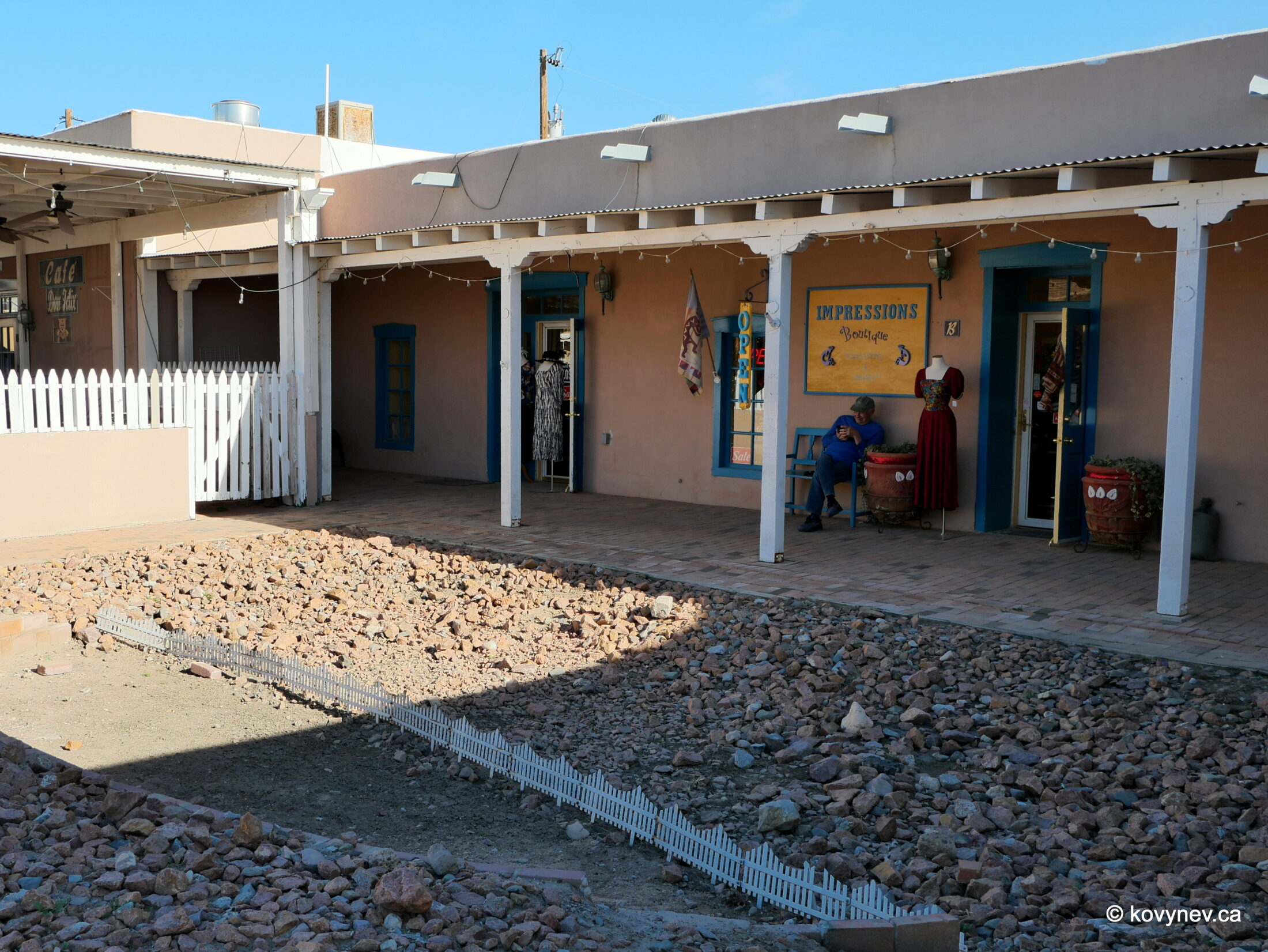
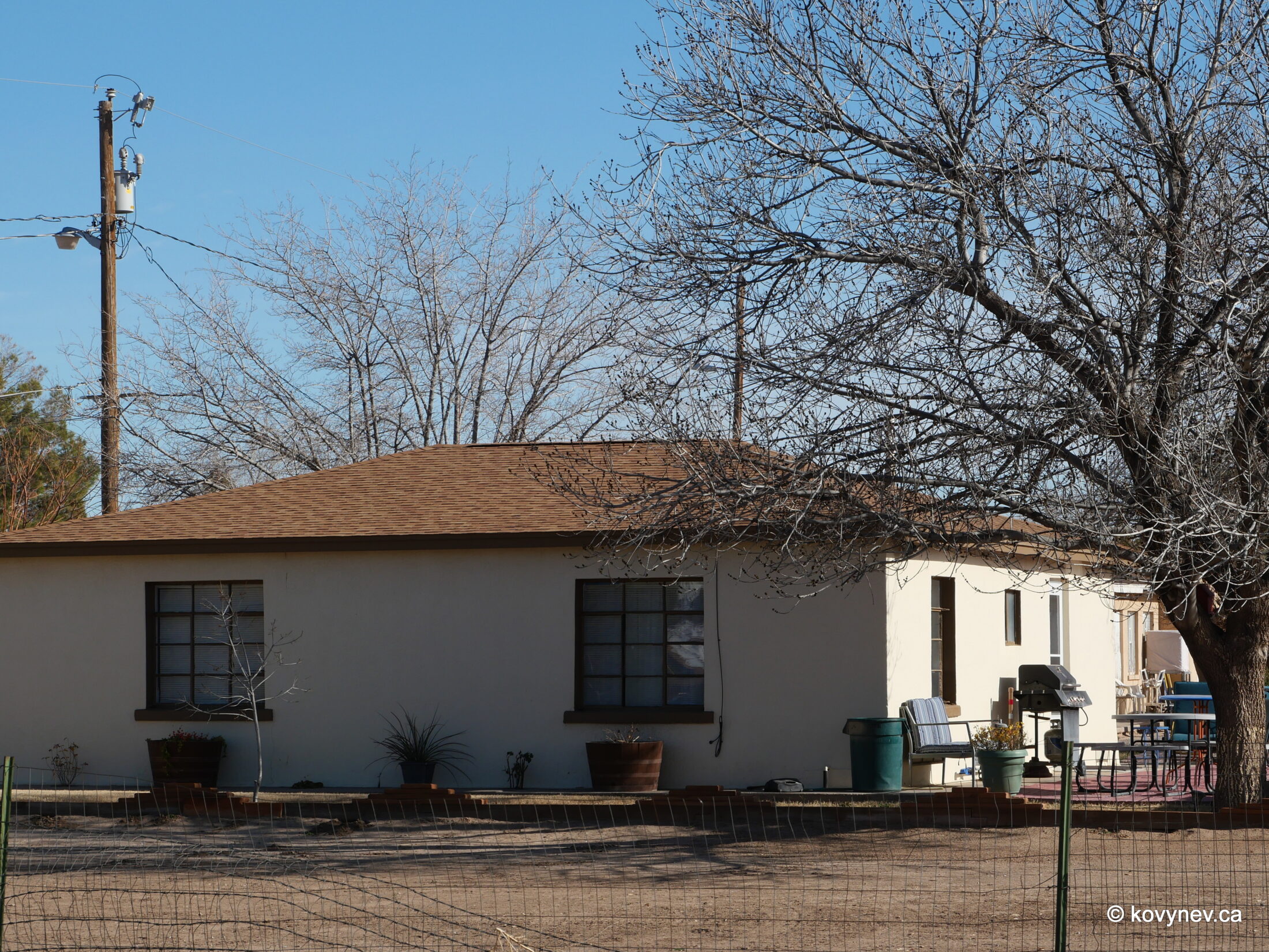
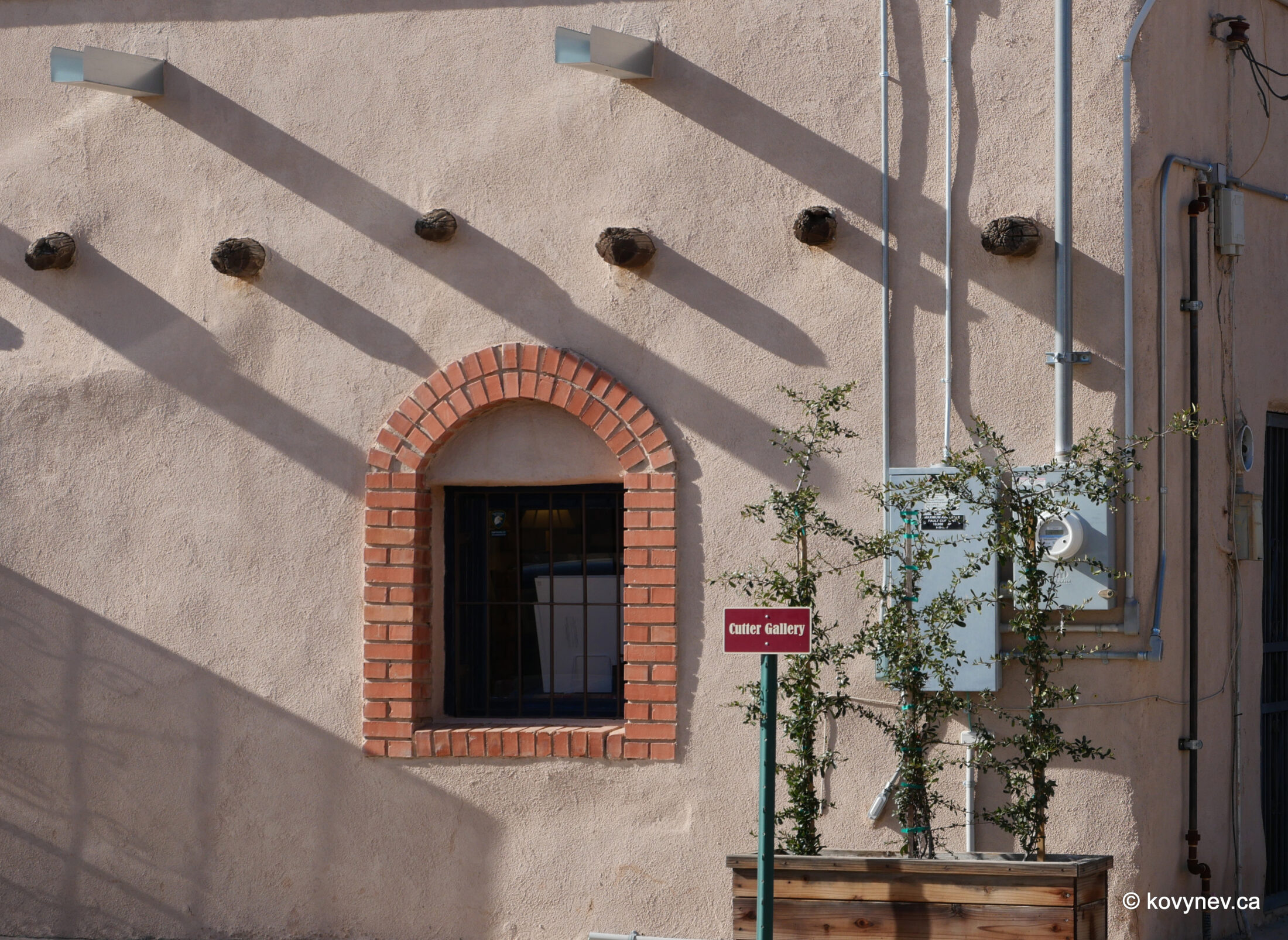
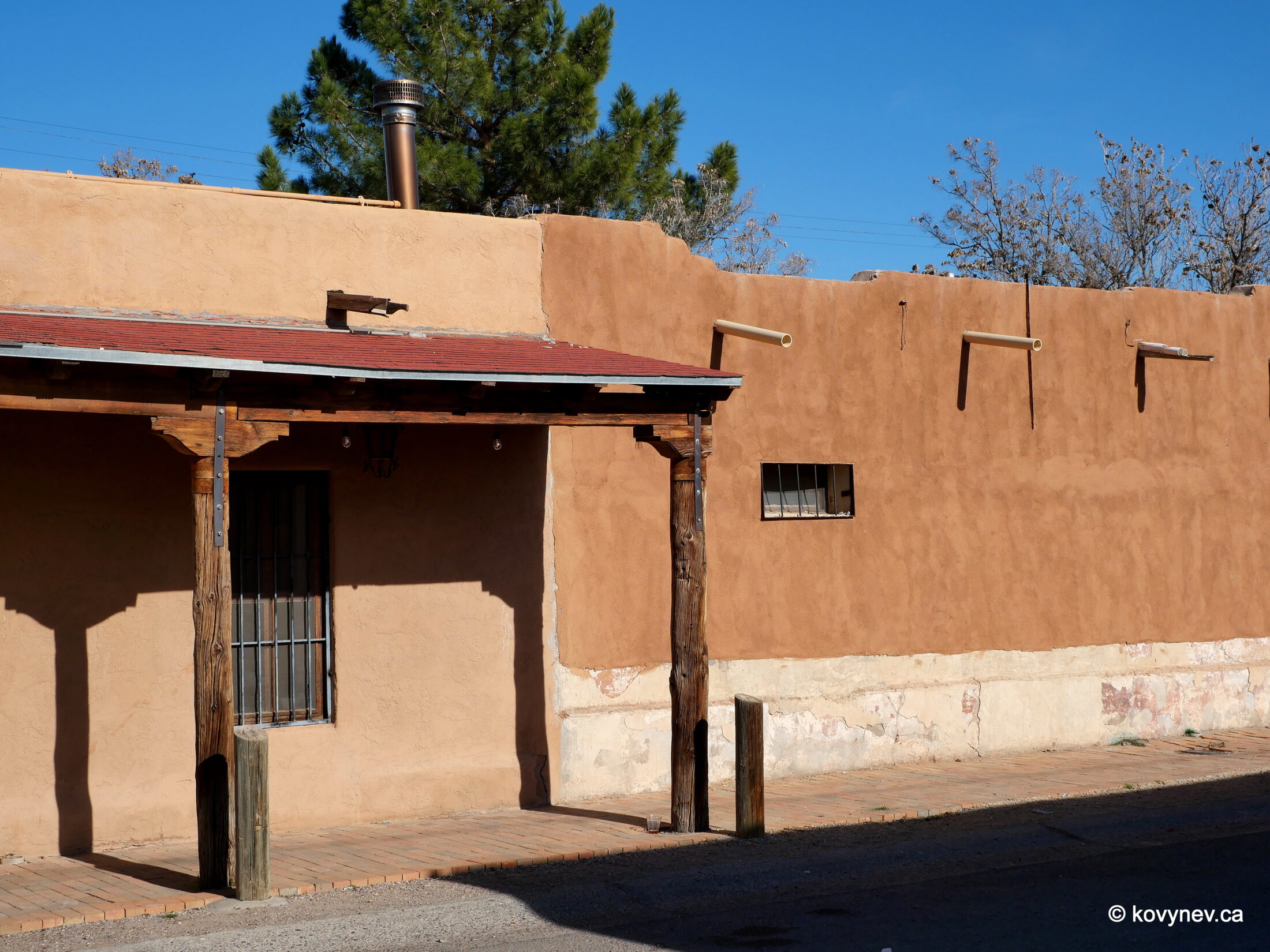
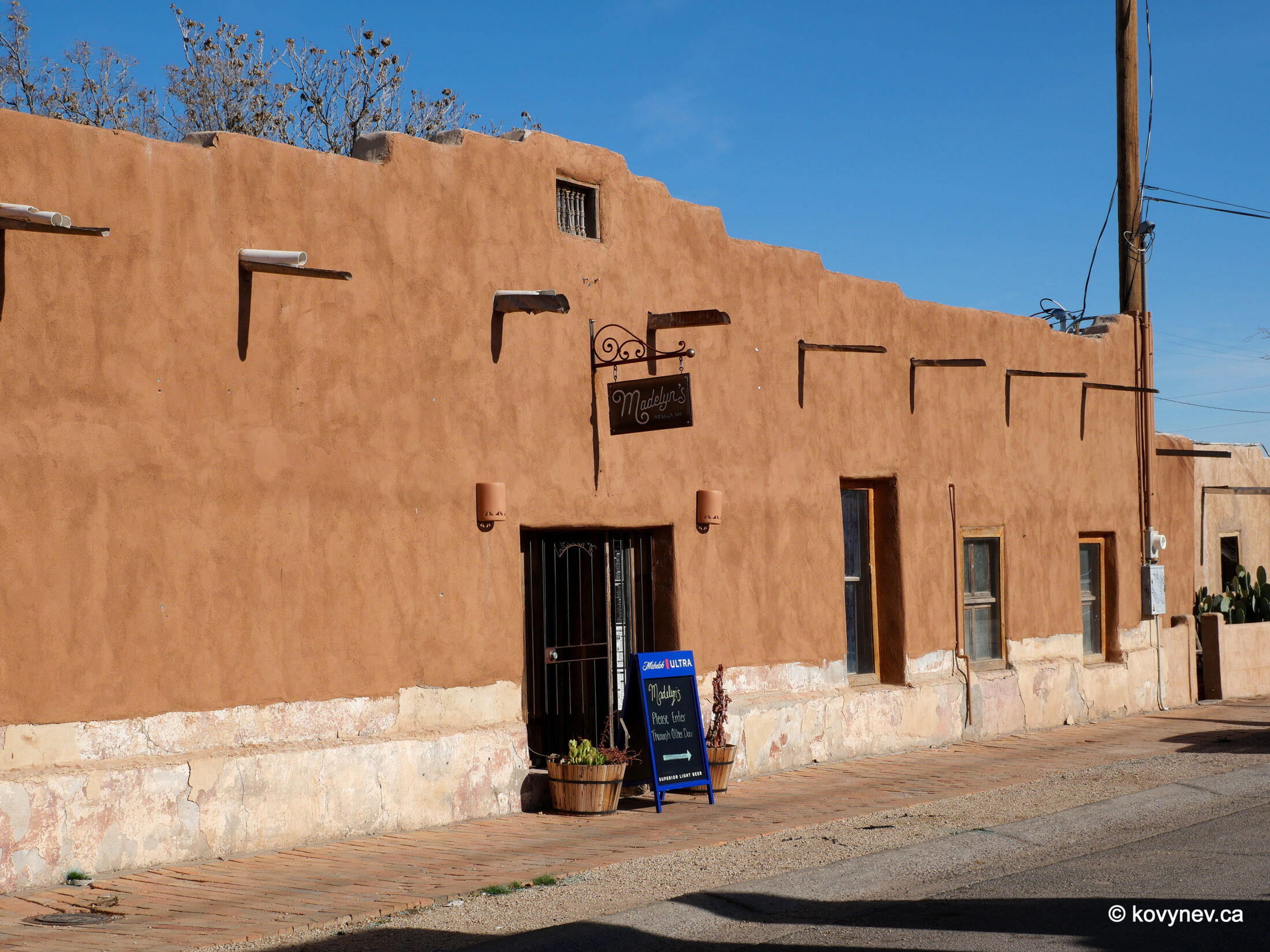
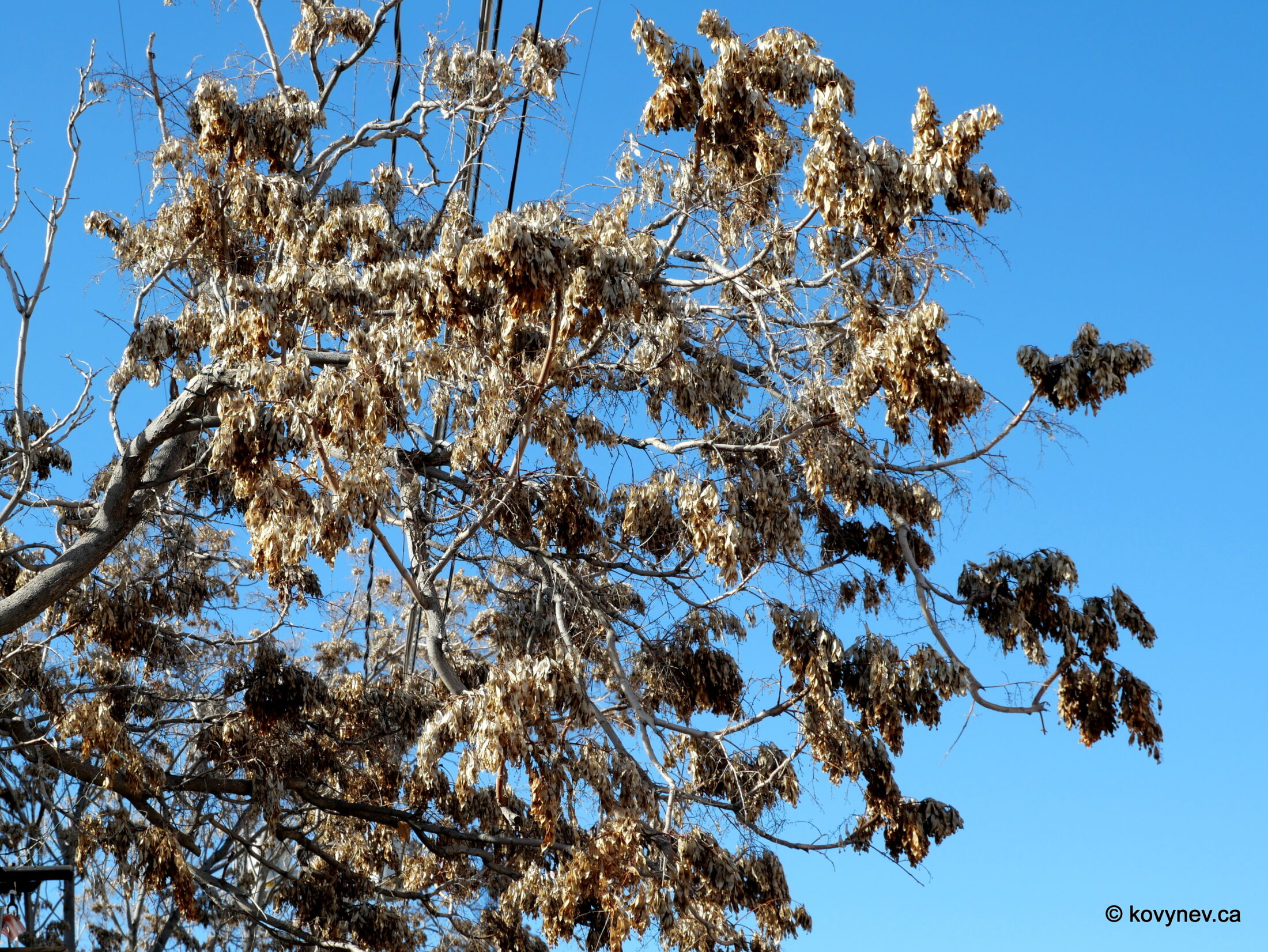
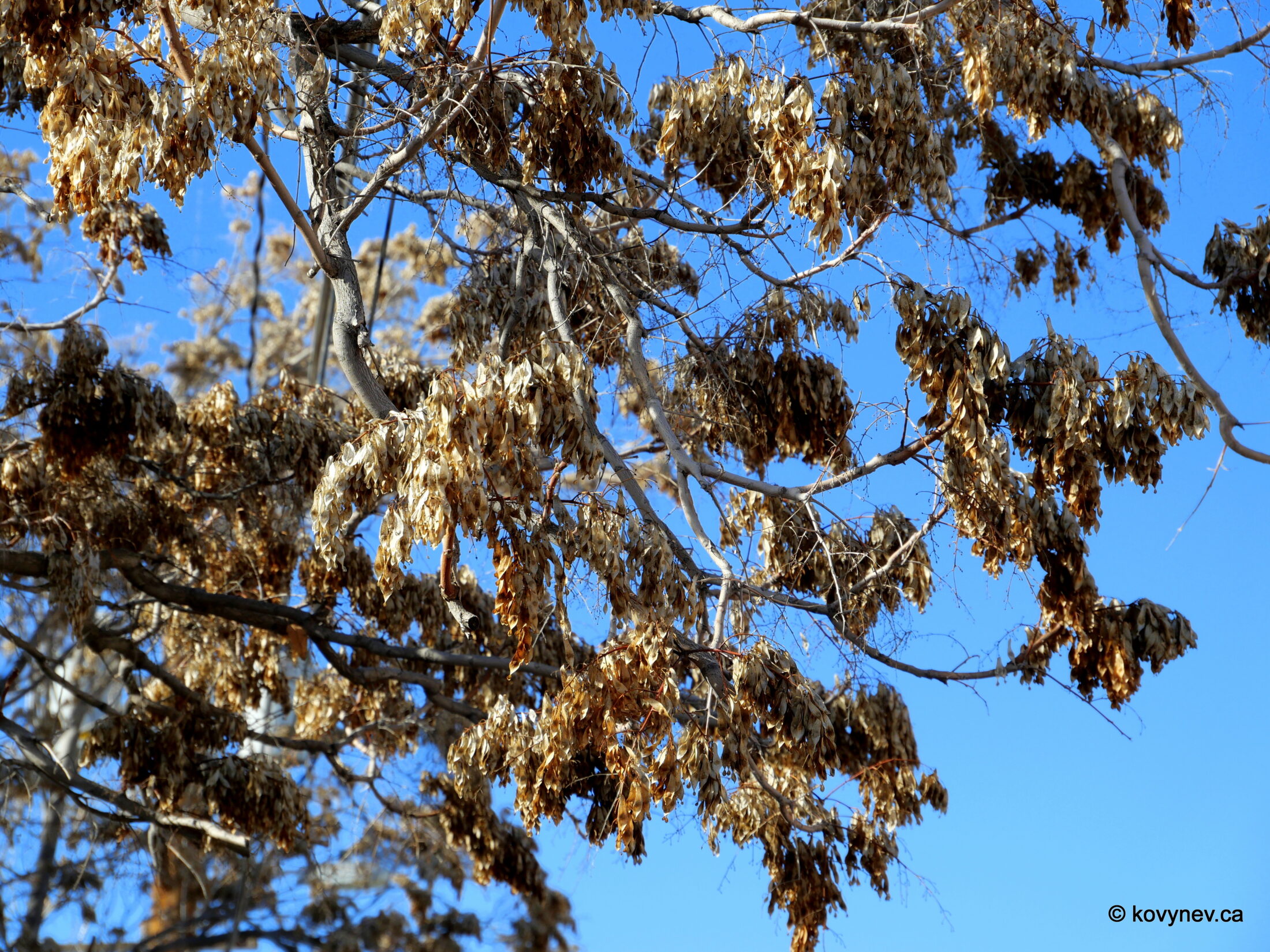
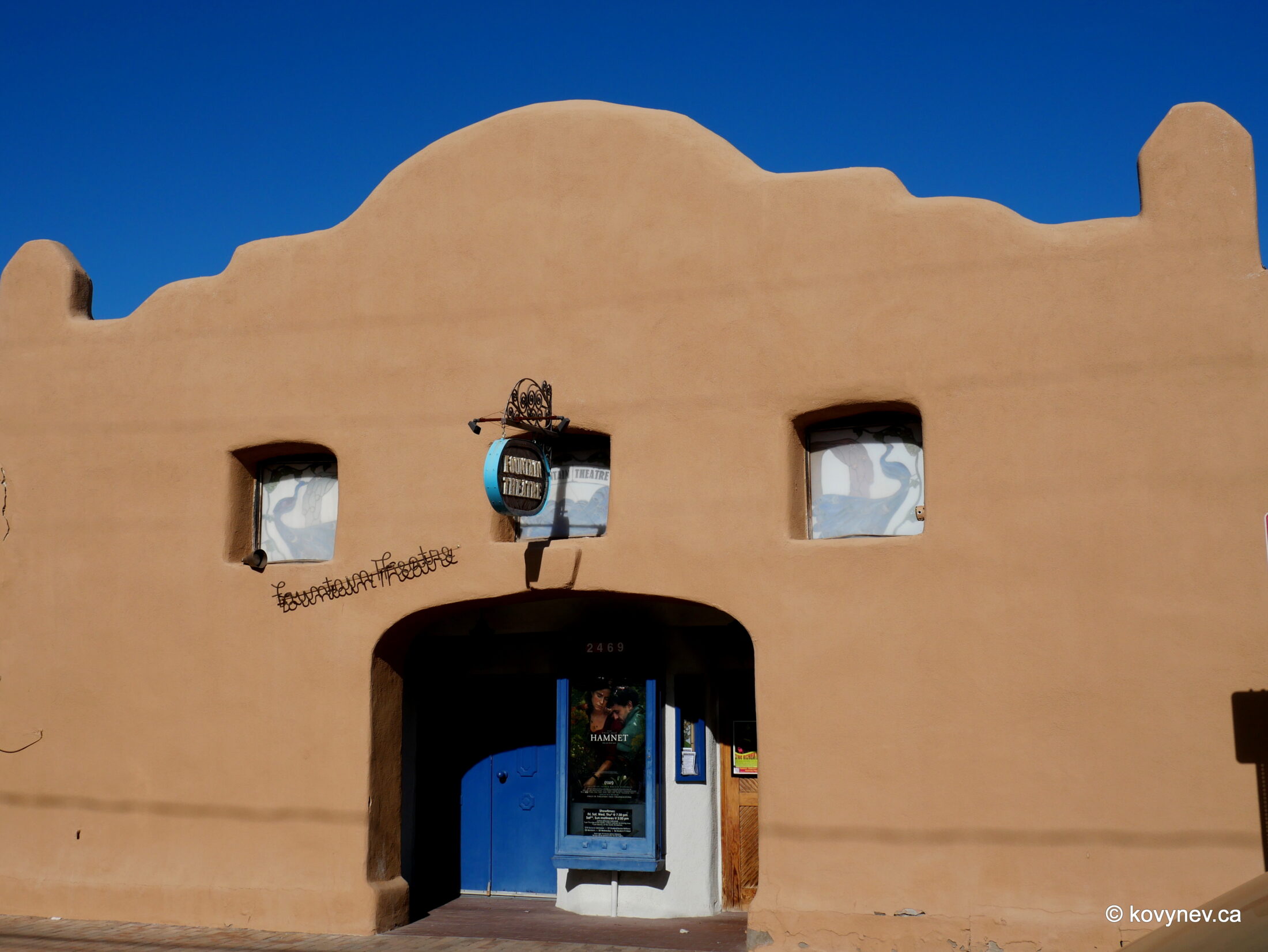
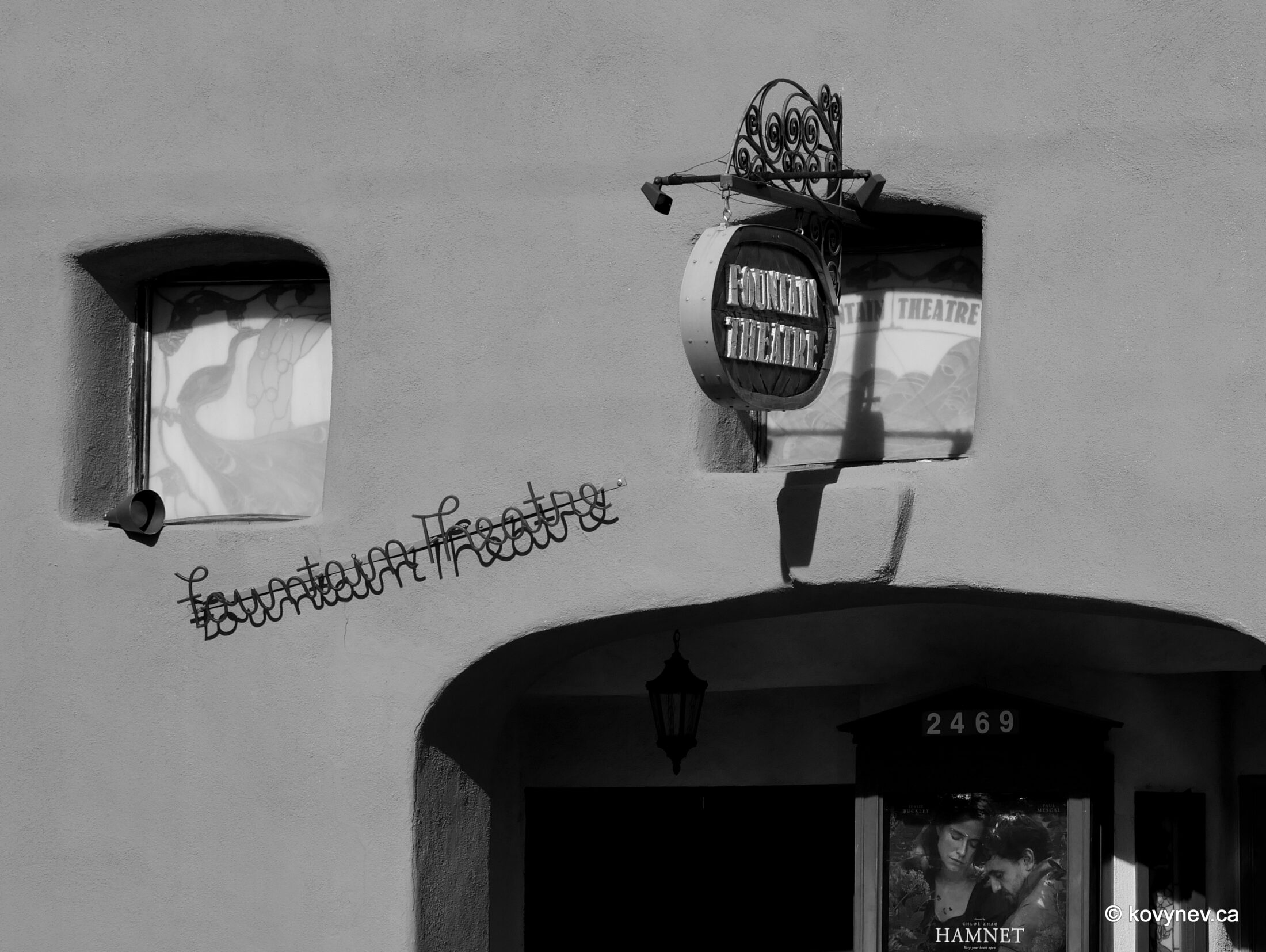
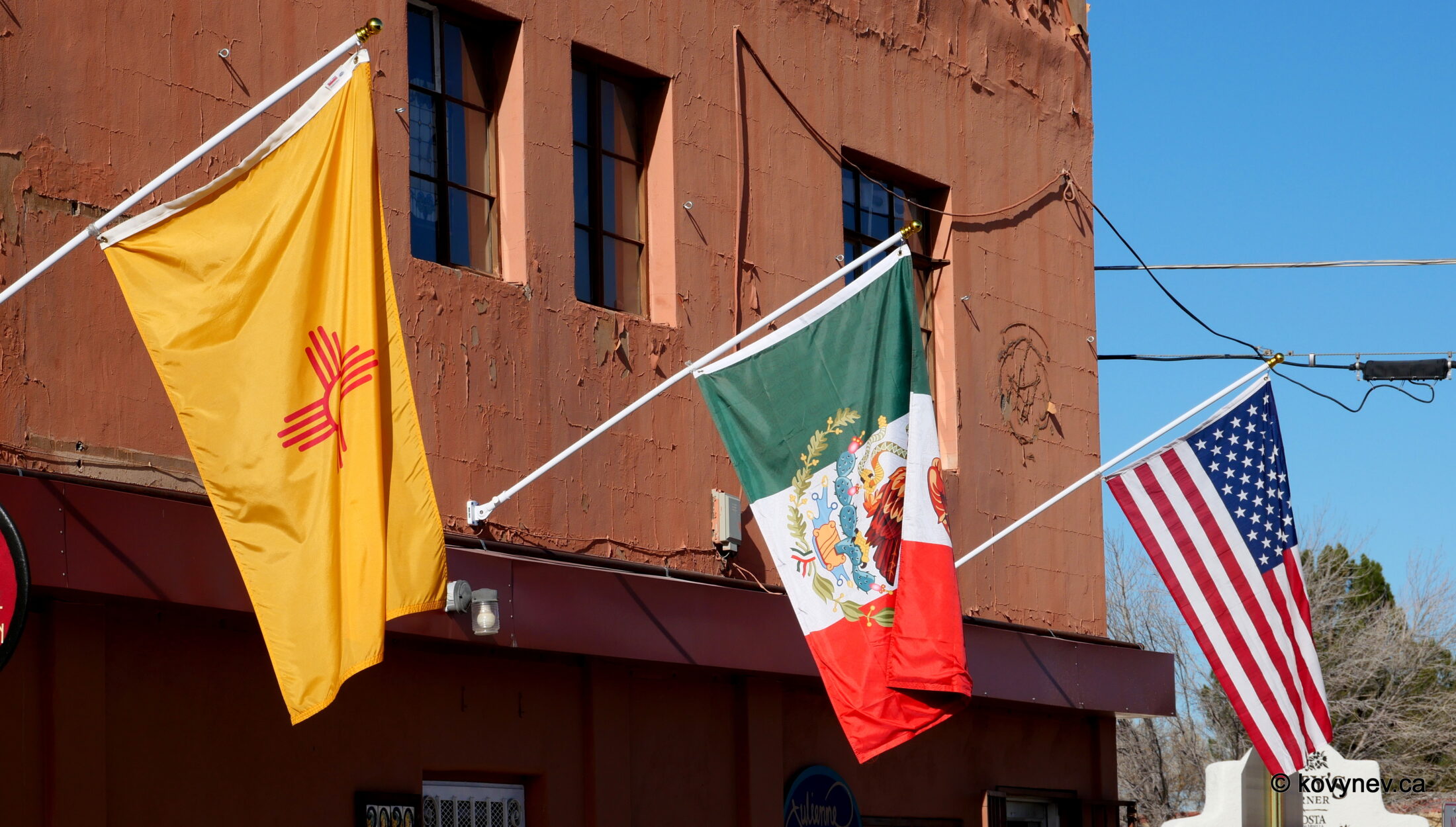
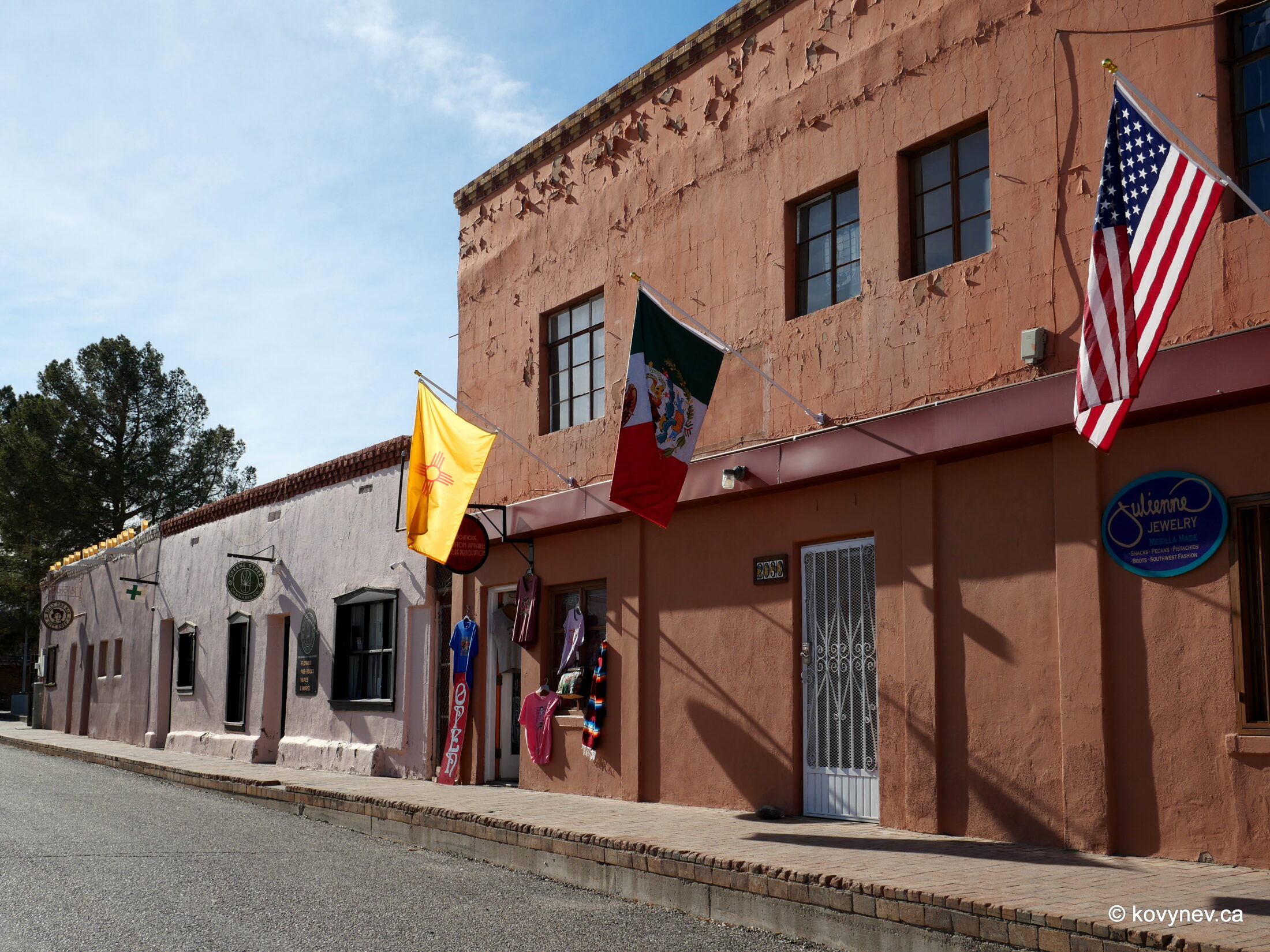
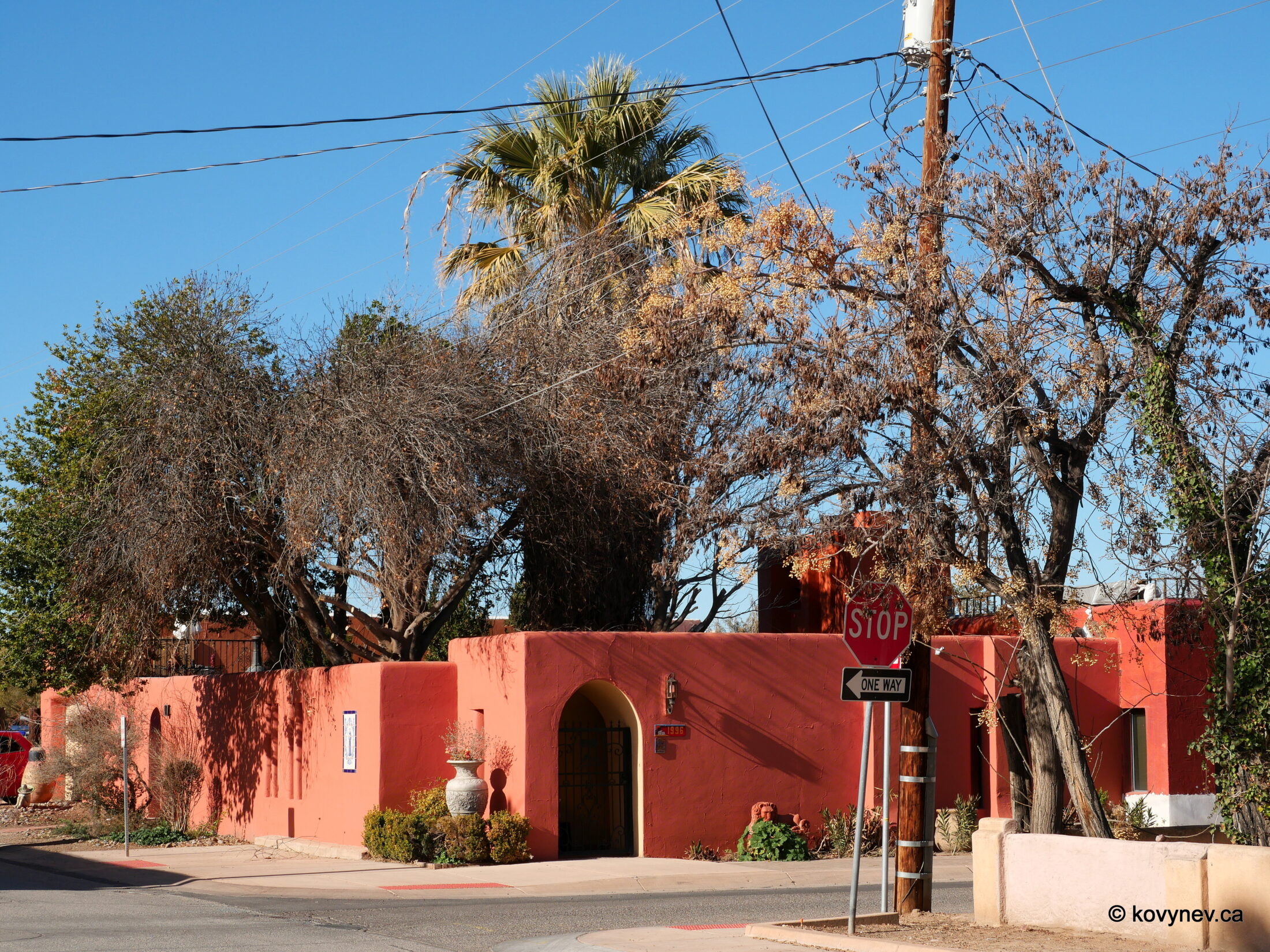
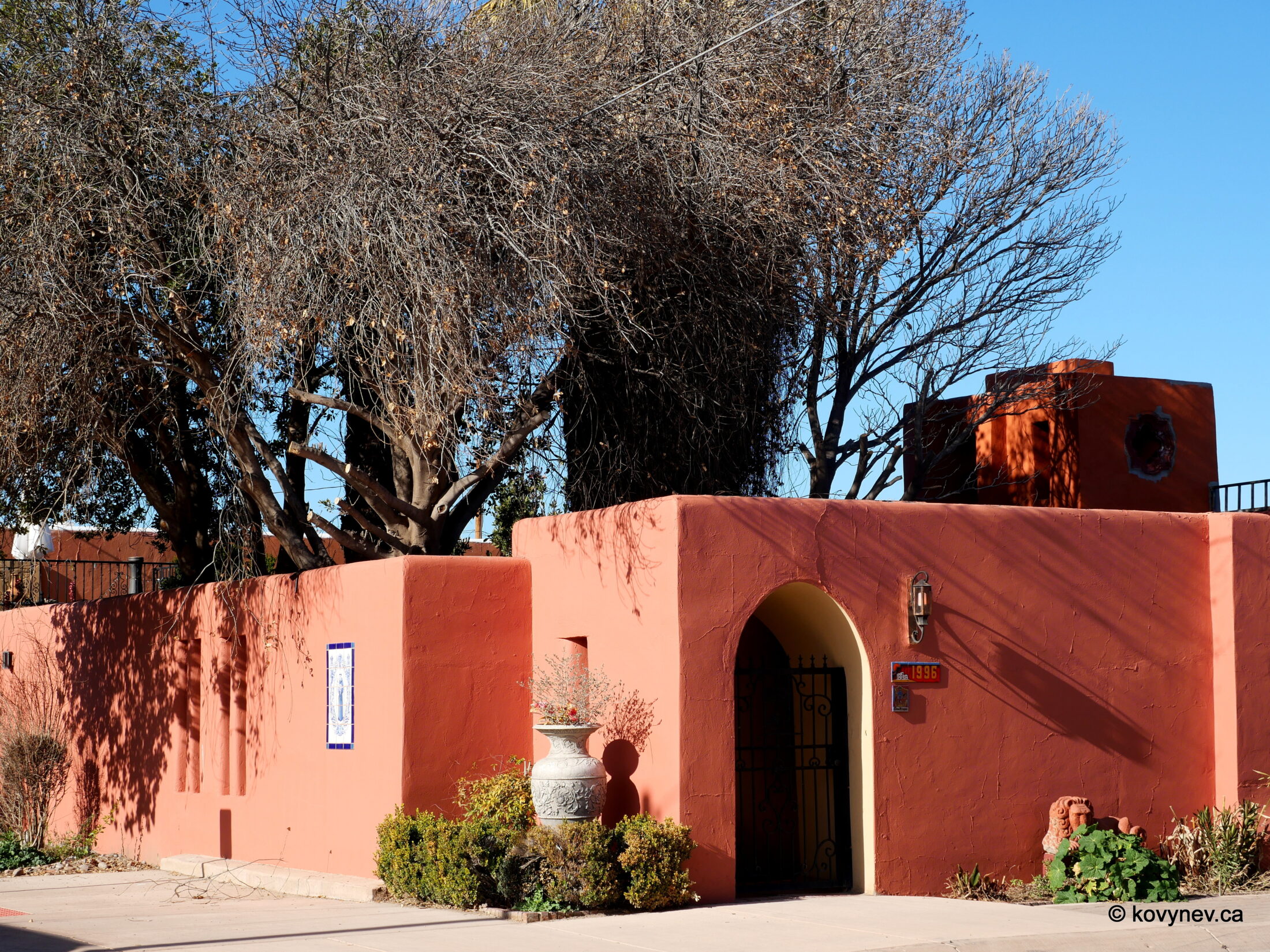
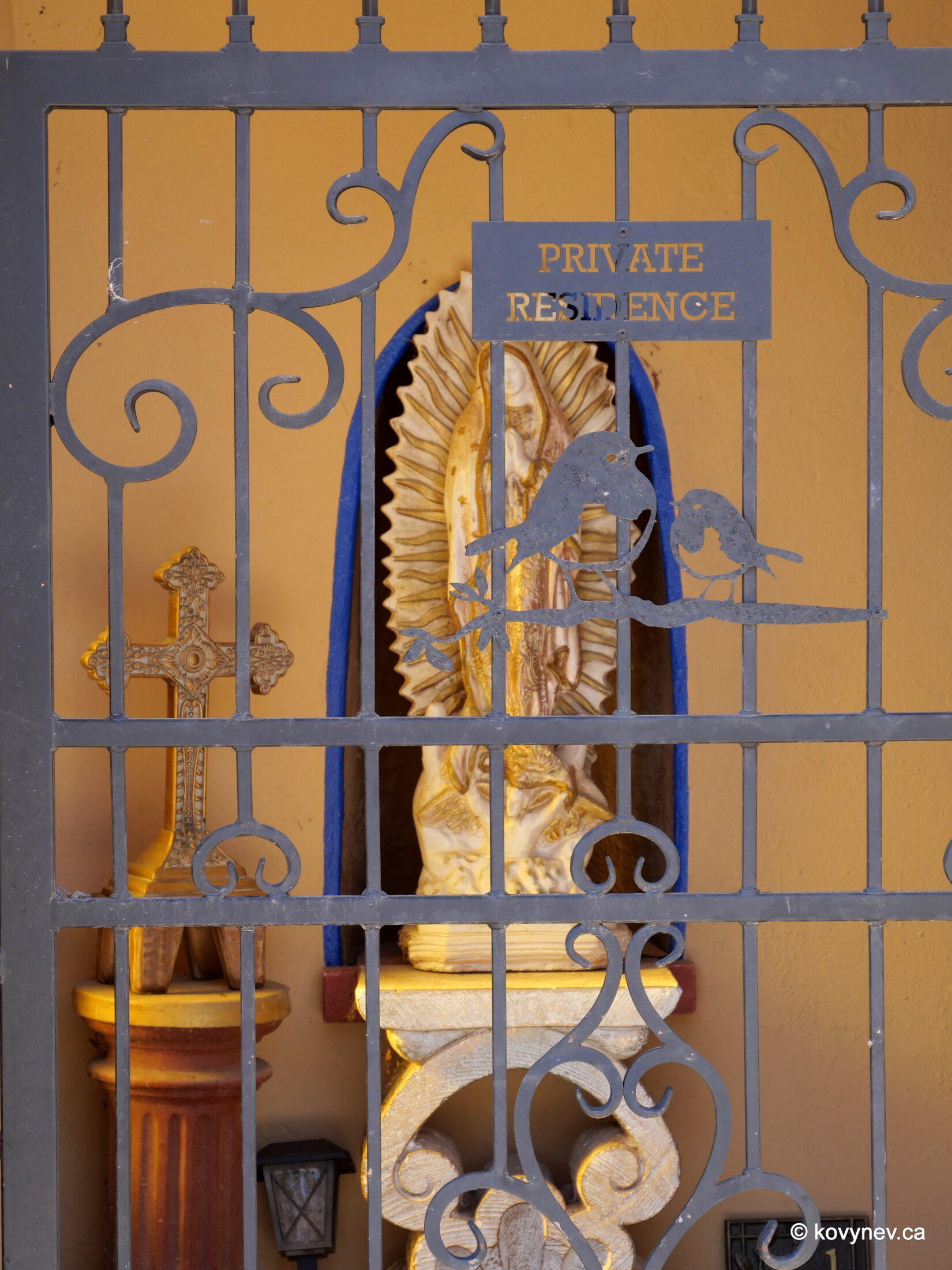
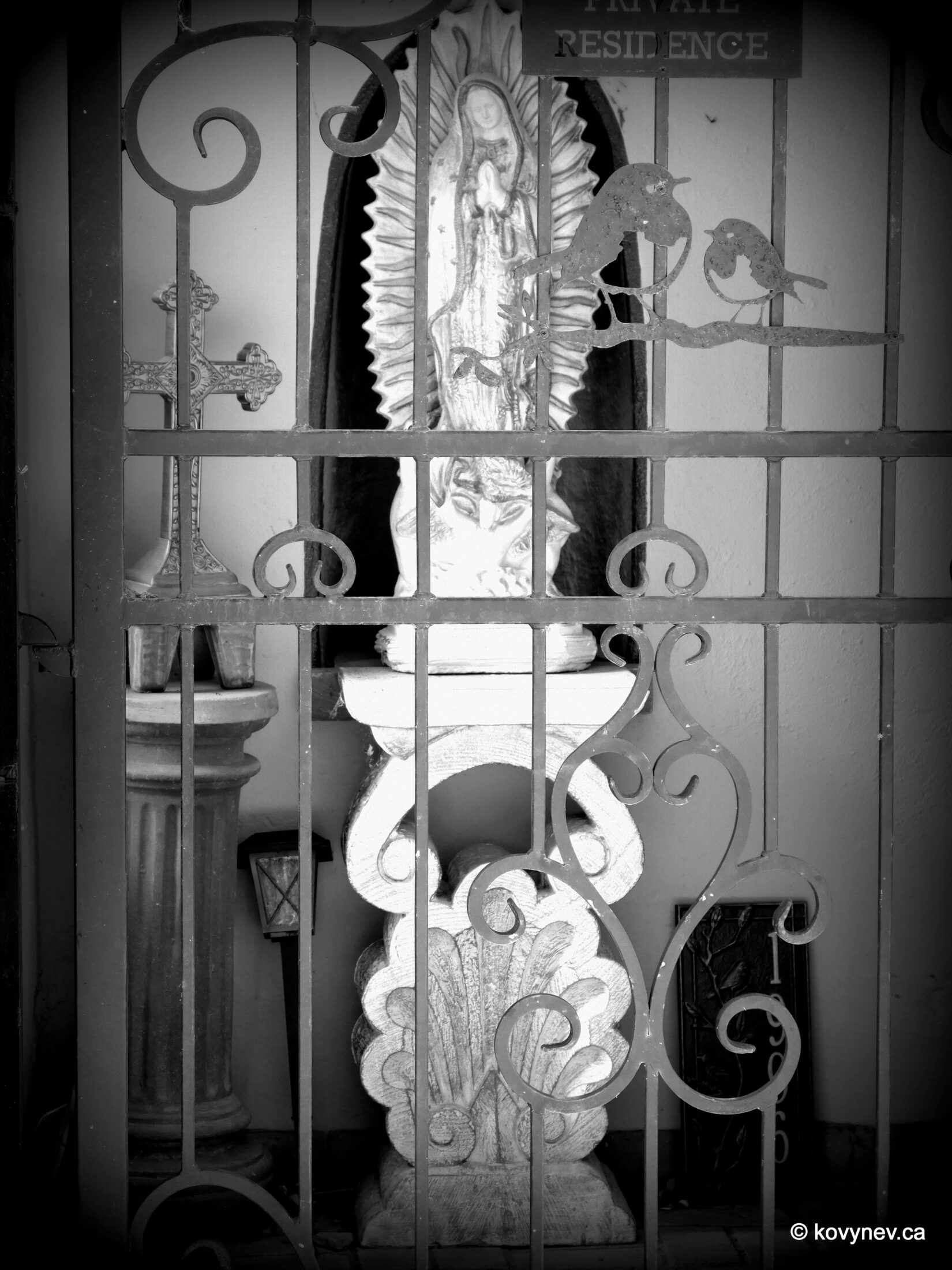
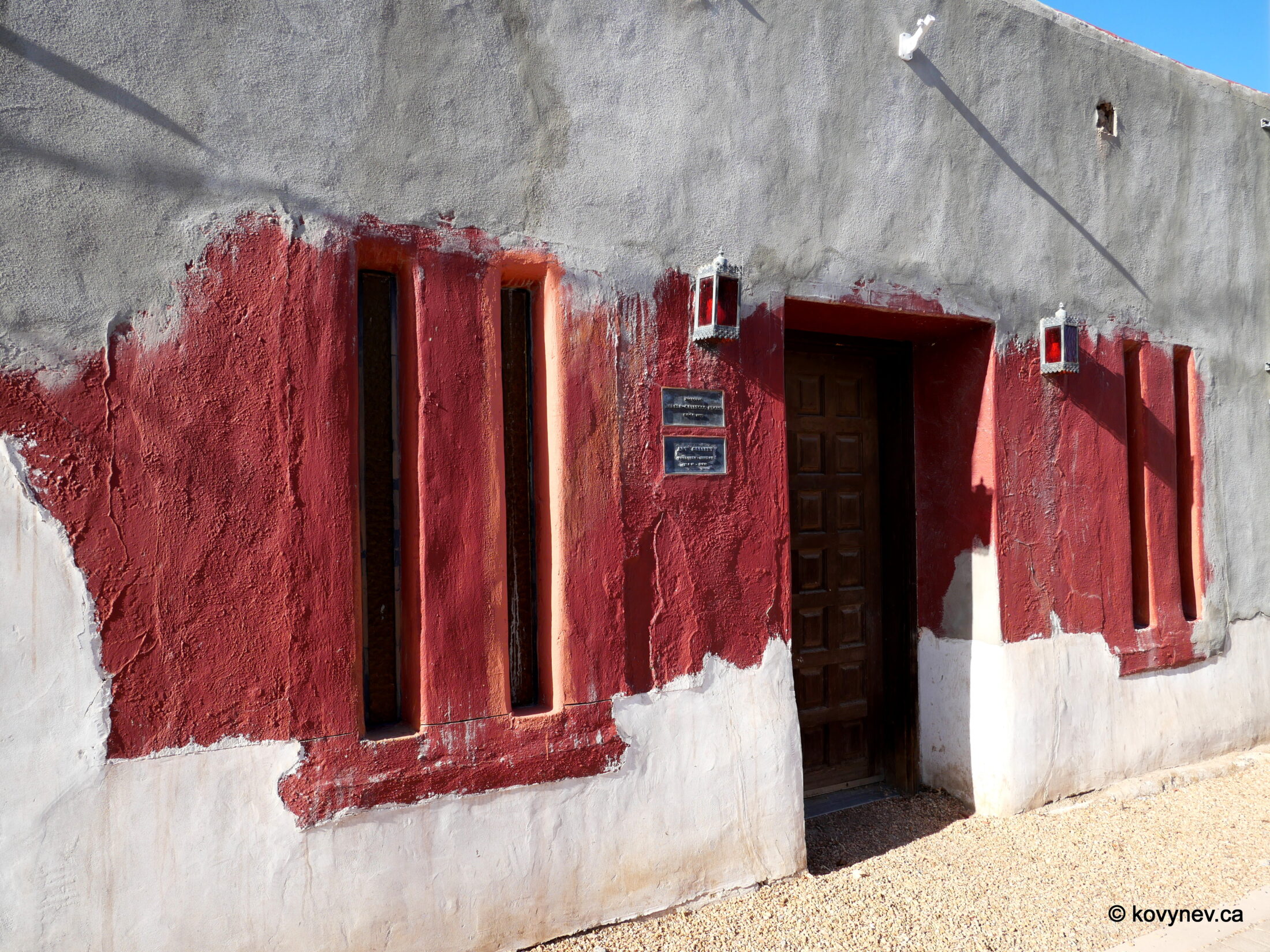
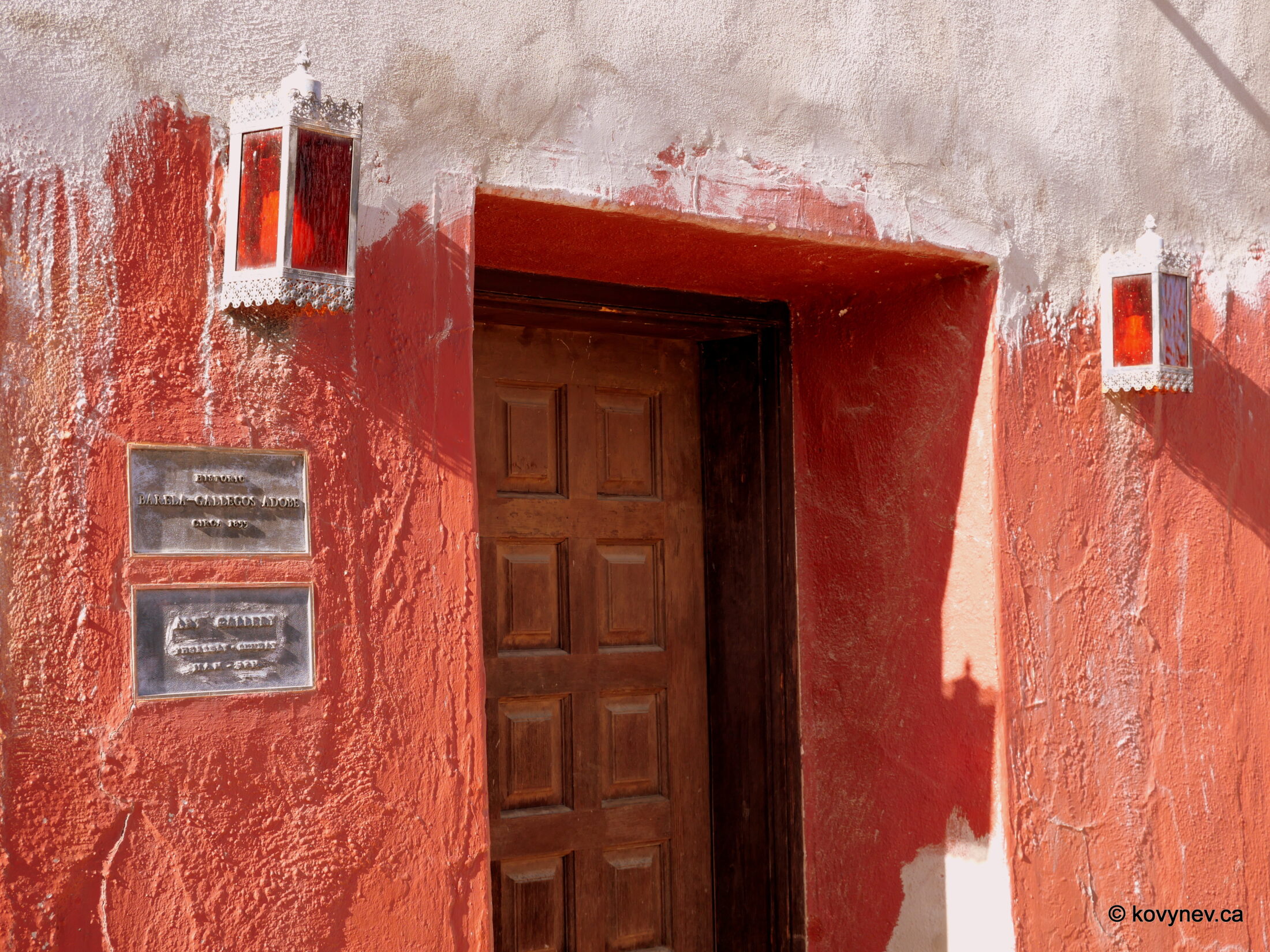
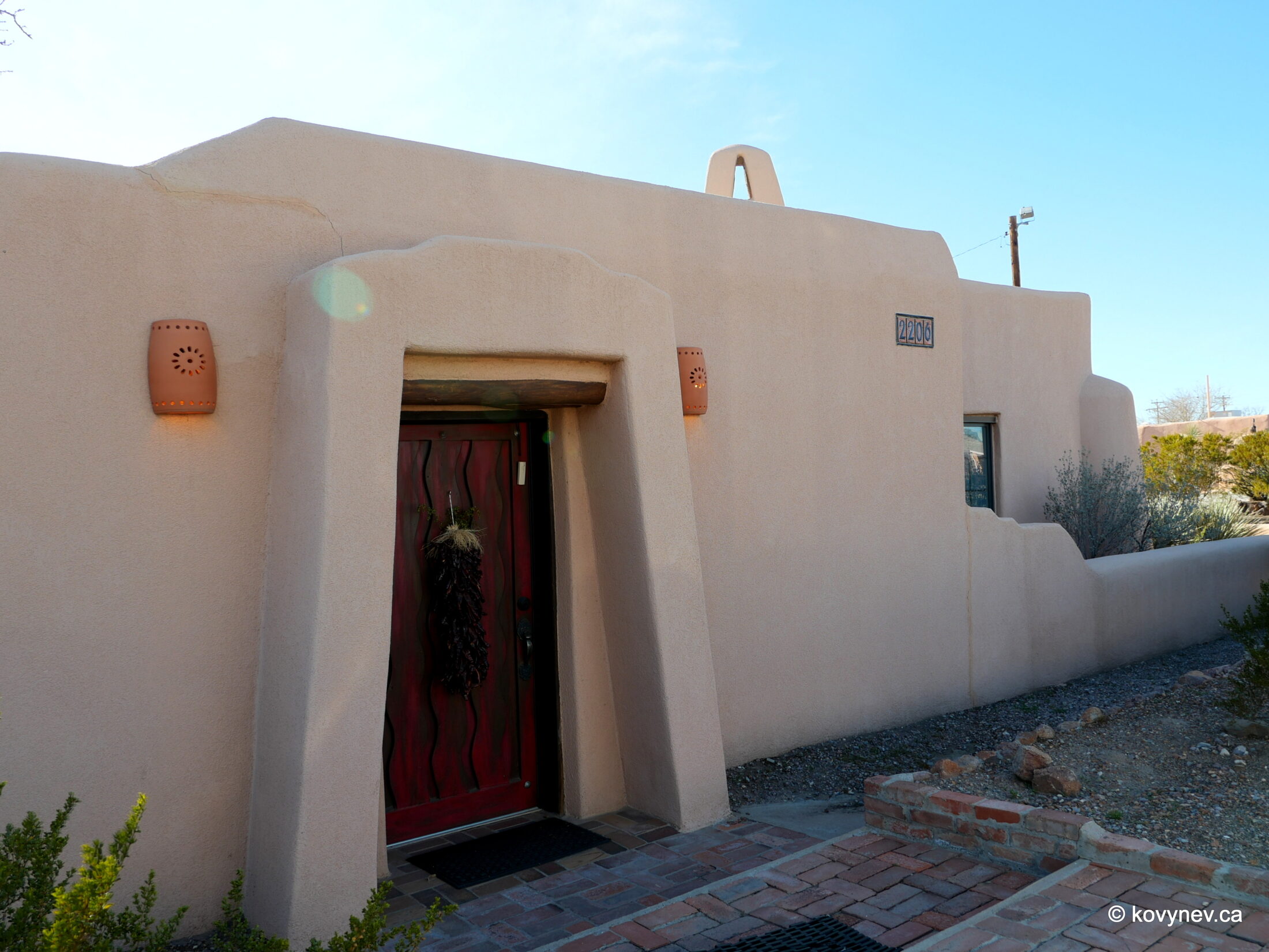
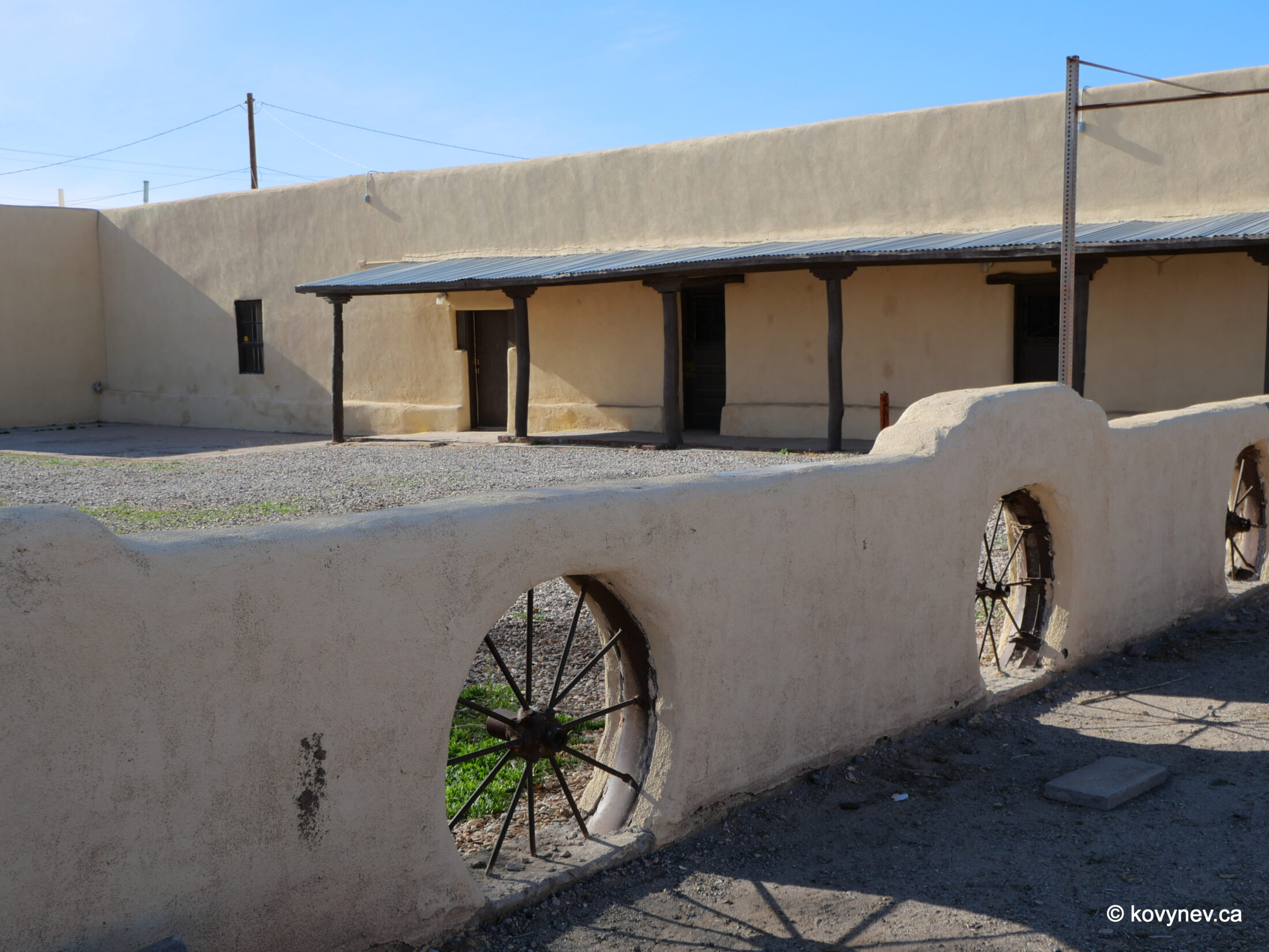
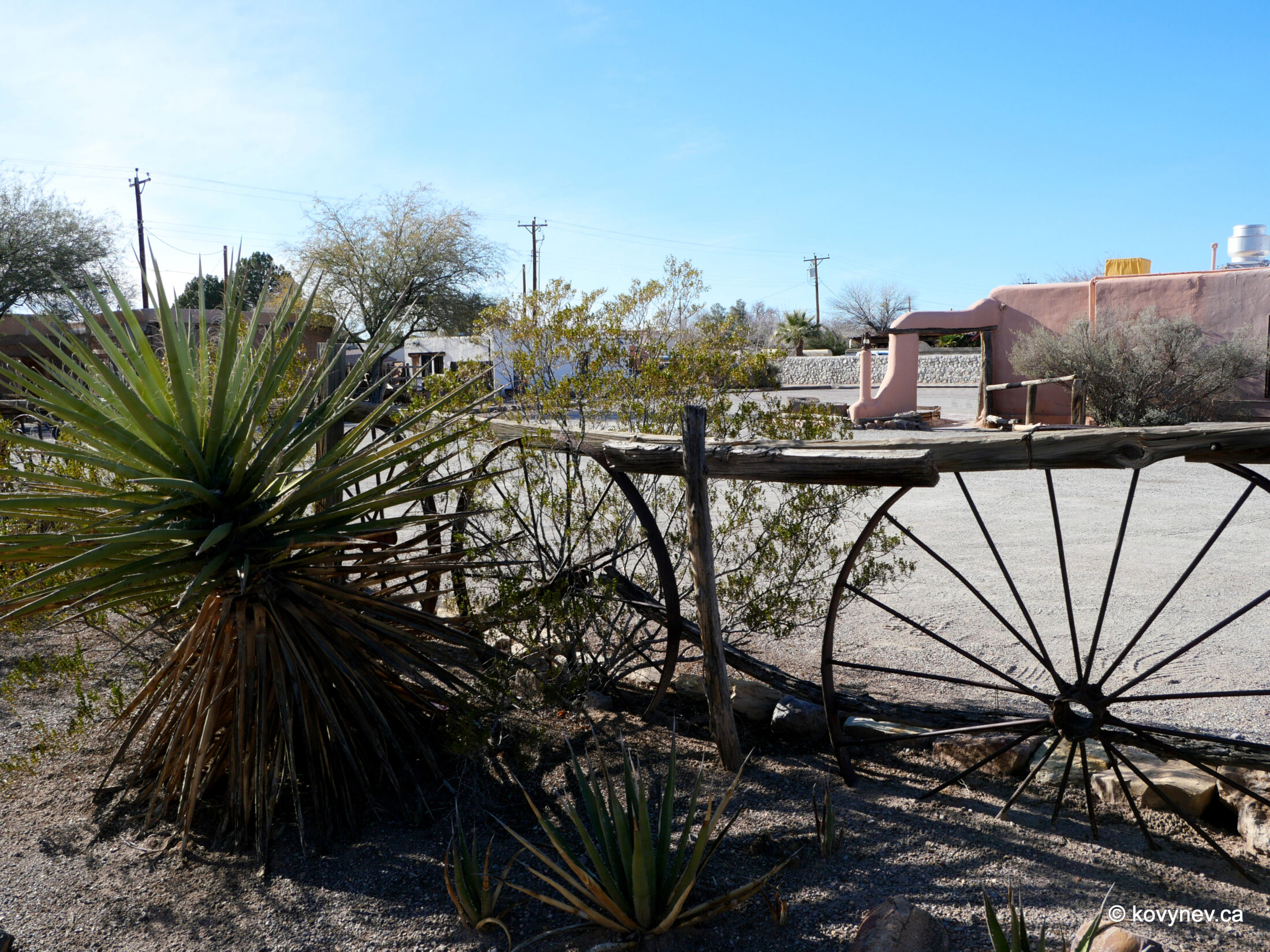
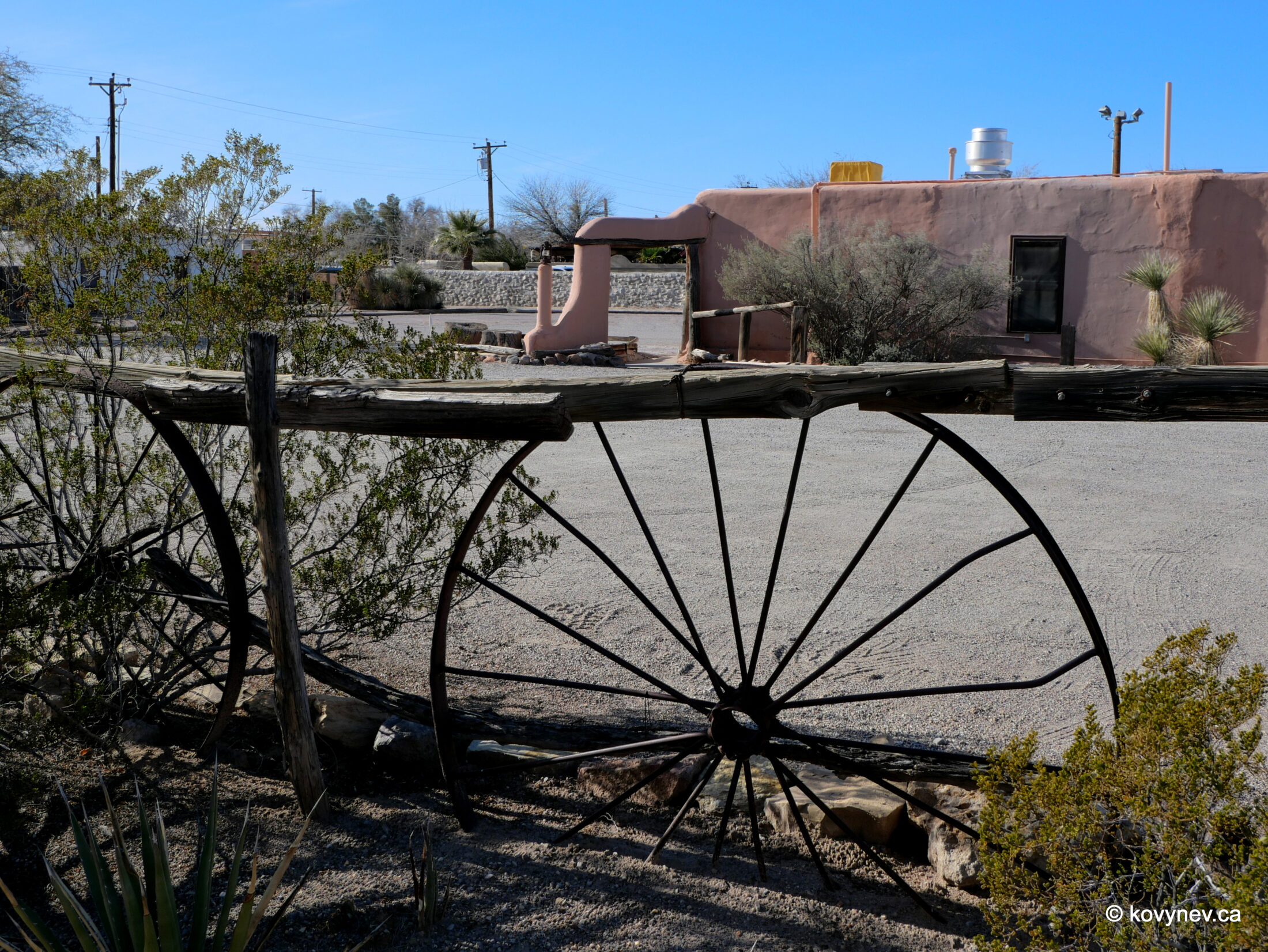
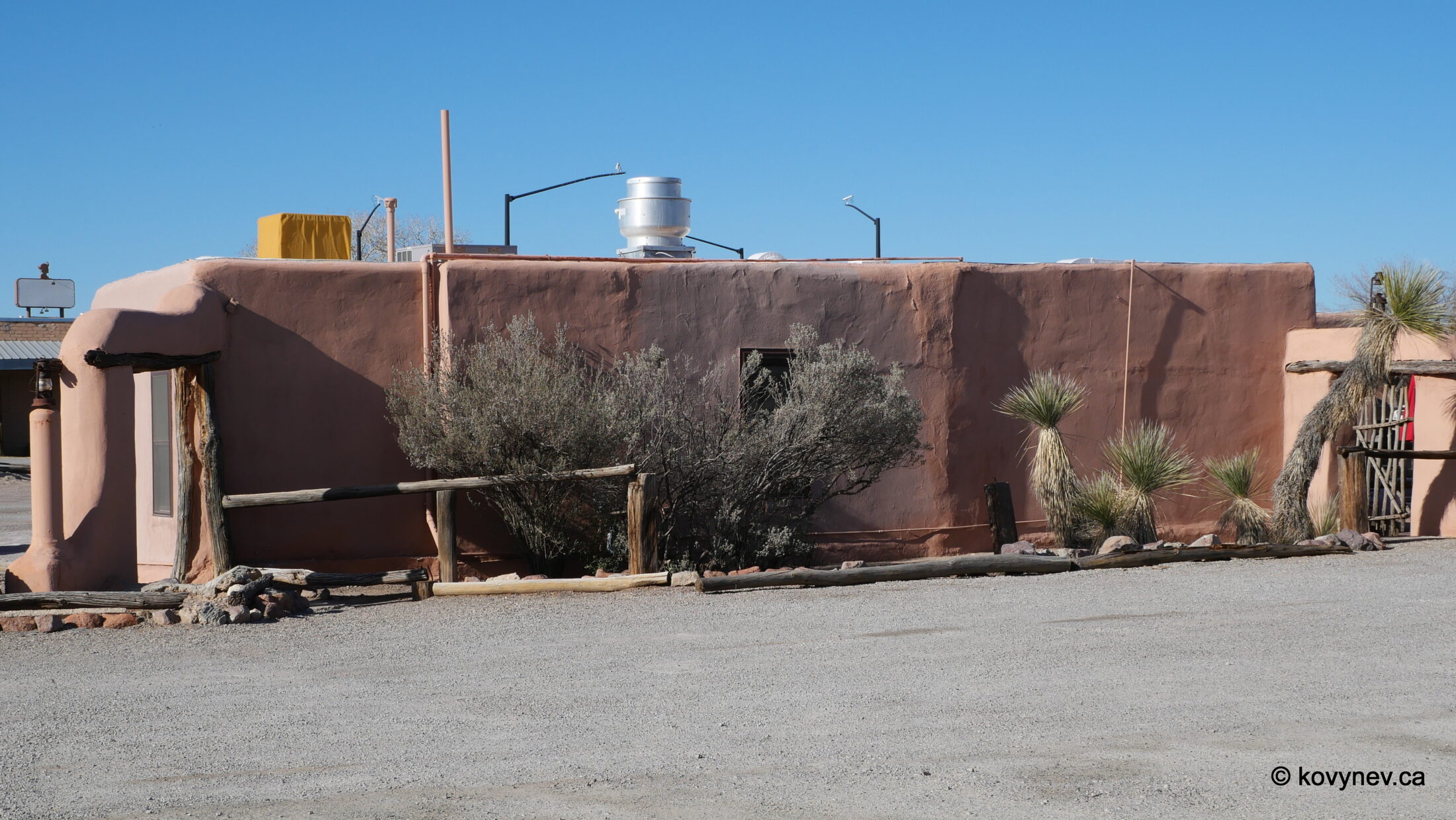
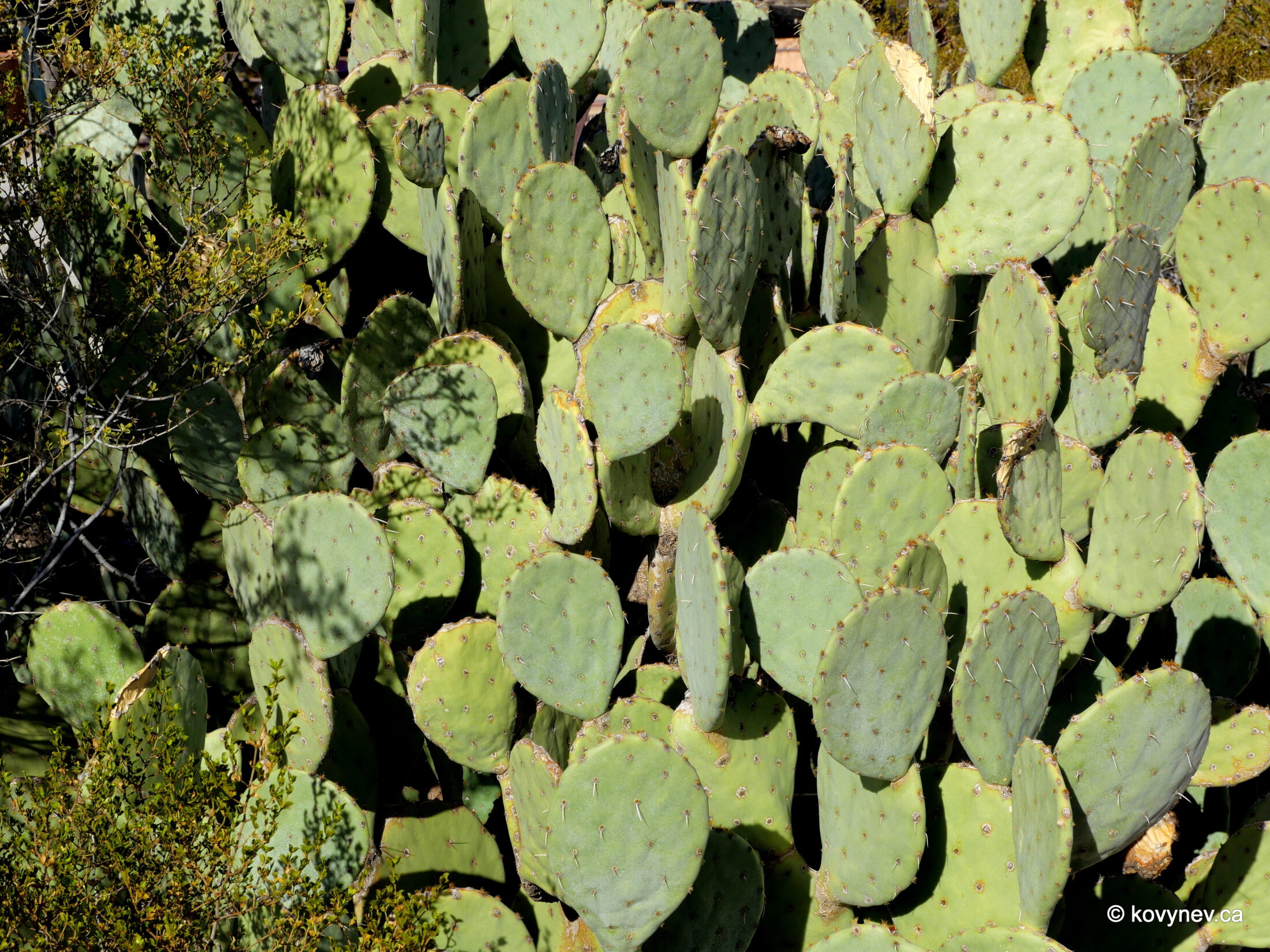
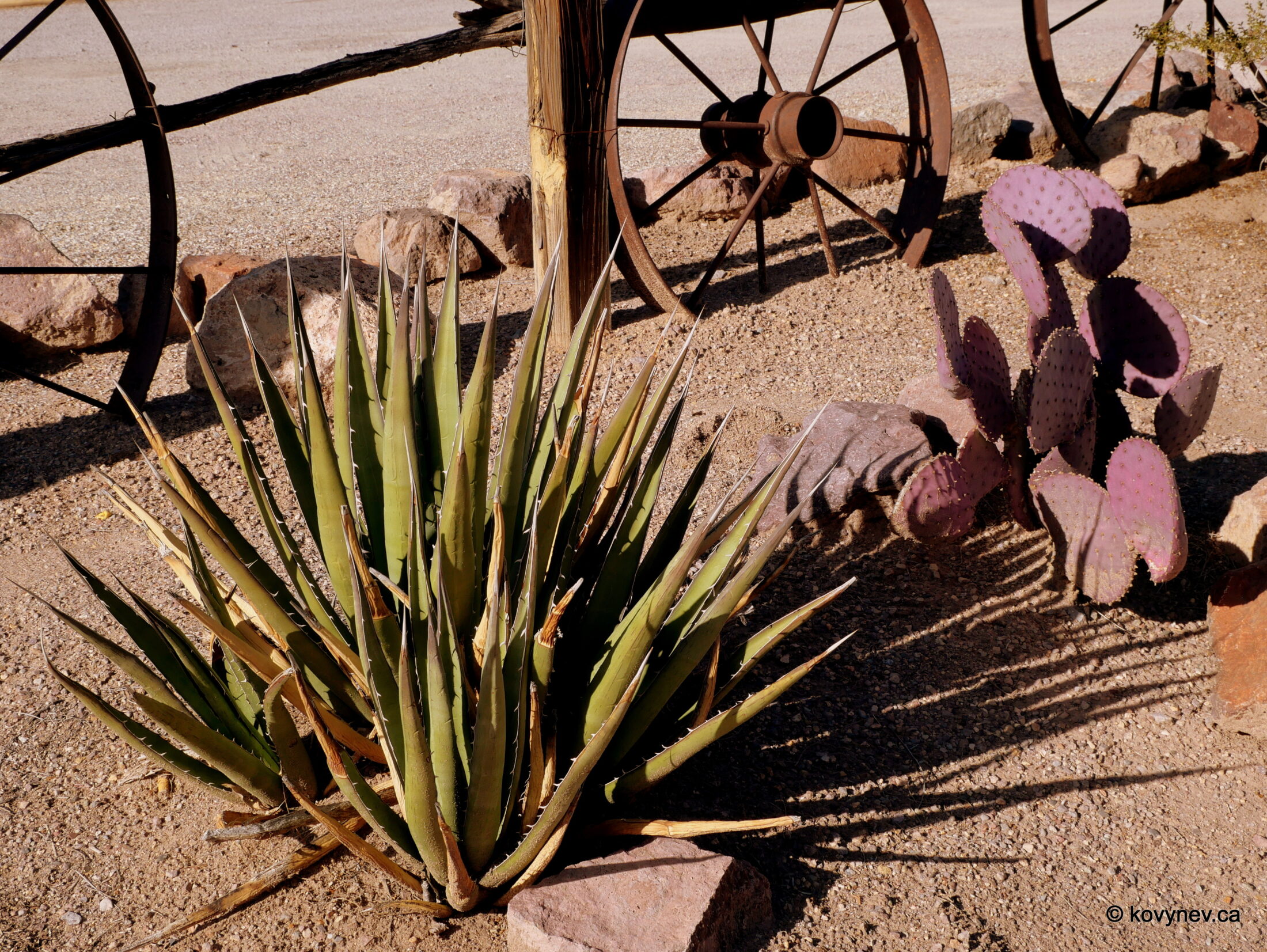
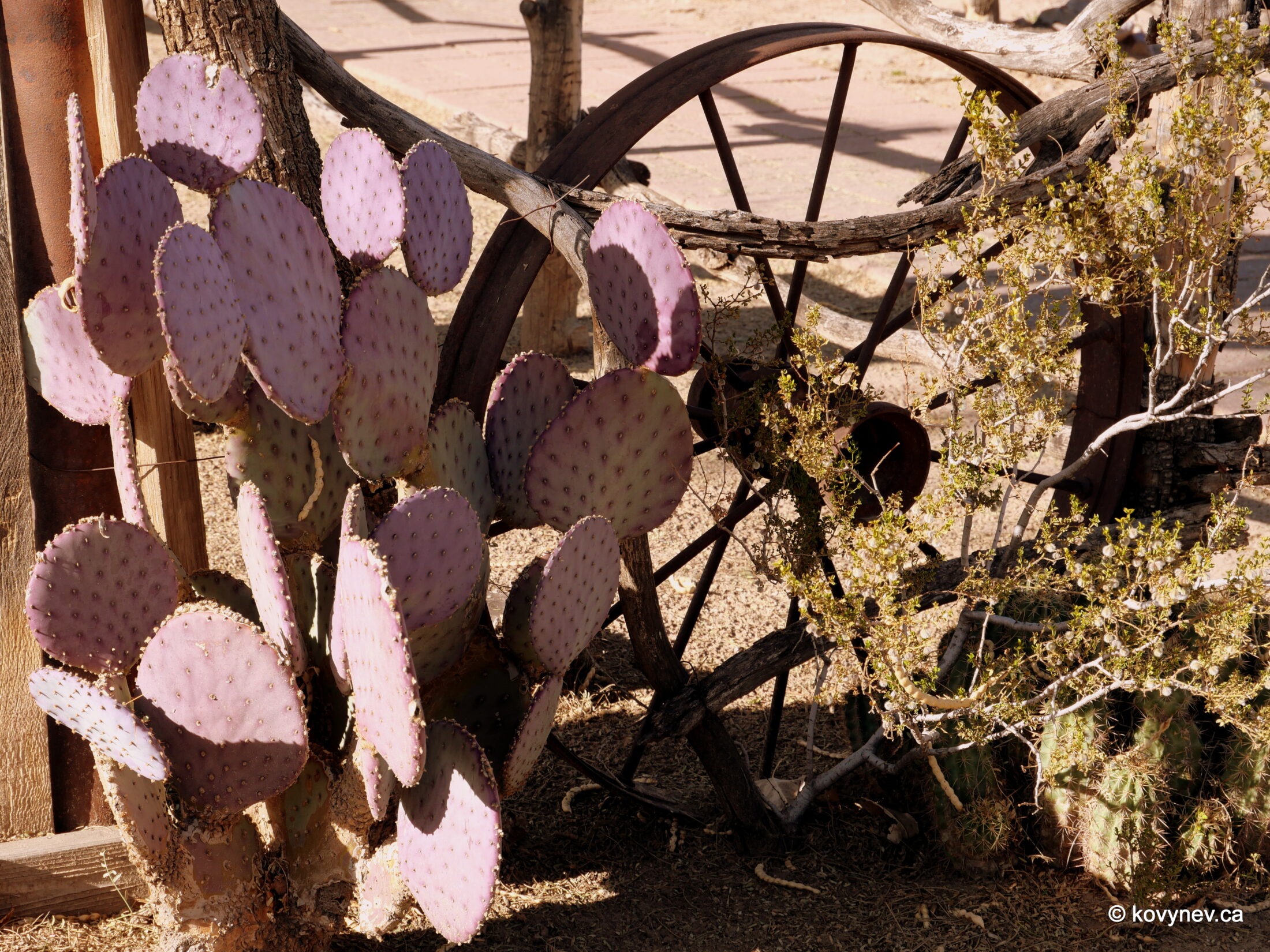
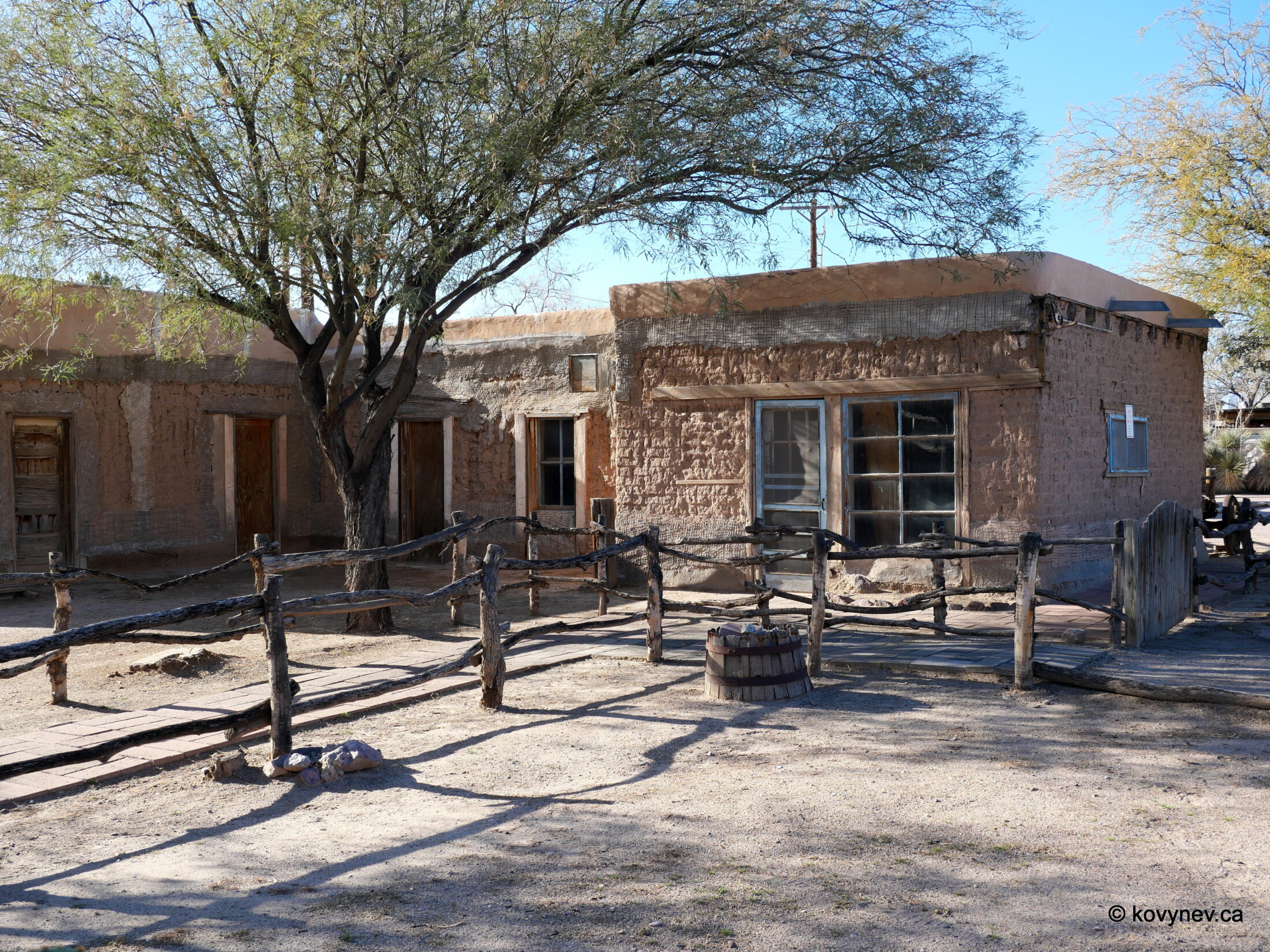
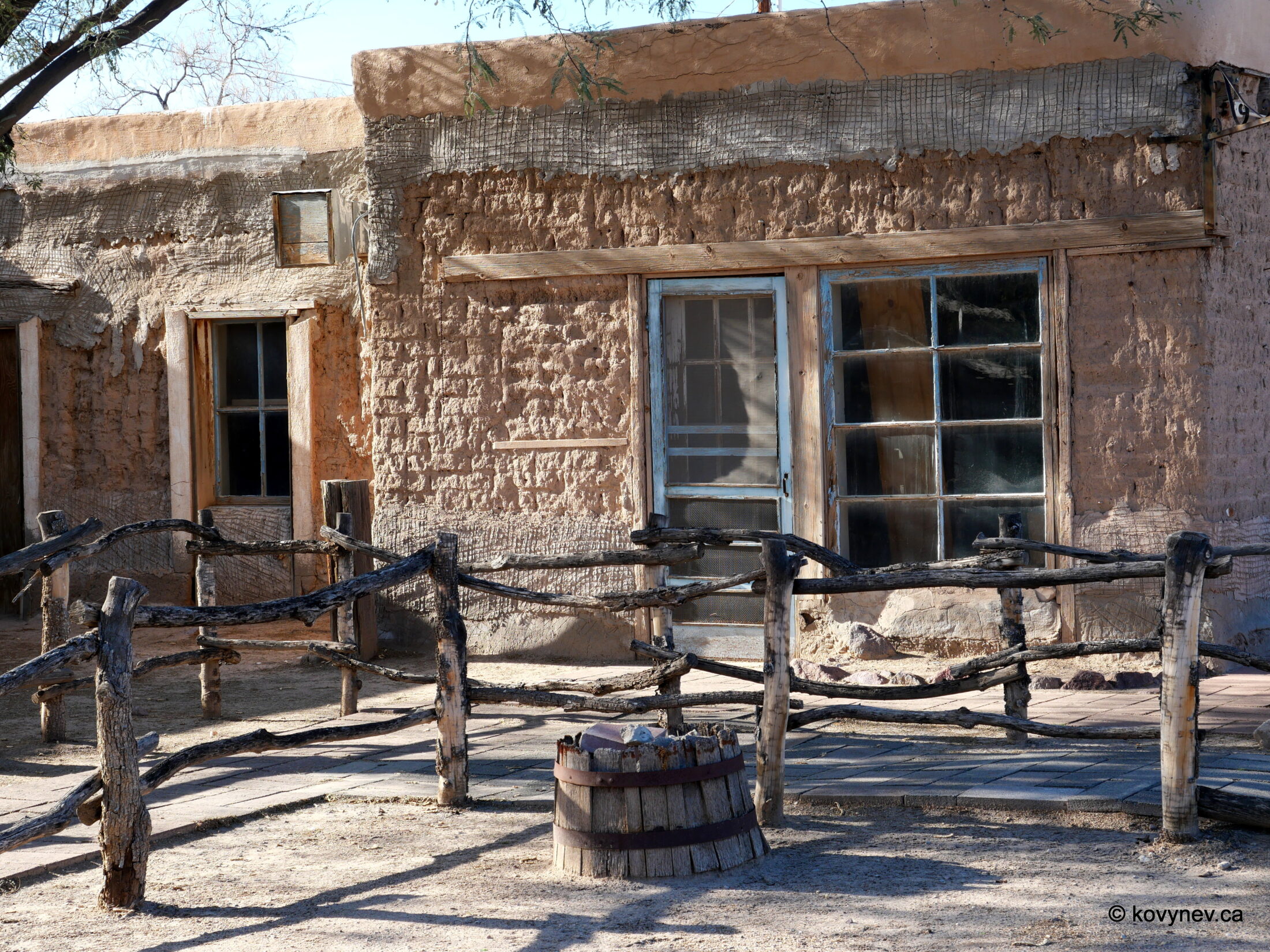
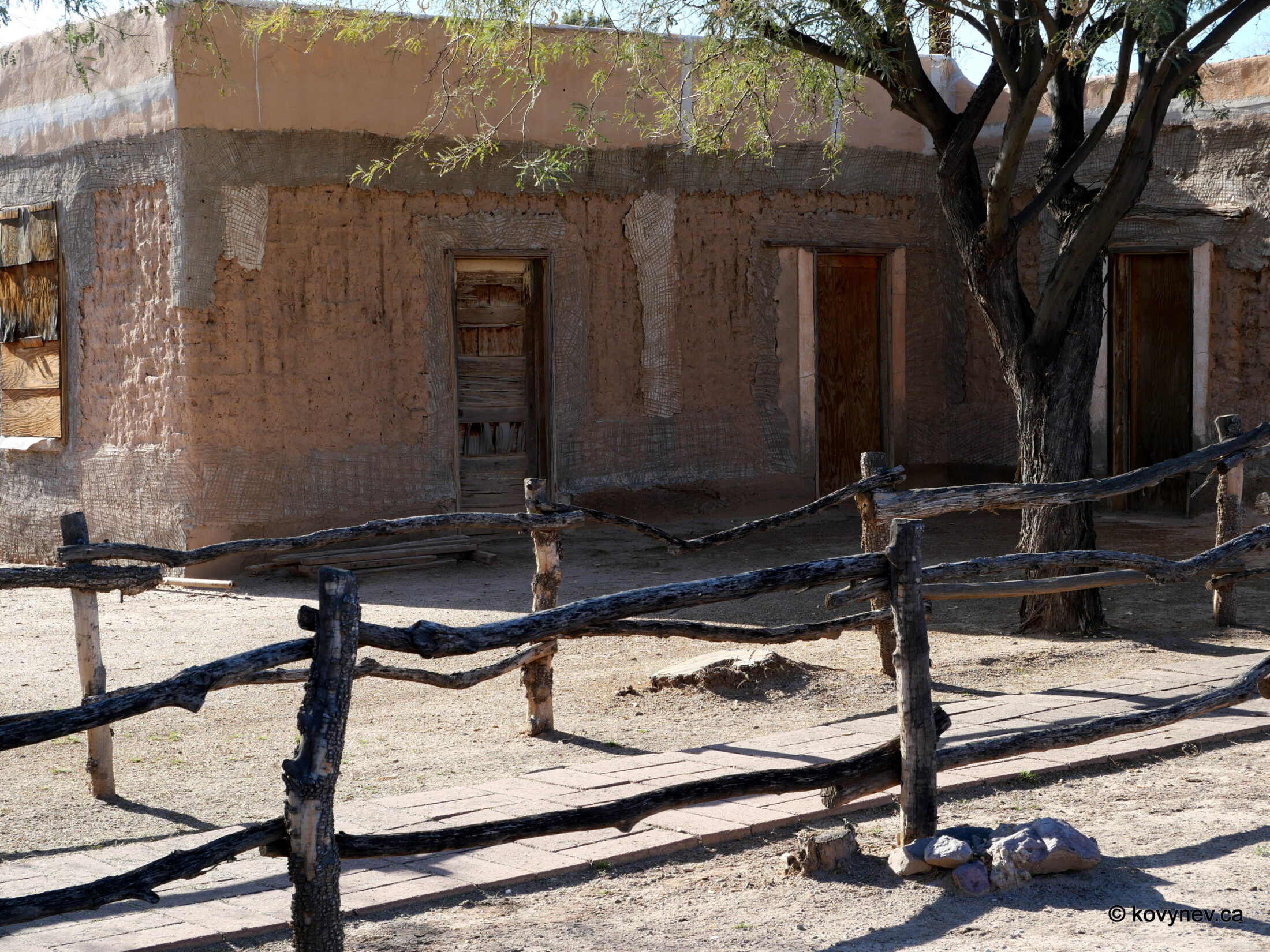
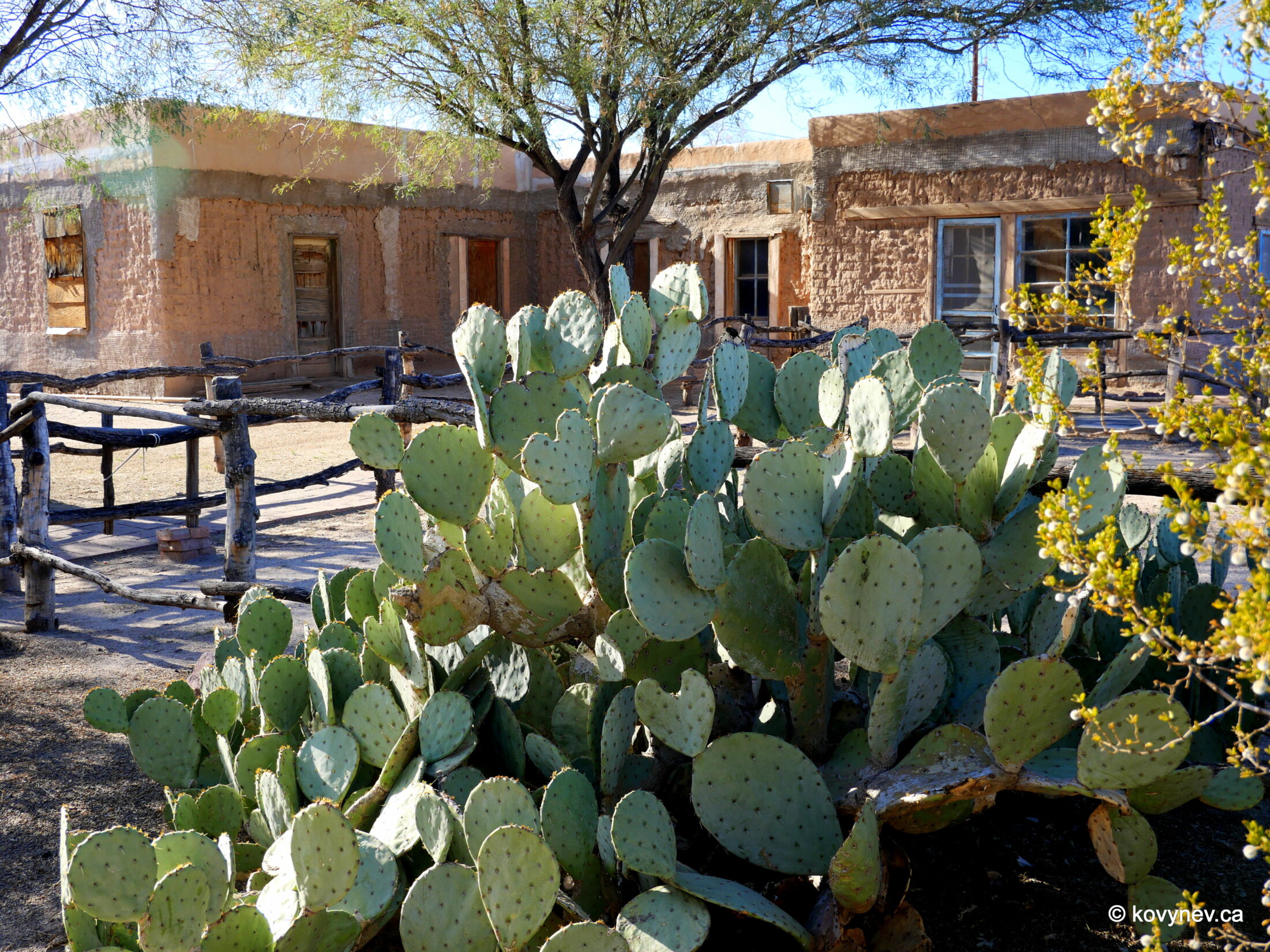
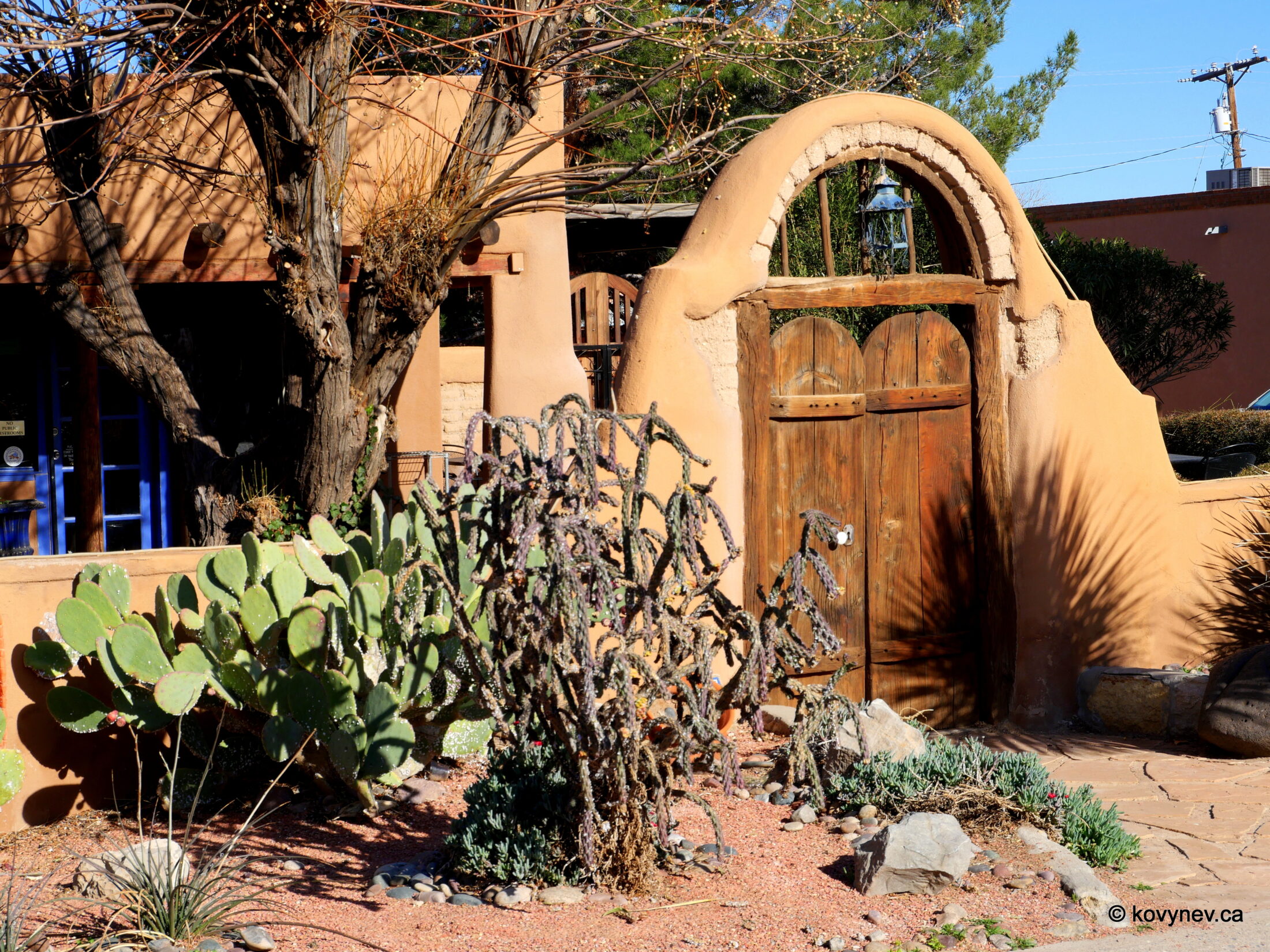
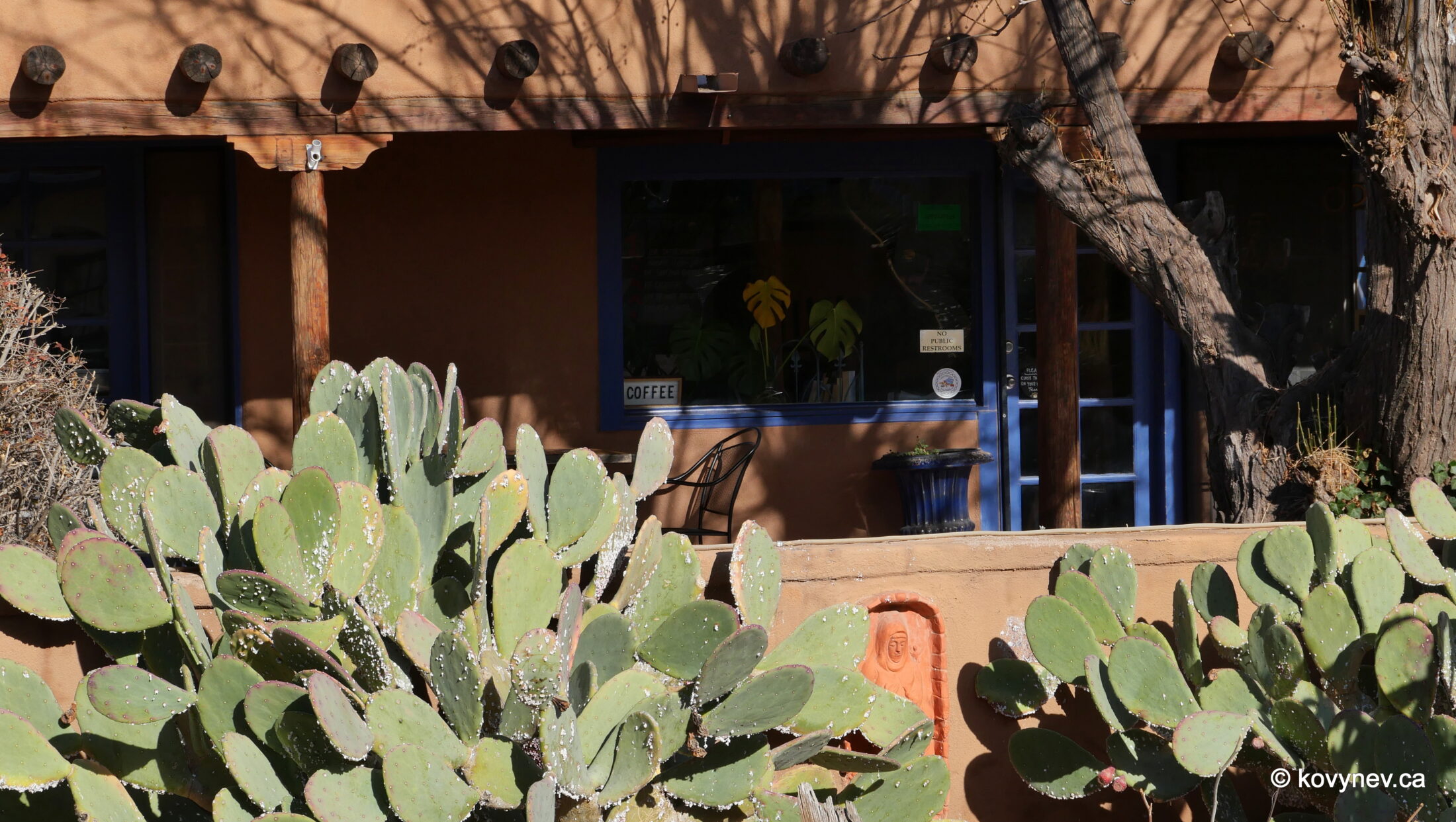
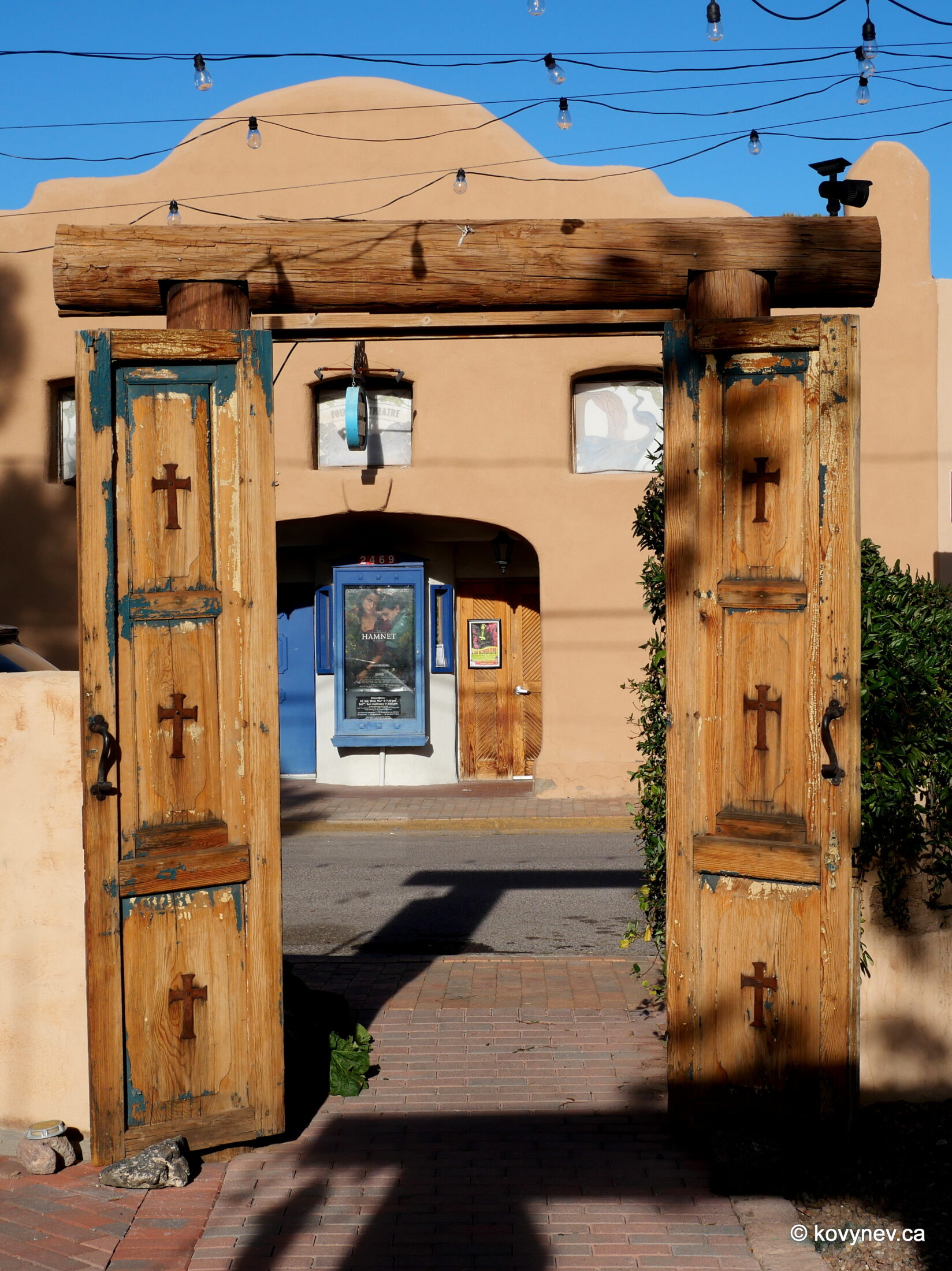
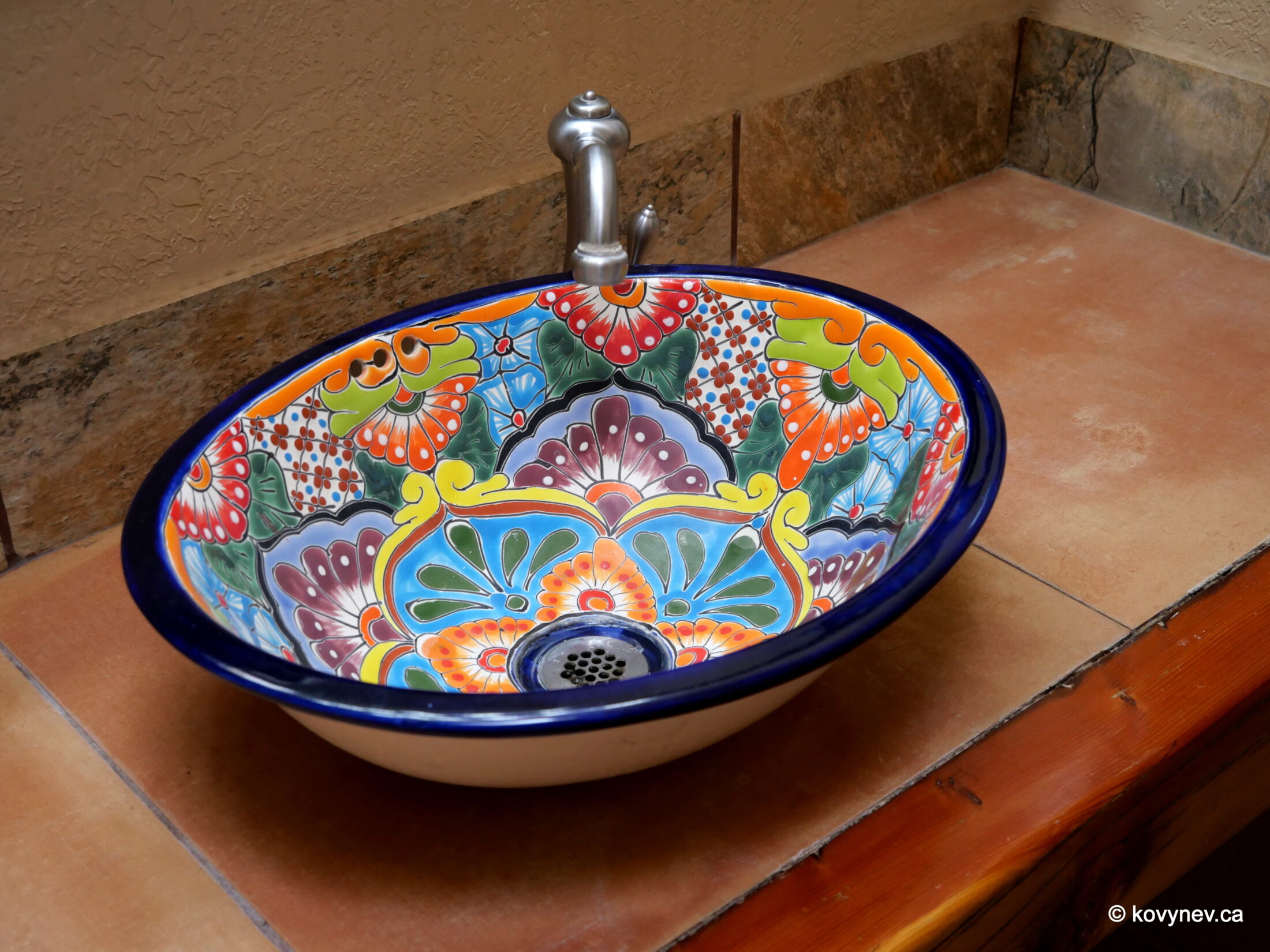
Mesilla follows the traditional layout for Spanish colonial towns, even though Mesilla itself was founded well after the Spaniards were gone. This layout requires a central square with the main town church (in the back there), the local administration building (the long building on the right with the colonnade), and a gazebo/bandstand in the middle.Let′s start with the church then. It′s called Basilica of Saint Albinus (or Basílica de San Albino in Spanish). The church we see now was built in 1906 in Romanesque style, with yellow bricks that replaced the original adobe structure. San Albino (St. Albinus of Angers) is the local patron saint. In the early days of Mesilla, an important irrigation ditch was completed on March 1, which happens to be St. Albinus Day. Let′s step in now.The red-and-yellow canopy in the corner is called Ombrellino (Umbrella) and is one of the features that distinguish basilicas from "regular" churches. See, for the Roman Catholics, a basilica is a church that is significant for some reason (be it religious, historical, etc.), so when the Pope is in the area, he will be celebrating the Papal Mass in that church. ⇨ ⇨ So, basilicas must have 3 specific things to "accommodate" the Pope - a bell of a pole (Tintinnabulum), used to announce the Pope′s arrival, Ombrellino, which we just saw, and the Papal Coat of Arms (2 crossed keys, also called "St. Peter′s keys"), incorporated somewhere in the church′s ornamentation. Usually, as a banner hanging on the wall.I think, it′s San Albino himself at the top of the altarpiece, which, by the way, in the Catholic Church is called reredos (pronounced REAR-dos).I tried to make the intricate decorations on these candle stands more prominent.The stained glass windows are, probably, the most interesting part of this church.The choir loft.And we are back outside, in the plaza, looking at quiosco - the "kiosk", a bandstand - an indispensable attribute of the plaza in a Spanish colonial town.This one bears the insignia commemorating the Treaty of Mesilla of 1854 I told you about earlier.The other side of the bandstand boasts the coat of arms of Mesilla, with the Spanish phrase "Praying to God and hammering away" under it. It looks like this phrase is the town′s motto, but it′s not. It′s just a Spanish proverb.Another mandatory building in the plaza is La Casa Royale, "the royal house", meaning - the local administration building. Always to the left of the church, when facing the plaza. Now it′s just a bunch of restaurants.One more building that just has to be mentioned, right next to La Casa Royale. This one. It was built around 1850, and originally served as the county courthouse and jail, until the county seat moved to Las Cruces. Now it′s a gift shop. The name of the store is "Billy The Kid Gift Shop". Quite specific name, no? Well, the reason is, the famous outlaw was tried here, in this very courthouse, and sentenced to death for his many transgressions. But he didn′t die just then. He escaped, and was shot by a sheriff in a chance encounter a few months later. The boy just couldn′t catch a break...The white building in the back there is a famous restaurant now, called "La Posta". That′s because it′s located in a compound, which originally served as a warehouse for a freighter service and a stagecoach station. When I say "a compound", I really mean it. The building is 17,000 square feet, and it houses 12 dining rooms. It also has a special place in Mesilla′s, and the whole of the Southwest′s, history. Among people who were hiding behind these walls at different times were various fabled outlaws - Billy the Kid, Kit Carson, and Pancho Villa. Sounds like Mesilla was a hotbed of criminal activity back in the day. The entrance to the restaurant, way down the street from the plaza.We are back at the plaza, now looking at the so-called Taylor-Mesilla Historic Site. It′s a number of buildings once owned by a guy named J. Paul Taylor, which he then donated to the city.The buildings included his own residence (this one), ... ⇨ ⇨ ... and a couple of storefronts, including this one. Now they all house the town museum. You can still see the store′s name on the fronton.Now we are done with the plaza, let′s just have a stroll around town.I was wondering, what this installation in the courtyard is for. Still wondering...Just a regular house, where "real" people live. I think it might be interesting to see this too, not just the touristy stuff. An example of the very common natural phenomenon in the Southwest, called marcescence, when the tree leaves wither during the winter, as they are supposed to, but their stems stay alive and attached to the branch. So the leaves never fall.A movie theatre. Looks like a surprised child, with its mouth open, no? The three flags here are New Mexico’s, Mexico’s, and the USA’s. The Mexico one is a bit weird-looking. The coat of arms in the center (called an escutcheon in heraldry) is much bigger that it should be. But it′s Mexico′s flag alright. Mesilla does not forget its roots.New Mexico′s flag (the yellow one in the back) boats Zia Sun symbol. A guy named Harry Mera, an archaeologist, came up with this design, using a symbol he saw on Zia Pueblo people′s pottery. The Zia were not consulted when the design of the State flag was adopted in 1925, and are pretty vexed about it now.A statue of Virgin Mary in someone′s entryway. Here we are in the outskirts of the town, where they still have the whole homesteads, not townhouses. What you would call "a grange" in English. Some of them are quite fancy, making a statement with the traditional wagon wheels fence.Some - quite rustic, still keeping the fence as it was originally (judging by the state of its disrepair). You have to excuse my love for cacti. I grew up in a country, where there are no cacti, or palm trees for that matter. I now live in a place where you can occasionally see a palm tree, or even a banana plant, but not cacti still. So, they are a fascinating excotic for me.And here we have the REAL adobe house. Remember, I said that we usually call the smooth, round-edged pretty houses "adobe", but it′s a misnomer? This is how a true adobe building looks like.Adobe is just a way of construction (with clay/mud bricks), not the look of the exterior of the house. Sure, you can make this building pretty with enough plaster, but you don′t have to. It would still be adobe. Maybe even more so. Ooh, so rustic and crude...And, as a closure for our walk around Mesilla, a couple of pictures from a restaurant I stopped at for lunch. This is the restaurant′s gate, opening into a nice, shady patio. ⇨ ⇨ And a cute sink in the restroom. Remember, in Santa Fe we talked about the Spanish majolica style called "Talavera"? This is it. And this is it for Mesilla too!Press ESC to exit