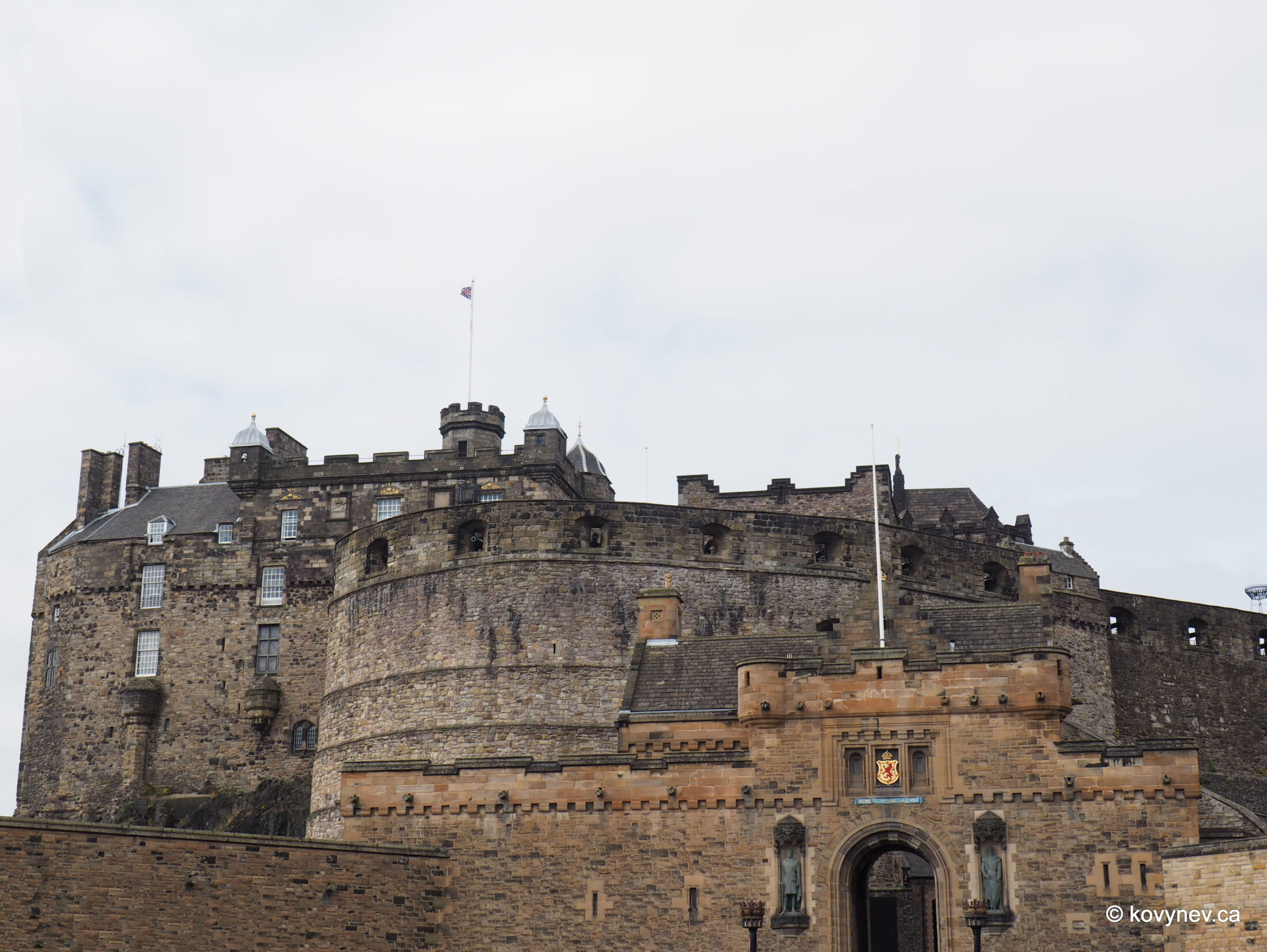
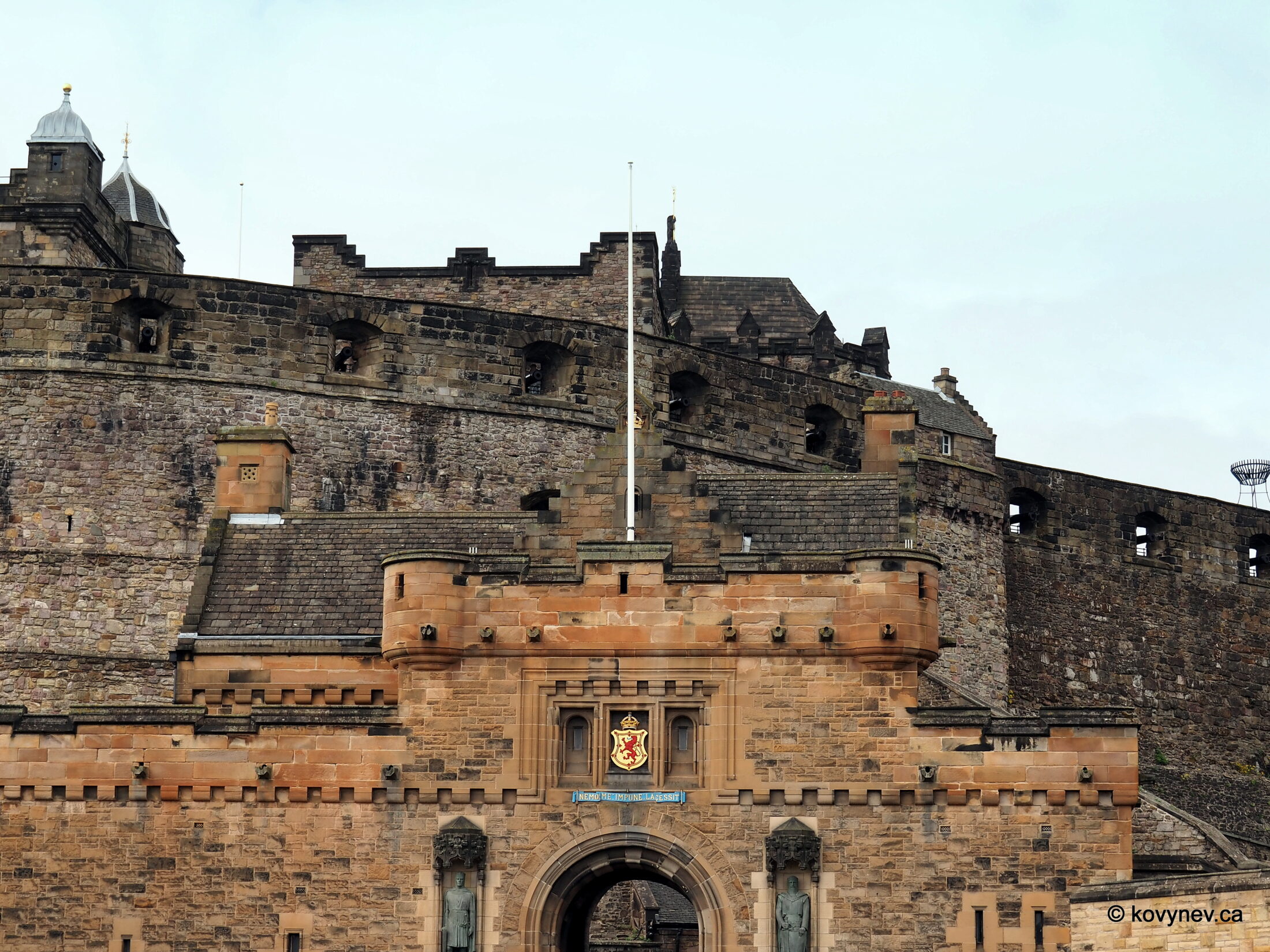
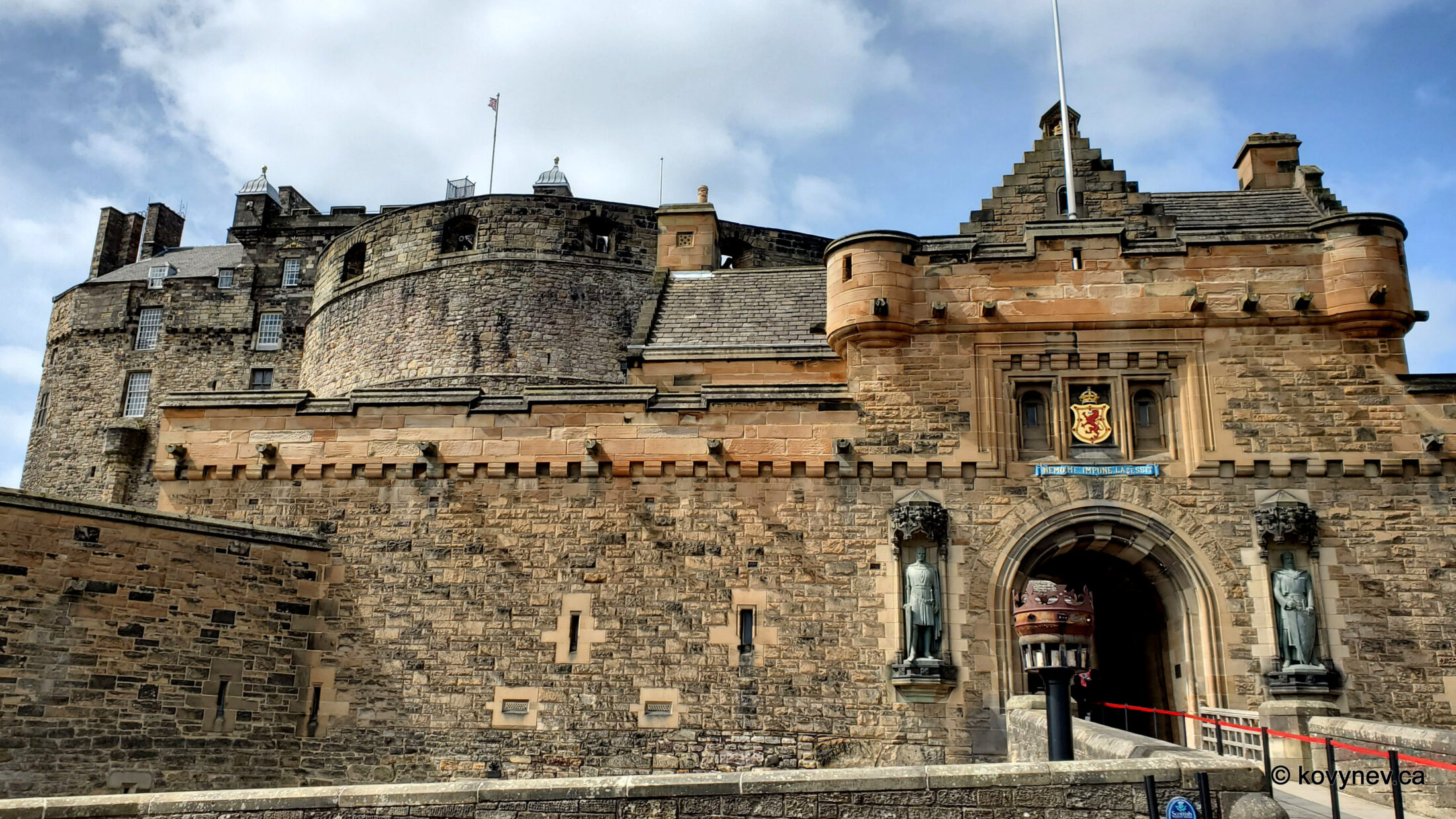
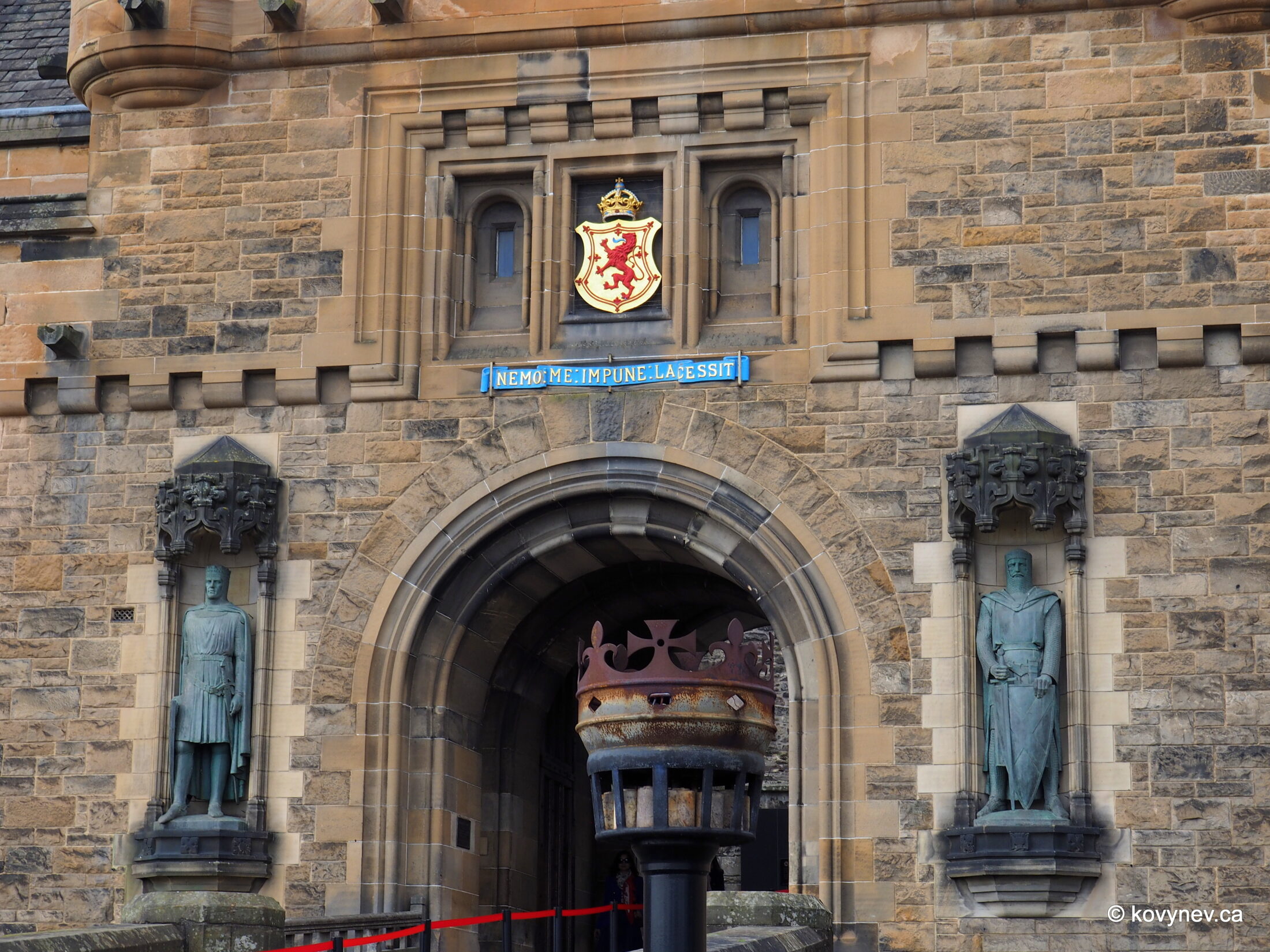
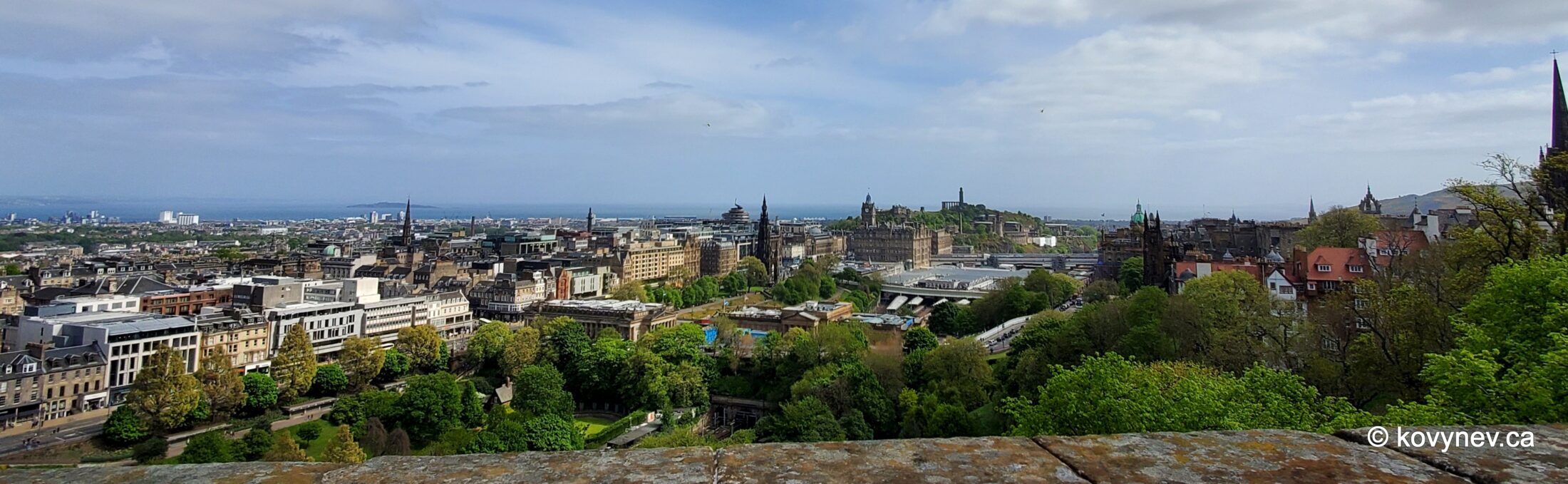
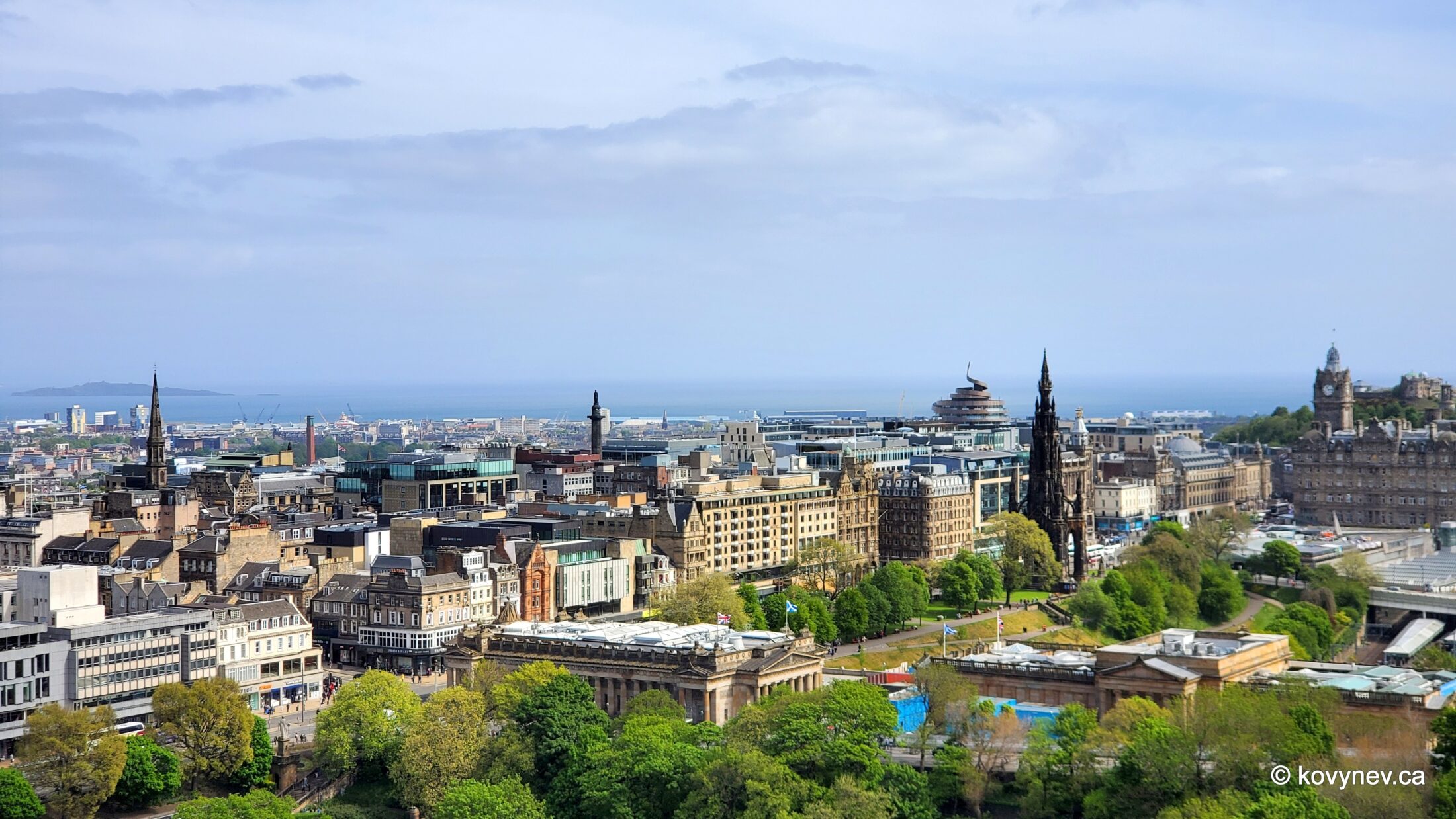
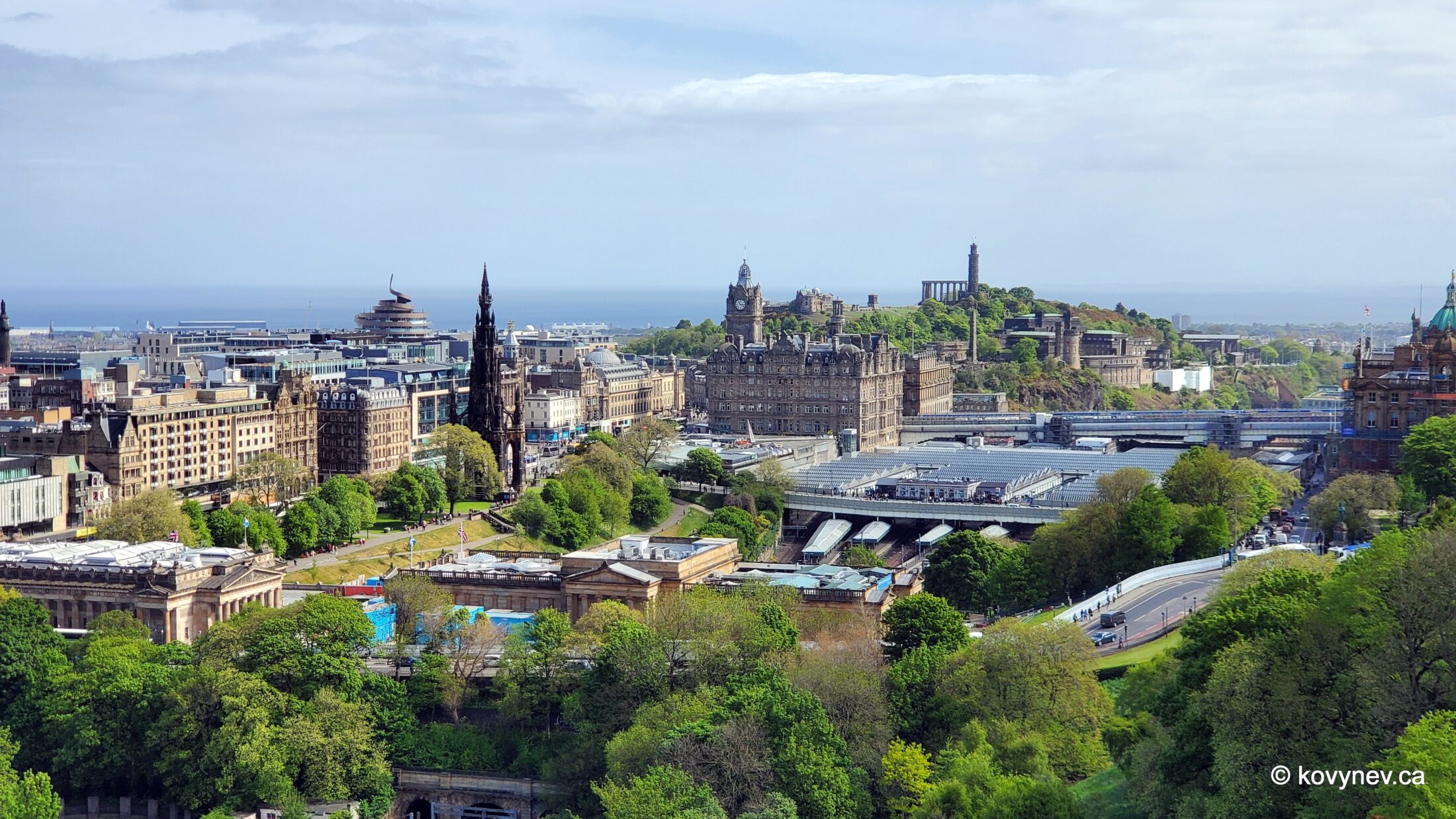
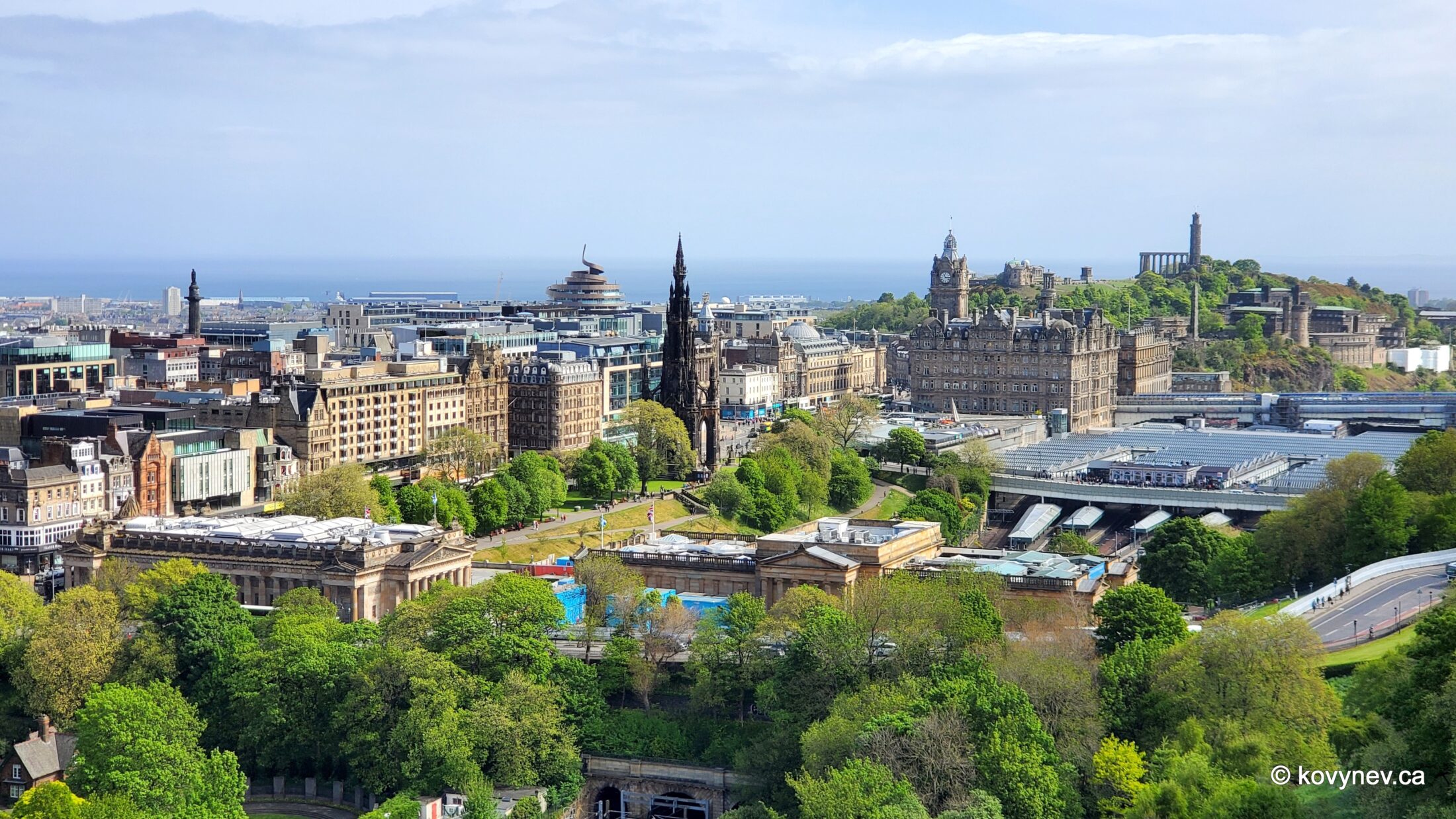
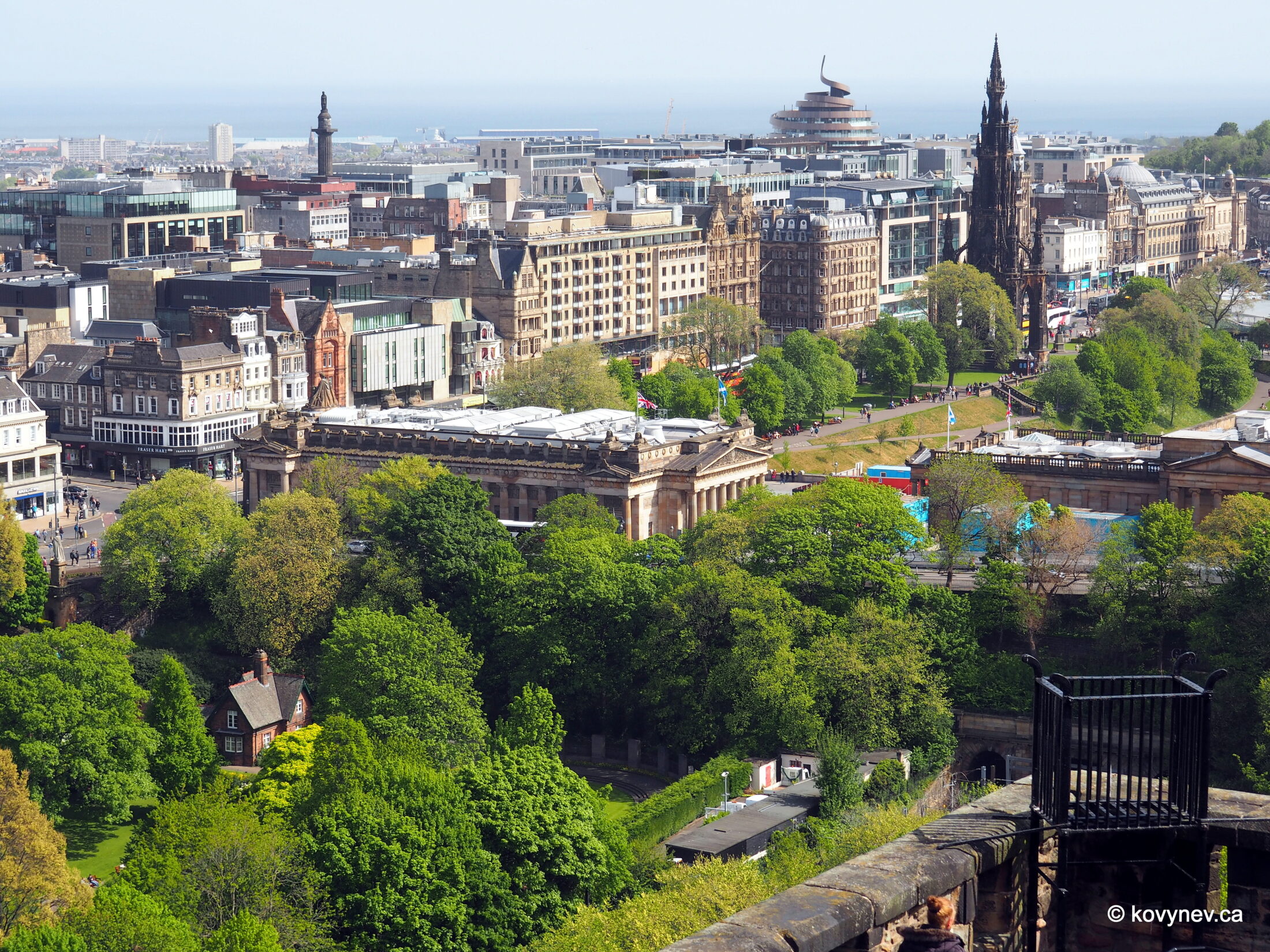
Now that we have reached the top of Castle Rock and even admired the views, it’s time for us to finally get on with what we came here for – explore Edinburgh Castle itself. We will start with visiting two of its 5 batteries (fortified ramparts for cannons to be set on), so this is what the title of the gallery means.
NIKONCOOLPIX S9300 22mm
/ 5.7
/ 10/1000s
/ ISO 125
Created: 125
Uploaded: 125
Likes: 125
Views: 125
Comments: 125
-1
-1
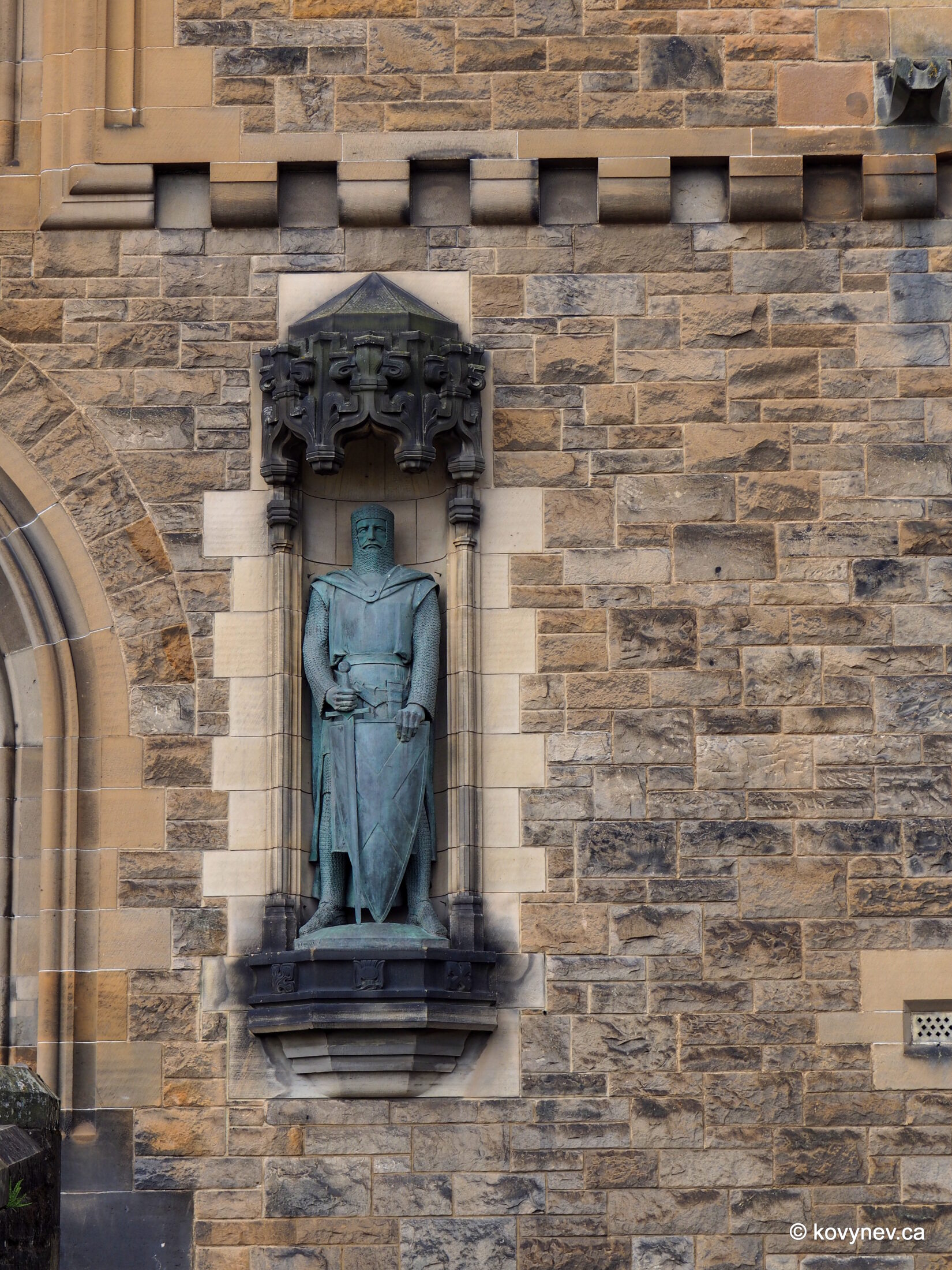
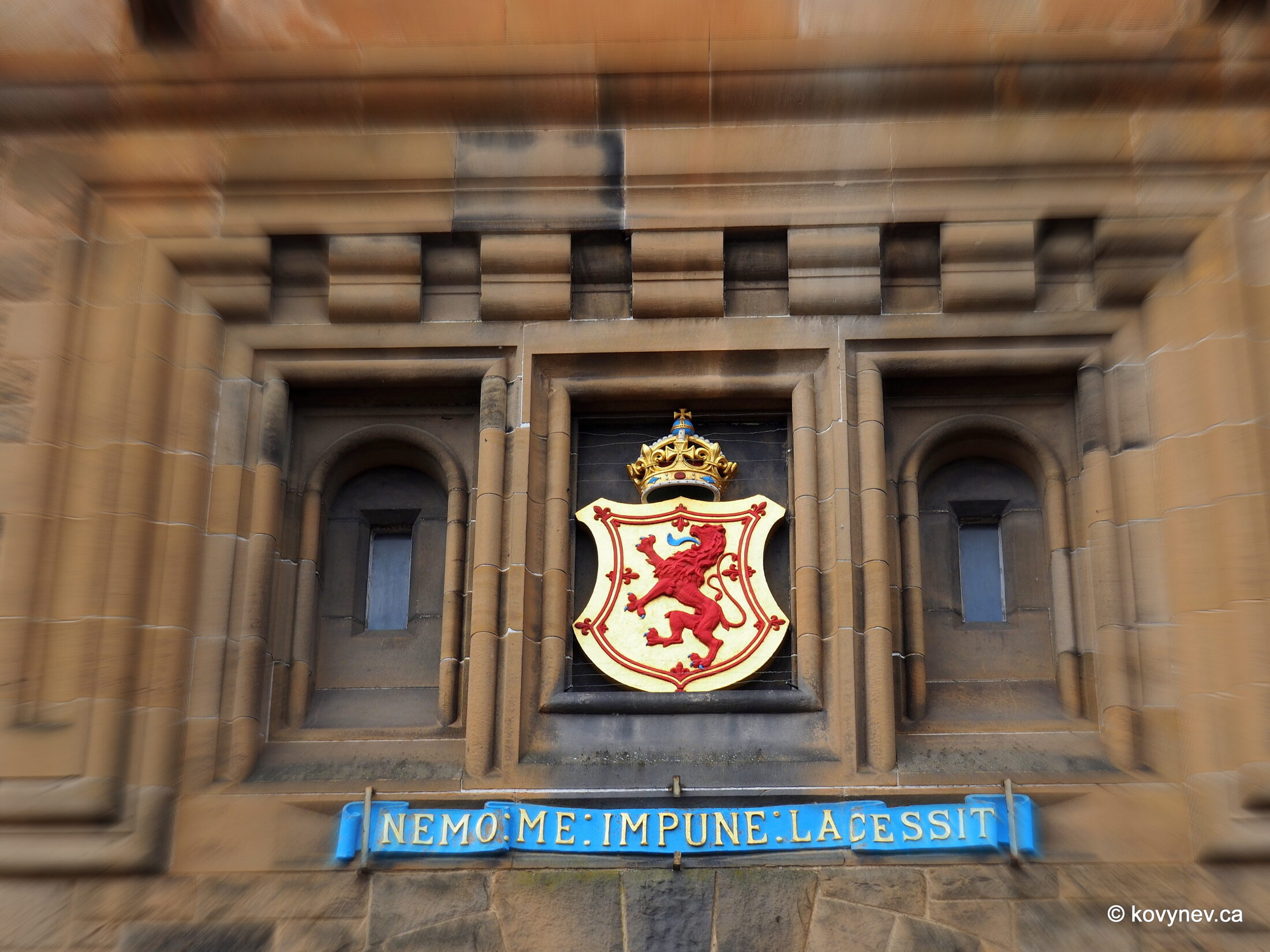
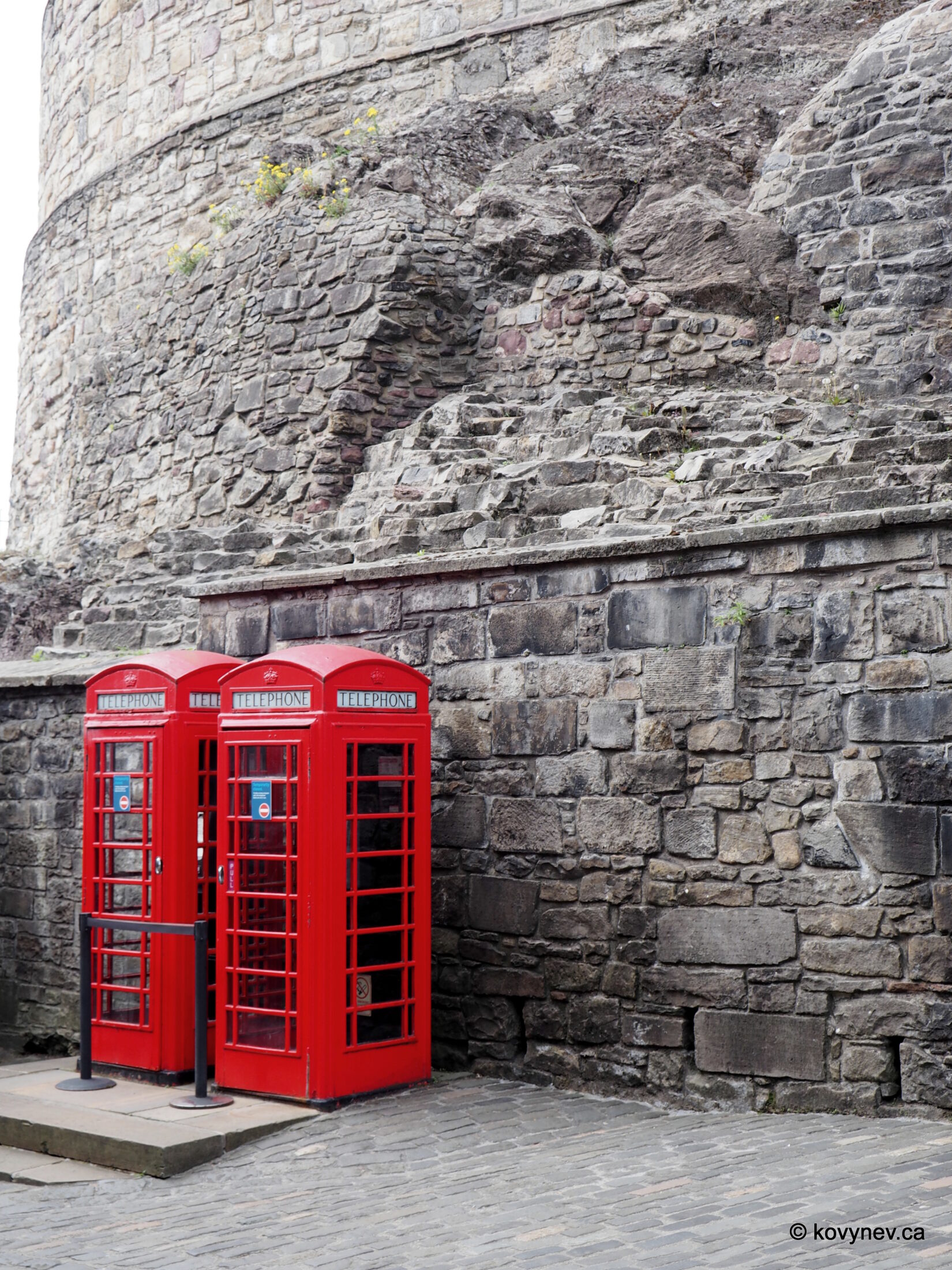
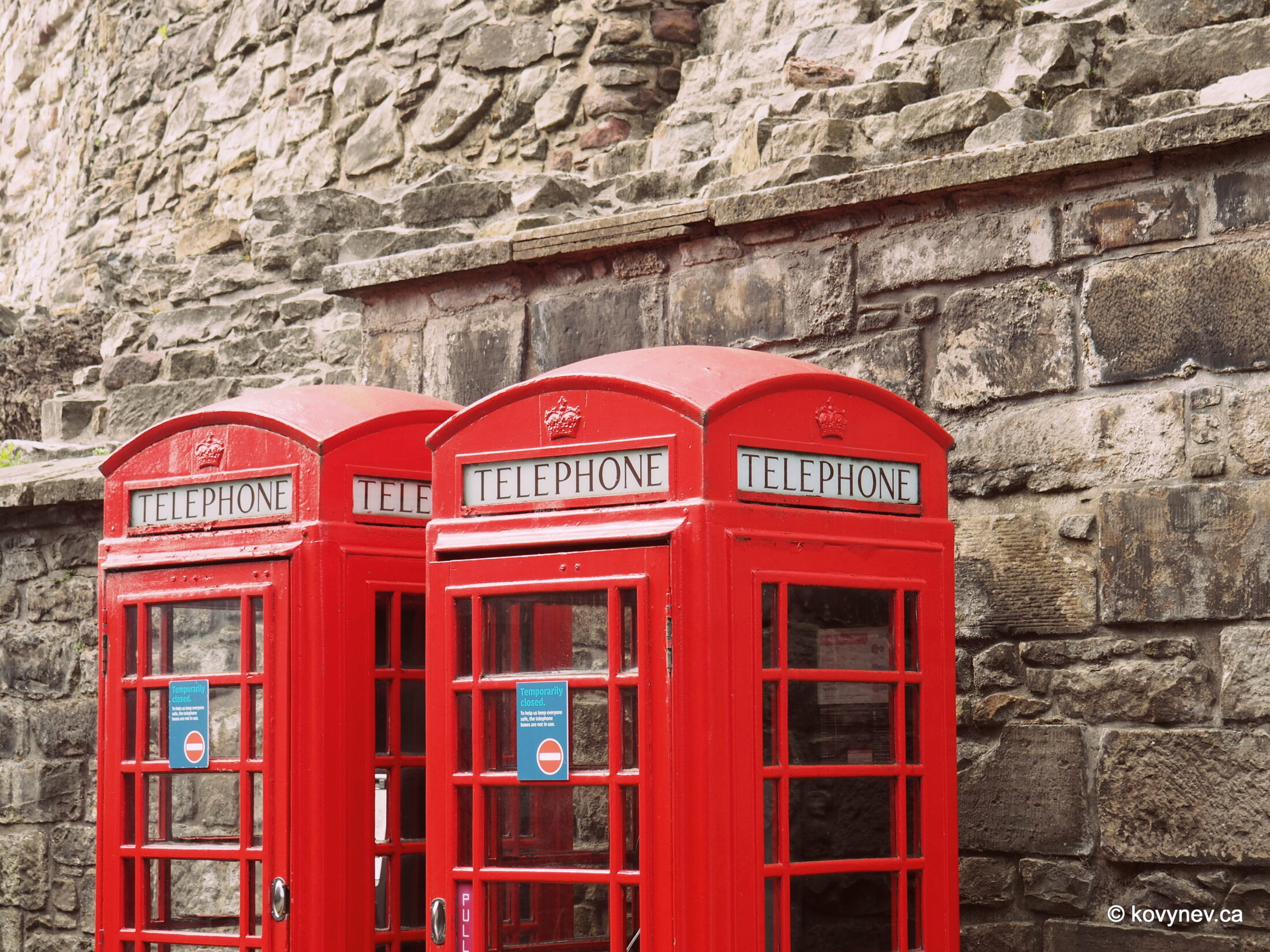
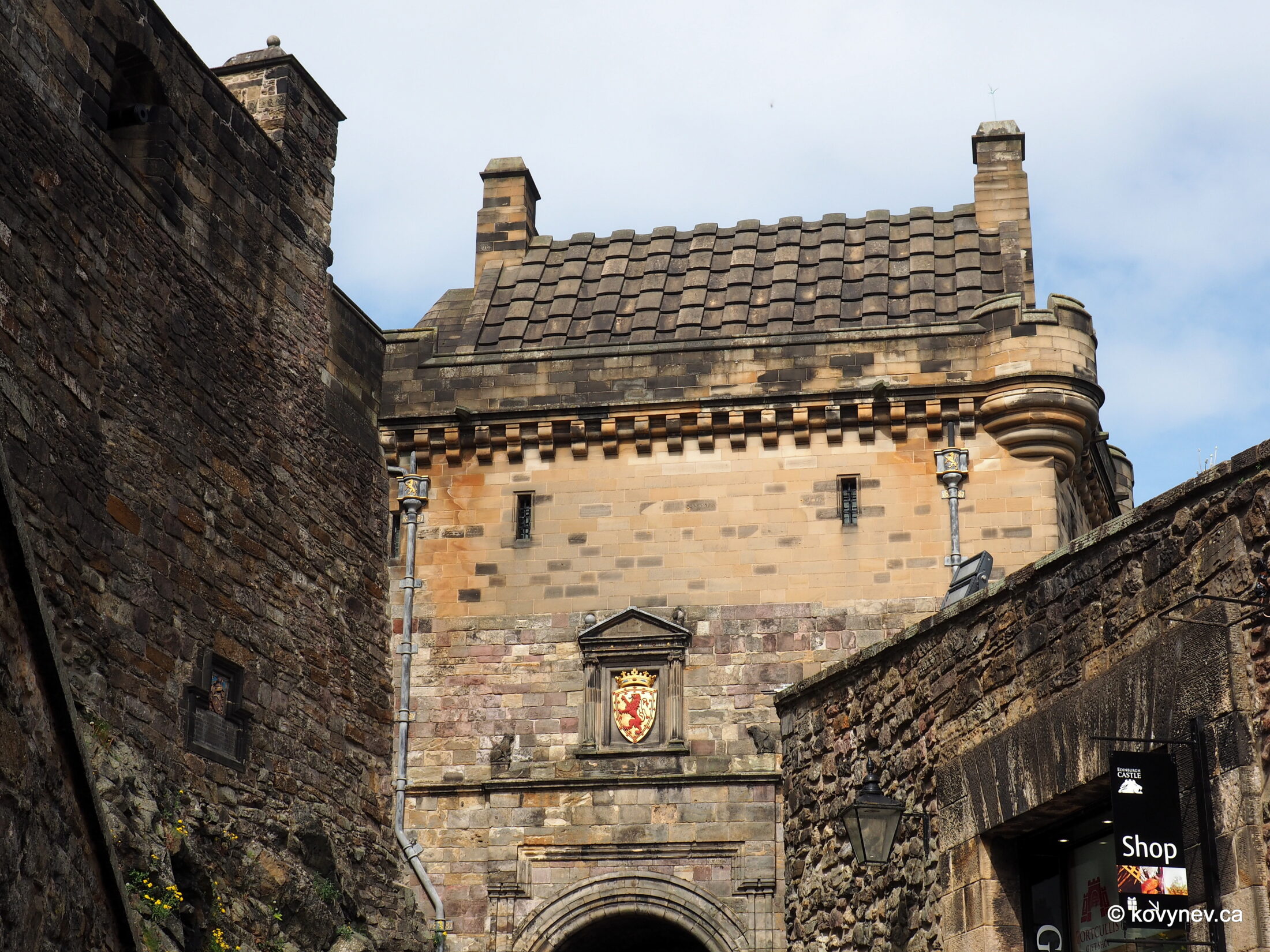
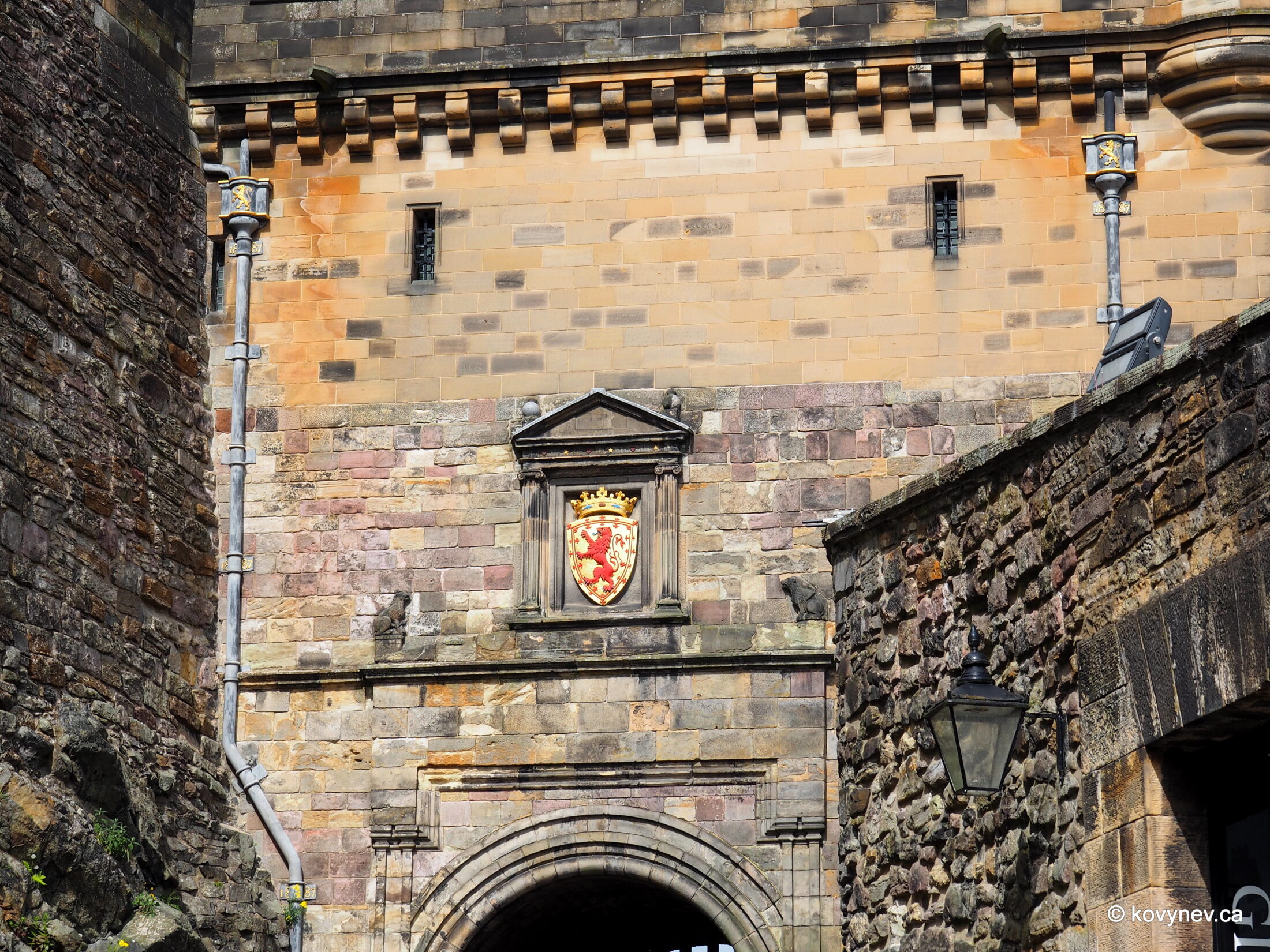
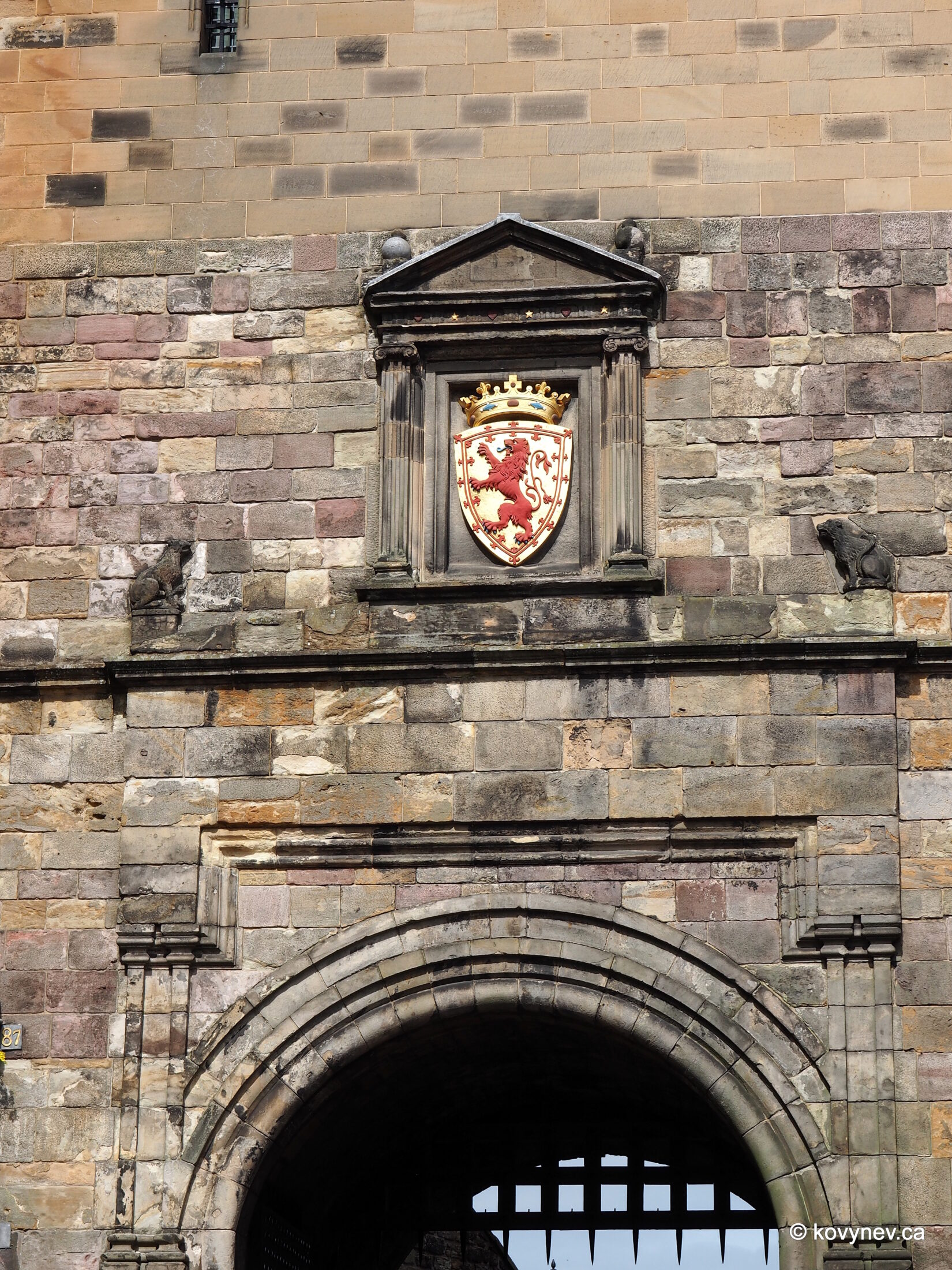
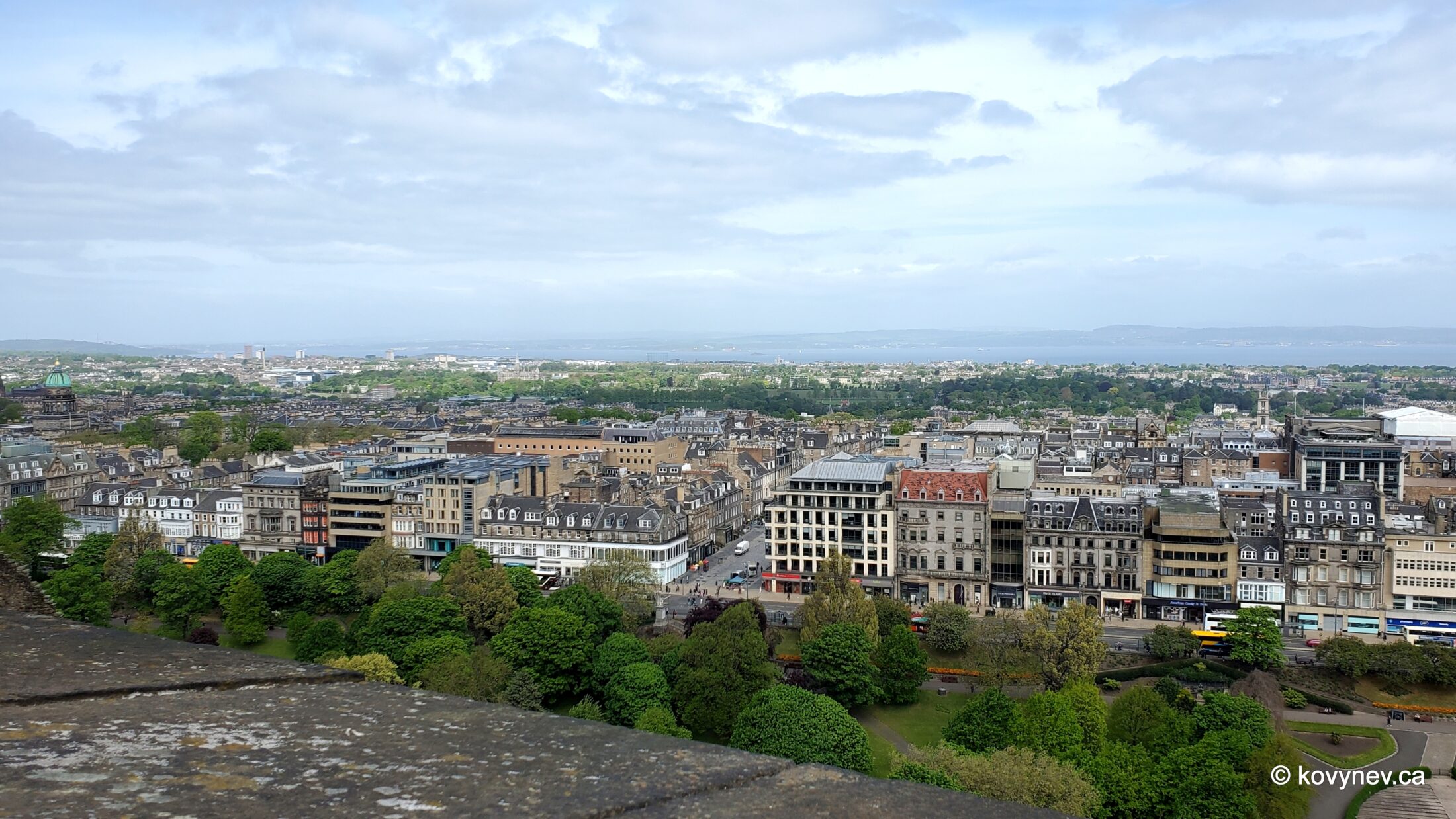
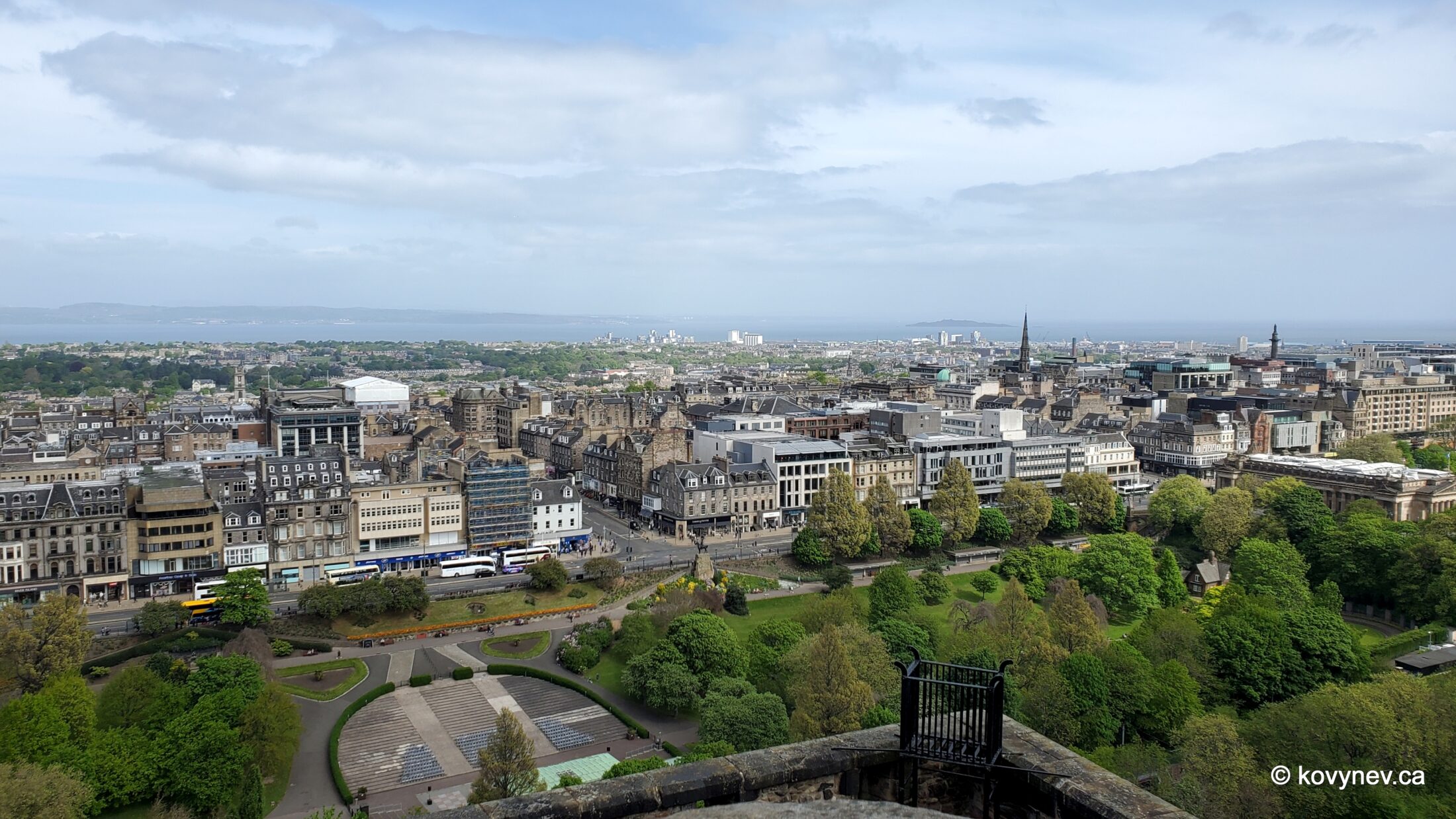
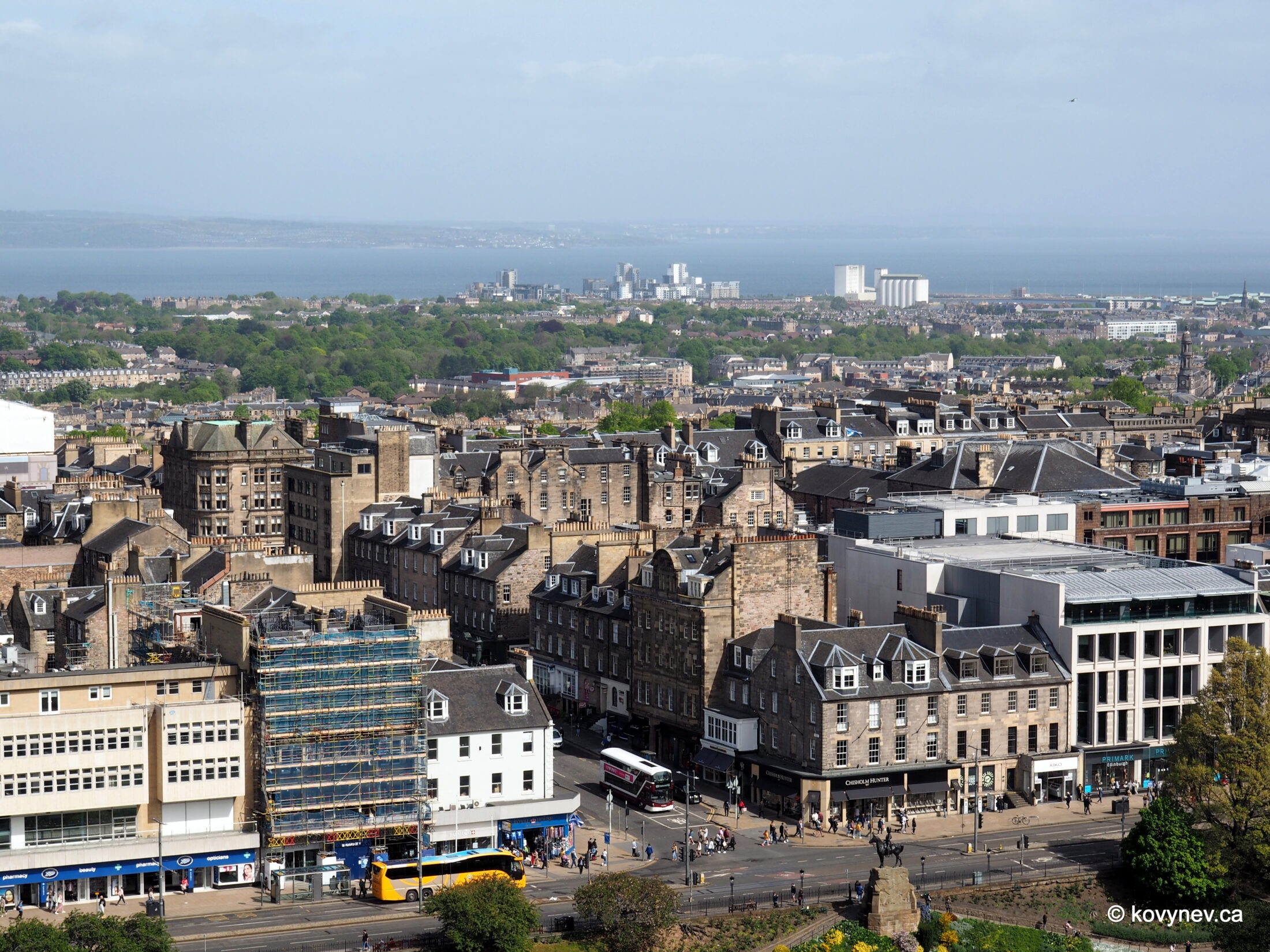
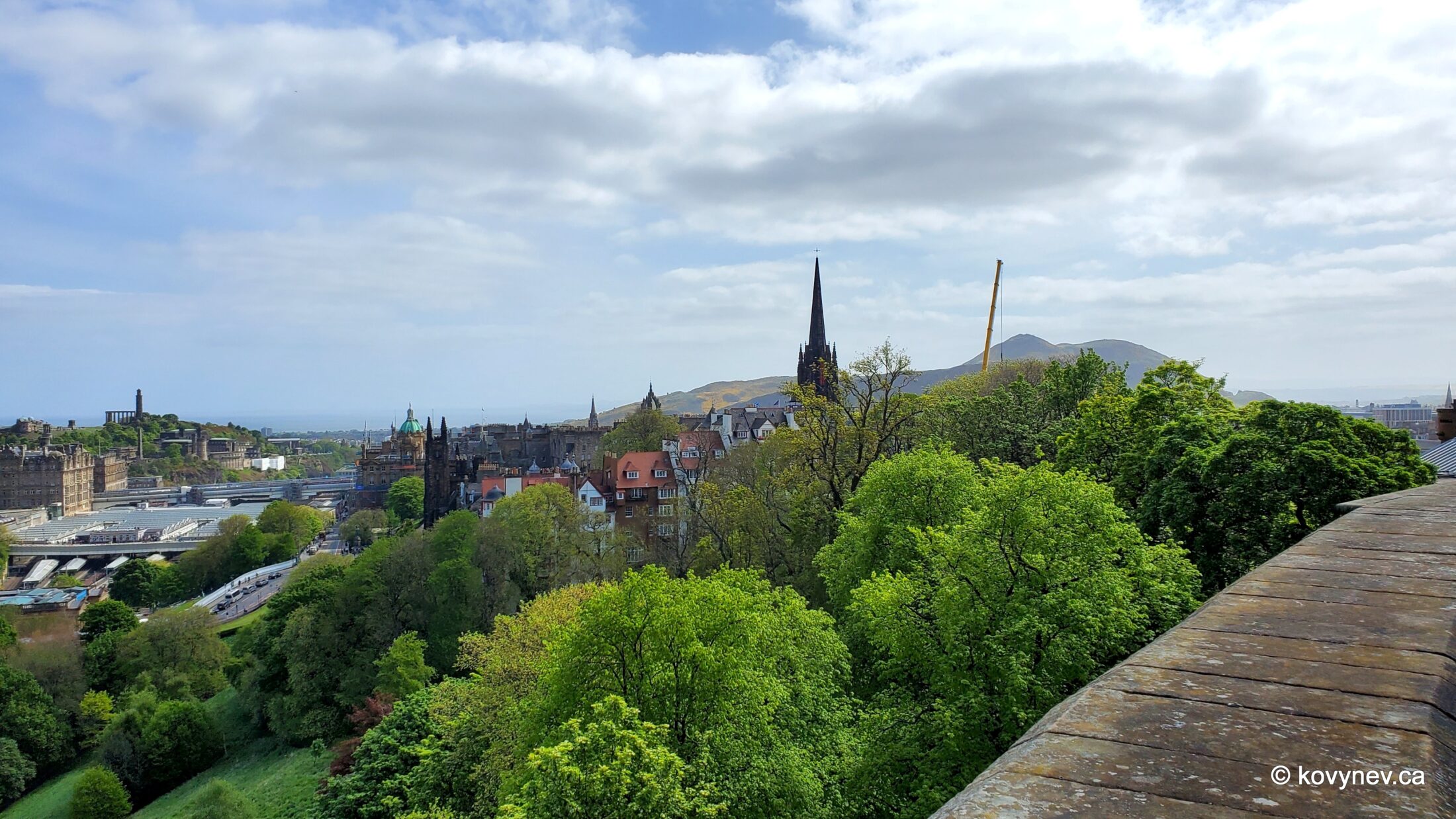
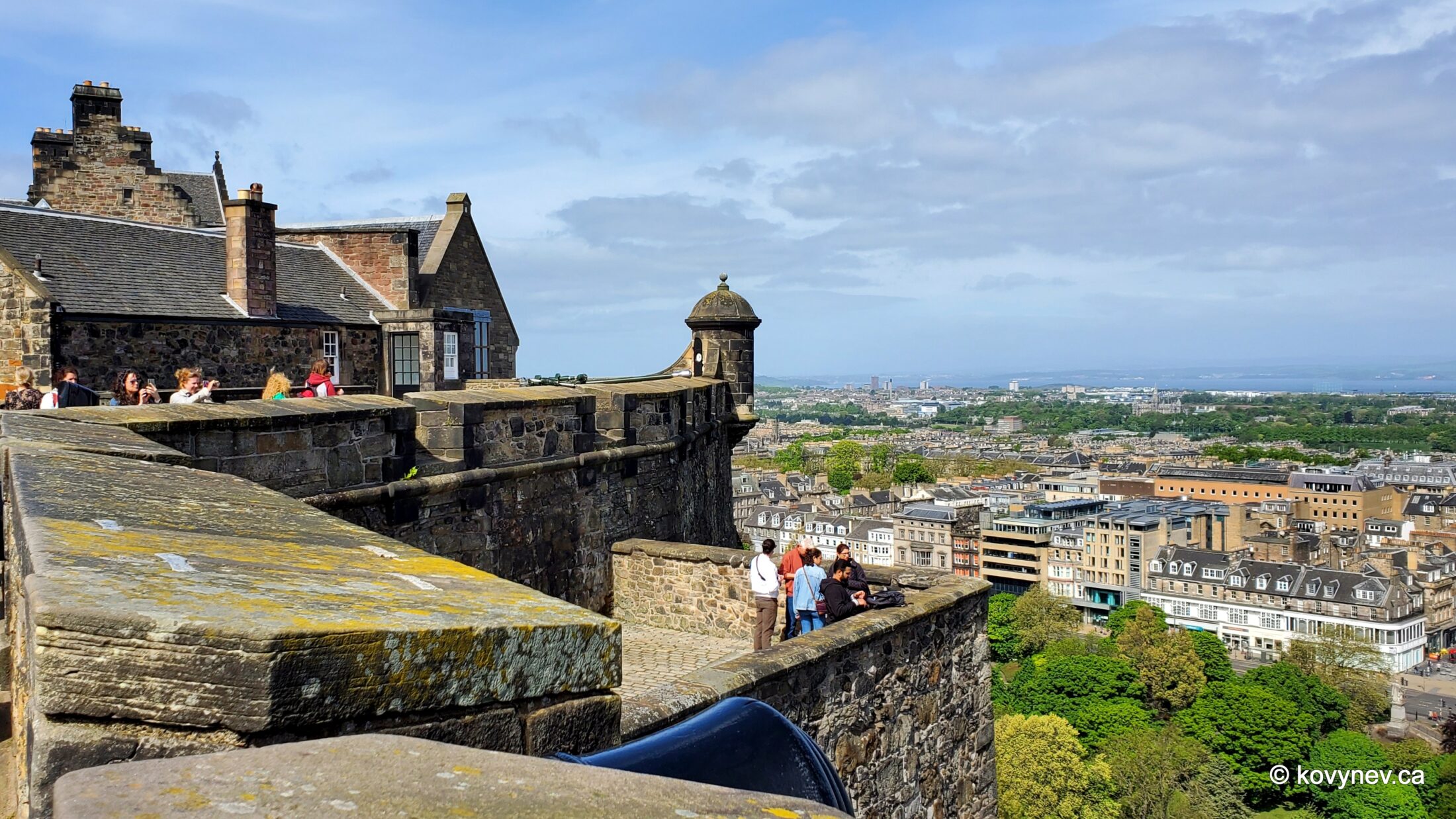
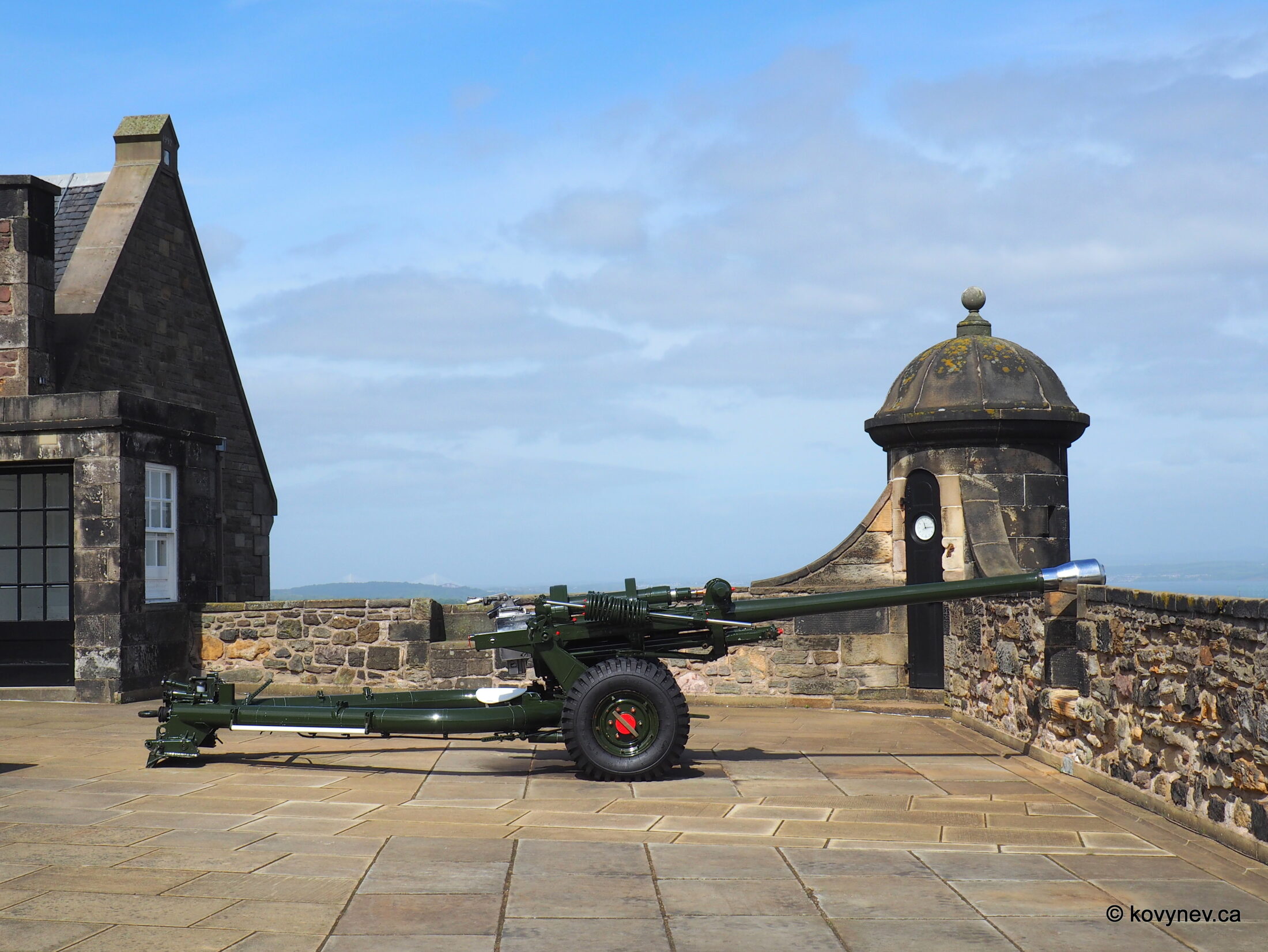
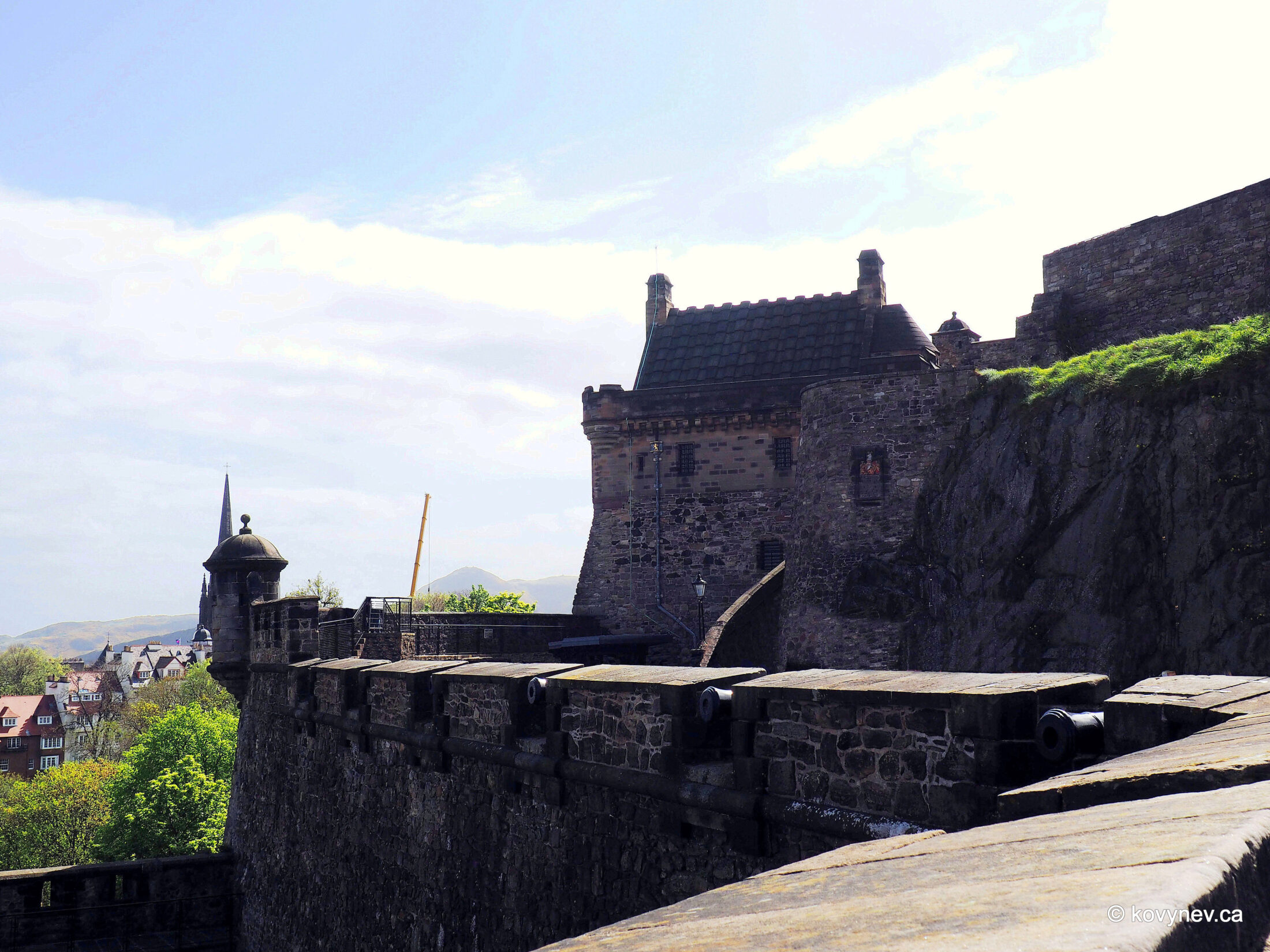
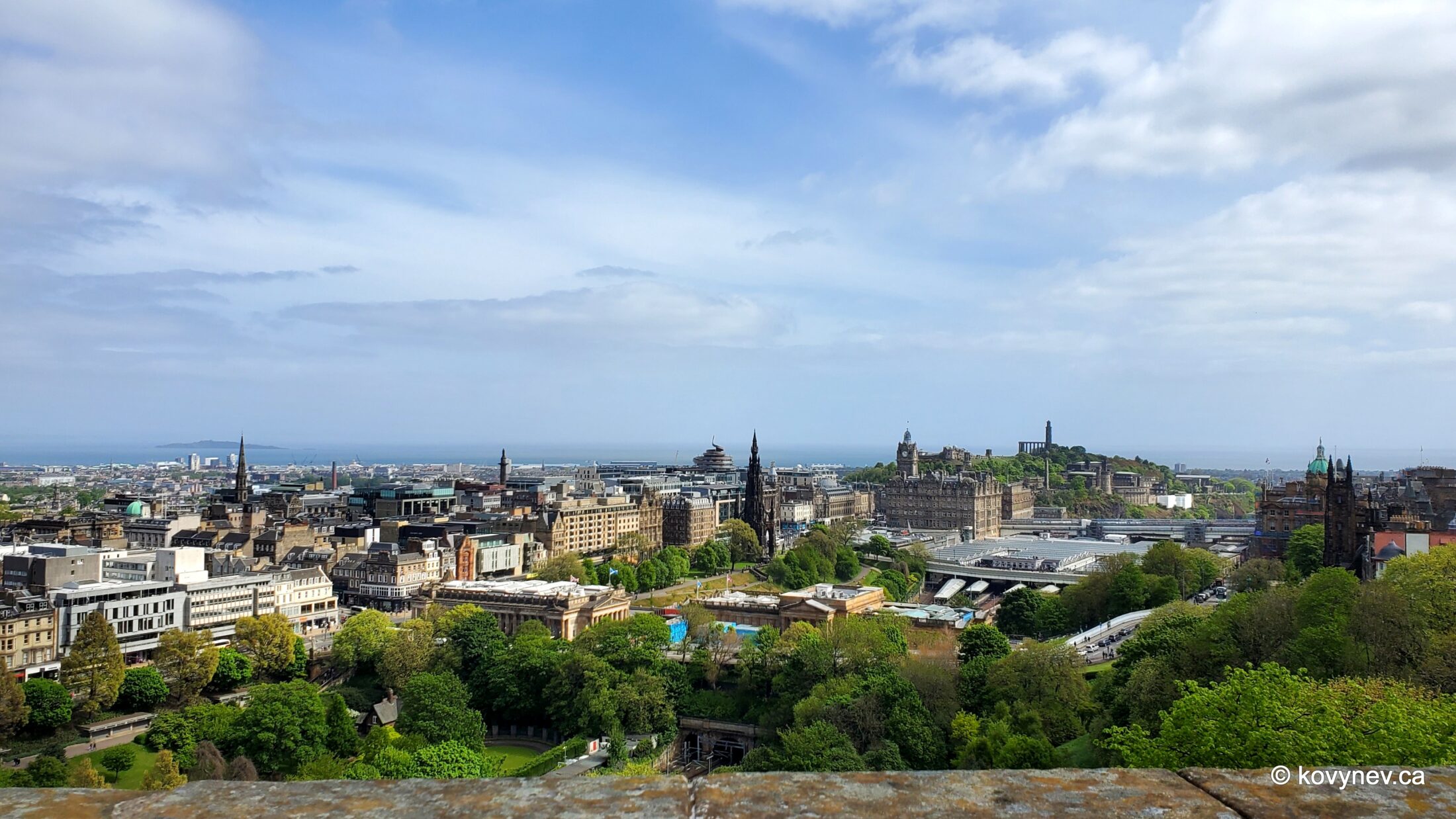
Here it is - Edinburgh Castle, at the opposite end of the Esplanade from where we came in onto it. A brooding menacing mass of grim grey stone. Well, at least part of it is brooding and grim. This part. The round-shaped wall is the Half Moon Battery and behind it is the Royal Palace (the building with the flag). The Half Moon Battery is the biggest of all 5 batteries of Edinburgh Castle. It′s 30 m long, 15 m high, and 3-5 m thick. ⇨ ⇨ No wonder - this side of Castle Rock required serious protection, since it′s the only side that allows easy access to the hill. All other sides are sufficiently protected by sheer rocky bluffs. Back in the day there was a huge, formidable tower blocking the way - David′s Tower. It was destroyed during a siege (more on it later).David′s Tower was replaced by this building - the Gatehouse. It was built in 1888, when the need in defensive capabilities had long expired, so the Gatehouse looks more bright and cheerful than its background. But since it′s a gatehouse of a legitimate medieval castle, it does have a real drawbridge - the last functioning drawbridge ever built in Scotland.The architectural style of the Gatehouse is Romantic, or Romanticism. This is when they try to invoke the grandeur of majestic edifices of the past, like a gothic cathedral or a medieval castle, as in this case. Very popular style in the Victorian times. The Palace of Westminster in London (the Parliament building) is of the Romantic style.Let′s have a closer look at the Gatehouse. On the two sides of the gate you see statues of two of the most prominent Scottish historical figures - Robert the Bruce (left) and William Wallace (right). Robert the Bruce was the king of Scots, who defeated the English in the First War of Scottish Independence in the 1300s and secured Scotland′s sovereignty for two centuries.And this is William Wallace, the first Scottish warlord in the First War of Scottish Independence. He was leading the Scots in their first battles with King Edward I of England, after he invaded Scotland in 1296. Wallace was captured by the English and executed in London in 1305. I suggest you google, how exactly he was executed. Too gruesome to write it here, but it will explain a lot about "the tensions", should I call it, between the Scots and the English.Above the gate is the Royal Standard of Scotland (the coat of arms of the king) – a red lion with blue claws and tongue on a gold field. Even though it predates the first English invasion by several decades, it still looks a lot like the English Royal emblem. Only they have 3 lions, and the colours are reversed - the lions are gold, and the field is red. But the tongues and claws are still blue.The words below the Standard, in blue, are the Scottish royal motto - Nemo me impune lacessit. Translated from Latin, it means "no one provokes me and gets away with it".[Just hang on a sec, while I am playing with Photoshop 😊]Now, we are past the gate and have entered the so-called Lower Ward, as in - the lower quarters of the castle. From here we will have to climb up a steep path to get to the Middle Ward, and then - the Upper Ward.These cute traditional British telephone booths are now just props for tourists taking pictures, like me. Judging by the signs on the doors, they once worked, in those fabled pre-COVID times. We are still in the Lower Ward, and this is how the Gatehouse looks from behind.The look at the Lower Ward and the Gatehouse from the top of the winding path, which leads to the Middle Ward. As you know, medieval castles were built on levels, so the invaders would have to fight their way up to the Keep at the centre of a castle, while defenders would always have a convenient higher ground.And it′s not about just walking up the path, albeit fighting. It′s about getting through several lines of fortifications, like this tower, locking the entrance to the Middle Ward. It′s now called Argyle Tower, after the Earl of Argyll (a vast region in the west of Scotland), who was held prisoner here in the 1600s. As you can clearly see, not all of the tower is original. The upper half of it was added on top of the original lower part in the 1880s, at the same time when the Gatehouse was constructed. It was an extensive "restoration", or rather, reconstruction of the whole castle, half-destroyed in 1573, during the siege I mentioned. Originally the tower was called Constable′s Tower, and only its Portcullis Gate survived that siege. It is called by the Scots "Lang (Long) Siege", because it lasted 2 years. It happened during the so-called Marian Civil War, which followed the forced abdication of Mary, Queen of Scots, at the hands of rebellious nobles. The castle was the stronghold of Mary′s supporters, who rejected the coup. They were called Queen’s men. The other side was called King’s men, because they supported the regent government, ruling in the name of infant King James VI, Mary′s son. Even though it was a civil war and it was not started by the English for a change, the resulting destruction of Edinburgh Castle was still their doing.After the King’s men realized they cannot penetrate the castle′s formidable defences, they sent a plea to Elizabeth I of England. She was only too happy to assist (her being a Protestant, and the supporters of Queen Mary - Catholics). She sent 27 cannons, which effectively ended the siege by destroying half of the castle. [Notice the royal lion on the drainpipe].Now, back into the present day. After passing under the Argyle/Constable′s Tower, we are stepping onto the Argyle Battery, also called the Six-Gun Battery, since that′s the number of cannons it was designed for. All 6 cannons are still there, just not in the frame.The Argyle Battery, like the rest of the castle′s defences, provides sweeping, unobstructed views of Edinburgh and its environs. Here we are facing north, the part of the city that is called the New Town (as opposed to the Old Town to the right from us here, on the east side of Castle Rock. We will walk though it after leaving the castle.)The fact that it′s a new part of town is very obvious in the ordered, rectangular layout. The straight long street that runs along the green space is called Princes Street, and the park between it and Castle Rock is Princes Street Gardens.Now we are looking directly at the spot where we started our tour today - the corner of Princes Street and Frederick Street, with the Royal Scots Greys Monument right in front of the intersection.Here′s that spot closer. Behind the New Town, after the strip of green trees, is Edinburgh′s port district, Leith, on the banks of the Firth of Forth. It′s the estuary of the river Forth, on which Edinburgh stands ("firth" being a local name for a long narrow sea inlet, a fjord). To the right of us, in the direction of Old Town, we see the highest point in central Edinburgh - the spire of Highland Tolbooth St John′s Church, or simply Tolbooth Kirk, as it is known by the locals. Next to the church are the red roofs of the houses surrounding Ramsay Garden (a small quaint enclosure we passed by on our way here).Remember the night raid of 1314 I told you about before? A 30-strong squadron of Scots surprised the English garrison and recaptured the castle. It happened here, right below where we stand. There were no trees and green slopes back then, it was still a steep cliff, but not as precarious and craggy as the rest of Castle Rock′s bluffs. One of the soldiers in the squadron was a local and knew hidden "goat paths" up the hill.Now looking the other way, to the left. This is the next battery on the list, Mills Mount Battery, with one of the castle′s biggest attractions - One O’Clock Gun. Its slender green barrel is right there, under that round turret, if you look closely.The One O’Clock Gun is a remnant of an old maritime tradition - a cannon would fire once a day, at a specific time, for the ships in the harbour to calibrate their navigational devices by. The tradition is very much alive today - the gun is being fired every day, except for Sundays, Good Friday and Christmas Day, after a short military ceremony.As evident from the name of the gun, the time of the firing is 1 pm. The fact that it′s not, say, noon, is attributed to the renowned Scottish frugality - the 12 shots at noon would cost the city 12 times more than 1 shot an hour later. It′s obviously a joke. Or is it?.. While talking about the gun, we′ve reached the battery it stands on - the Mills Mount Battery. The view is pretty much the same as we saw at the Argyle Battery, which is now here on the right.Now you see all 6 canons of the Six-Gun Battery, peeking out of their crenels, or embrasures (the openings in the battlement parapet). The guns are not original. They are from Napoleonic times (the early 1800s), which makes them 300 years younger than the battery itself. Like I said, the views from Mills Mount Battery are not very much different from what we saw just now. But you didn′t really expect me not to take my shots just because I′ve already seen this, did you?If you look at the horizon, beyond the city right below us, you see the Firth of Forth again, with a small island in its centre - Inchkeith. The island is much better seen here, as is the west part of the New Town. On the left, right in front of Inchkeith, is the steeple of Edinburgh New Town Church. To the right from it is Melville Monument in St. Andrew Square. We will visit both those landmarks at one point. (And you already know the Scott Monument and the Balmoral).All this green area right below us (Princes Street Gardens, which we walked around to get to the castle) was once Nor’ Loch (North Lake). It was drained and filled in when the New Town was built in the late 1700s. The land reclaimed from the lake was also used for Waverley Station, Edinburgh′s main train station. It′s the flat low building with glass roof behind the Scottish National Gallery. The trains get there through the tunnel cut under the Mound.The two Classical buildings in the centre of this picture are two major Edinburgh′s arts museums built in the Greek Revival style in the mid-1800s. It was an attempt to reinforce the notion of Edinburgh as "Athens of the North". Scottish Enlightenment in the 18th century made the city an important centre of philosophy, science, economics, medicine, and literature.This view is a nice showcase of Calton Hill behind the Balmoral hotel and Waverley Station. As a UNESCO World Heritage site, the hill is chock-full of prominent monuments, like Nelson Monument (the tall black tower at the very top of the hill). The buildings with green roofs at the foot of the hill are the headquarters of the Scottish Government.And the last picture for now. Look at this cage in the lower right corner. That′s where the fog bell was. Before the One O’Clock Gun, which was installed in 1861, the time signal for the ships was a ball dropping from the top of Nelson Monument on Calton Hill, which we saw in the previous picture. But in the fog, the sailors couldn′t see the ball, they needed another, audible signal. That was the bell in this cage.Press ESC to exit