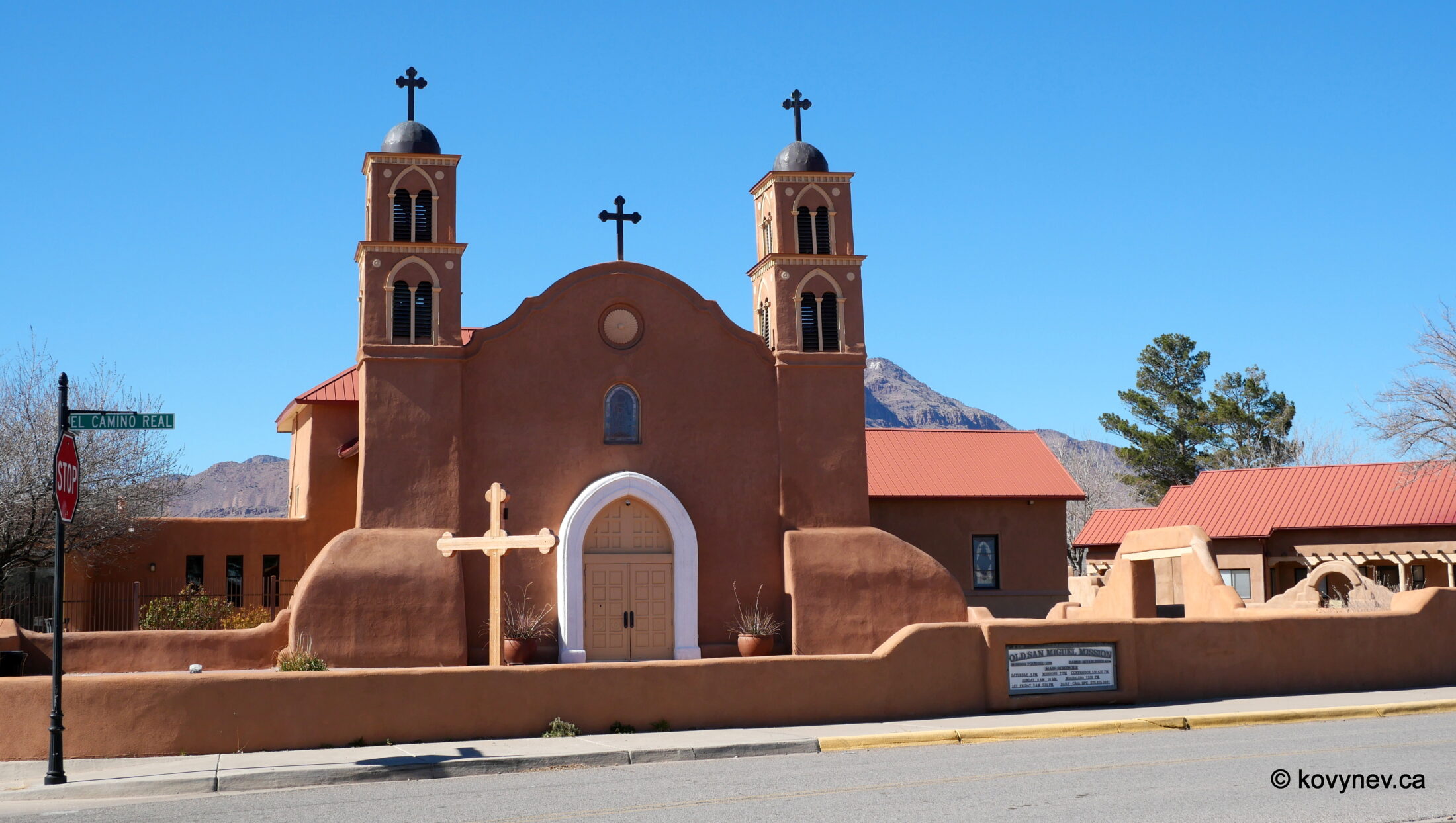
The word “mission” in San Miguel Mission technically means the mission church. Such a church was the central element of a mission, a military and religious outpost, with which Spain advanced its colonization of a new territory and the spread of the Catholic faith. Since these churches were among the very first colonial buildings constructed in any given area, they became an epitome of the so-called Spanish Colonial style, which, in its turn, heavily influenced the Pueblo Revival style, which is now the signature architectural style of New Mexico and all of the American Southwest.
All this is to say – old mission churches are as New Mexico as it gets. So, let’s visit one of them. This church is located in the town of Socorro, on the road between Albuquerque and Las Cruces. The word socorro means “help” in Spanish. According to the local lore, when the Spanish first appeared in the area, the local tribe (the Piro) gave them food and water, and the newcomers were apparently grateful. This might be just a legend, and the word “socorro” in the name of the mission might have a different origin, which I explain below.
NIKONCOOLPIX S9300 22mm
/ 5.7
/ 10/1000s
/ ISO 125
Created: 125
Uploaded: 125
Likes: 125
Views: 125
Comments: 125
-1
-1
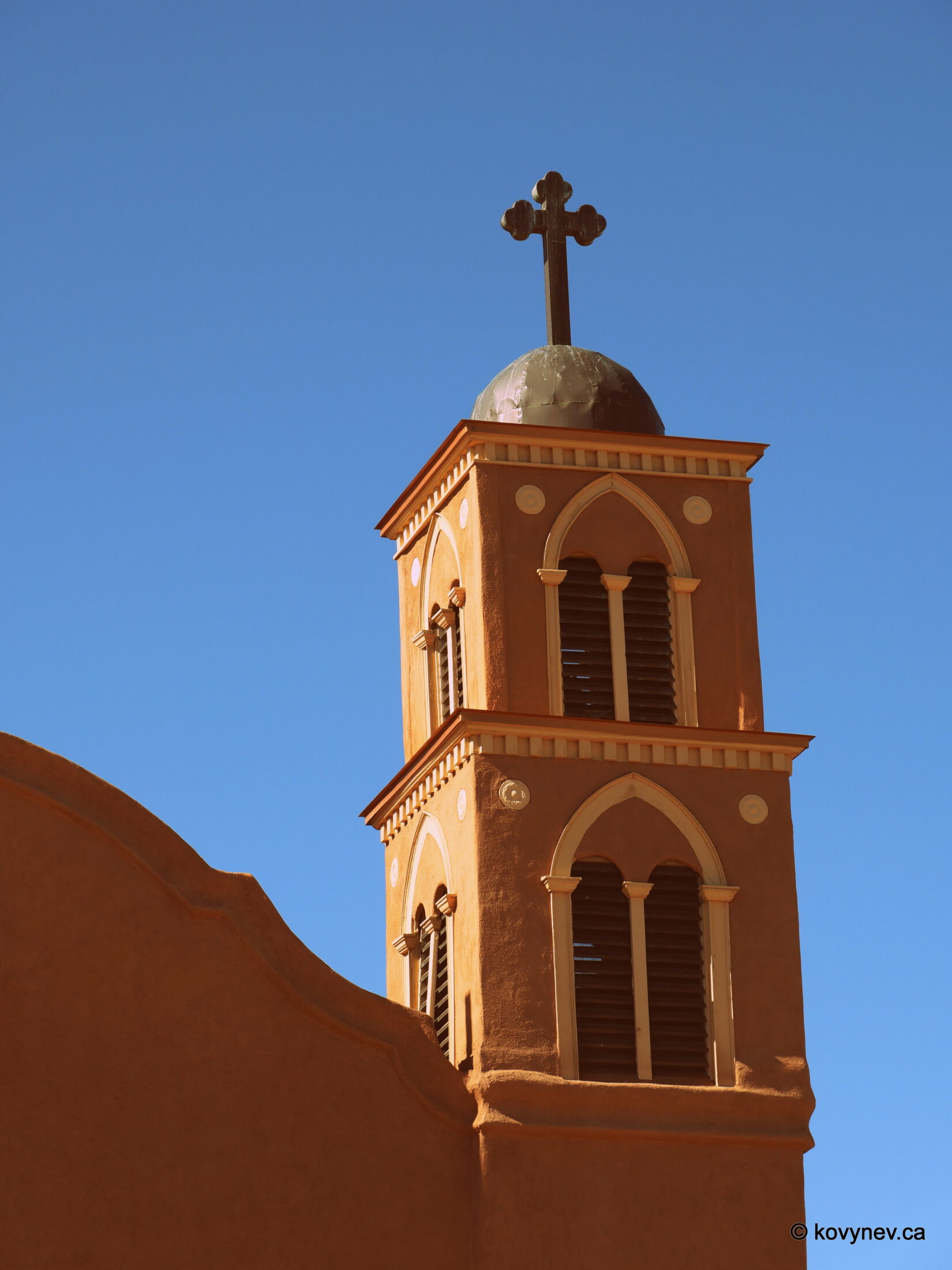
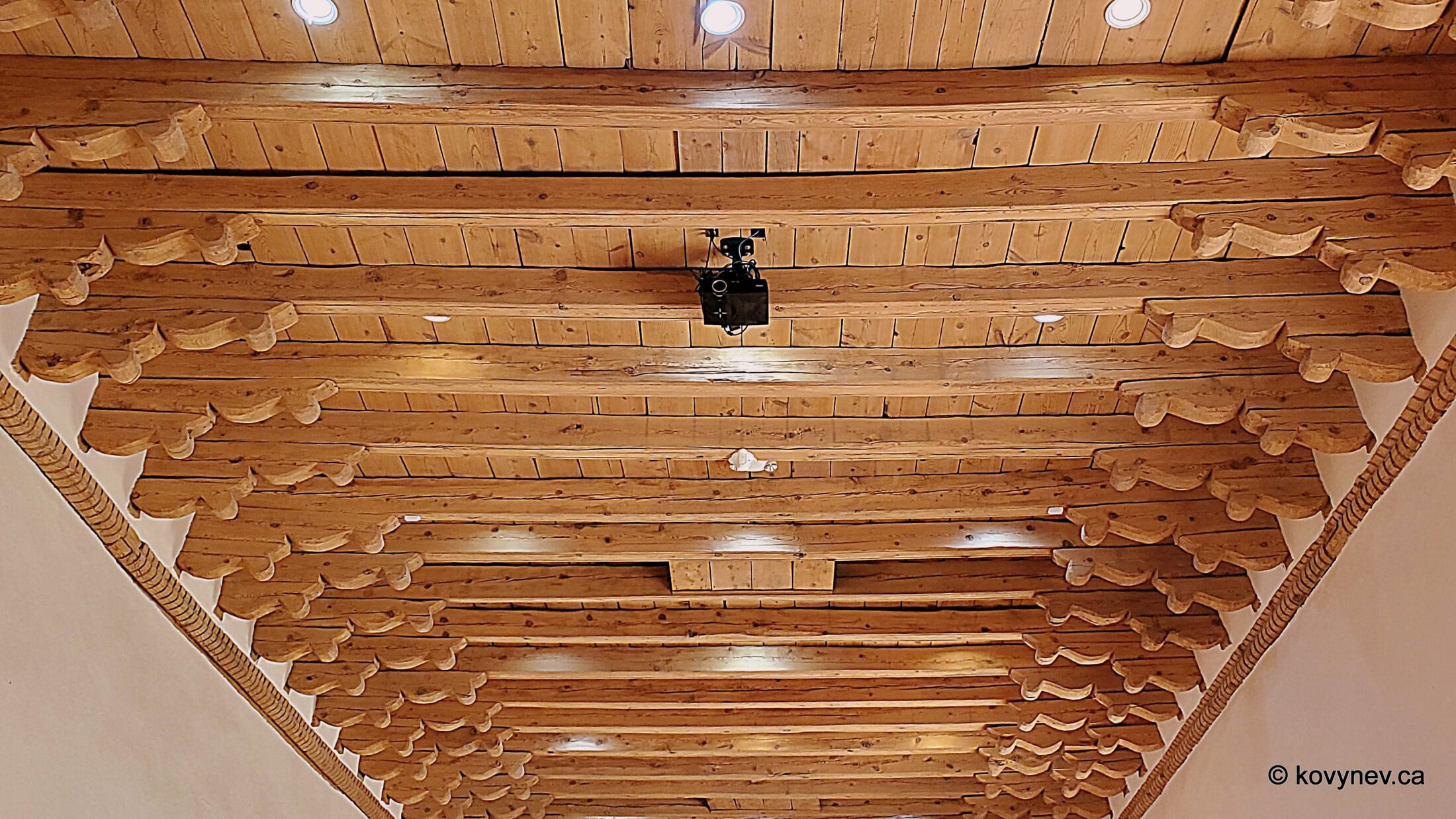
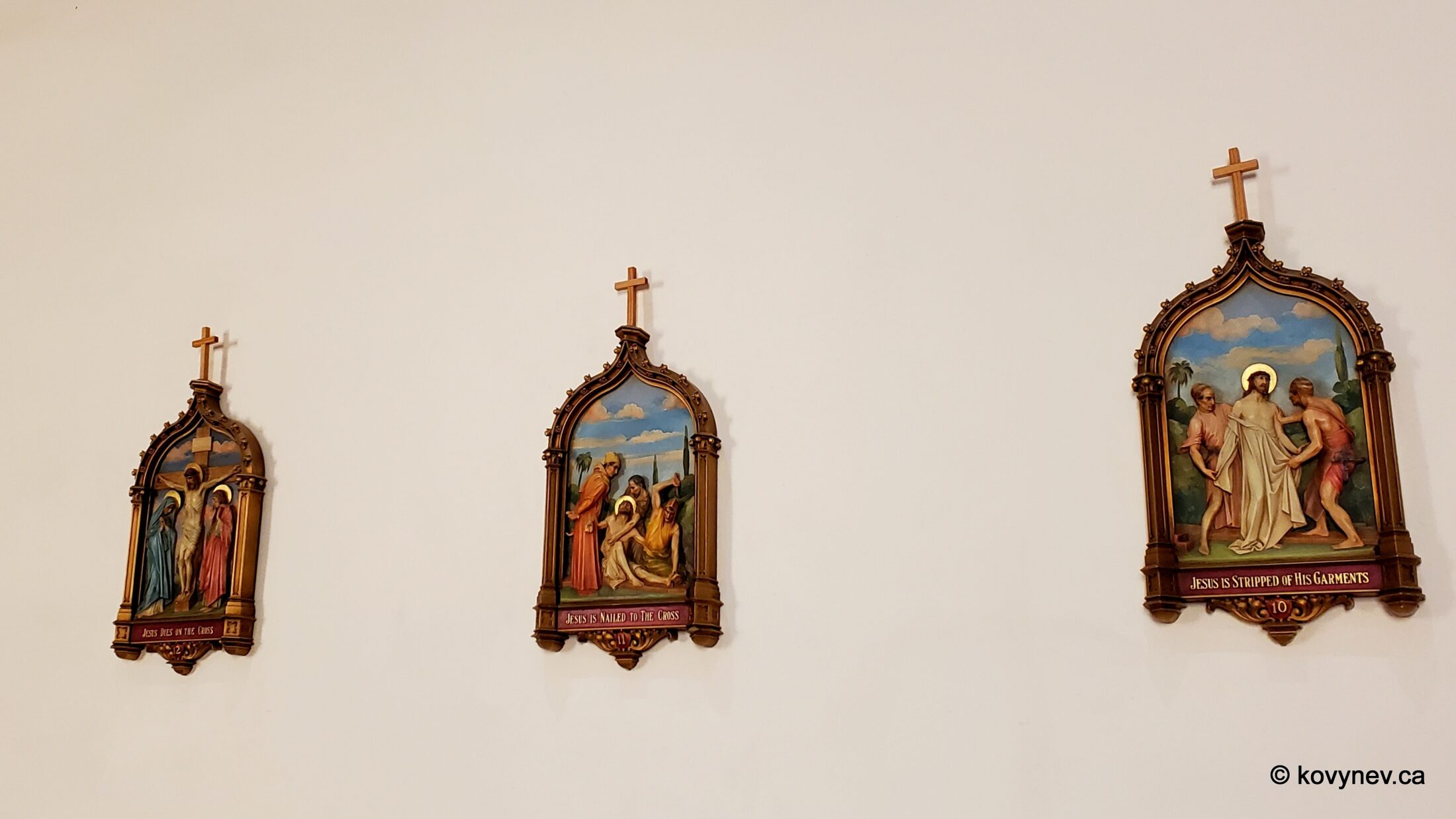
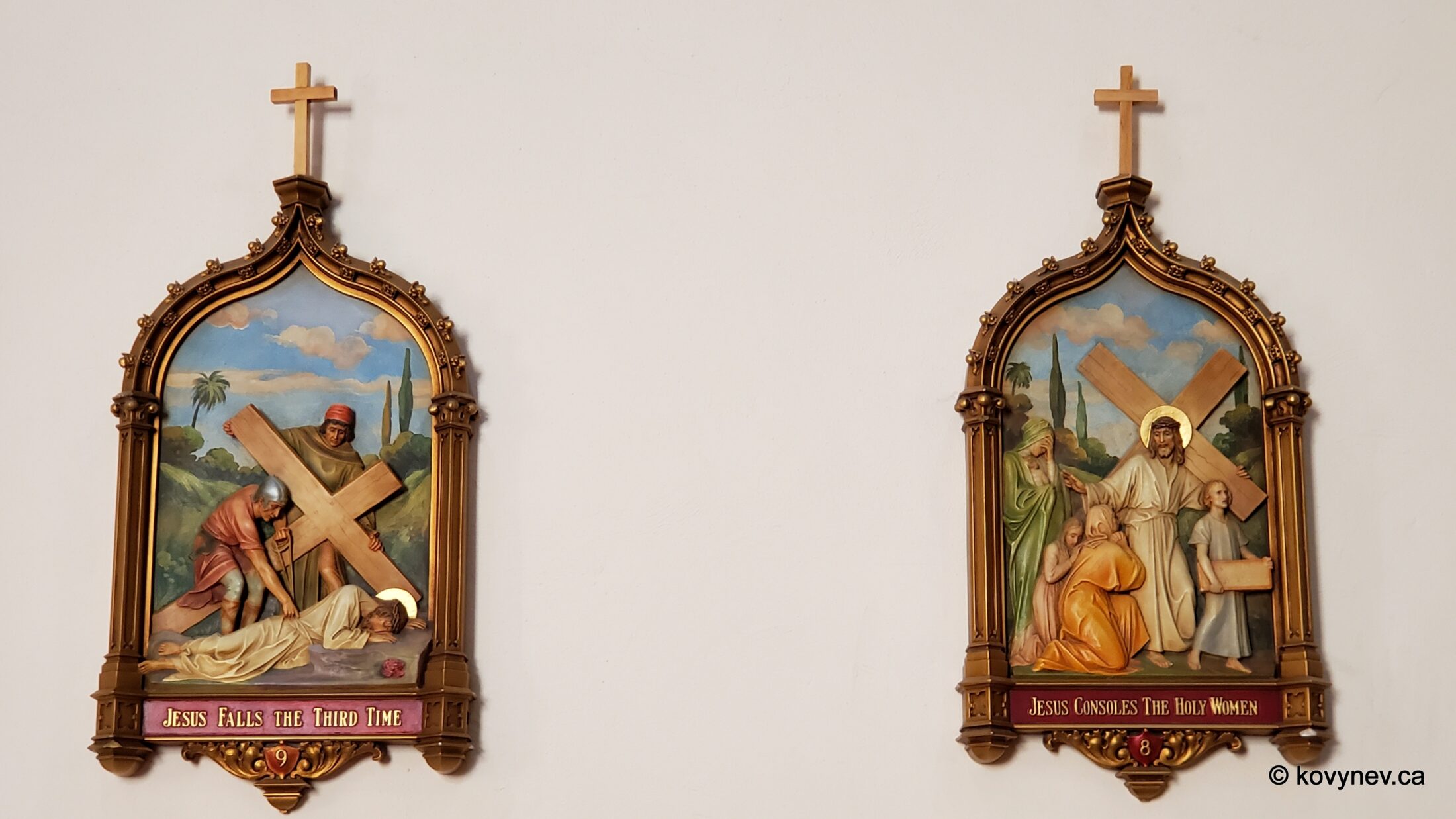
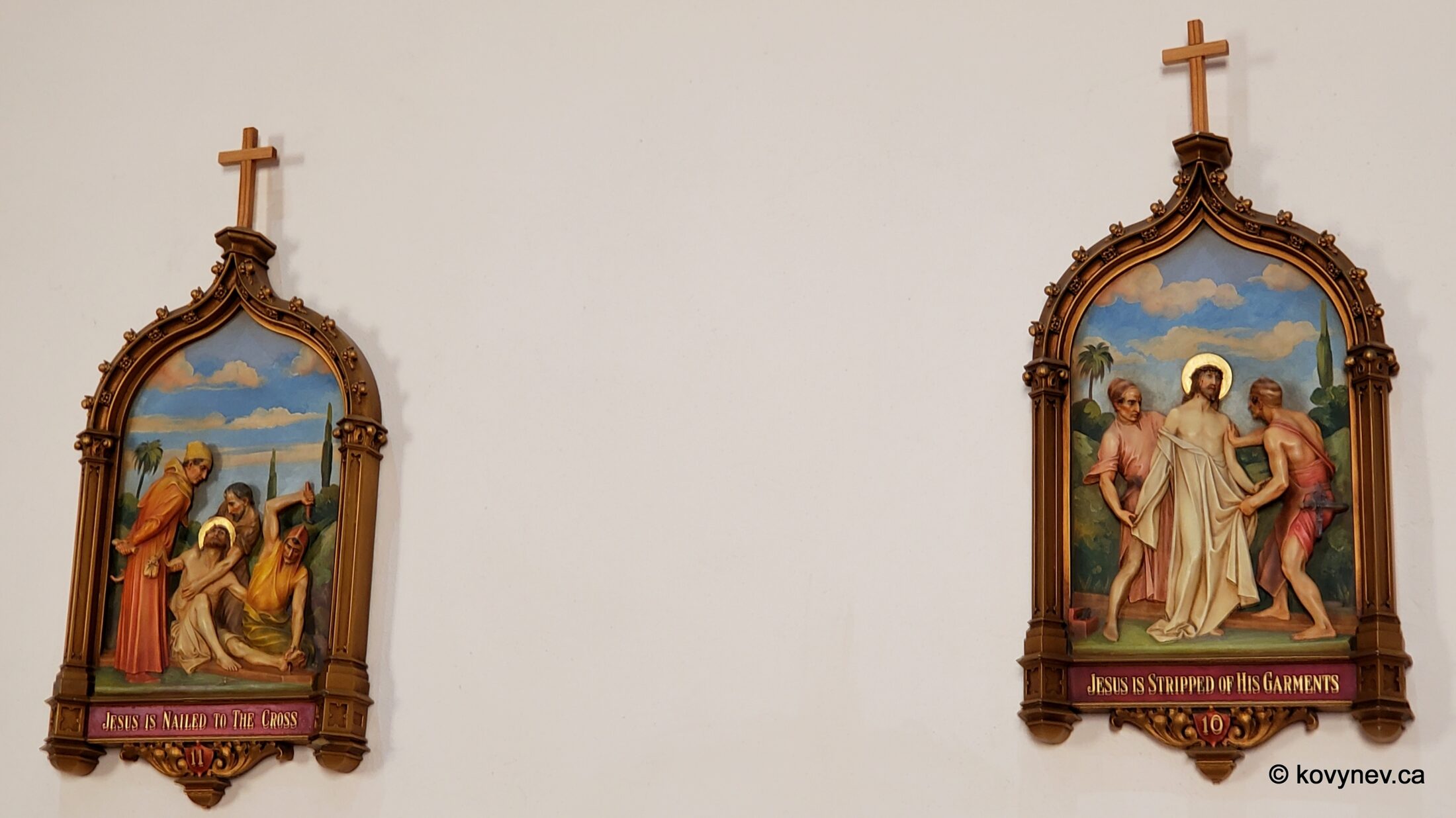
San Miguel de Socorro Mission is one of the oldest Catholic churches in the United States. The mission itself was established in 1598. The church was built soon after. Back then it was called Nuestra Señora de Perpetuo Socorro ("Our Lady of the Perpetual Help"). There is a very strong possibility that the name of the mission
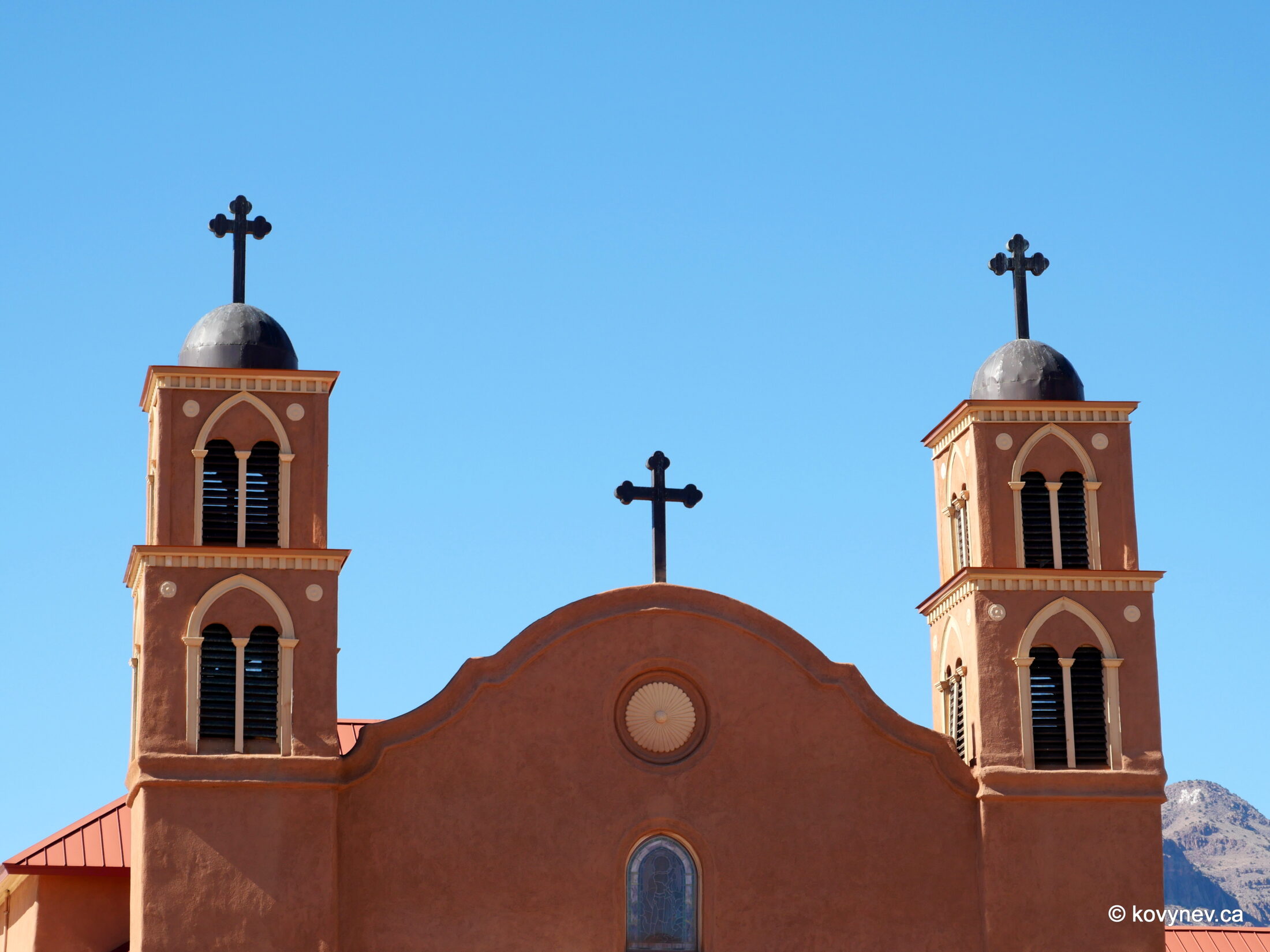
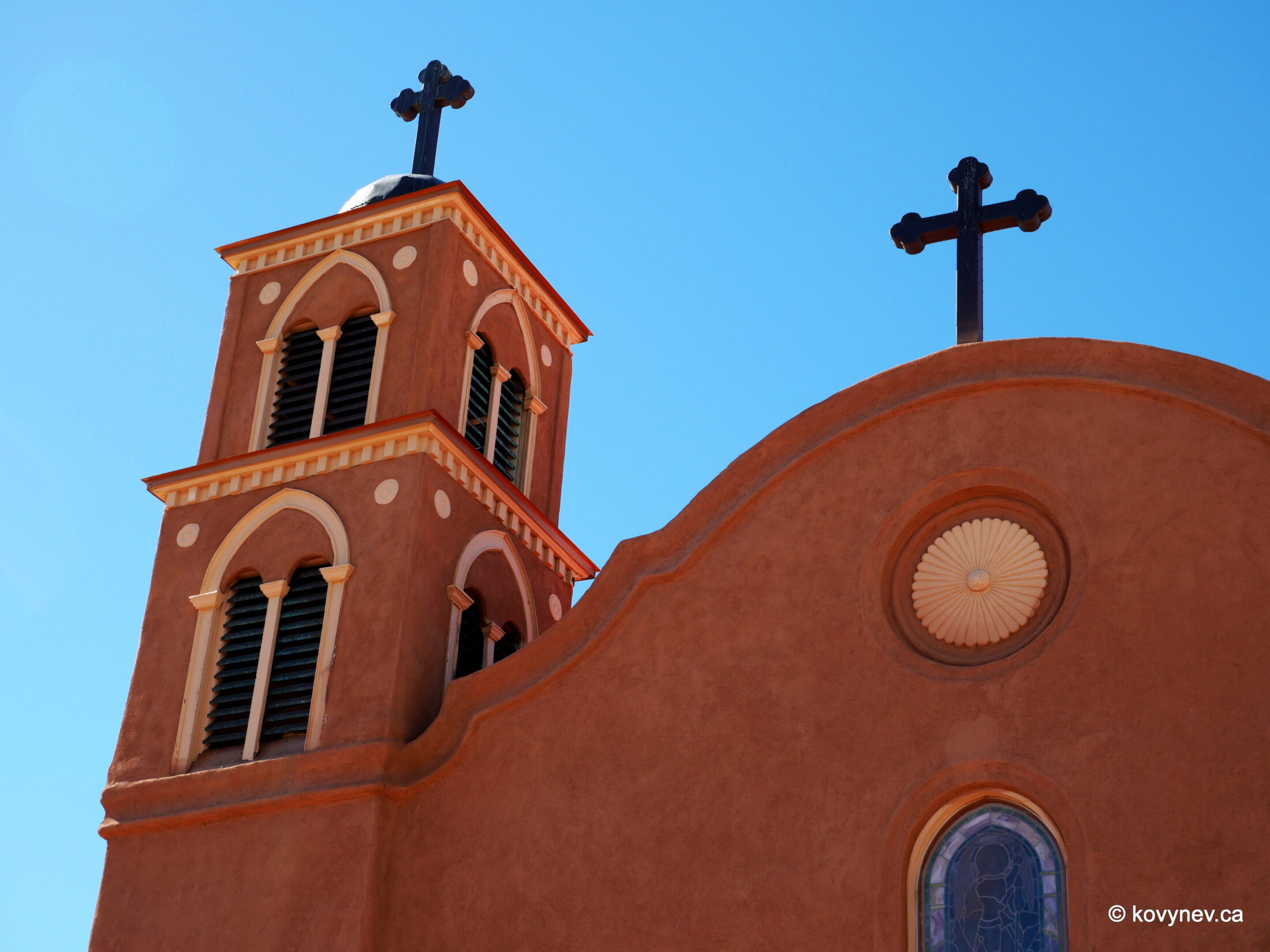
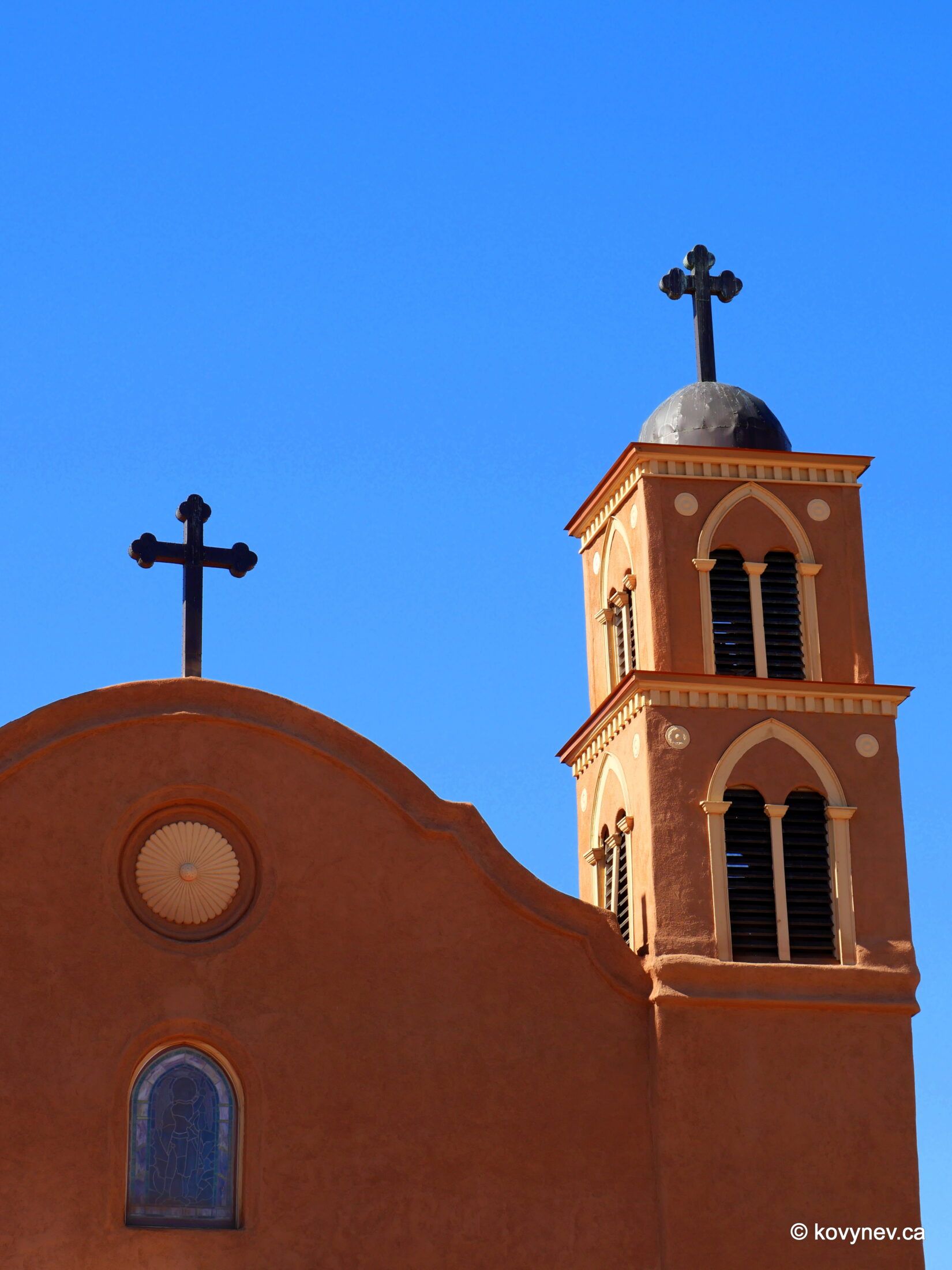
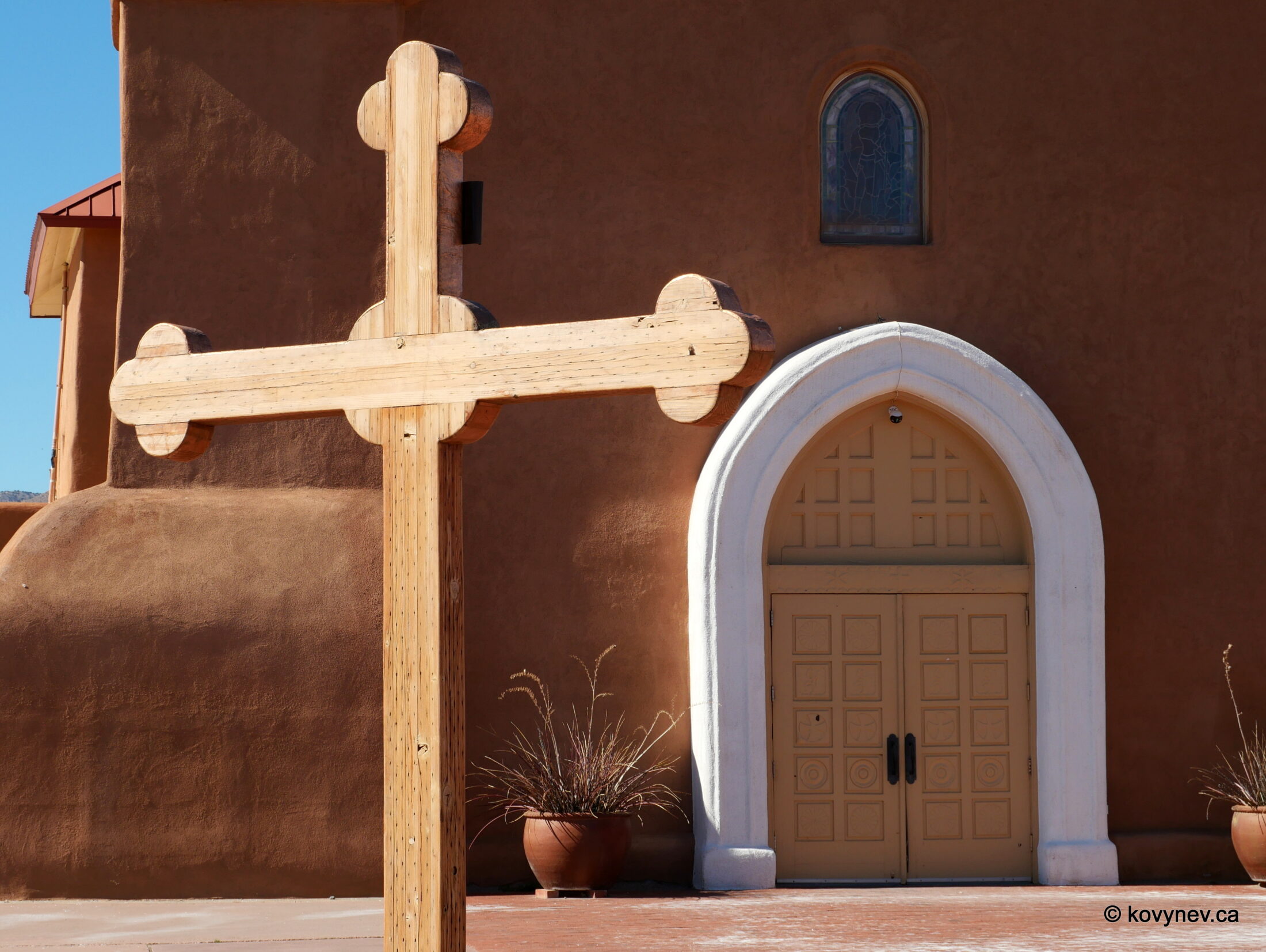
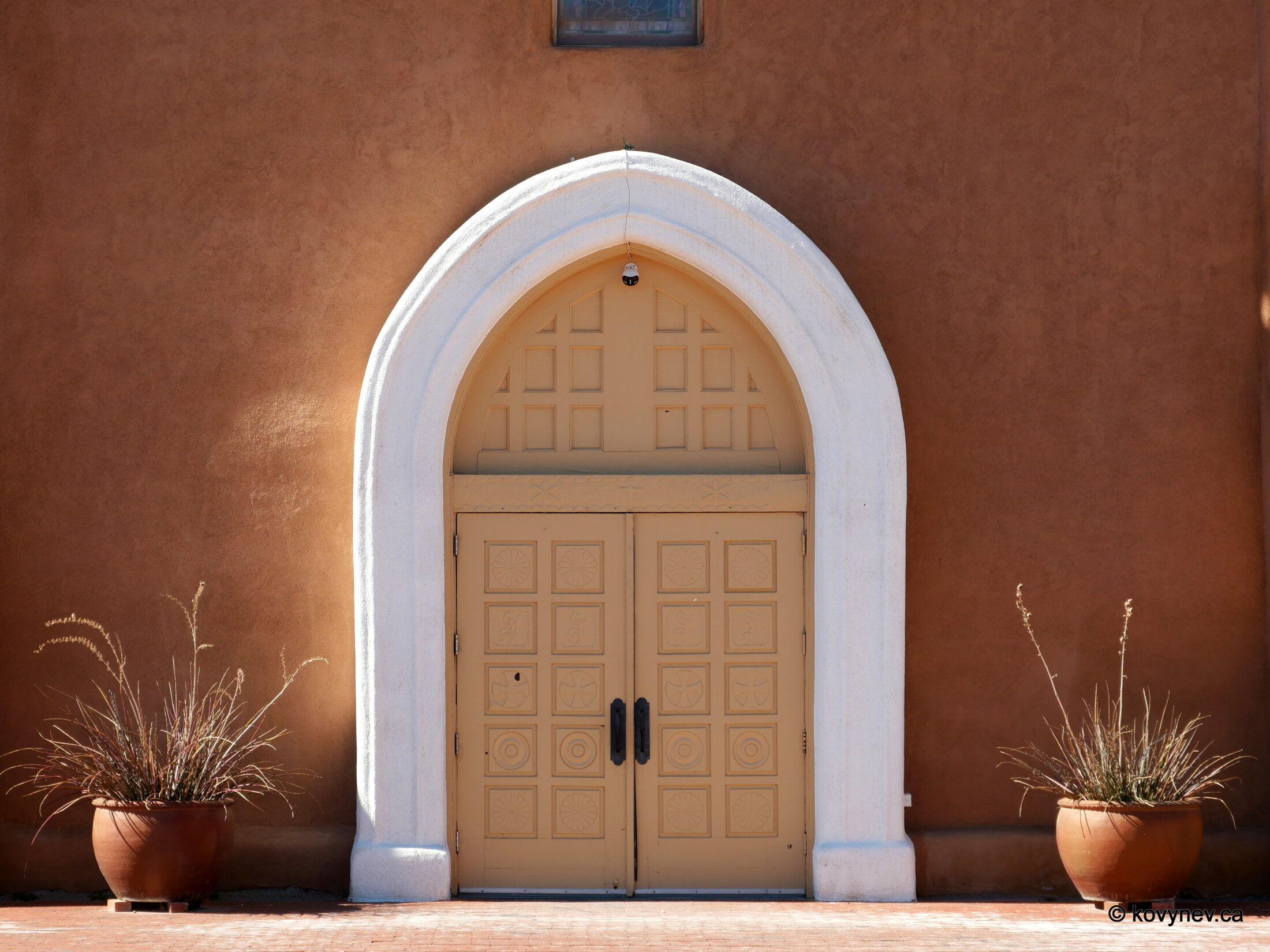
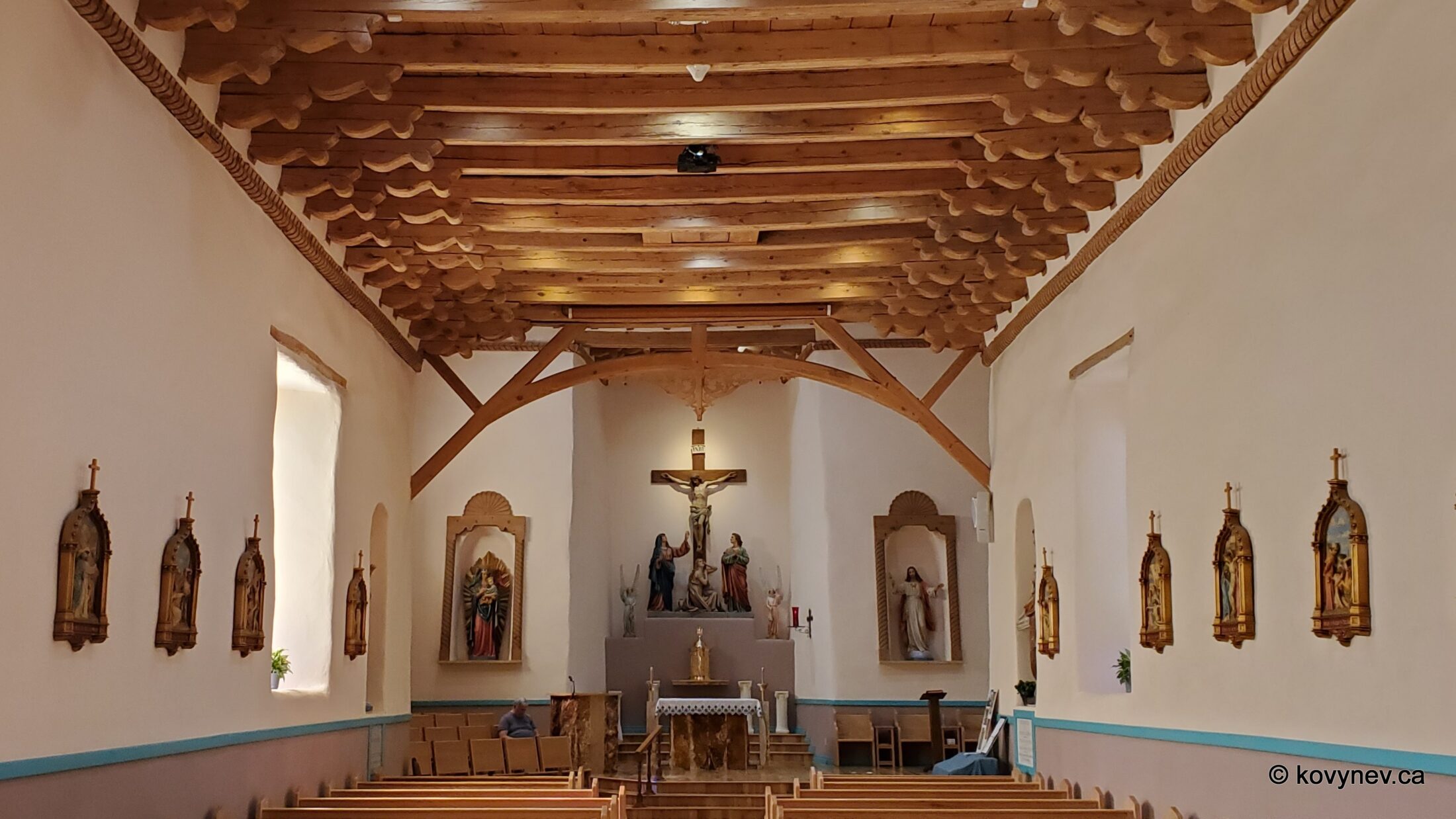
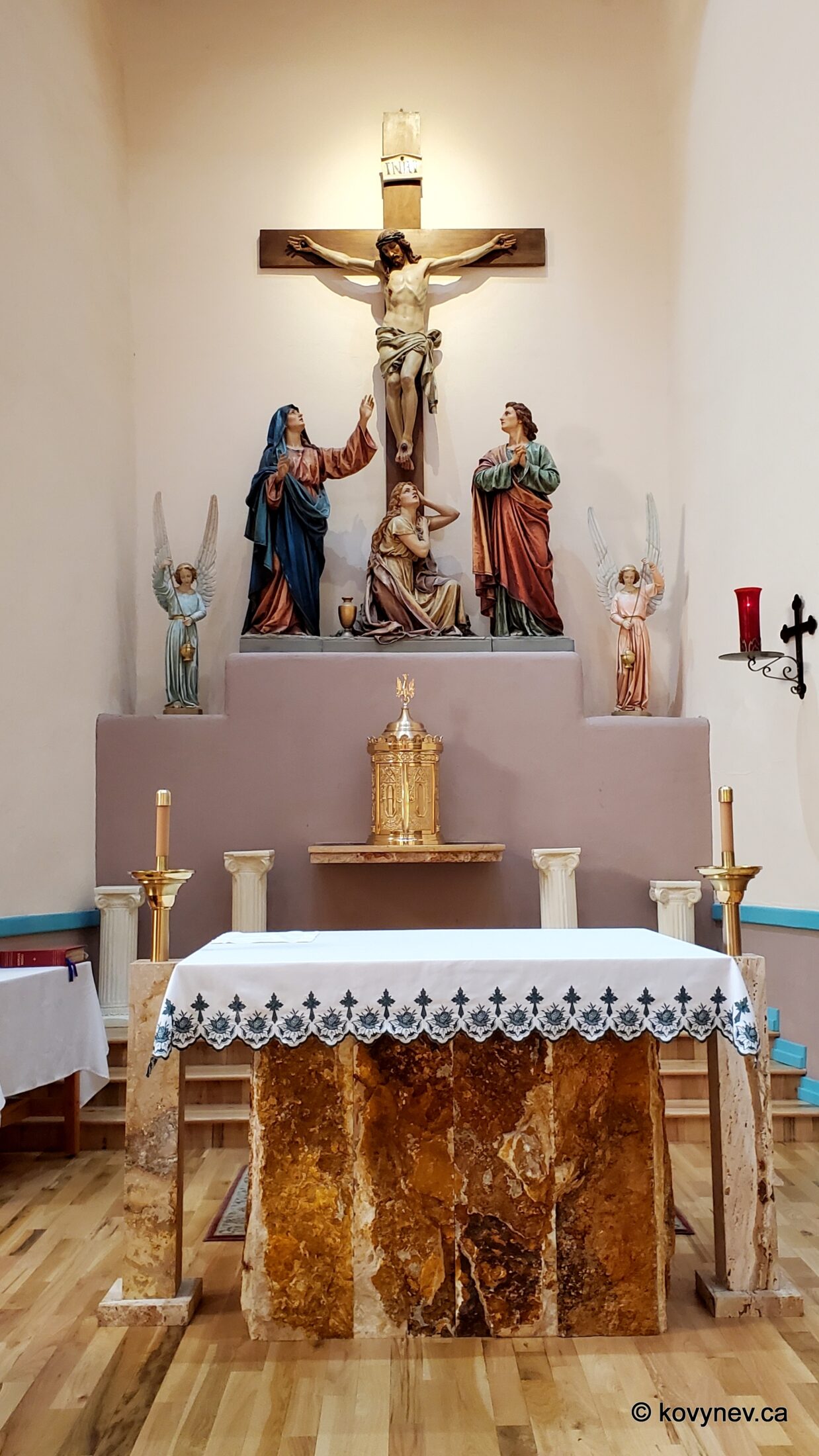
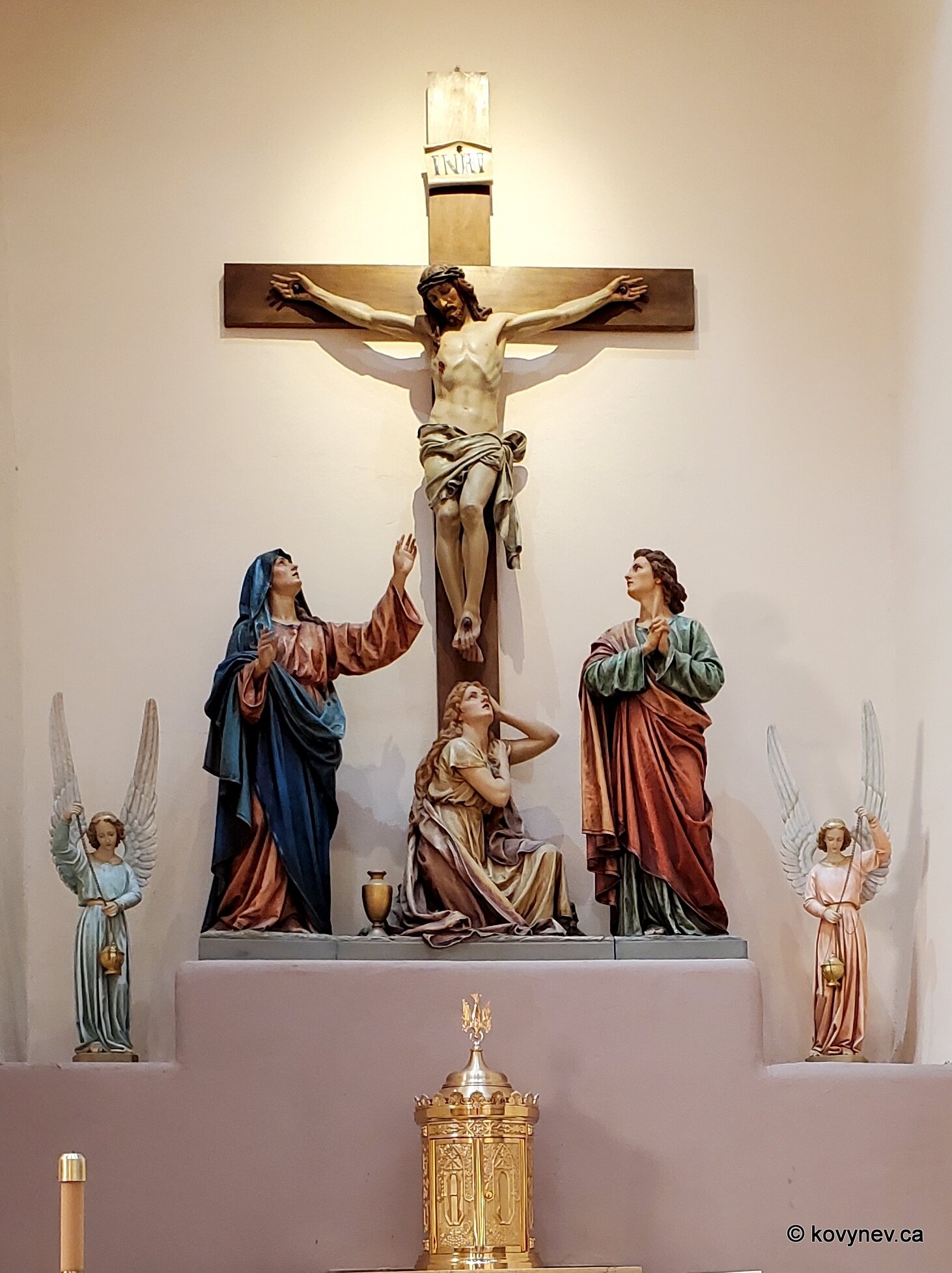
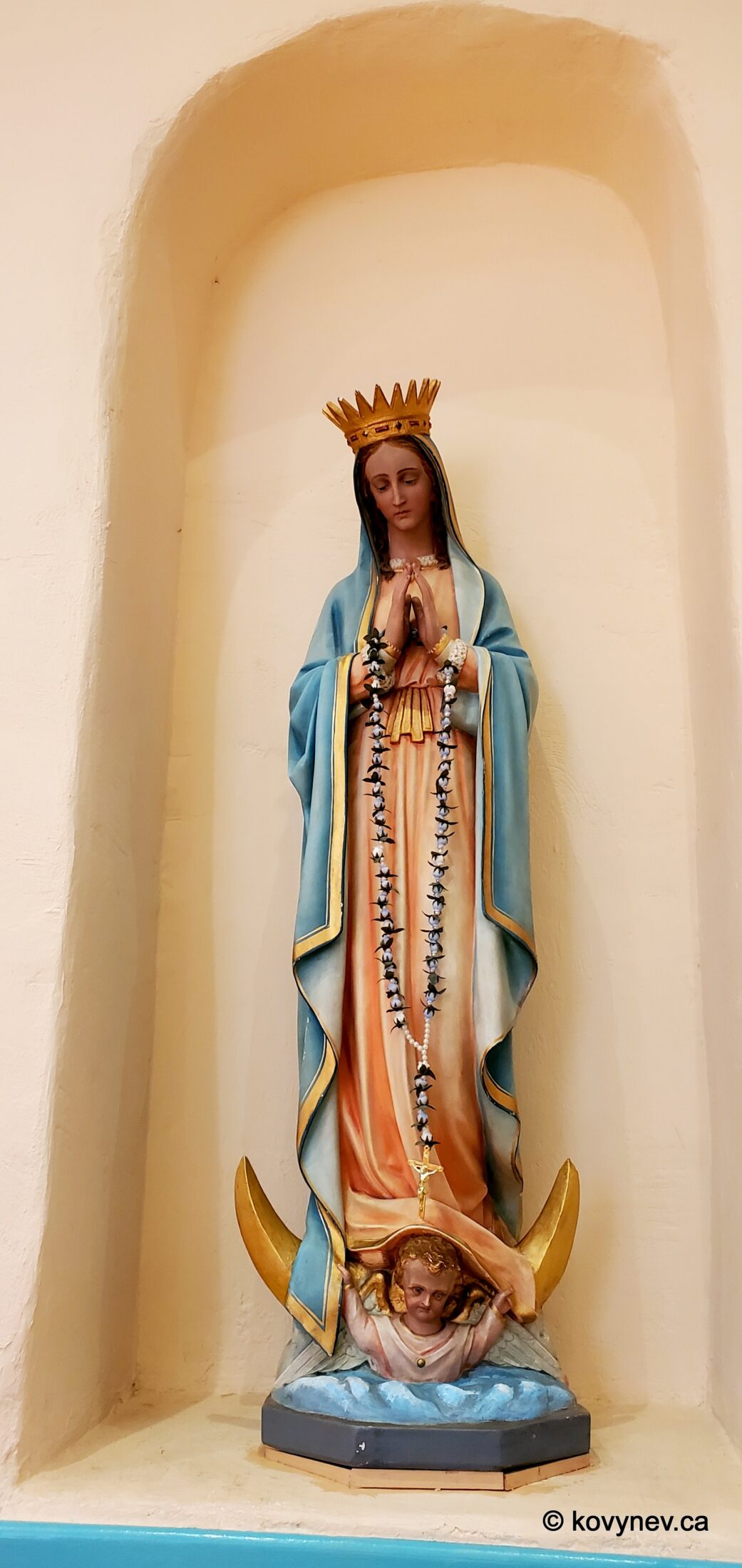
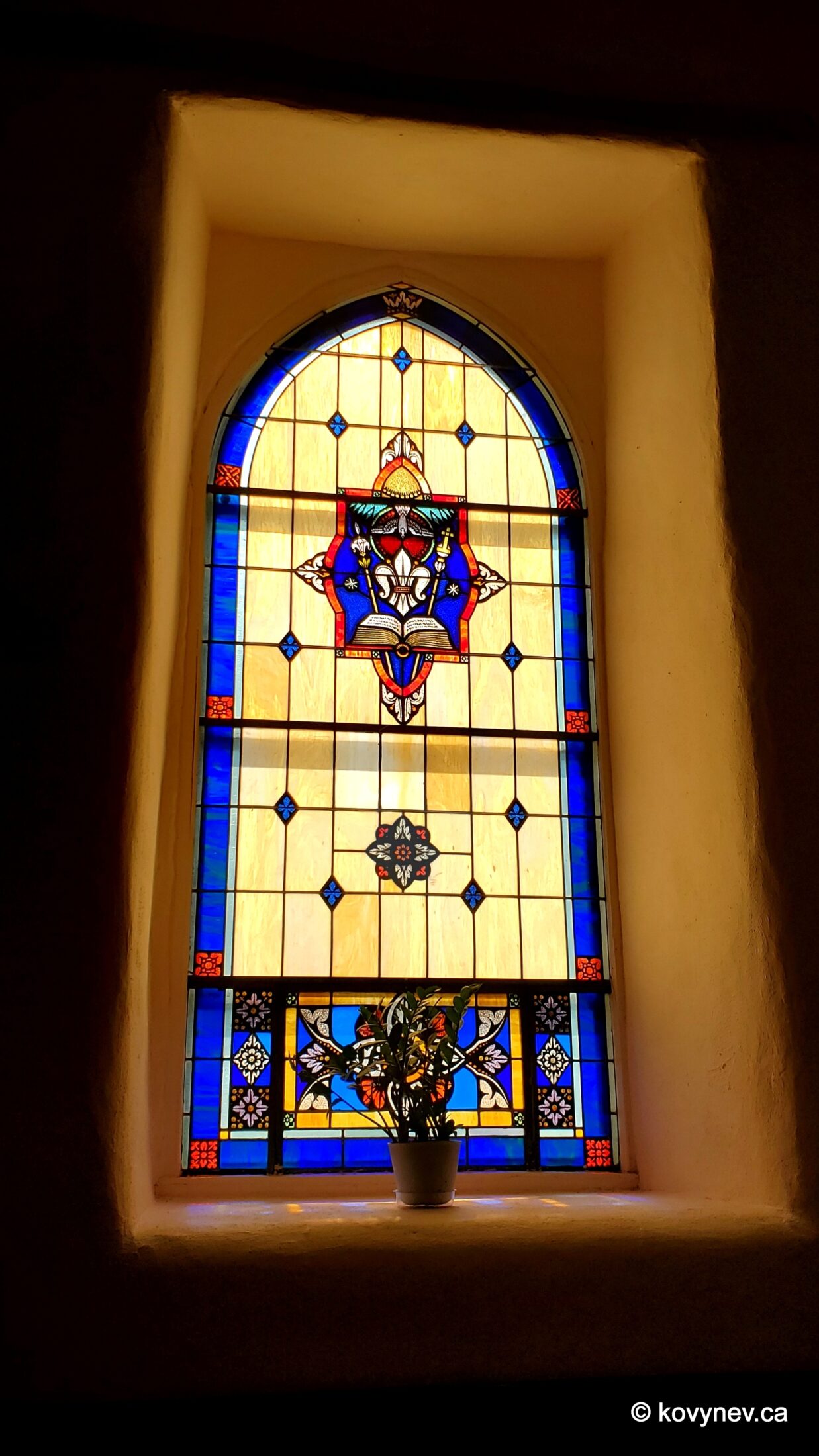
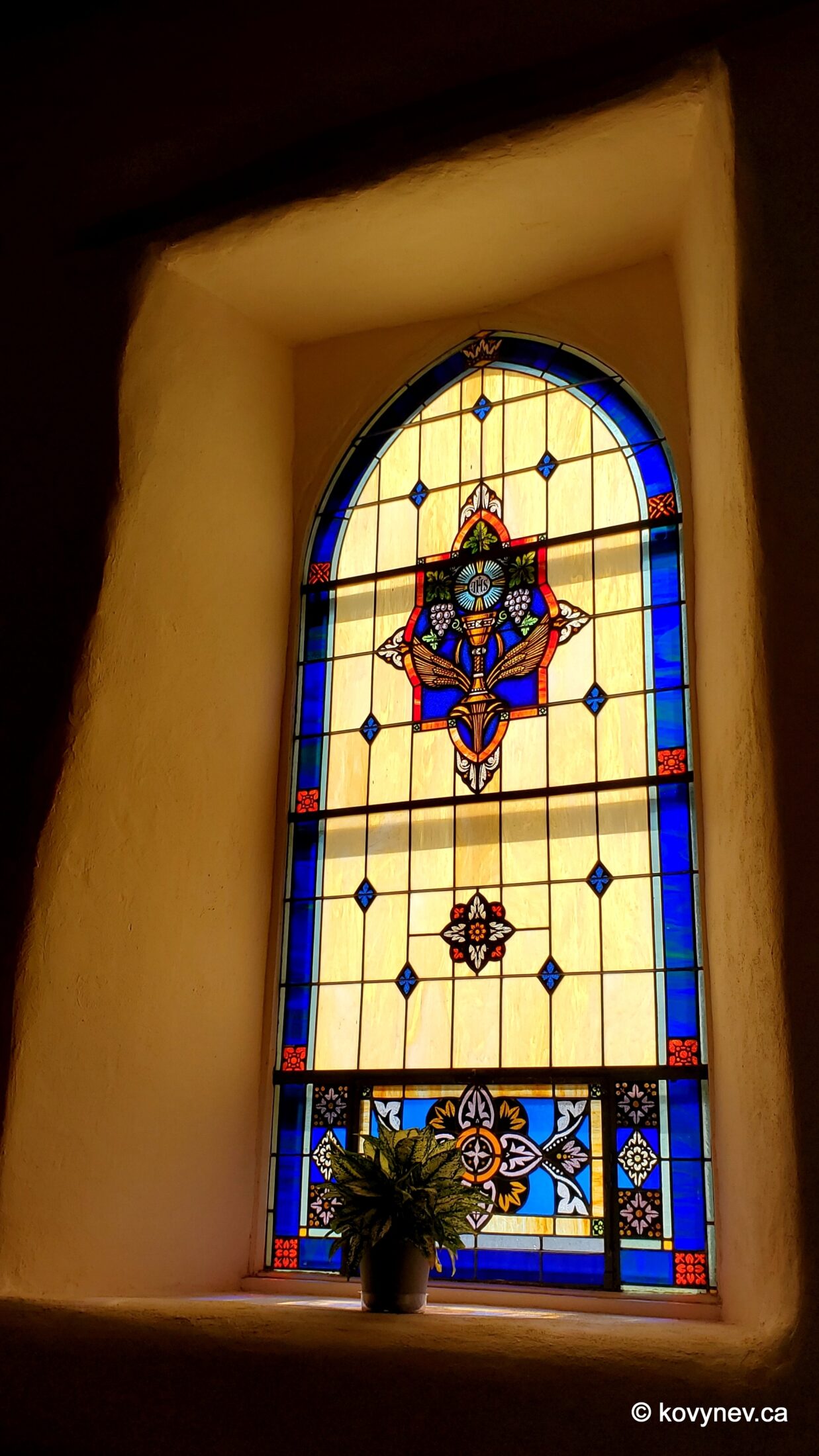
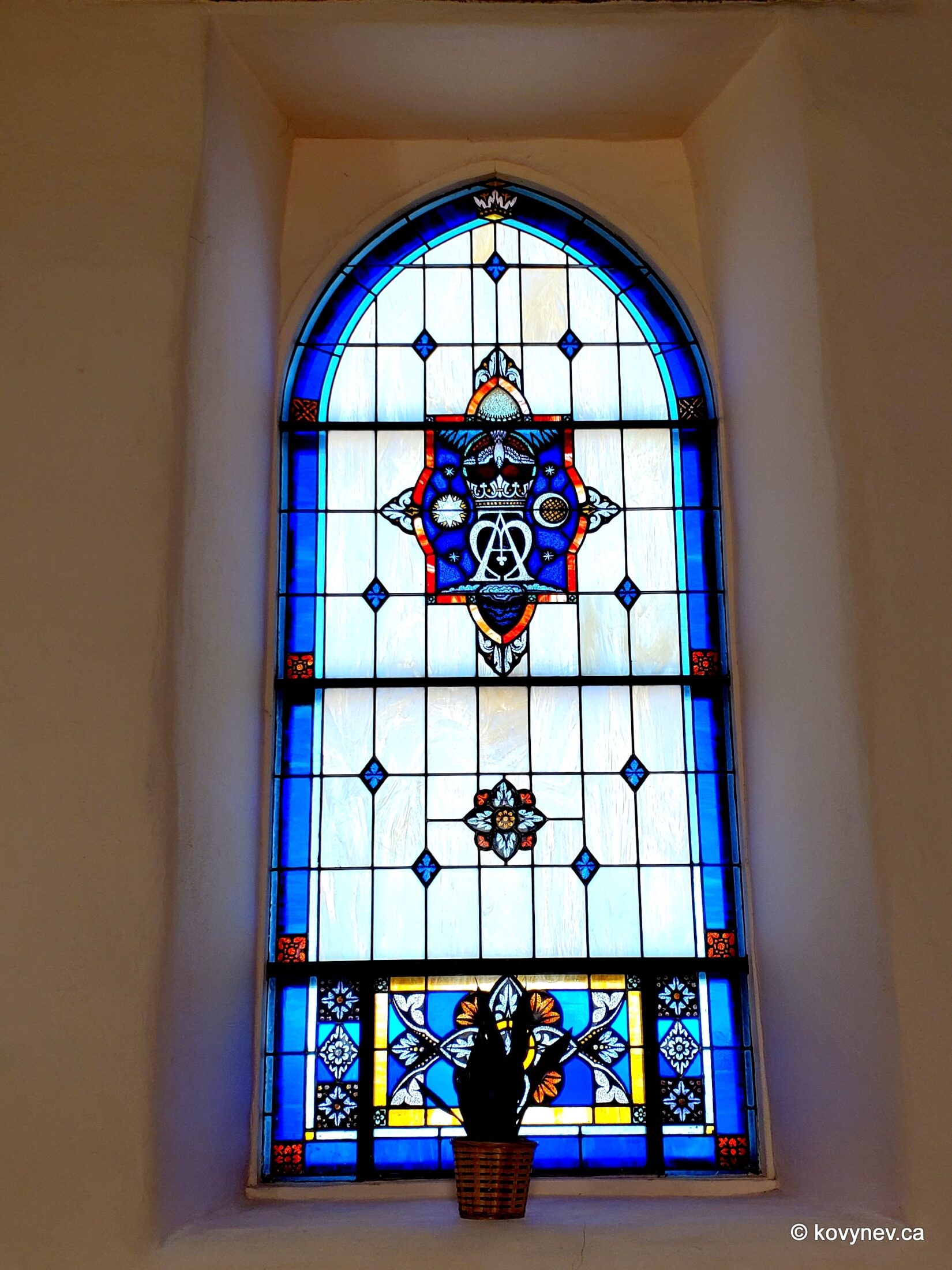
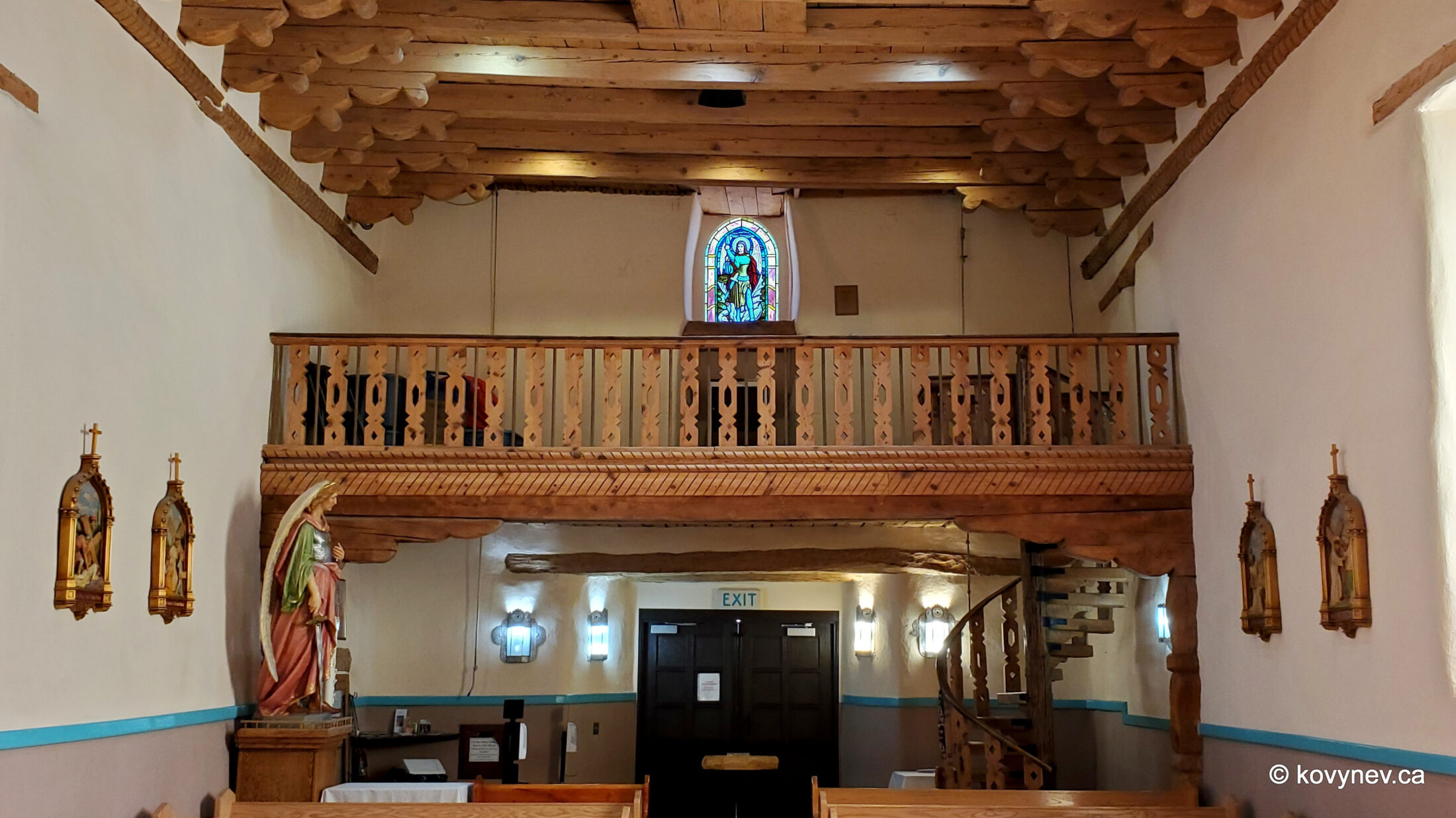
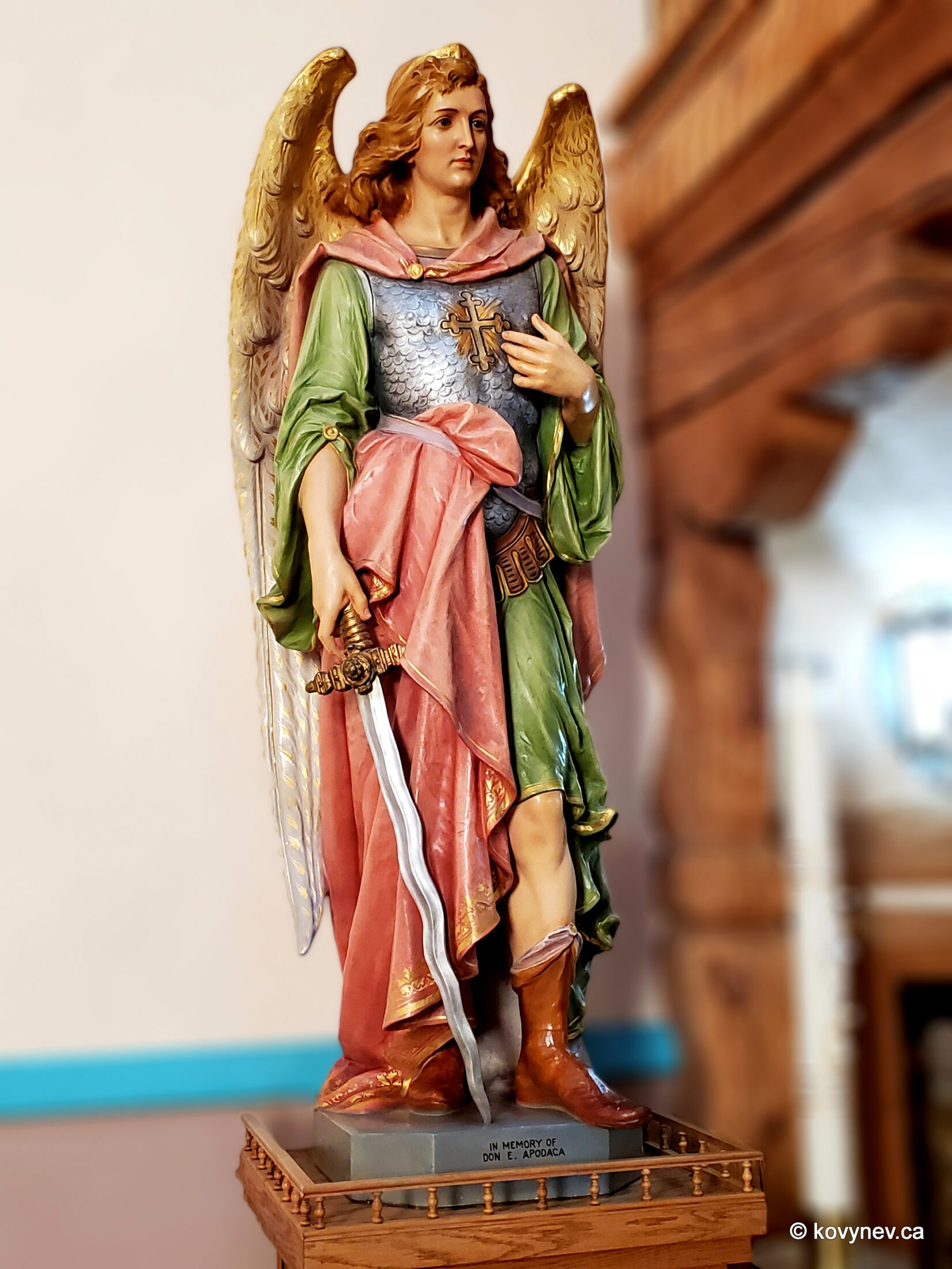
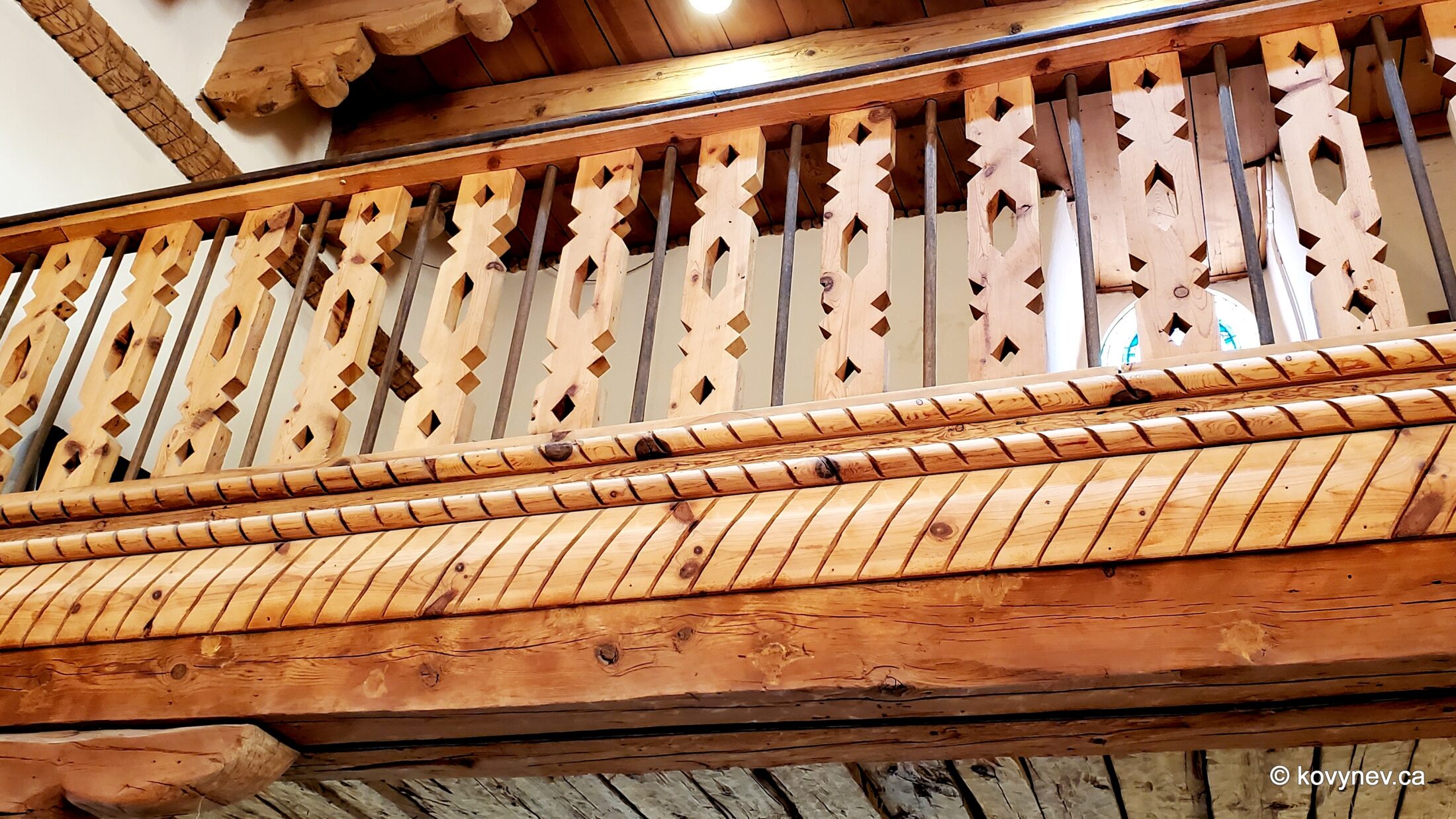
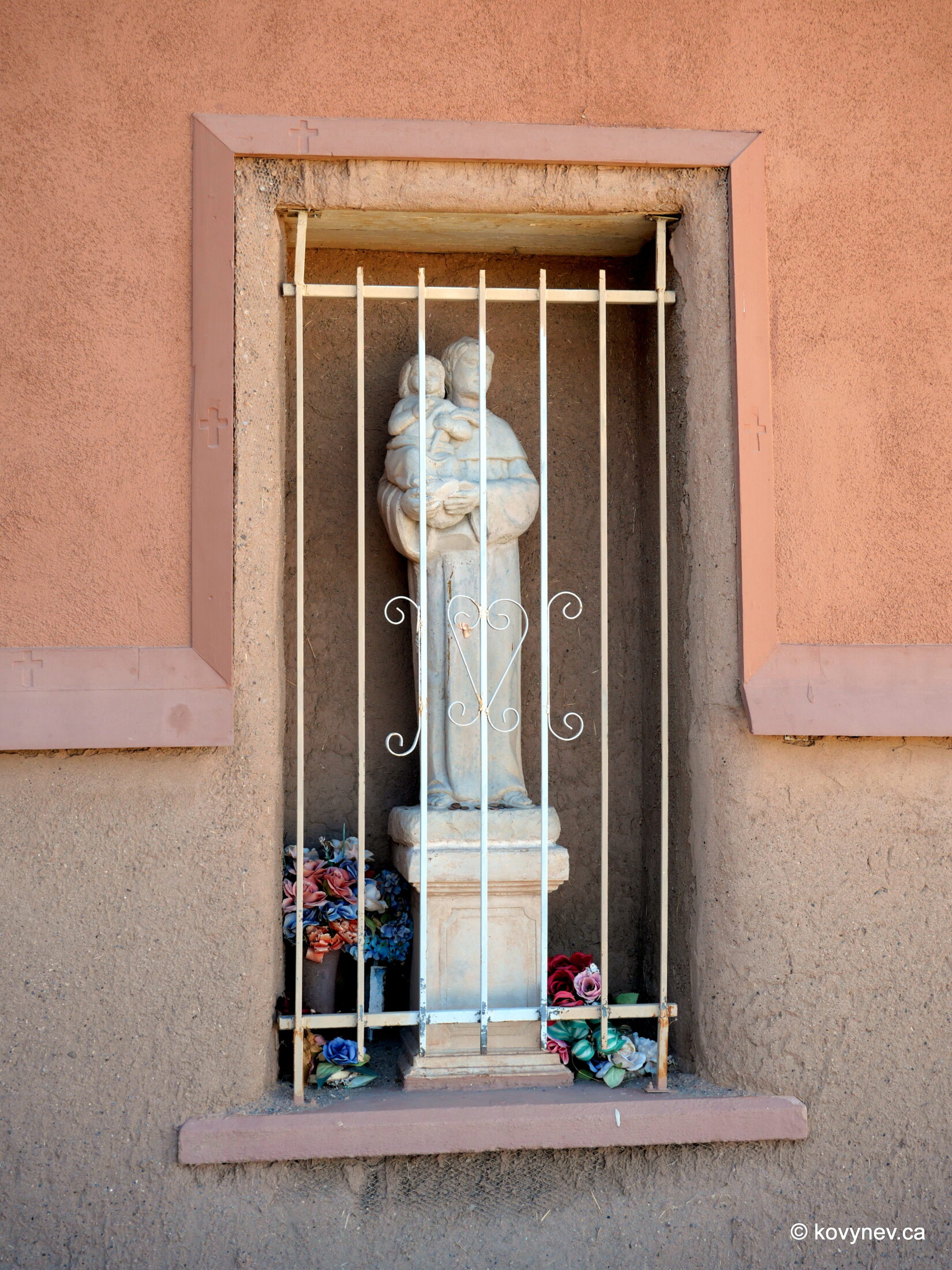
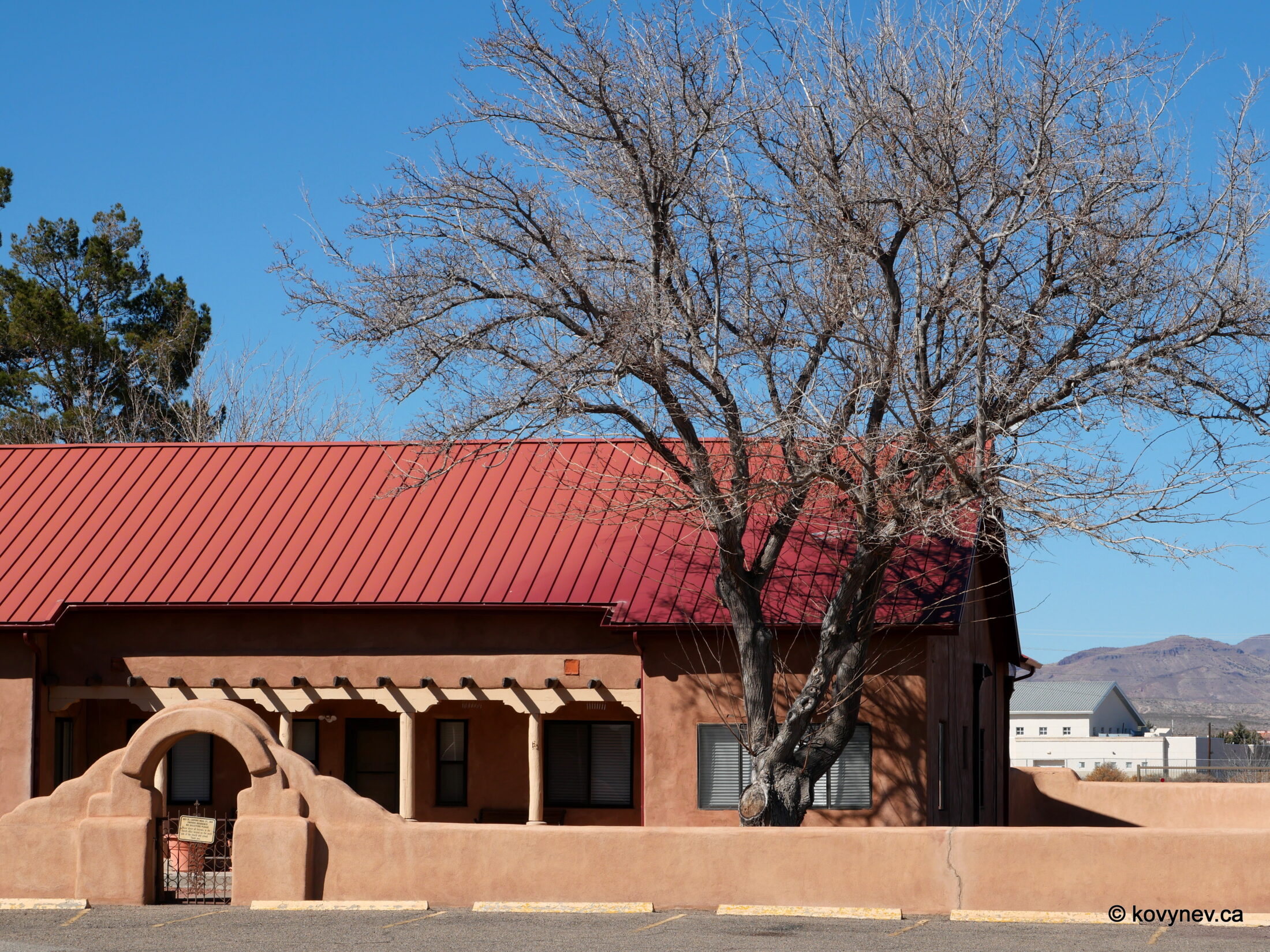
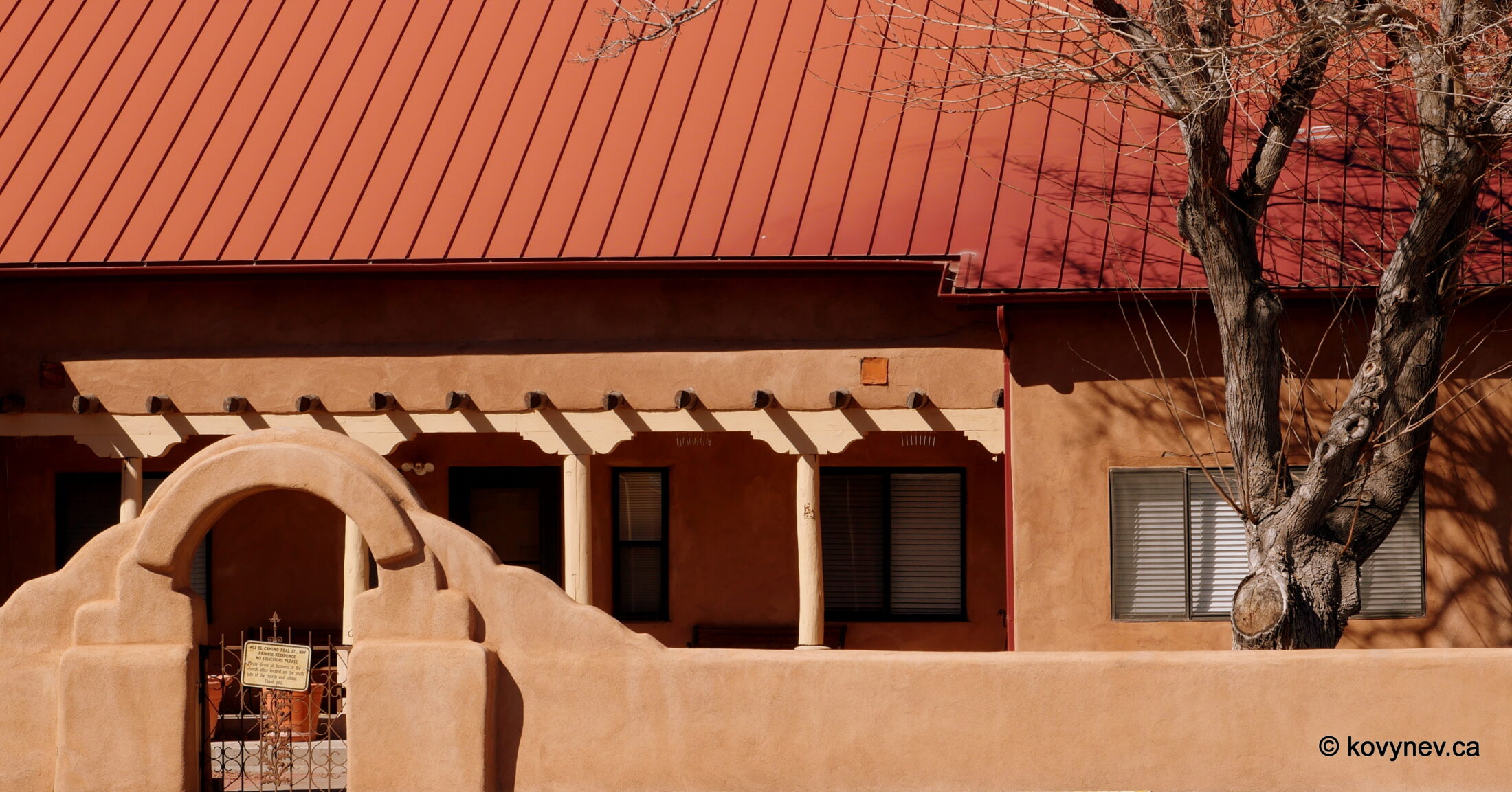
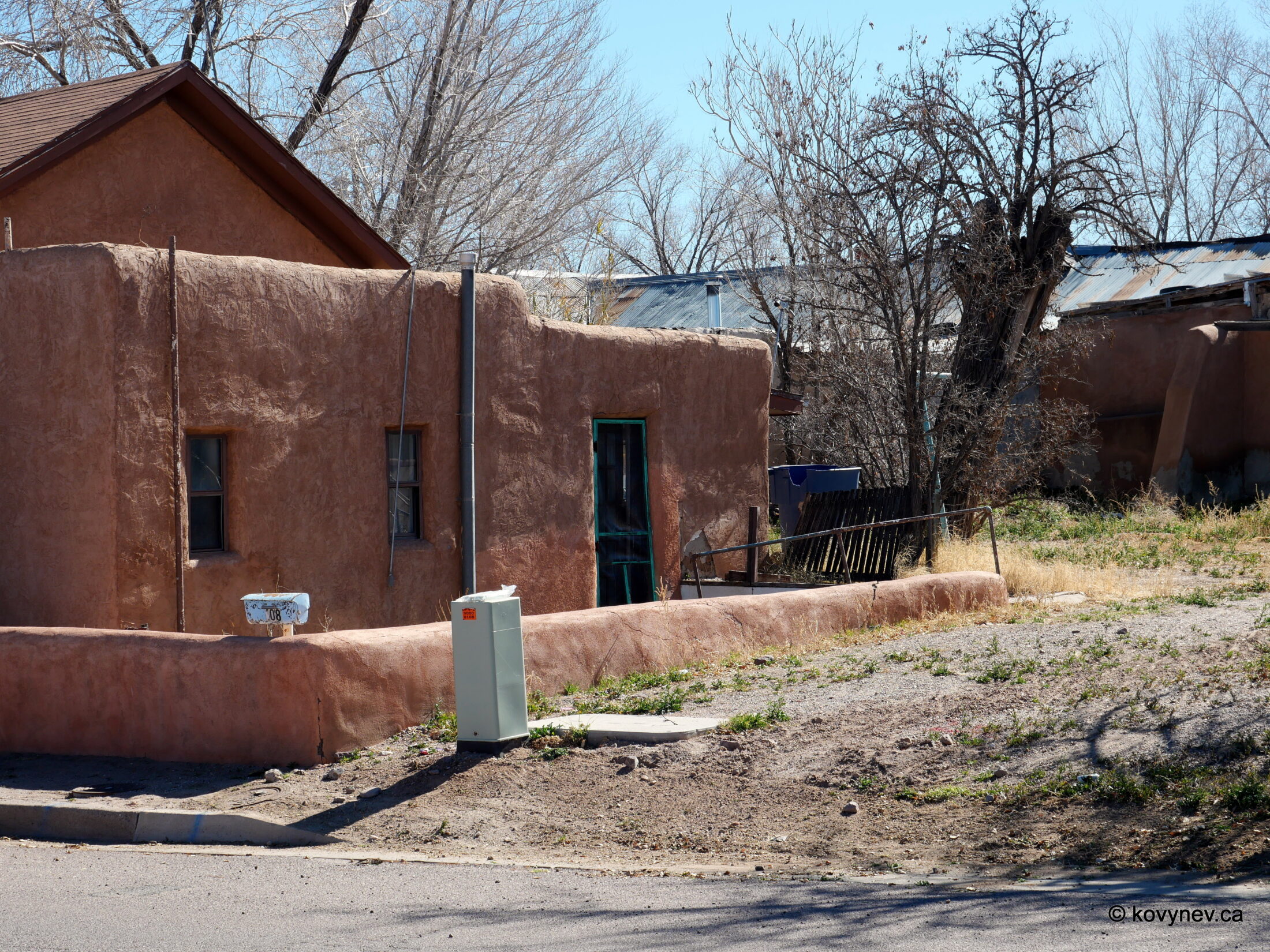
comes from one of the titles of Virgin Mary, formally recognized by the Vatican - Nostra Mater de Perpetuo Succursu. ⇨ ⇨ The title comes from a 15th-century Orthodox icon of Virgin Mary and the baby Jesus, with two angels above holding the items associated with the torment of Christ (the so-called "Holy Instruments of the Passion") - the cross and the nails, and the lance and the sponge (which a Roman soldier used to torture Jesus with vinegar). ⇨ ⇨ The baby Jesus, seeing these "instruments", clings to his mother and she holds him to protect him. The Latin word succursu in the name of the icon literally means "seek help", "to run to the assistance of". So, an officially recognized title of Virgin Mary based on this image is more likely to be the origin of the name of the mission.Going back to the church itself, the original building was constructed in the beginning of the 1600s, and destroyed during the Pueblo Revolt of 1680, which I mentioned before. For more than a century, there was no church on this spot, only ruins. The building we see today was constructed in the early 1800s, replicating the original church in many ways. So, even though, it is not really from the Spanish Colonial era, it still adheres to that style. The new church was renamed San Miguel, to commemorate an earlier event, when Archangel Michael reportedly appeared with his sword to protect the village from an Apache raid.Let′s enter this new church now.The Spanish Colonial style, of which this church is a very good example, is characterized by these heavy wooden ceiling beams, called vigas, and the supporting arches (corbels), like the one at the end of the nave there. Here′s a closeup of those vigas for you to see them better.Another fascinating element of the church are these wooden plaques depicting the Passion of Christ, evenly placed along the whole perimeter of the church walls. Although, this is a standard feature in Catholic churches, here the theme corresponds with the story of the mission′s name. There are 14 plaques, each depicting a specific event in the final hours of Jesus′s human life (they are called "Stations of the Cross"), starting from his condemnation to death, and all the way to his laying into the tomb.Each plaque has a helpful caption in English, describing the event it represents.The altar is very plain and simple. What′s interesting, all three female figures in the altar are Virgin Mary, but in her different representations, formally recognized by the Catholic Church. ⇨ ⇨ The one on the left is Nuestra Señora de Guadalupe (Our Lady of Guadalupe), named after her apparition in Mexico, on the right - Nuestra Señora de Lourdes (Our Lady of Lourdes), after her apparition in Lourdes, France, and the one in the centre, below the Cross, is Nuestra Señora de los Dolores (Our Lady of Sorrows), a depiction of Virgin Mary as a human, lamenting her son′s death.Another figure of Virgin Mary is located in one of the wall niches (nichos), which are a very common element of Spanish Colonial churches. This statue is called La Purísima and represents the Immaculate Conception.The stained-glass windows are a newer additions. They were hewn in the walls during a major renovation in the 1940s. Before that, the windows were small, like arrow slits, and positioned high under the ceiling. Apache raids were very common in the 1800s, when this building was constructed, so the parish used the church as the last stronghold.That renovation was not the first major overhaul of the building. They started to make changes to the church′s fortress-like appearance in the 1870s, when apache were not an issues any more. Back then, they added a pitched roof and the two bell towers we saw from the outside. In the 1870s, they also added the first stained-glass window, that one, in the choir, above the entrance. It depicts Archangel Michael, the church′s namesake.This statue of Archangel Michael has quite a story. It was carved in Mexico for a different church in New Mexico. The delivery route was going through Socorro, where the cart got hopelessly stuck in the ditch. Socorro residents took at as a sign that St. Michael wants his statue to stay in Socorro, in the church of his name. I wonder, what the people for whom the statue was intended originally, thought about this.The carvings of the choir balustrade above the exit.Now, when we are outside again, here are a few pictures of the church′s compound.This is outside of the church′s territory already. Just a regular house on a nearby street, with old adobe walls, which concludes our trip to Socorro. Press ESC to exit