The “Breaking Bad” locations are not the only thing you can visit in Albuquerque. There is a cute Old Town, for example. Actually, old towns are a thing to look out for in New Mexico, generally. They are all very pretty and very, very photogenic. They are Spanish colonial settlements, from the times when New Mexico was part of New Spain (starting in the mid-1500s). All these old towns have a similar design, based on the Laws of the Indies, a 16th-century Spanish building code that dictated exactly how colonial settlements should be organized for defence and governance. There is a central square (Plaza Mayor), which in those times would be walled and acting as a fortress in the case of an attack. There would always be the main town church in the plaza, as well as Las Casas Reales (local administration’s buildings). There is also usually un quiosco (a kiosk, a bandstand) in the middle of the plaza, for musical performances and other events, since the plaza was the centre of communal life.
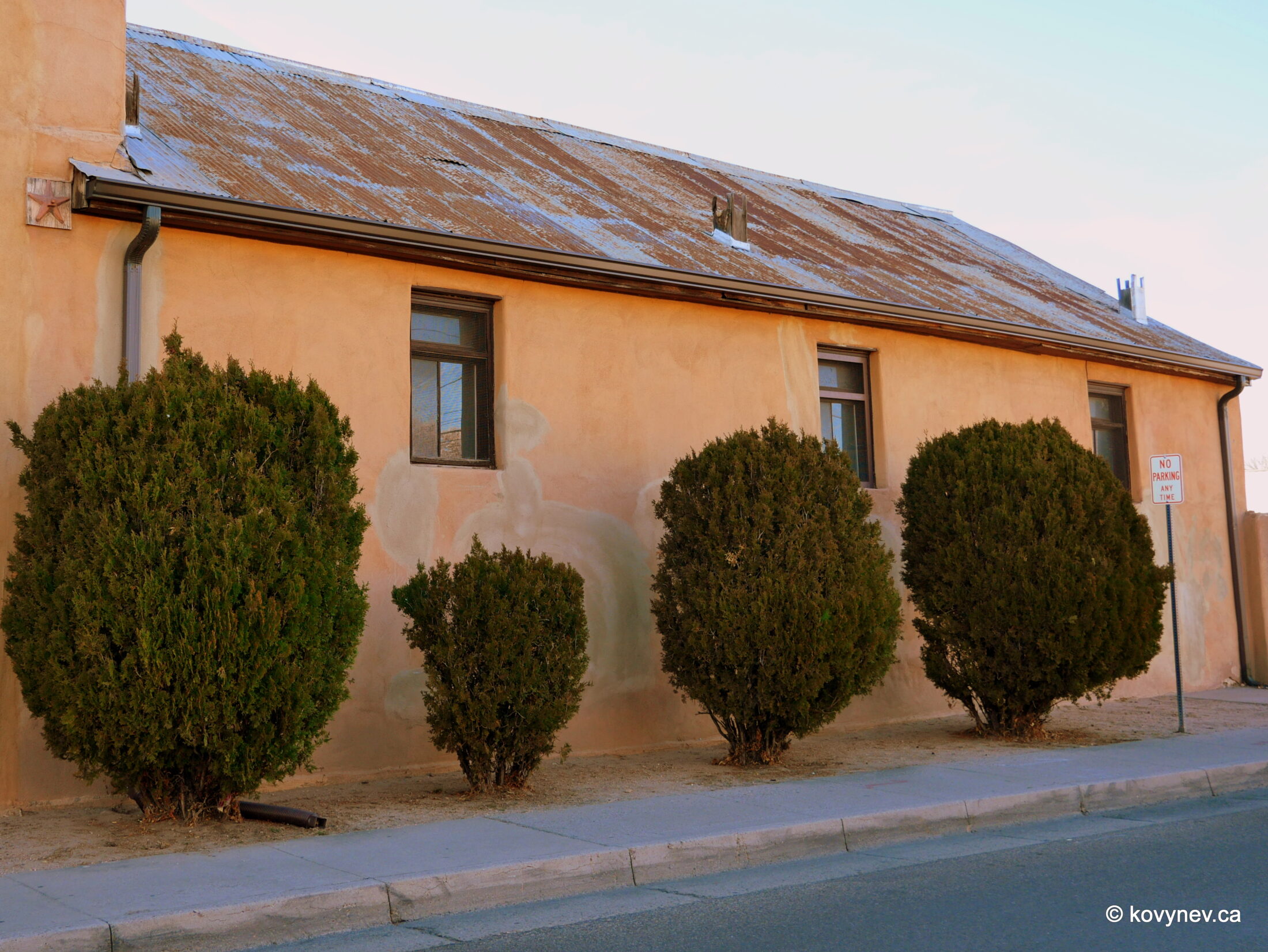
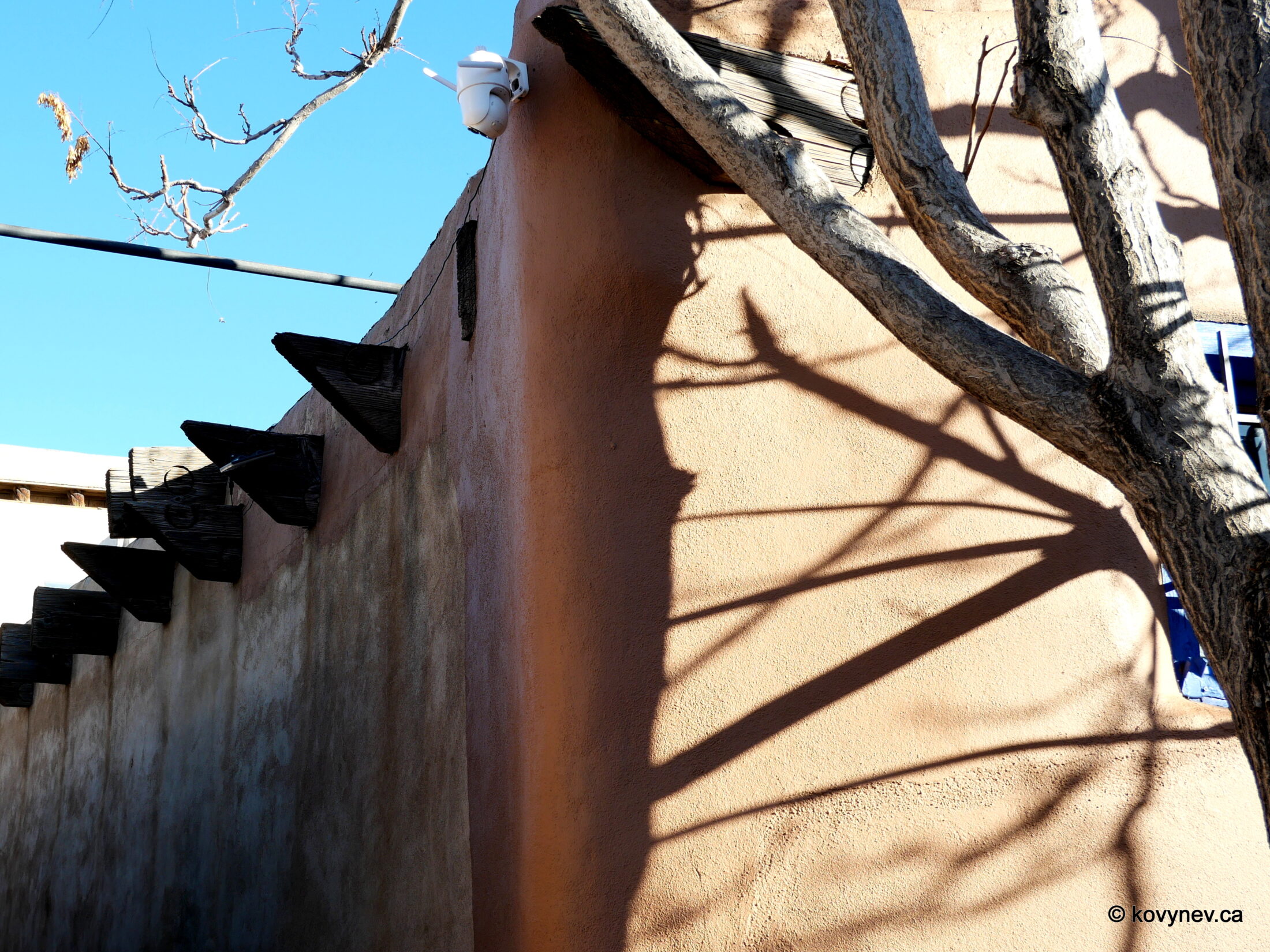
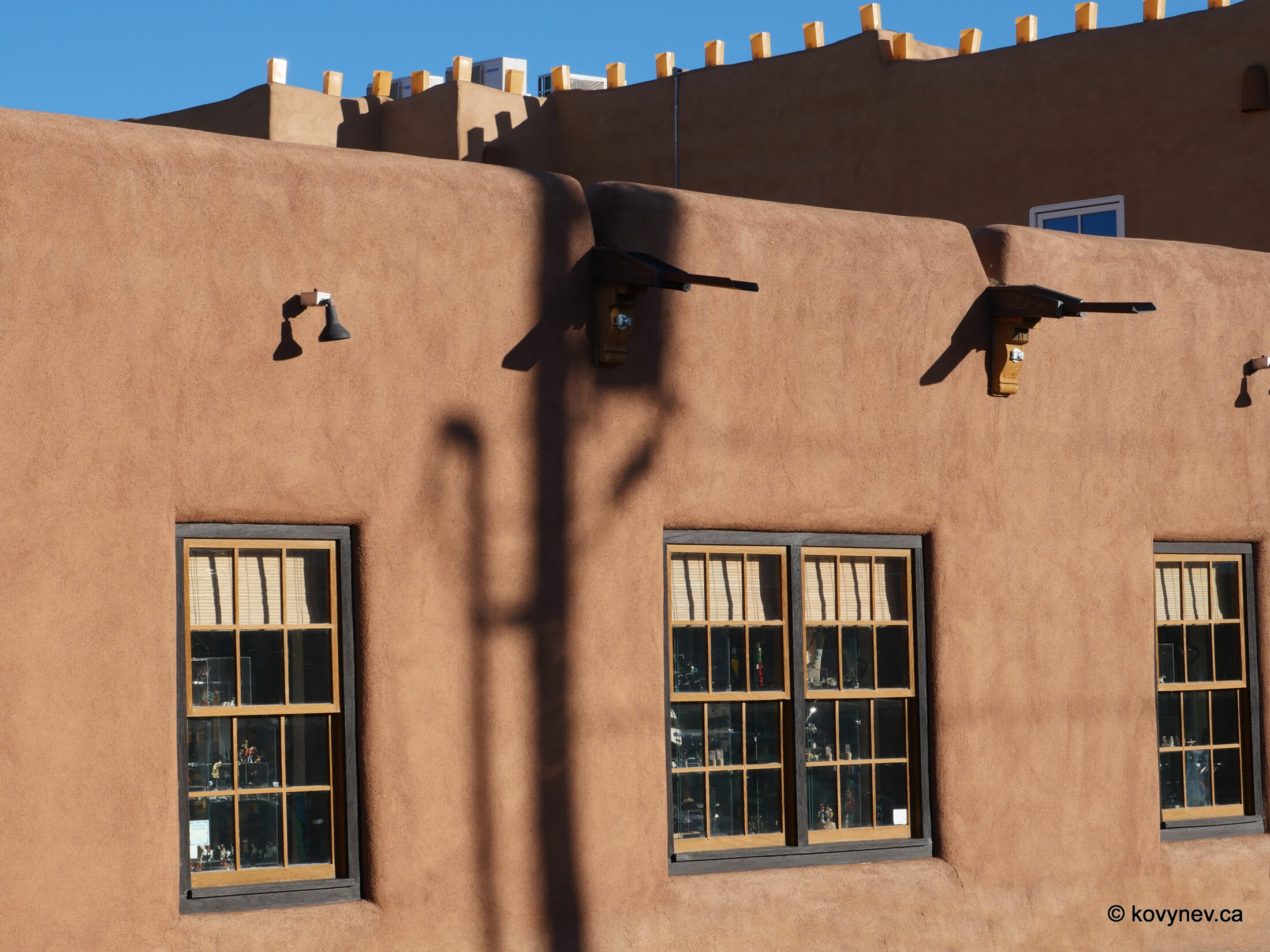
But the main attractive thing about these old towns is their architectural style. People usually call it adobe, but they are wrong. Adobe is a technique of constructing a building from the sun-dried earthen bricks, made of a little bit of clay, sand, straw, and the good old mud. So, as long as your house is made of those, it’s adobe. The very distinct appearance of the “adobe” buildings in the American Southwest, though, is a product of a specific architectural style, which is called Pueblo Revival, or Santa Fe style (given the abundance of such buildings in Santa Fe especially). It’s characterized by very thick walls (for the temperature control), covered with mud or lime plaster, almost always with rounded edges. The rough, uneven surface of the placter against the sunrays, those rounded edges, and the earthy, warm palette of yellowish/reddish colours – all this makes old “adobe” towns so damn picturesque and very much worth a visit.
NIKONCOOLPIX S9300 22mm
/ 5.7
/ 10/1000s
/ ISO 125
Created: 125
Uploaded: 125
Likes: 125
Views: 125
Comments: 125
-1
-1
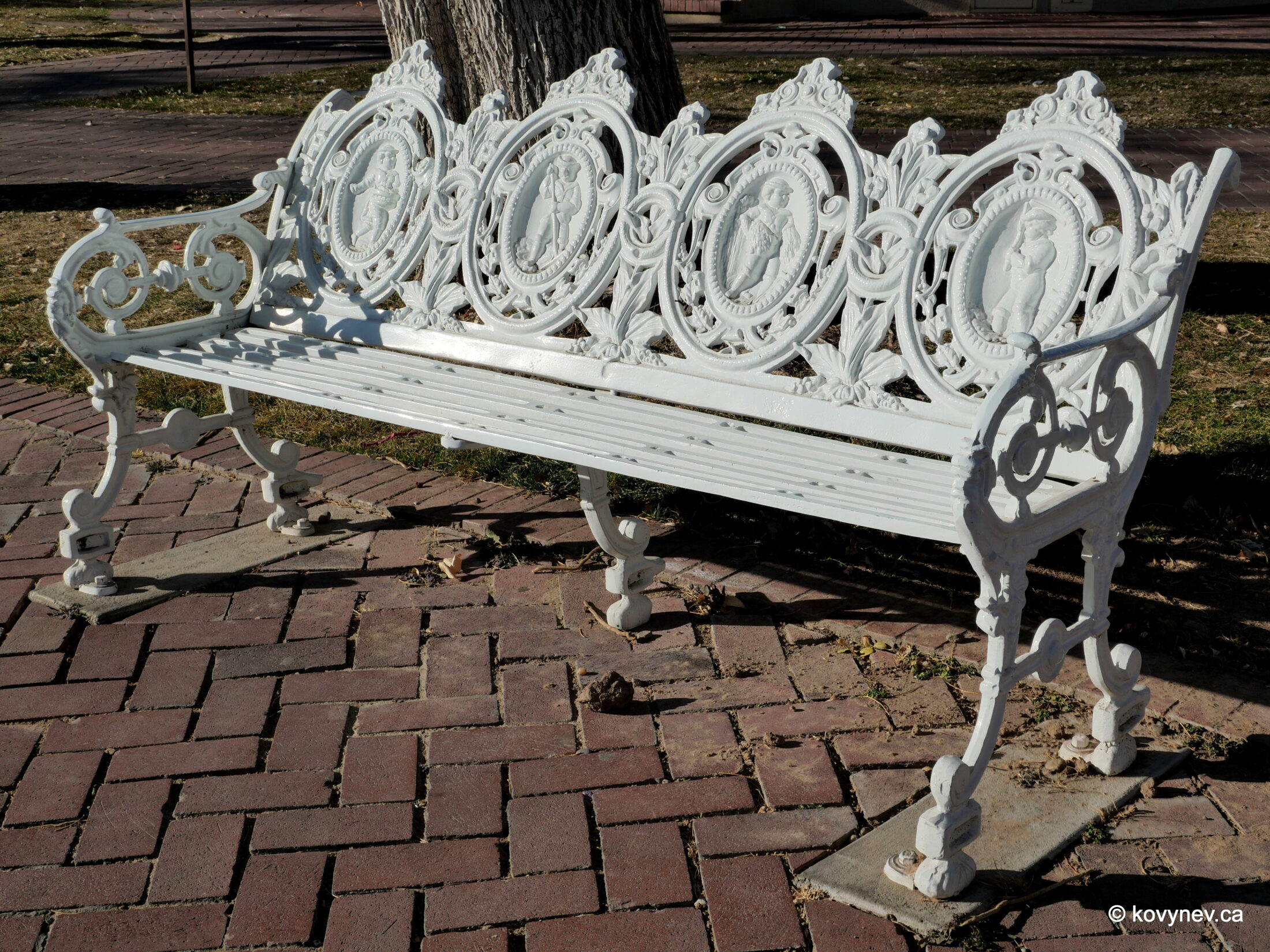
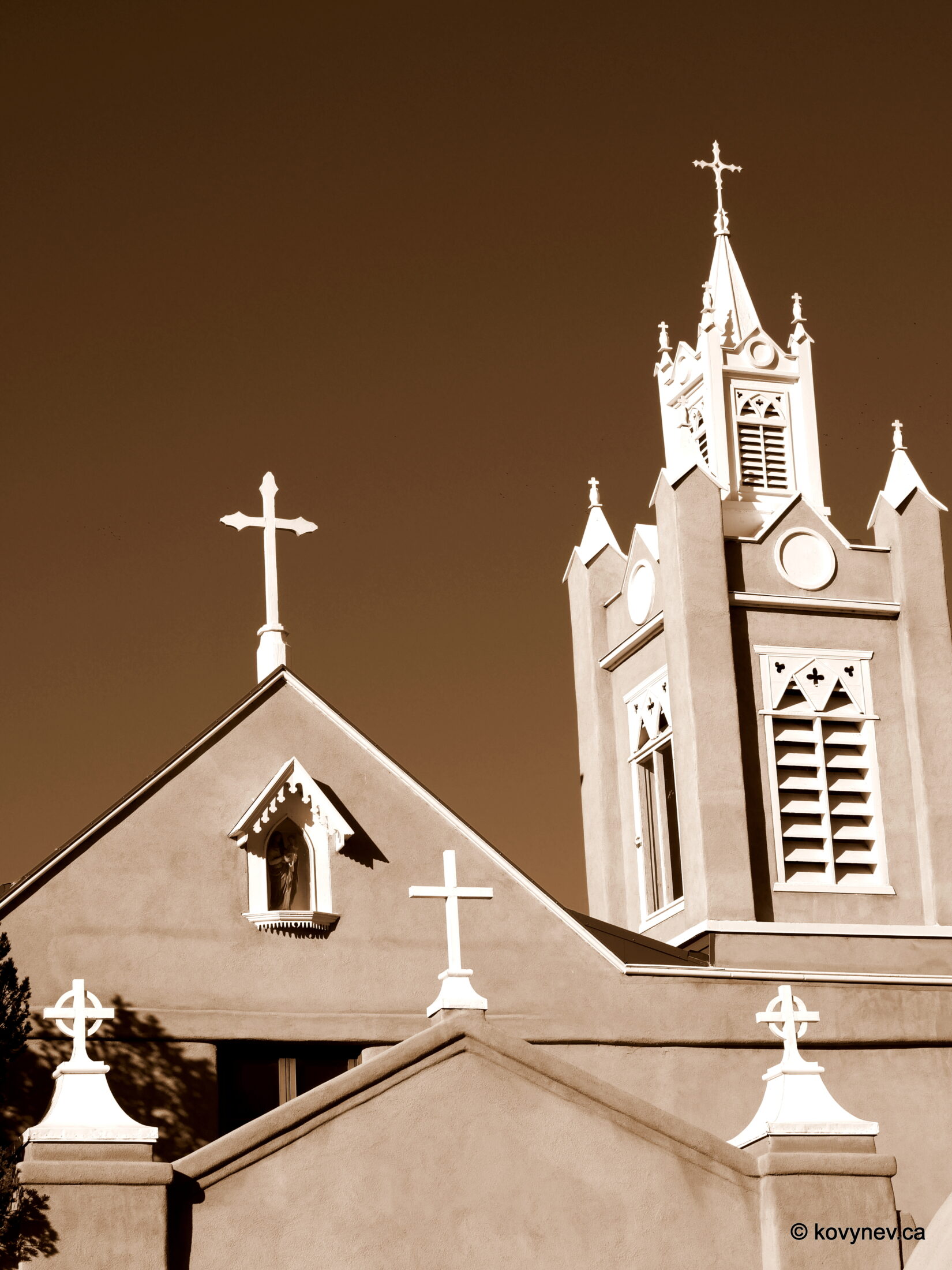
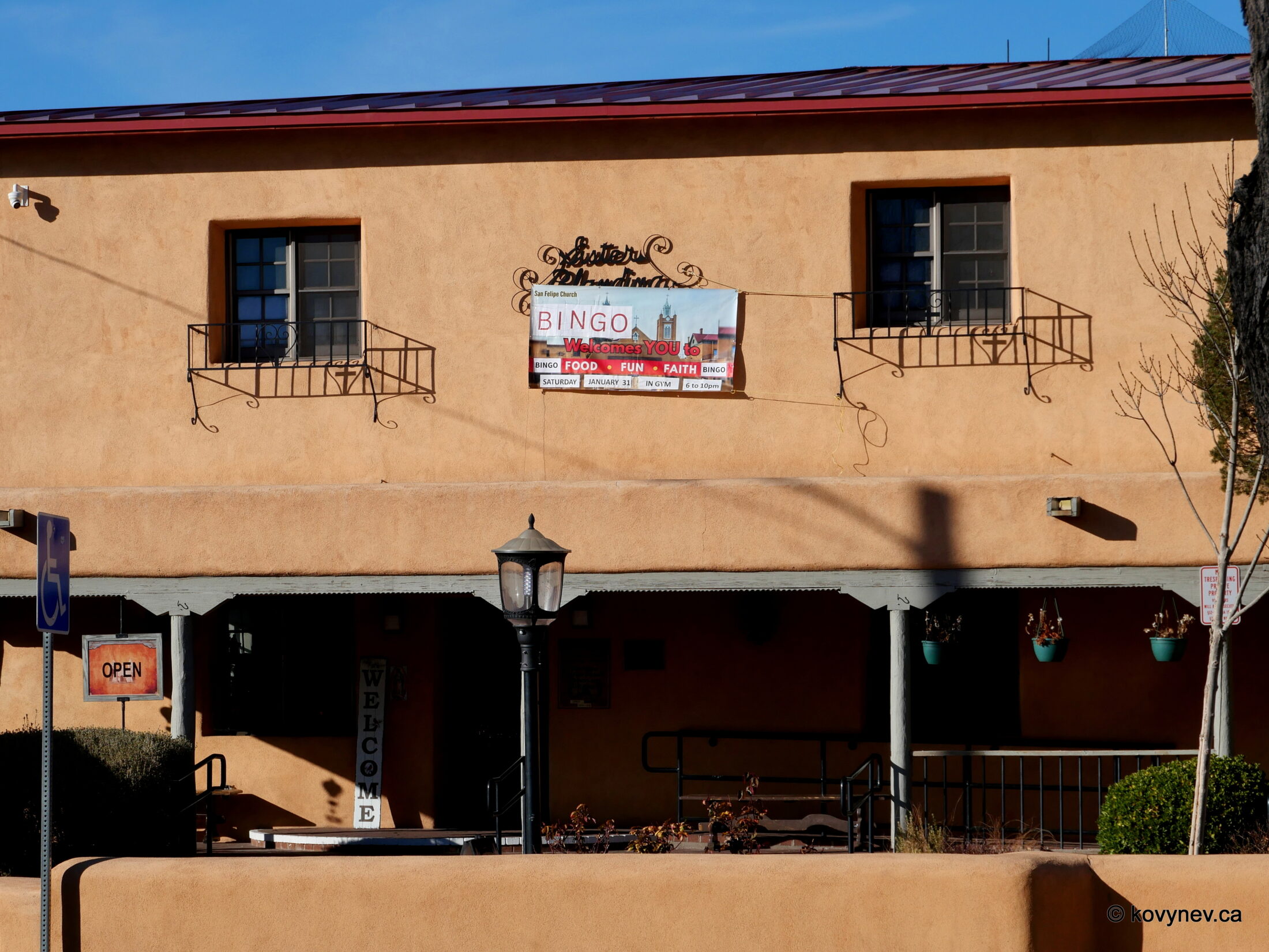
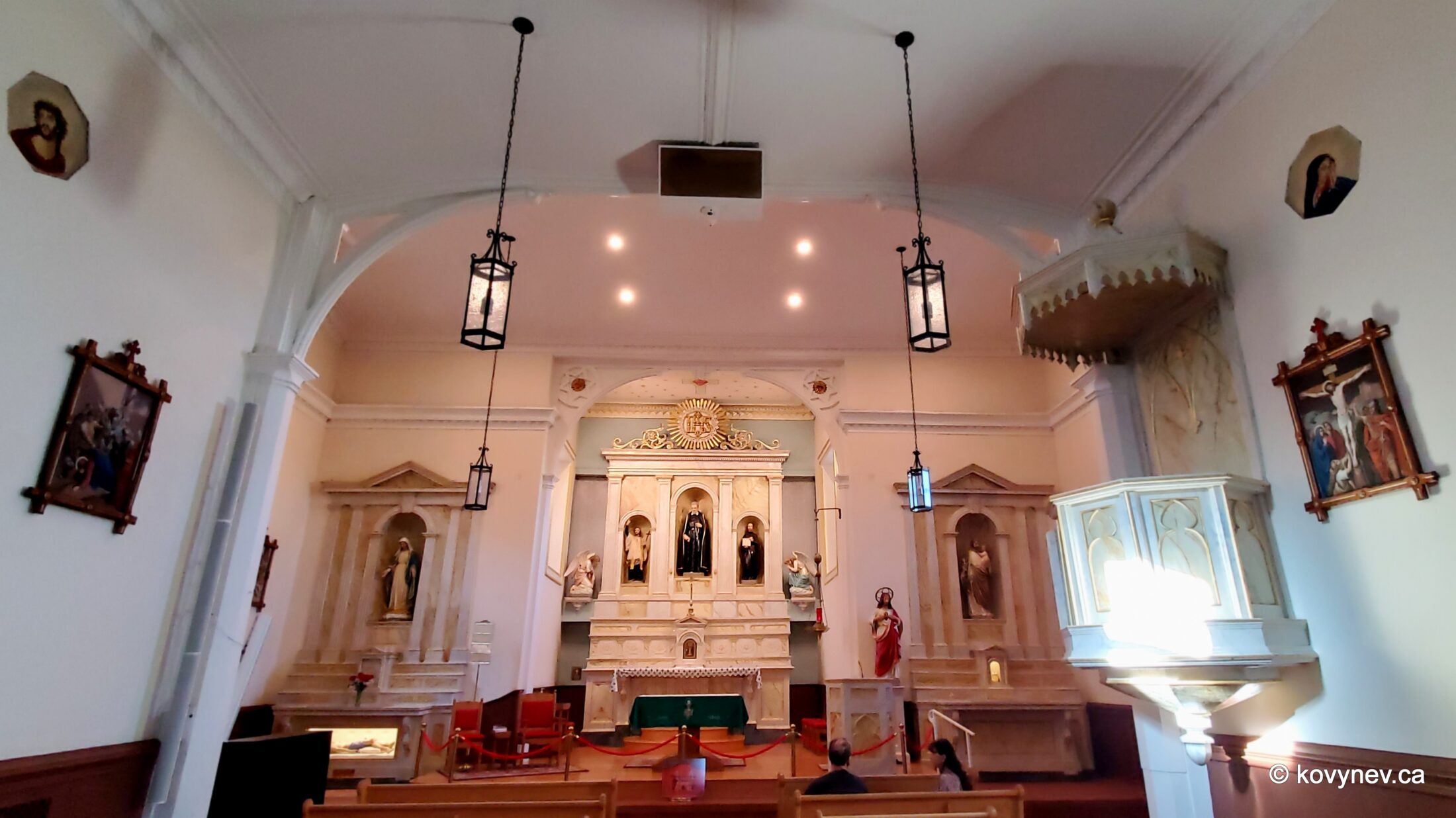
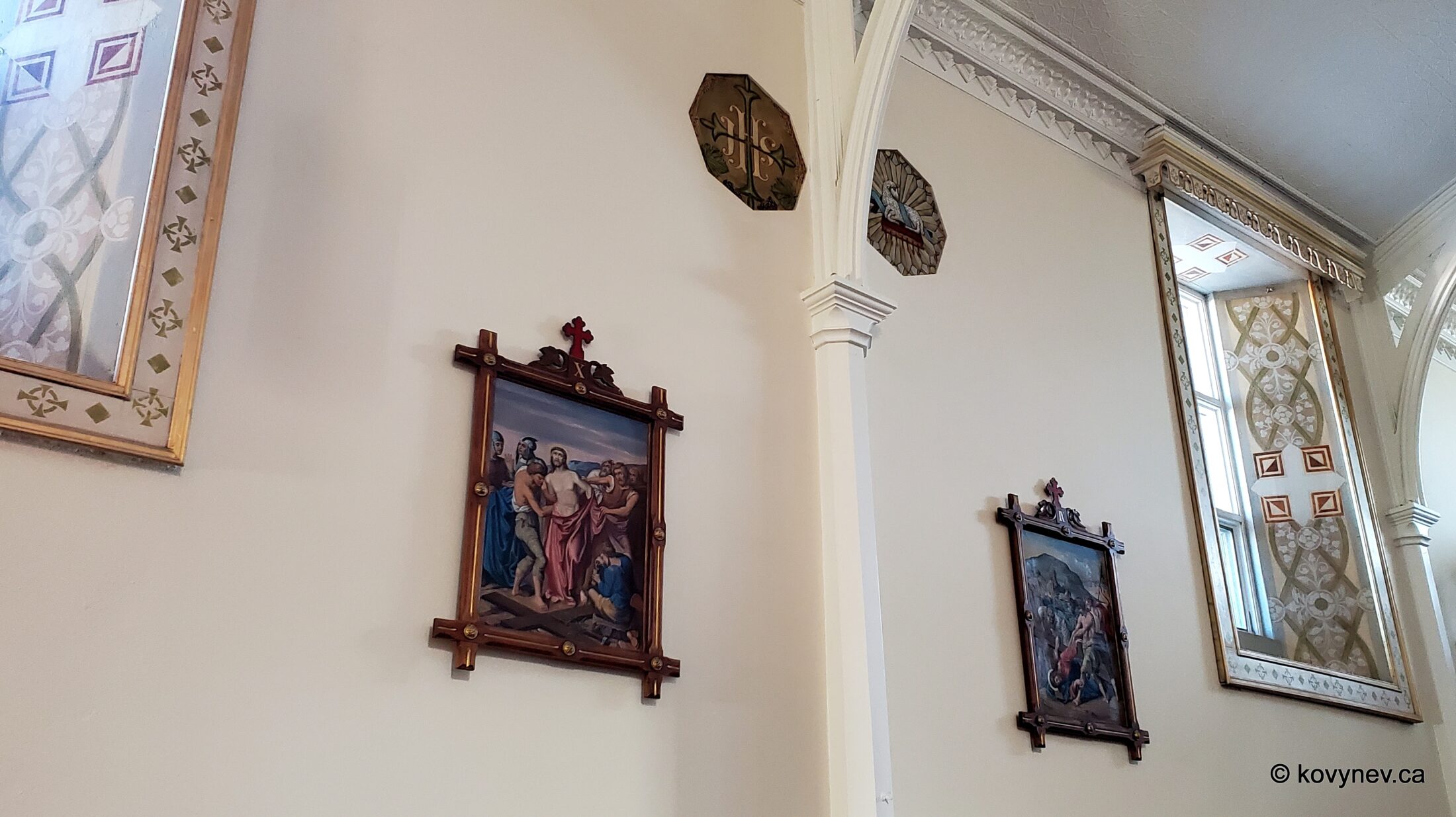
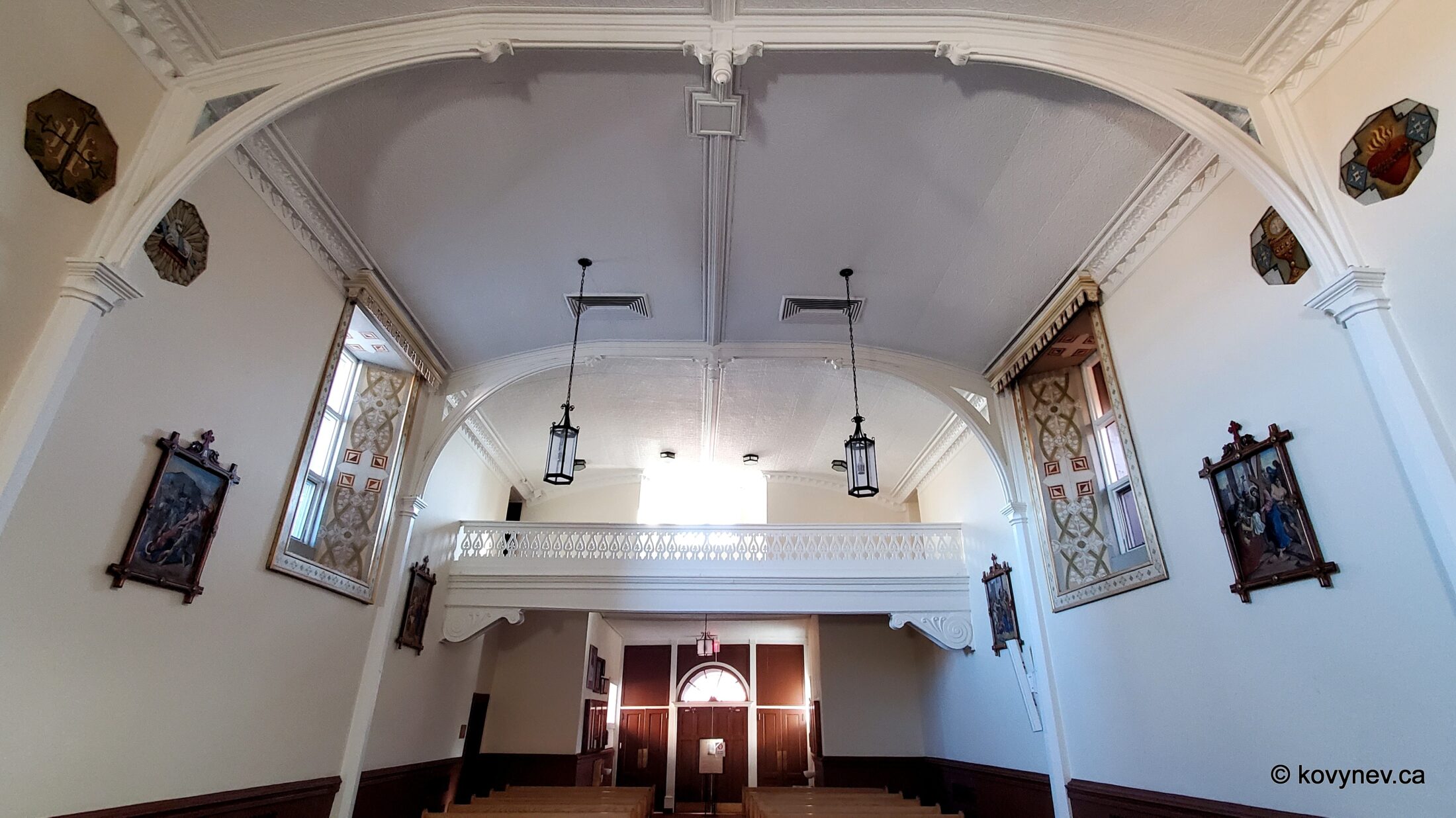
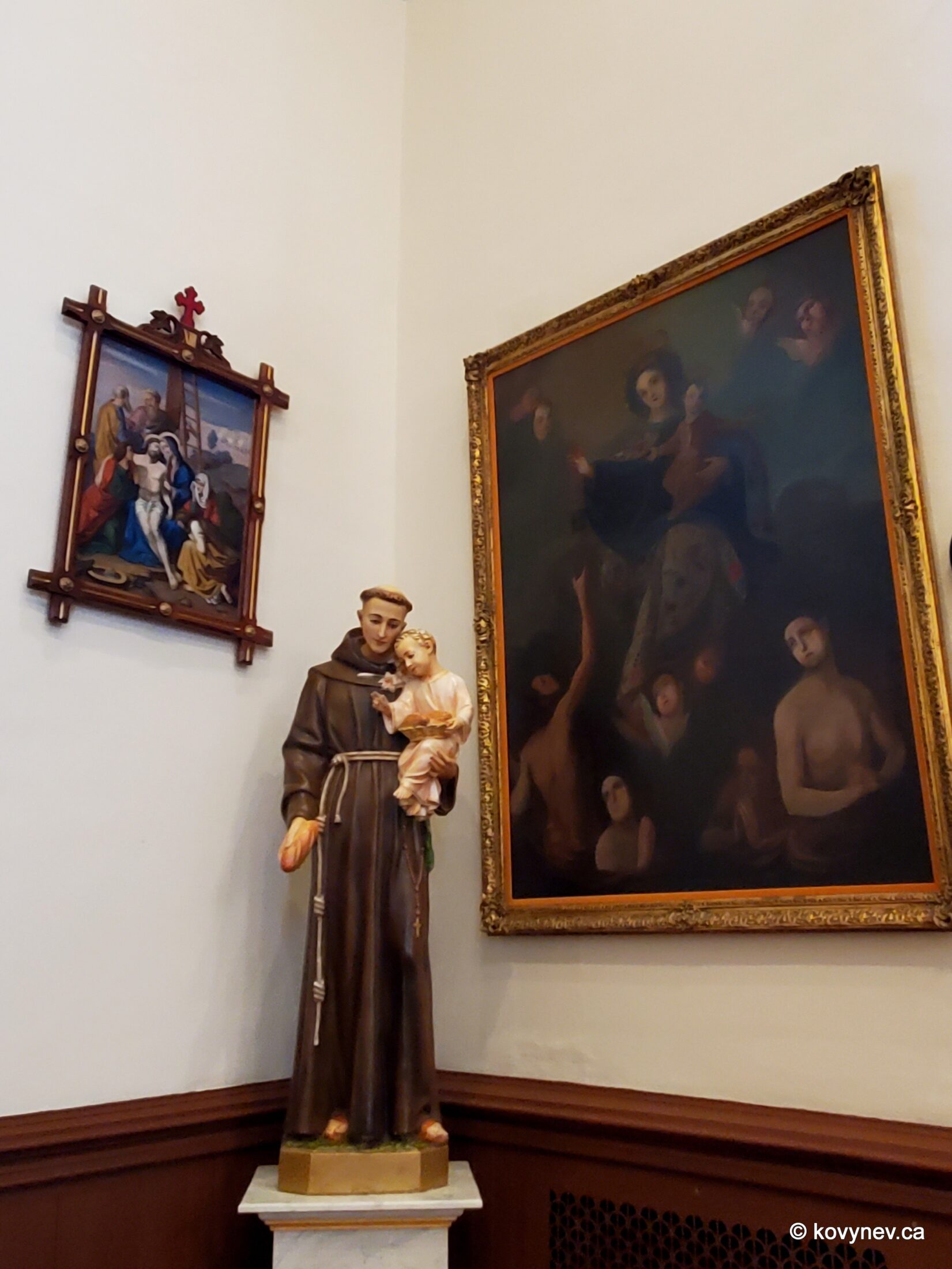
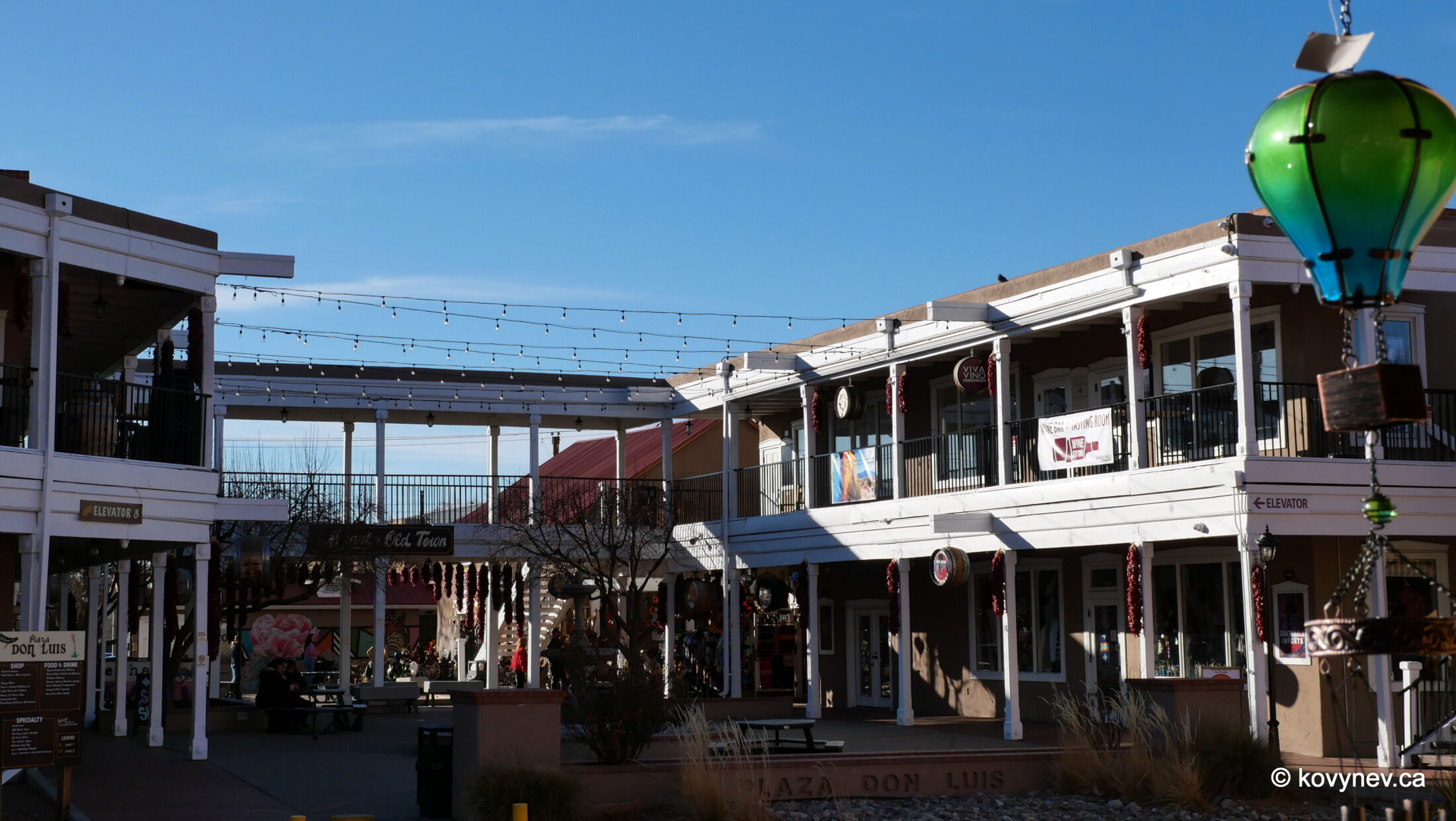
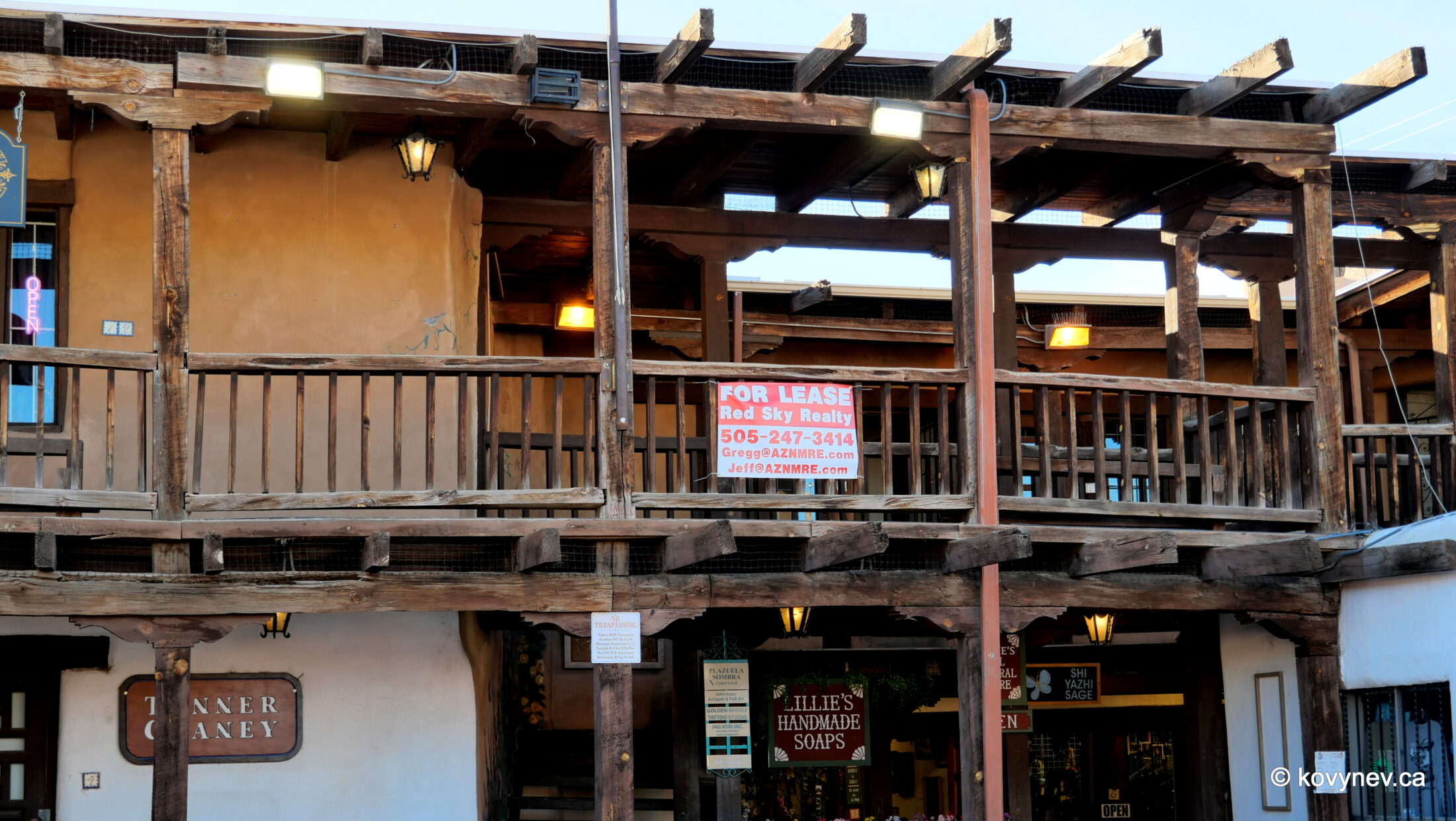
We will start with that Plaza Mayor I mentioned before, or, in case of Albuquerque, Old Town Plaza. It′s a big square square, with cute white benches all arounds it.And here′s the quiosco.Peeking through it, as it supposed to, is the main church of the town, San Felipe de Neri. The church is unique in the sense that it′s the only building in Old Town proven to be built during the Spanish colonial period. It was constructed in 1793, definitely before 1821, when Mexico won its independence from Spain. (This territory was part of Mexico before it became part of the US. But we won′t go there today).What we see here is not the original 1793 church. This is the product of a reconstruction in the 1800s, with the elements of the Gothic Revival style (a big hype in those times) added to the building. But still, the "adobe" appearance has been preserved.San Felipe de Neri (Saint Philip of Neri), to whom the church is dedicated, was a 16th-century Italian priest known as the "Apostle of Rome" and the "Patron Saint of Joy". His nickname was "Pippo Buono" (Good Little Phil), because he was alway happy.Originally, the church in Old Town was dedicated to San Francisco Javier (St. Francis Xavier), who was the patron saint of the town′s founder Francisco Cuervo y Valdés. But then the Duke of Albuquerque renamed it to his own patron saint (Felipe de Neri). Like, why wouldn′t you, if you′re the Duke, right? Also, the then King of Spain was called Felipe (Philip V), which didn′t hurt. Suckup. This is actually a convent, attached to the west side of the church. It′s called Sister Blandina Convent. See the name, nicely wrought in iron, peeking from under that hideous bingo poster? The Convent was the first two-storey adobe building in Albuquerque, so they had to bring builders from Santa Fe (the first city in New Mexico, and its capital now) to construct it. Multiple storeys in adobe require special expertise. Now we are inside the church, looking at the altar. The dude in the centre of the altarpiece would be San Felipe de Neri. The man to the left of him is San Francisco Javier, the first patron saint of the church. And the man to the right is San Ignacio de Loyola, the founder of the Jesuit Order.The official name of the Jesuit Order is the Society of Jesus, and this is their symbol on the top of the altarpiece. The letters IHS in the circle are the first three letters of the Greek spelling on the name "Jesus" (ΙΗΣΟΥΣ). Looks like, it′s a Jesuit church, no?Jesus standing on the side, while Loyola is in the altarpiece itself, kinda proves it 😊.I kinda like these aesthetics of plain white walls, with just sporadic decorations, you see in Catholic churches in the Southwest. Clean and uncluttered, so much unlike the European Catholic cathedrals, where there is not 1 inch of unembellished space.The opposite side of the nave from the altar, with the choir loft.The pulpit.The artsy pulpit.This is, most probably, Loyola again, who is very often depicted with the baby Jesus.Authorized personnel only in the Heart of Jesus! No exceptions.Ok, we are outside again. Just a few more pics of the church and its grounds, and we will be moving on. I promise!Now, let′s walk around the Old Town, and enjoy its adobe-infused charm. Given the location of this building to the left of the church (when facing the Plaza), and the appearance of the building as a long one-storey with a colonnade along the whole length, I′d venture to suggest, this is the original "government" building. That would be the usual layout for Spanish colonial towns.Now, it′s a shopping mall, called Portal Market, and a bunch of restaurants. But back in the Spanish times, the space under this colonnade would be filled with visitors to the government offices, waiting for their turn. And beggars, of course.Another shopping mall. There is nothing anymore in the Old Town but stores and restaurants. This is an interesting phenomenon in the Southwest, when dried leaves don′t fall and stay on the branches all winter. The leaves wither under the harsh southern sun, but the stem stays alive and attached to the branch, since it never gets really cold. The phenomenon is called marcescence, and the trees with dried-up leaves (mostly, oaks) are everywhere in February.This is as "adobe", as it gets.Another common thing in old towns of the Southwest is ristras - bunches of dried chili peppers, hung outside. The original reason was practical (to dry the pepper out in the sun, while protecting it from dirt and animals), but with time it came to symbolize hospitality and good luck. Traditionally, when you see these peppers, it means, guests are welcome in this house. Now, every single store and restaurant has them.This long adobe wall concludes our short walk in Old Town Albuquerque. I hope, you enjoyed it.Press ESC to exit