In the previous gallery, we were about to enter Crown Square, the focal point of the castle at the very top of it. It’s formed by 4 buildings (one on each side), sitting like a crown on the crown of the castle’s head. (I worked hard on that sentence, and the second “crown” is not a tautology). So, let’s enter the square now.
NIKONCOOLPIX S9300 22mm
/ 5.7
/ 10/1000s
/ ISO 125
Created: 125
Uploaded: 125
Likes: 125
Views: 125
Comments: 125
-1
-1
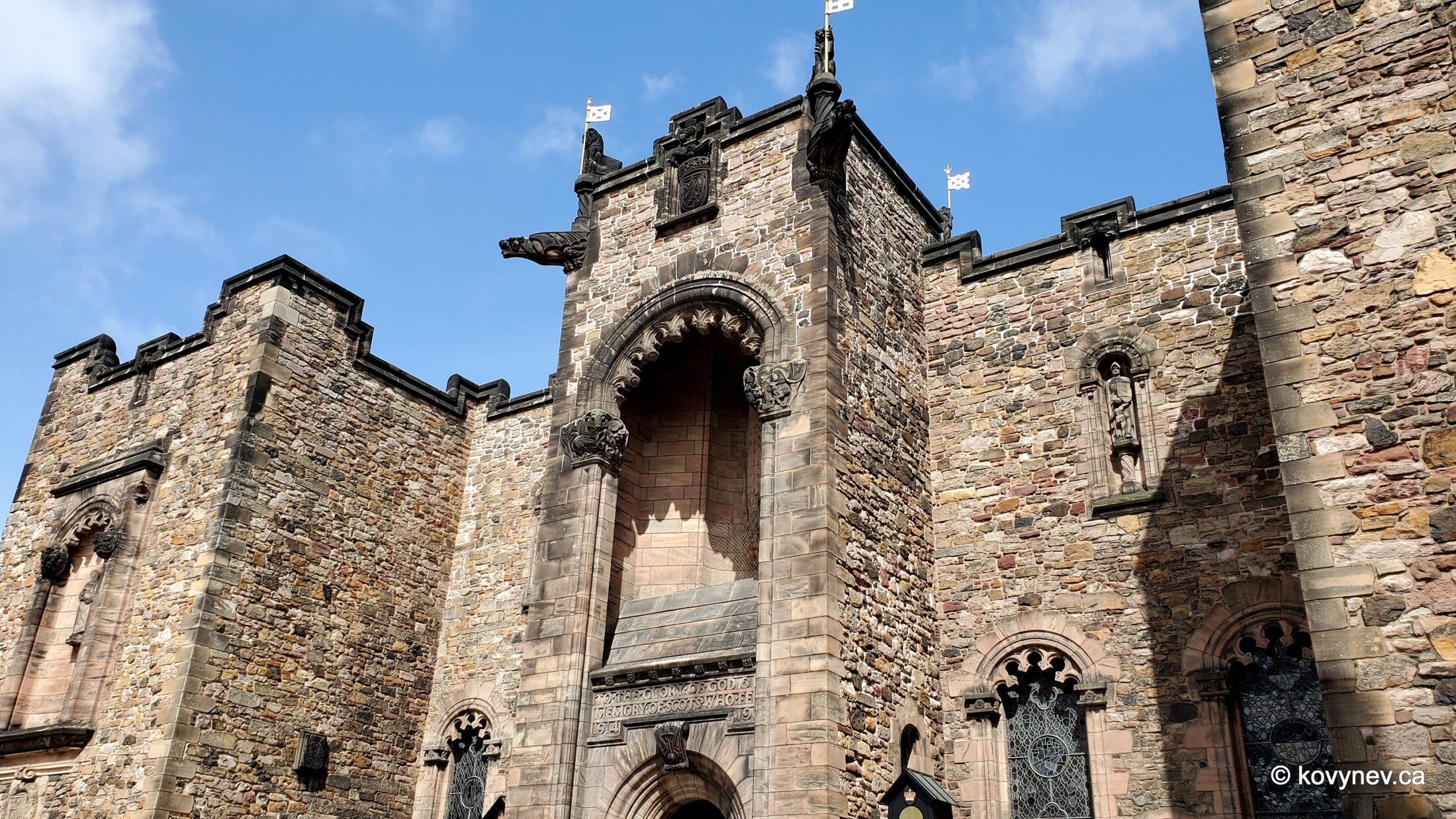
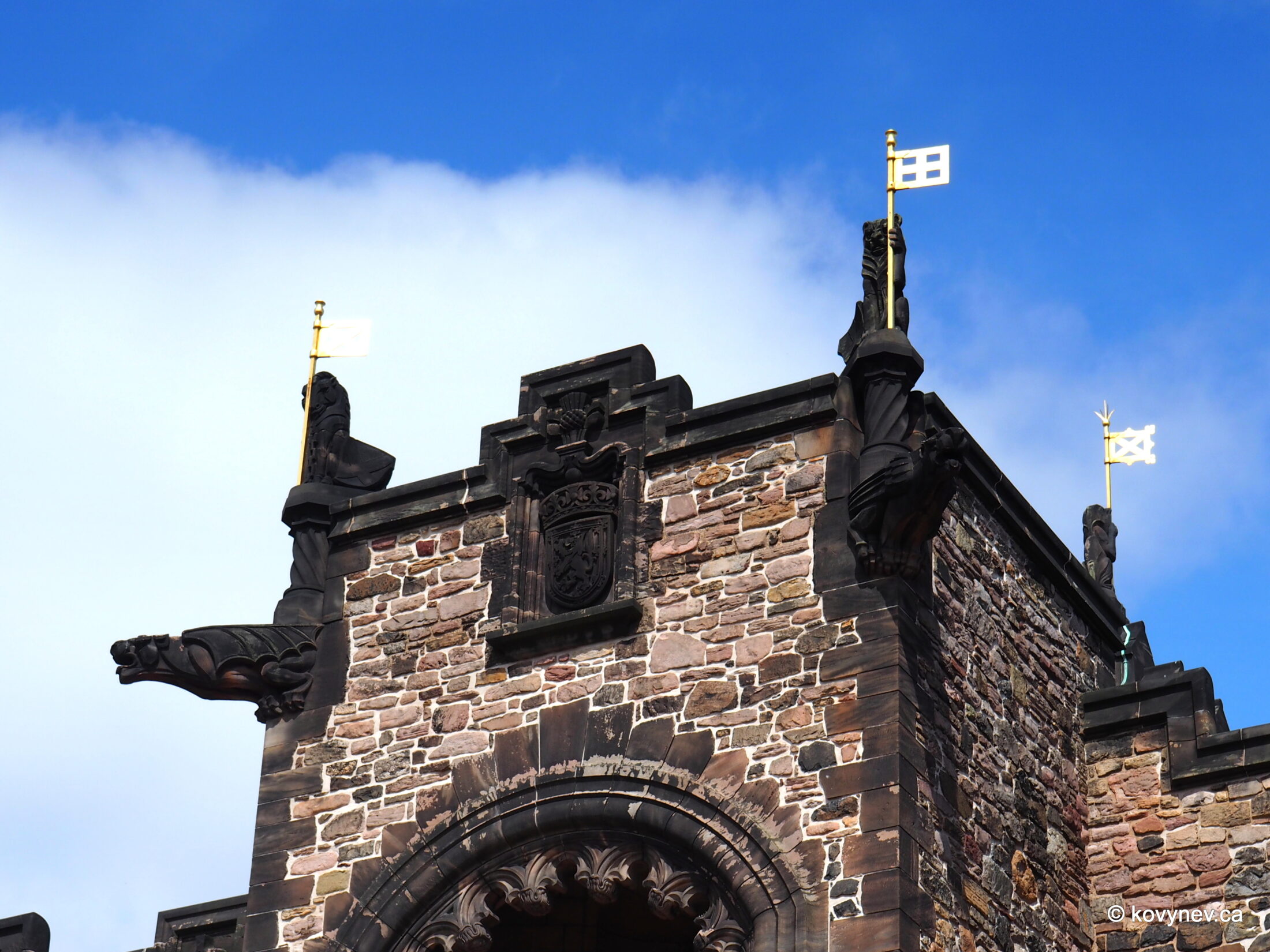
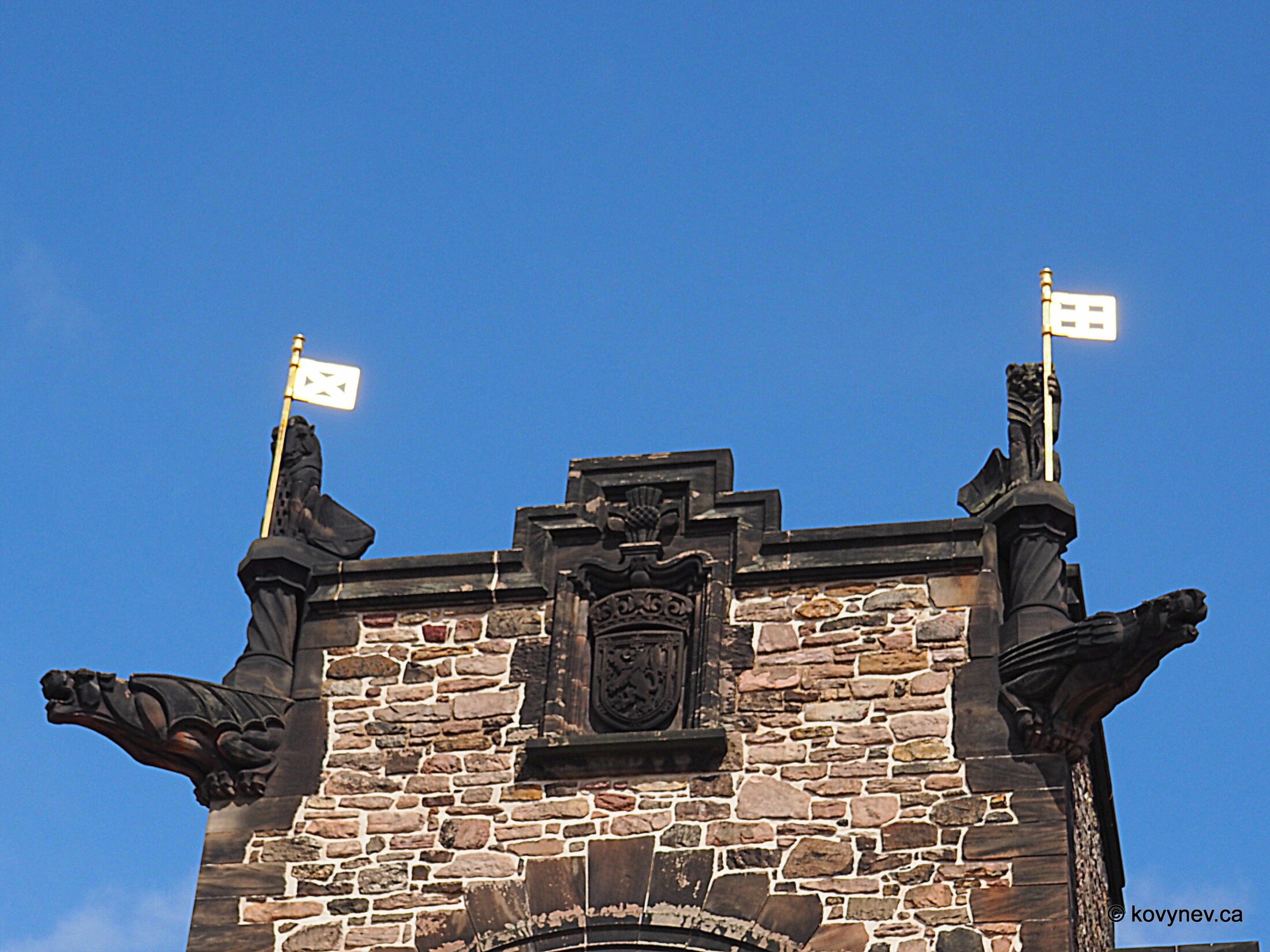
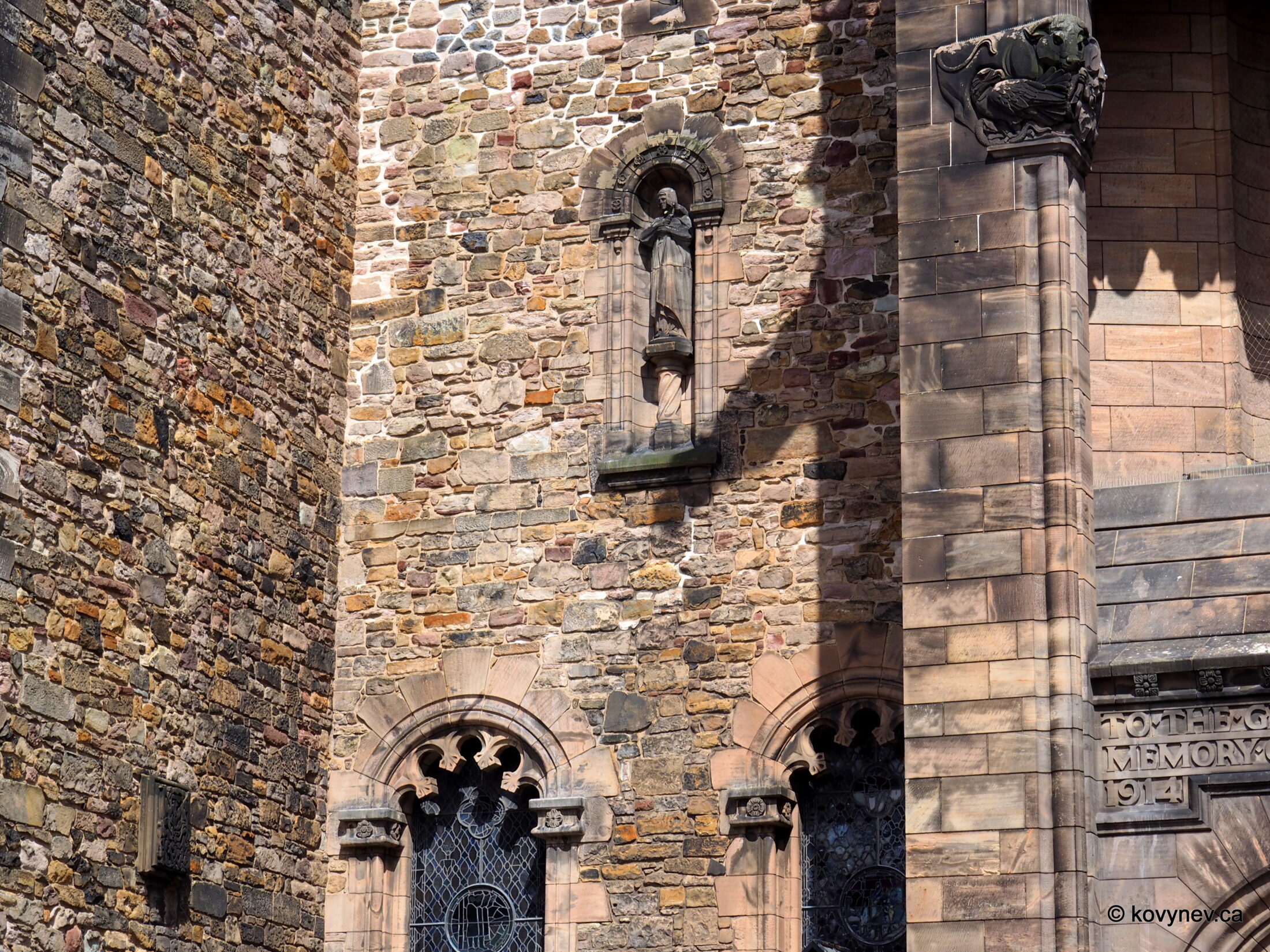
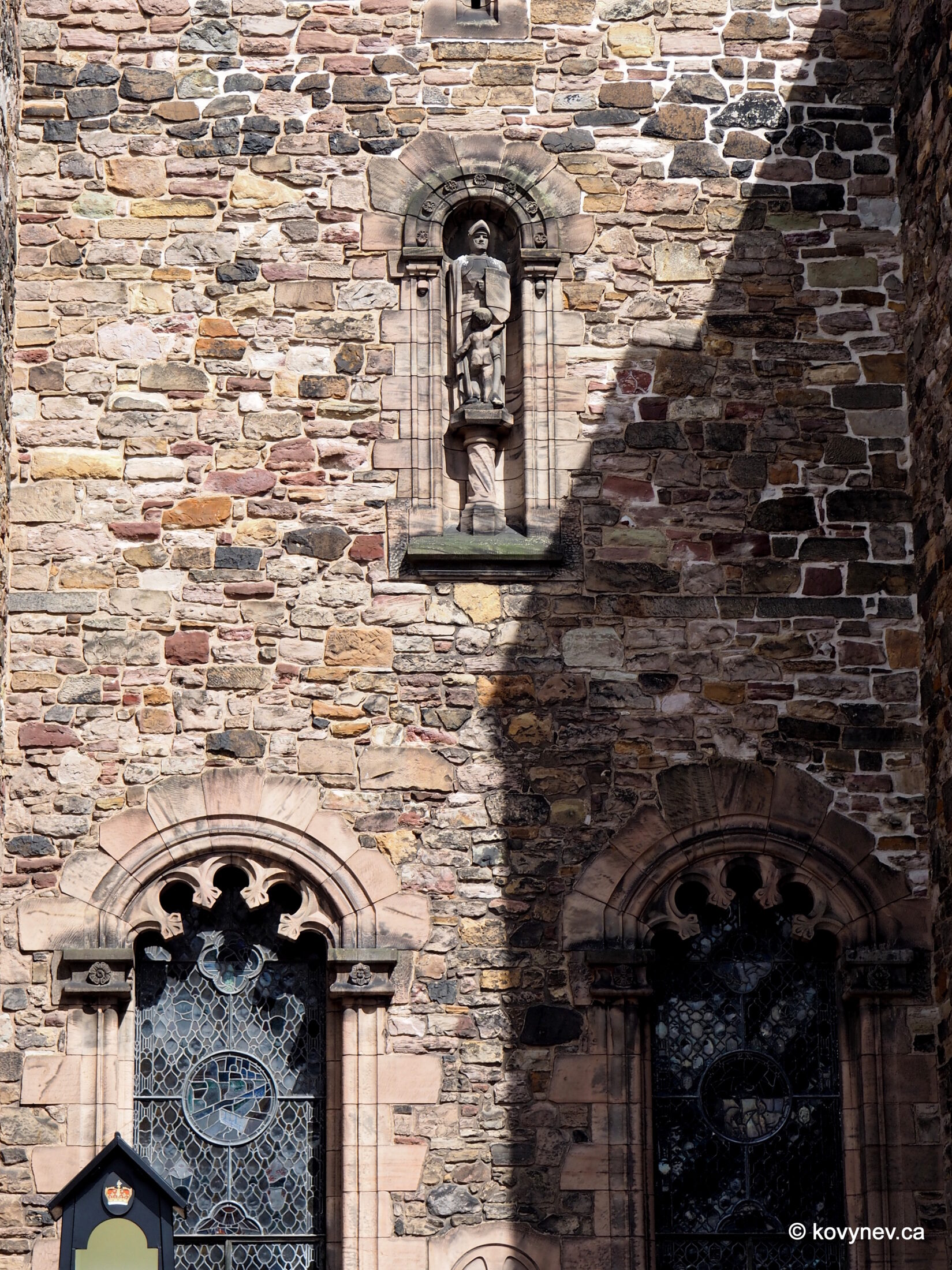
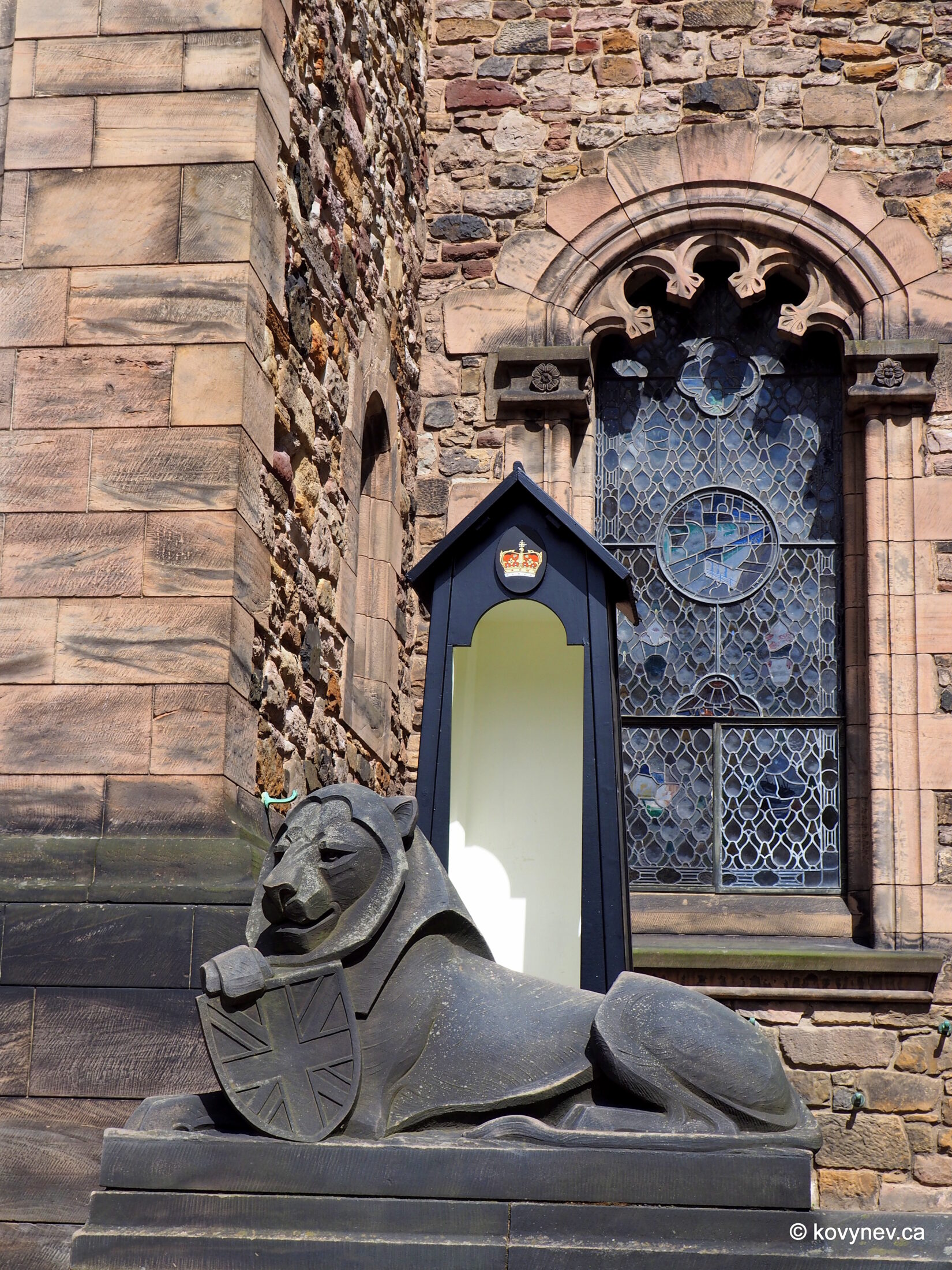
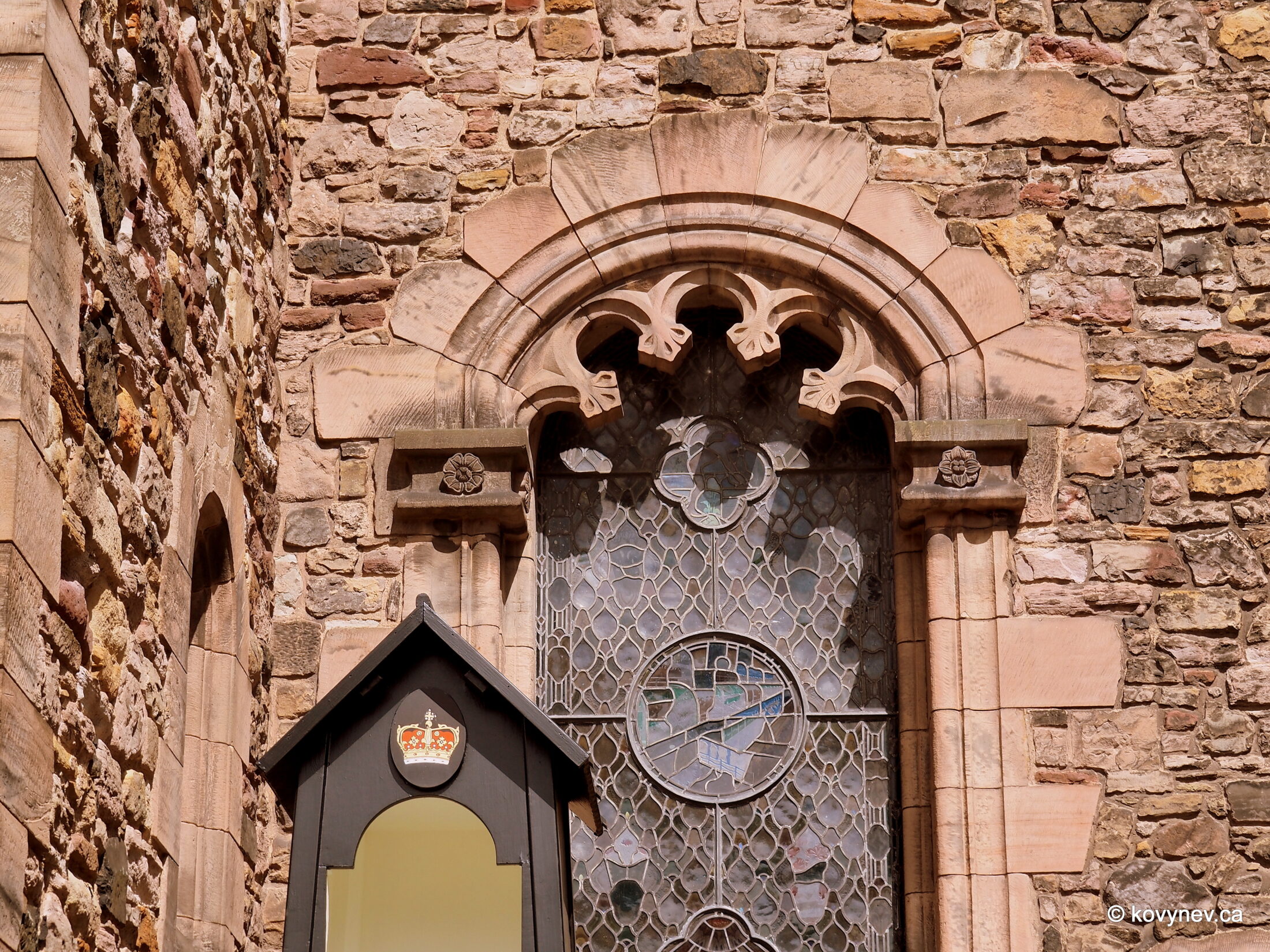
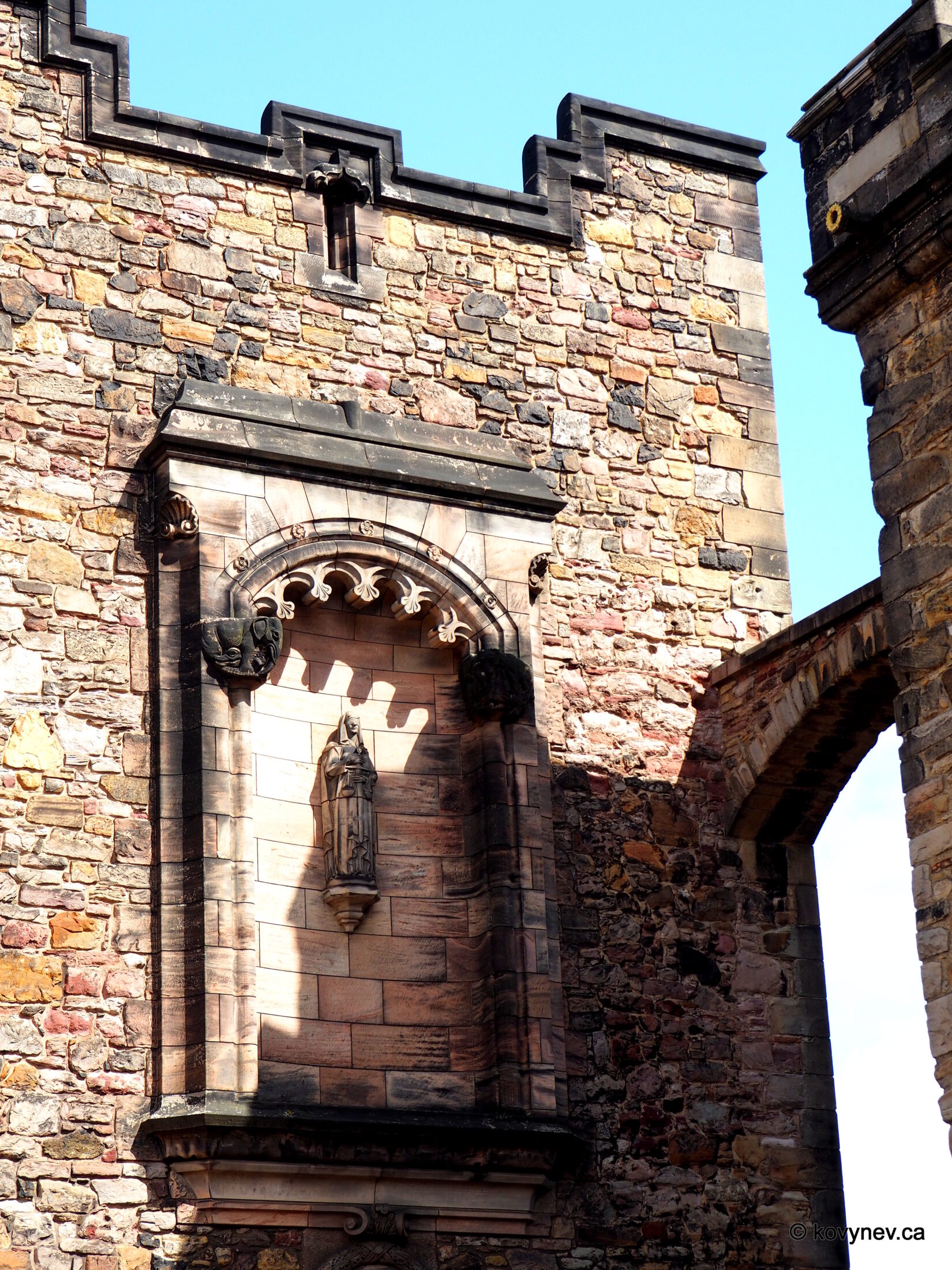
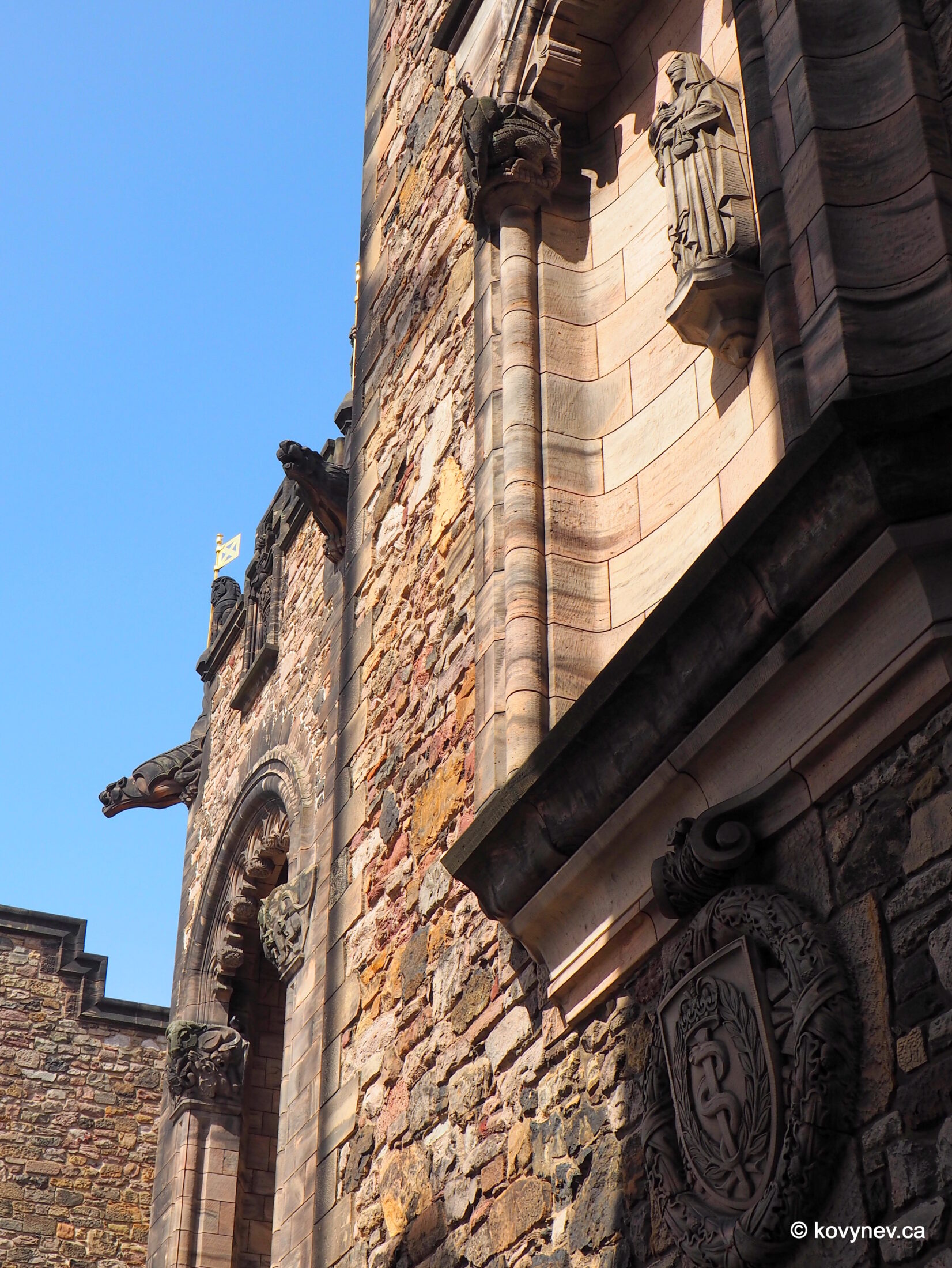
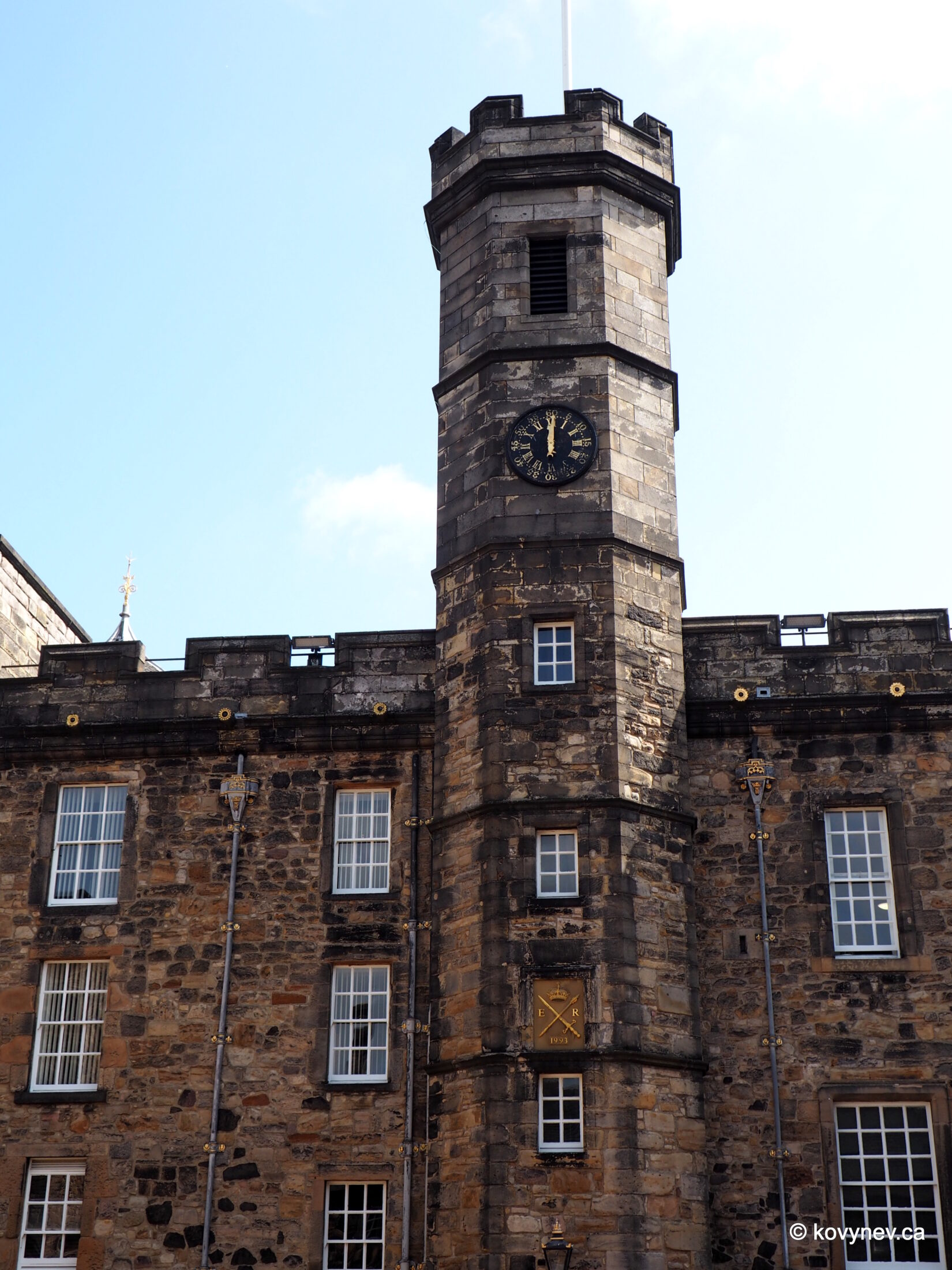
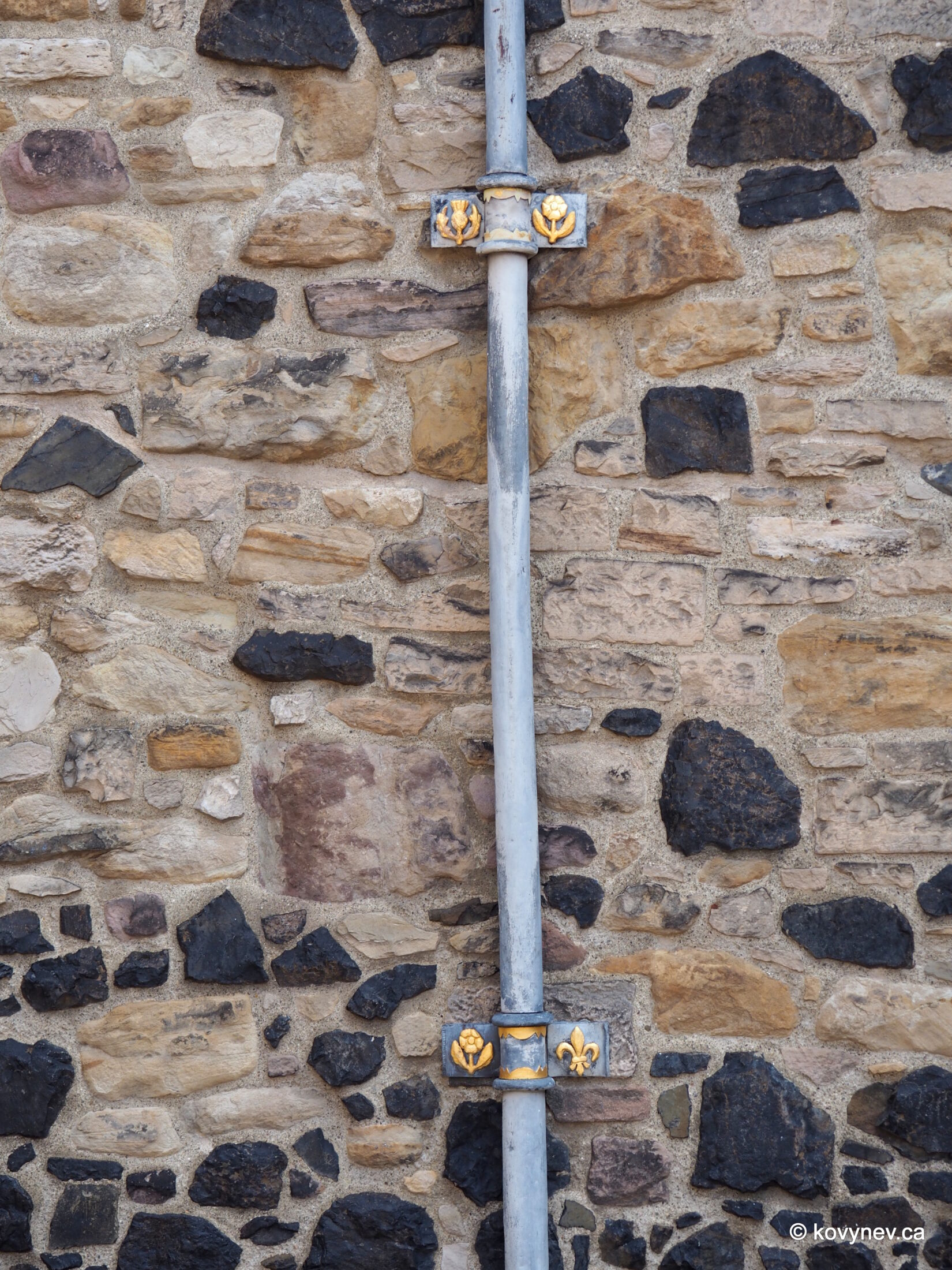
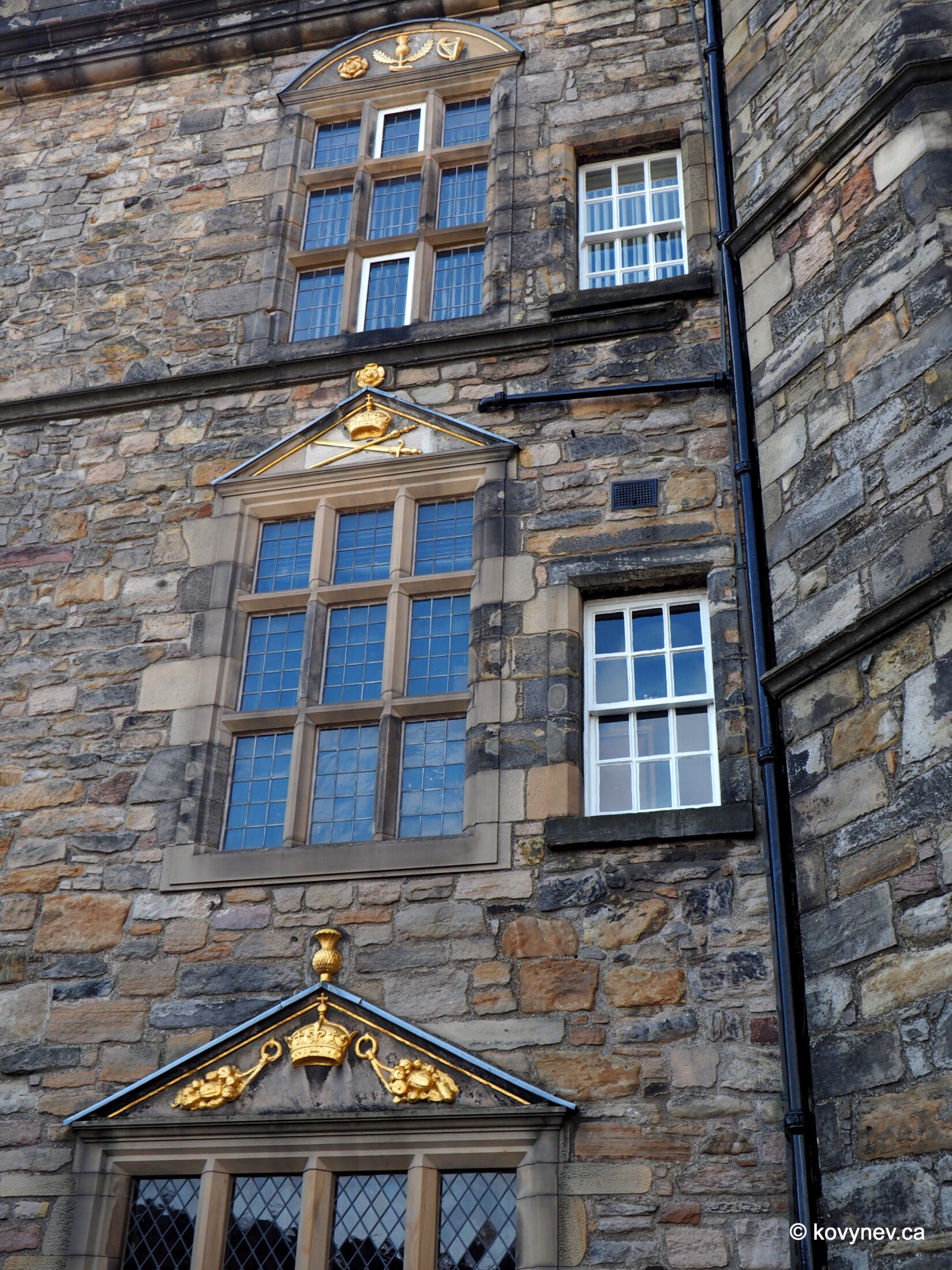
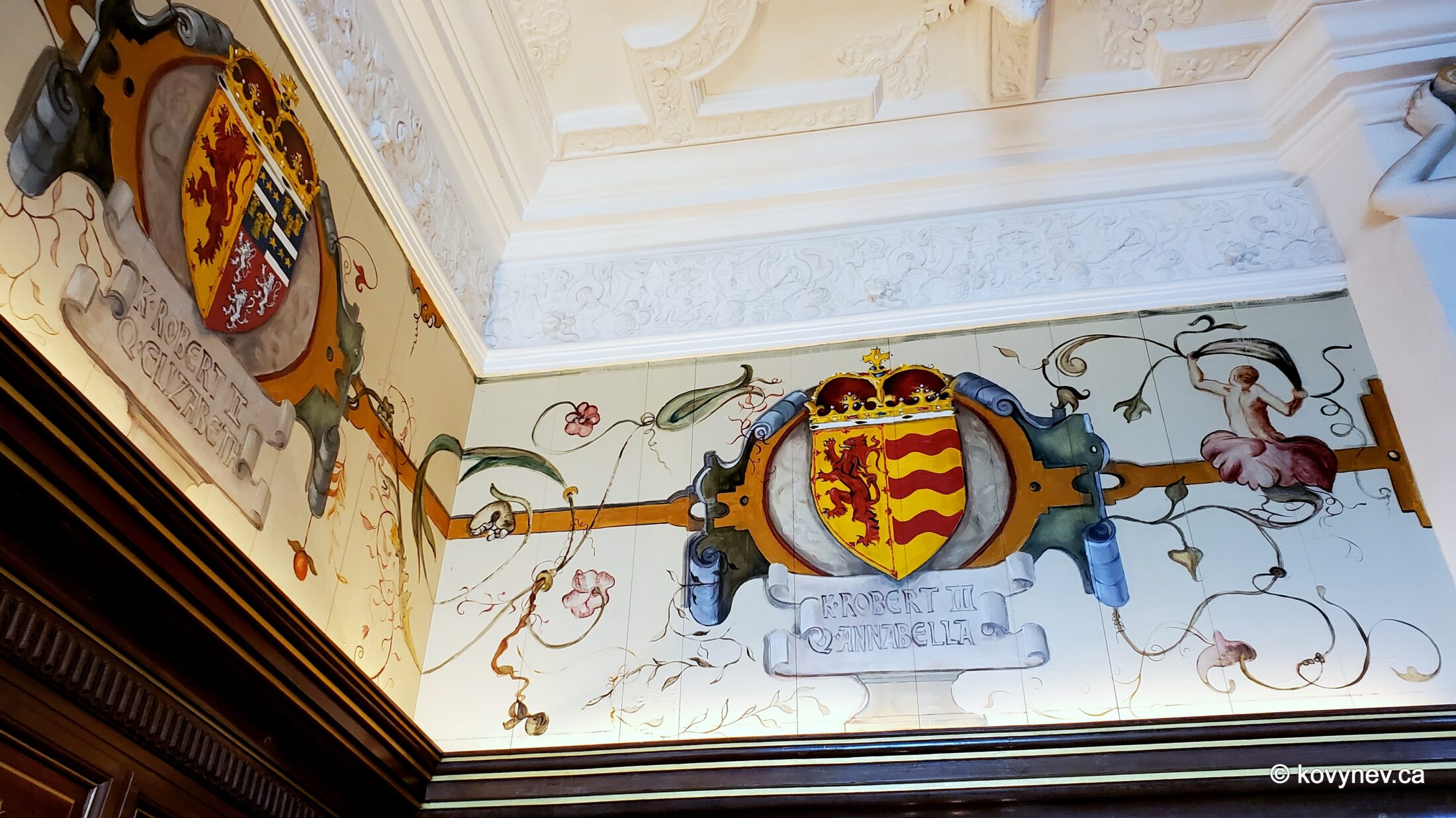
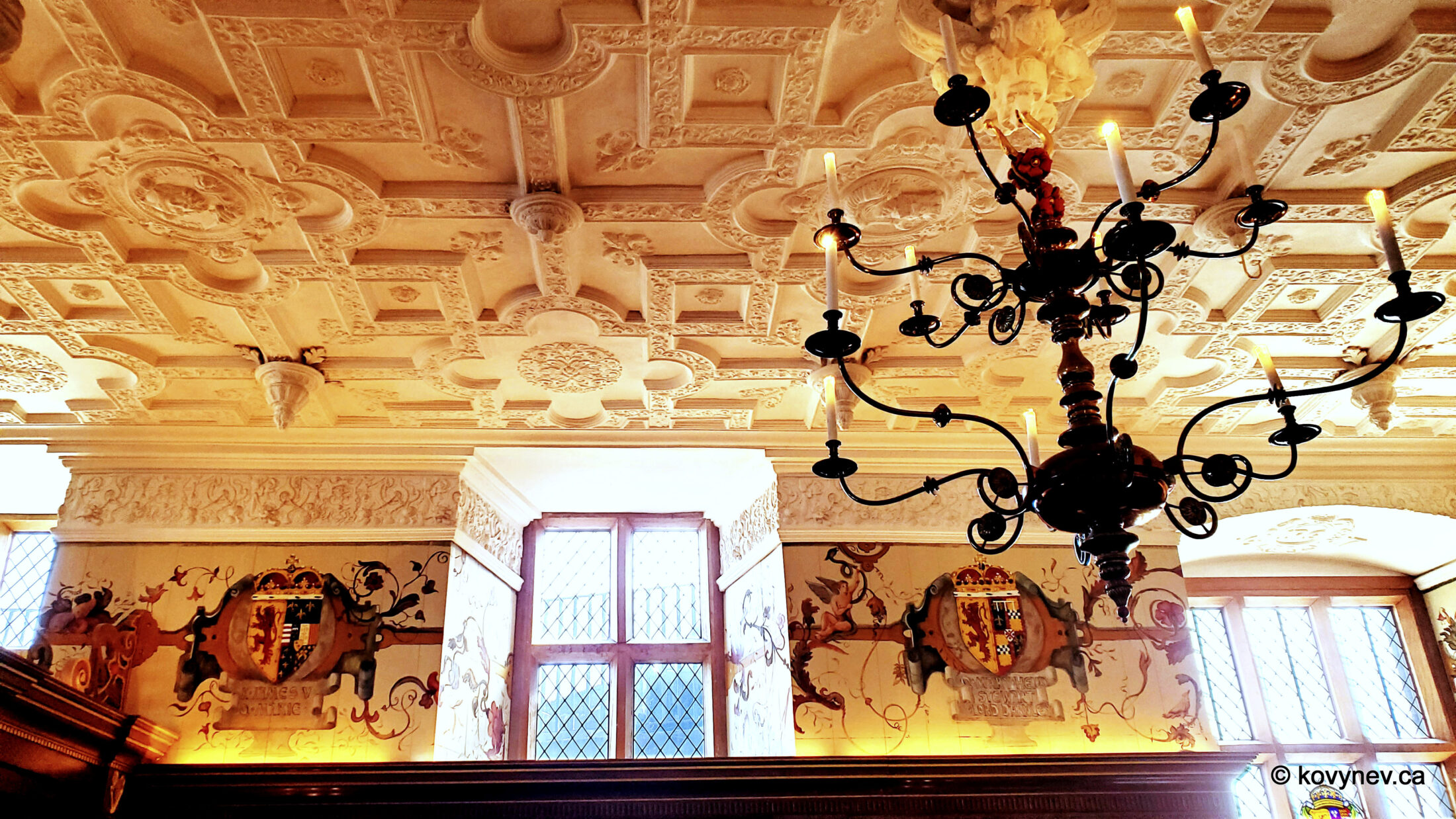
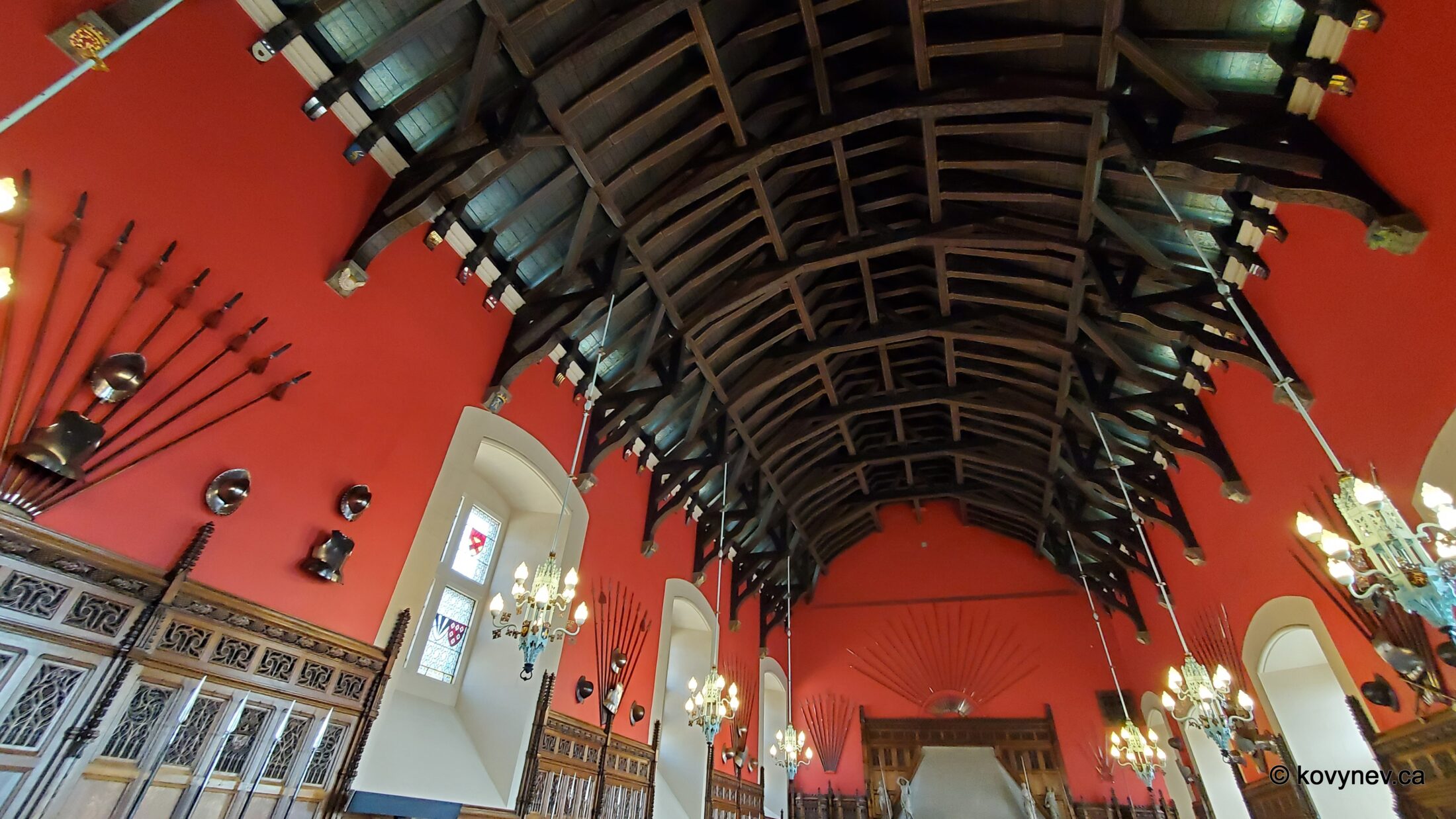
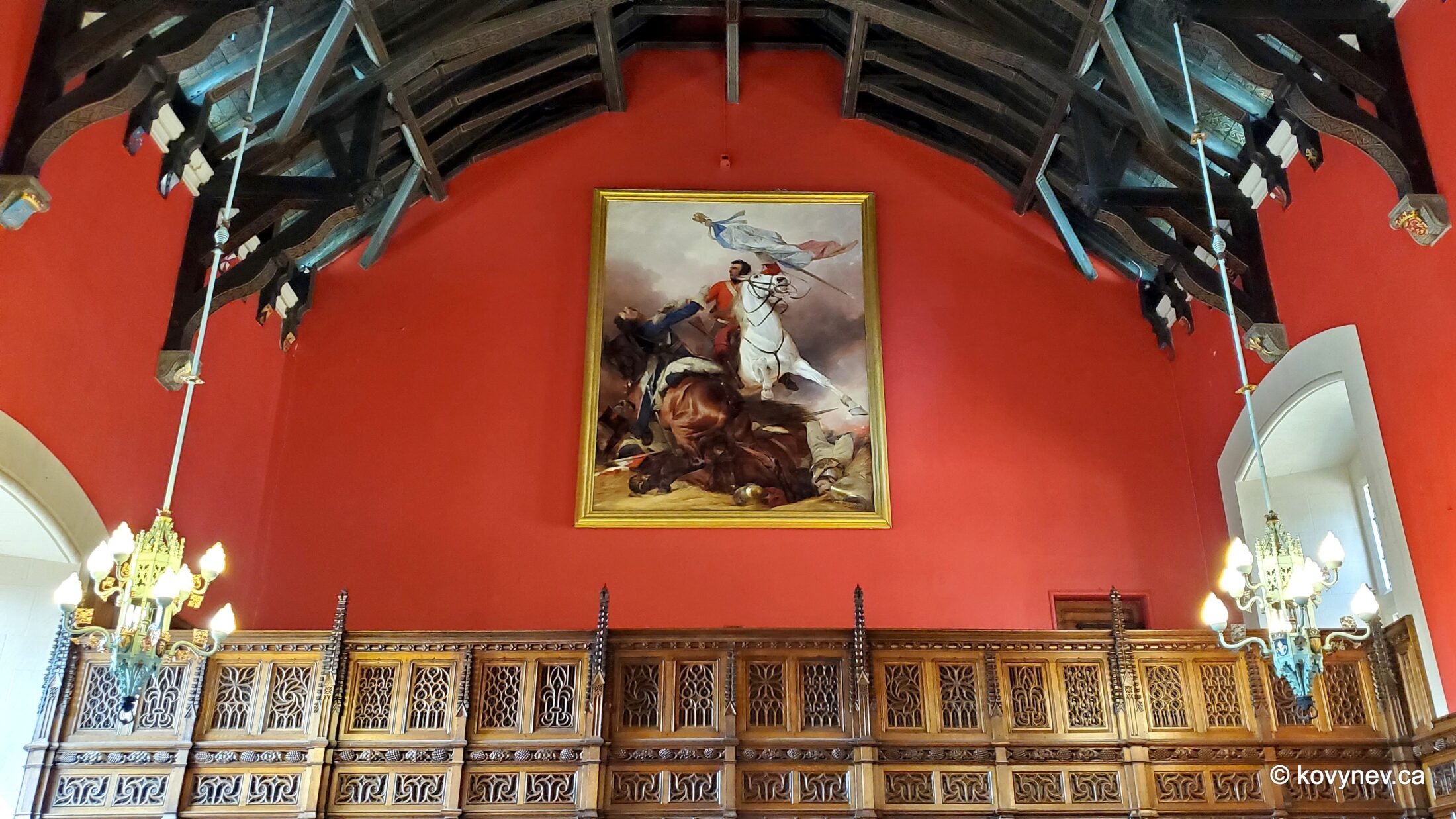
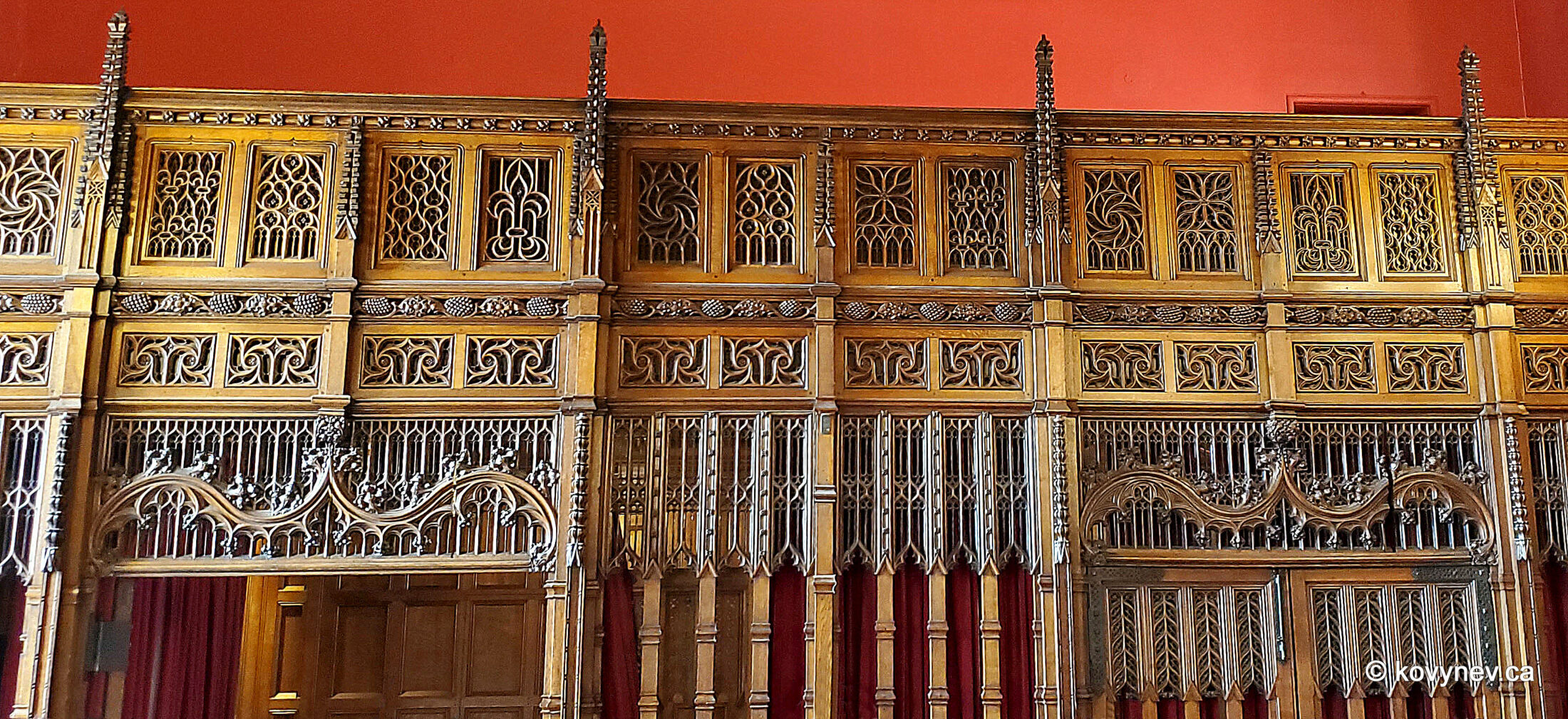
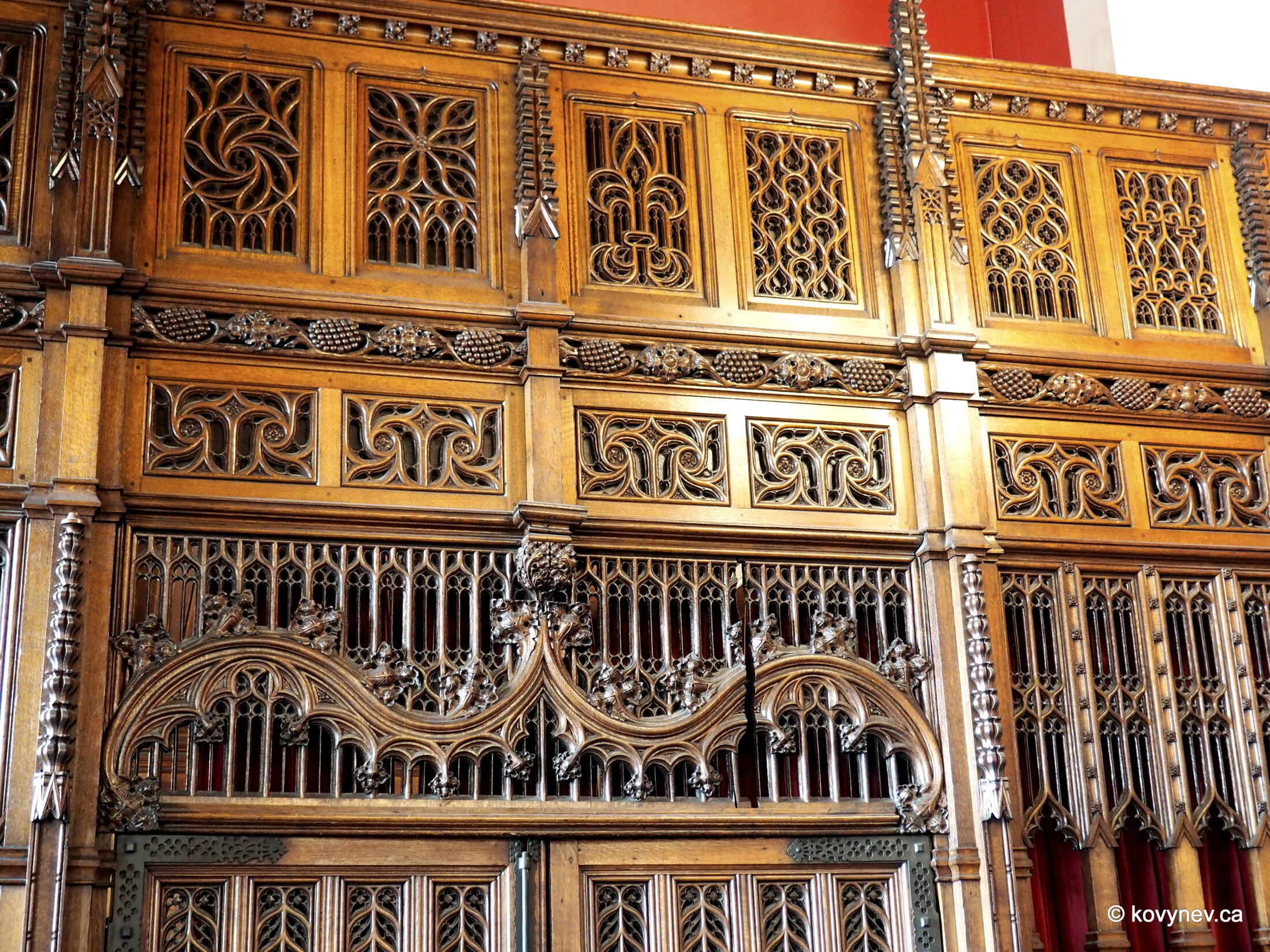
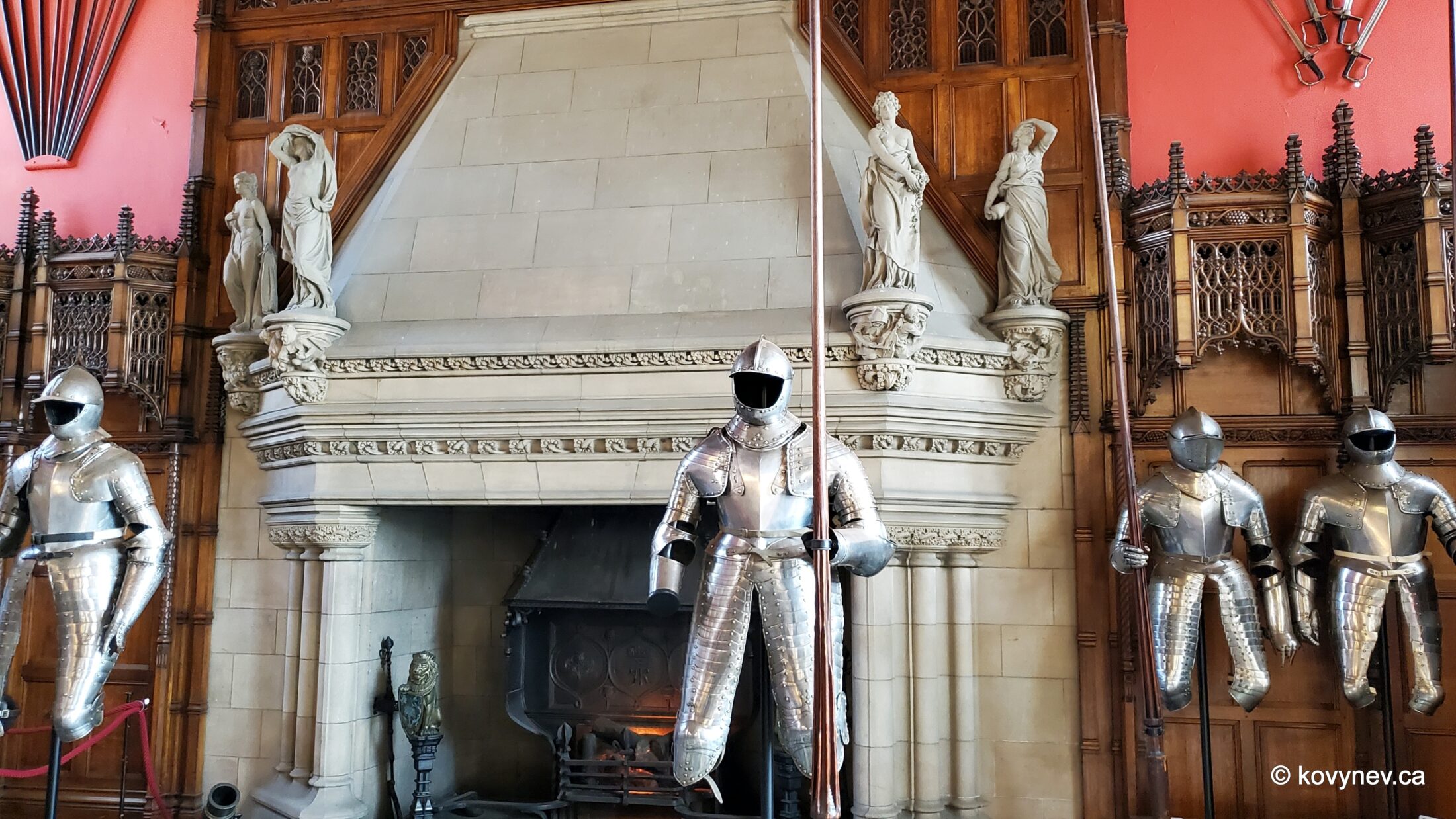
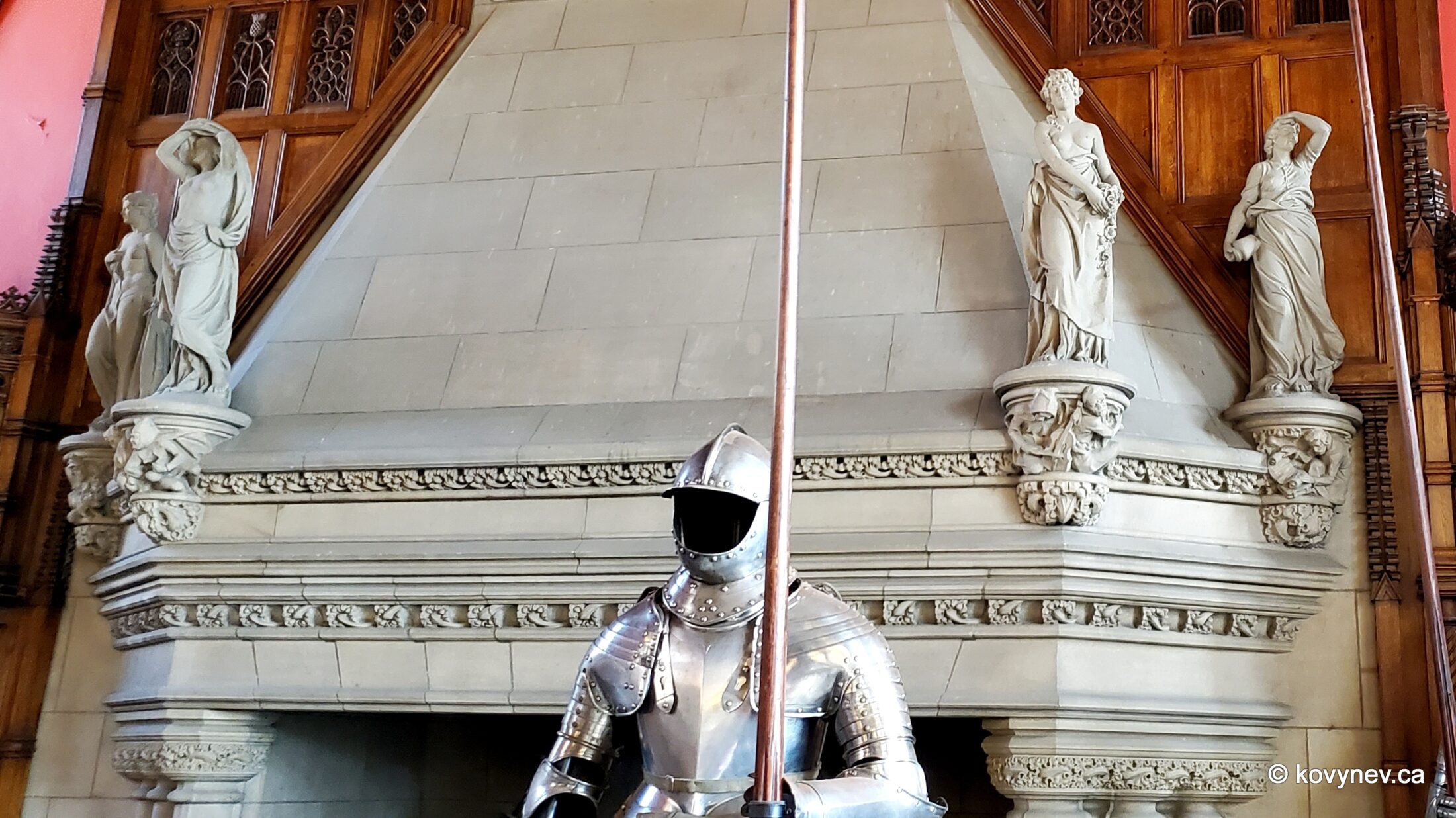
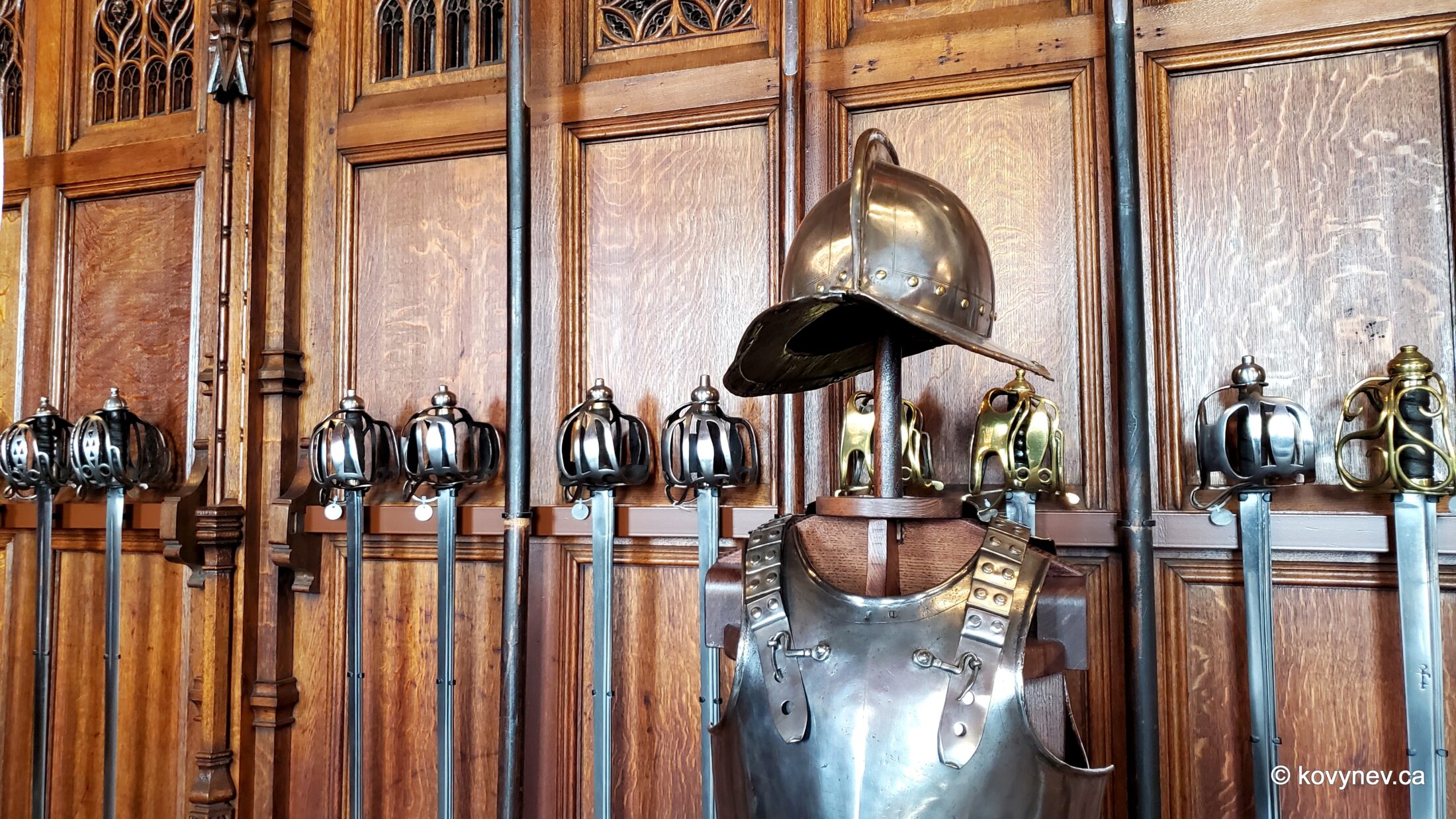
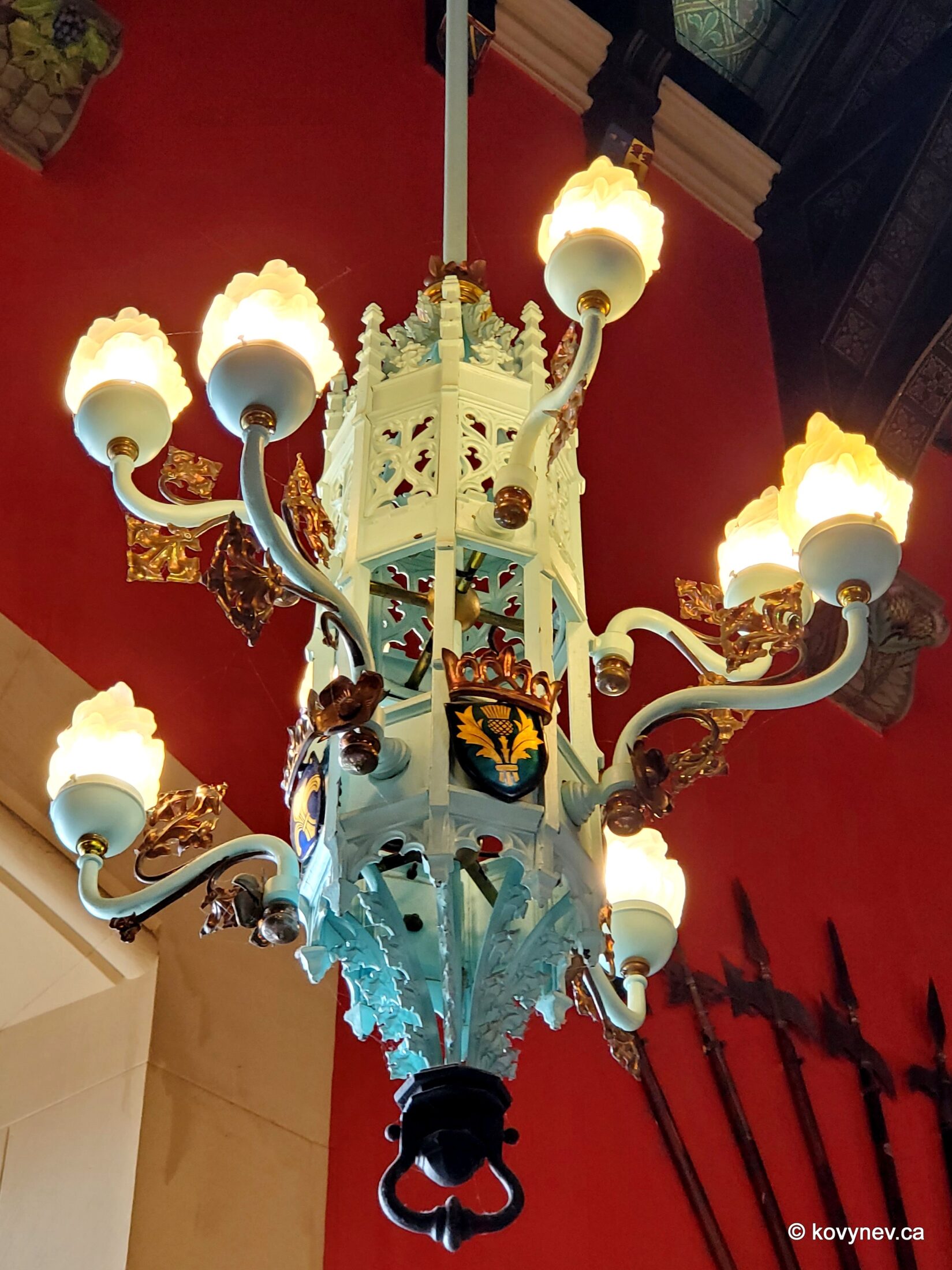
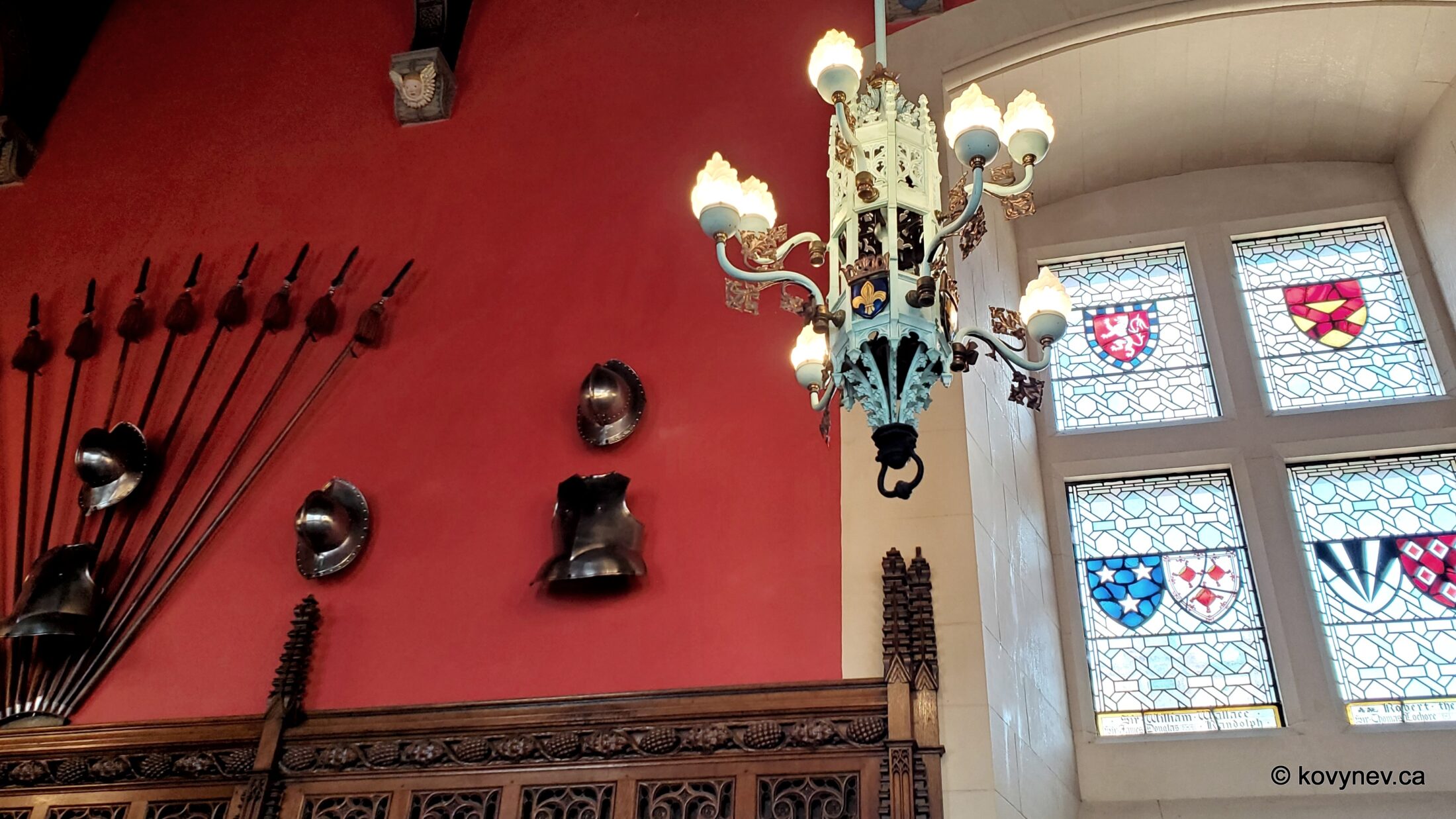
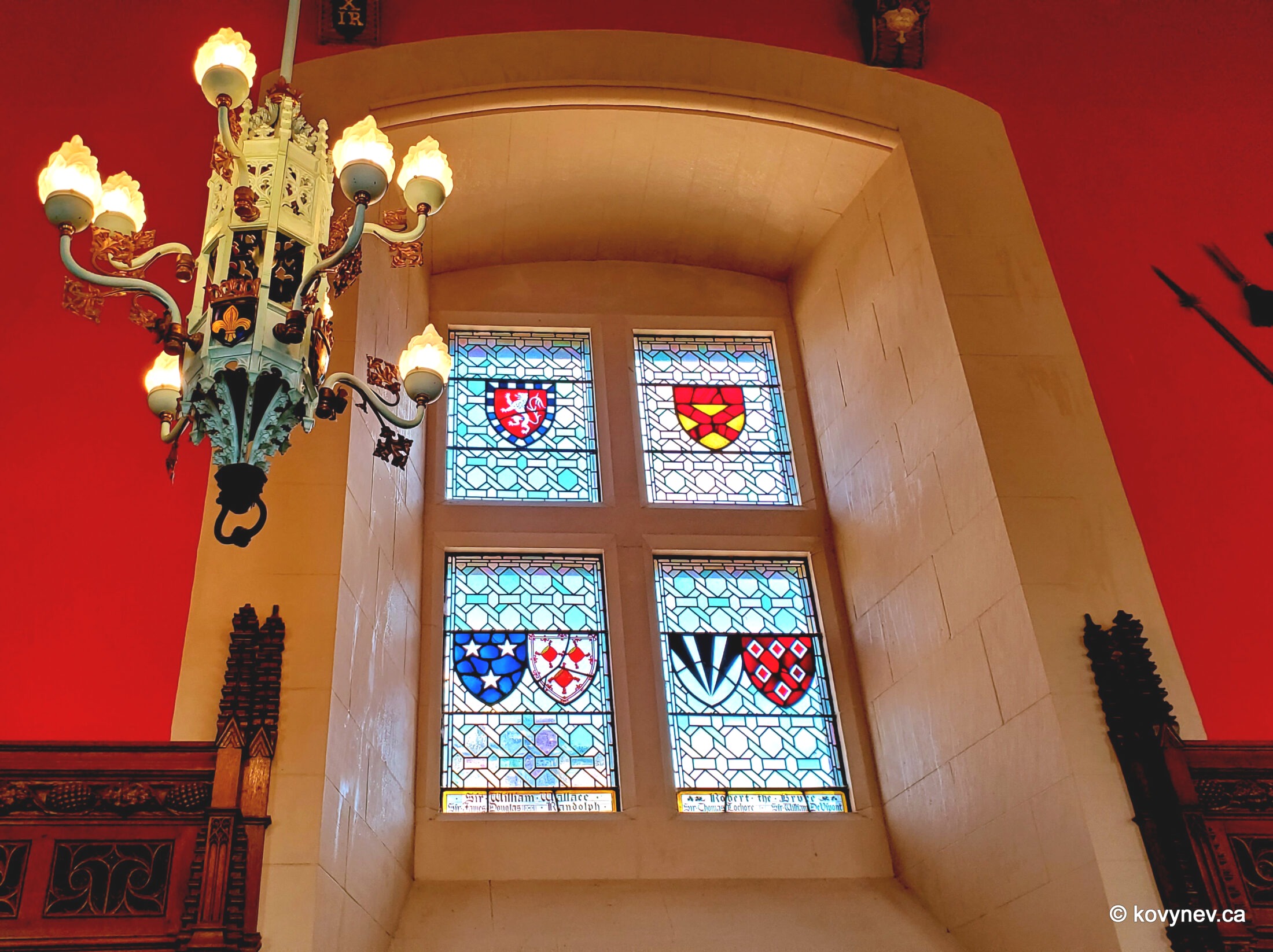
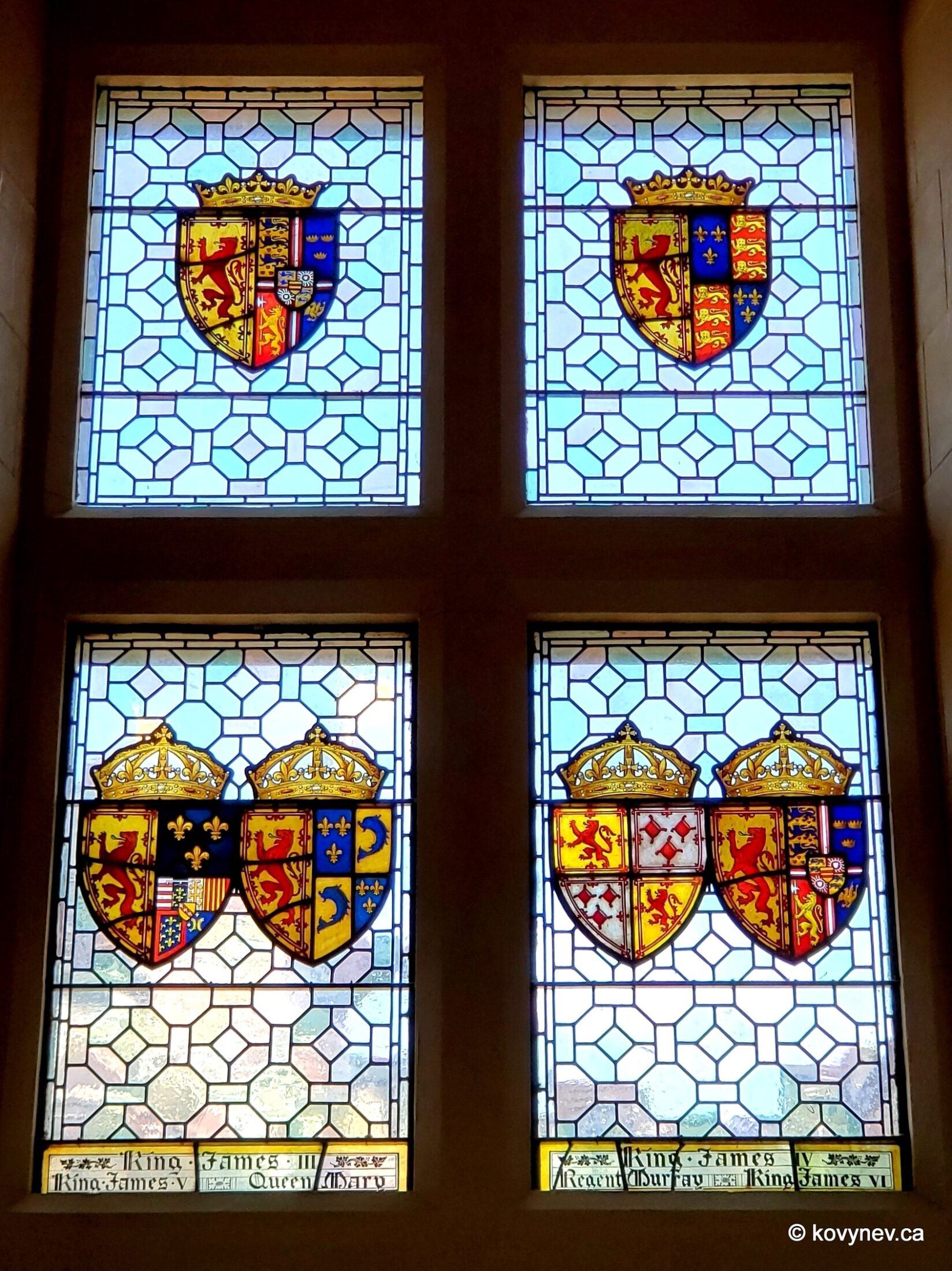
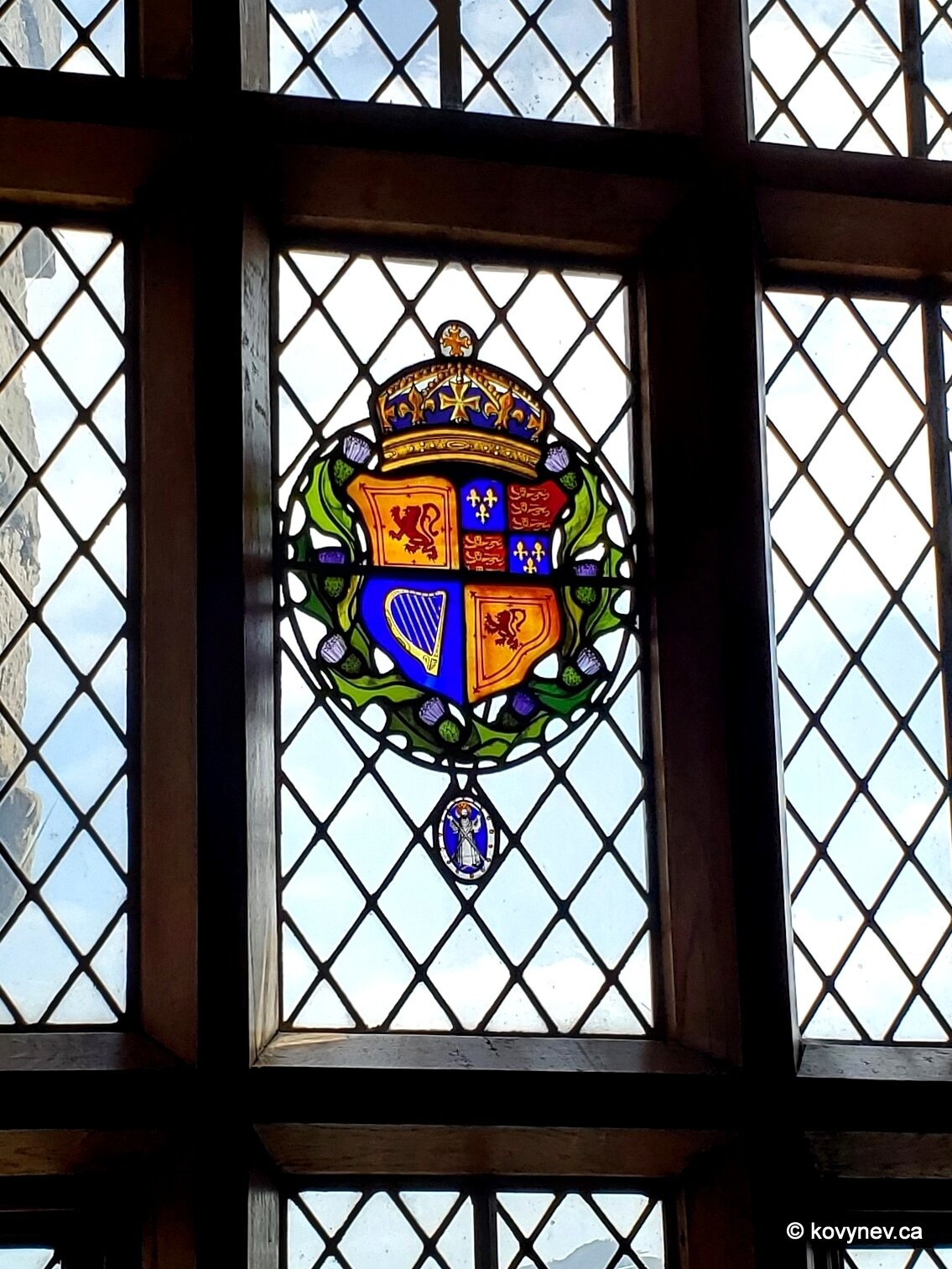
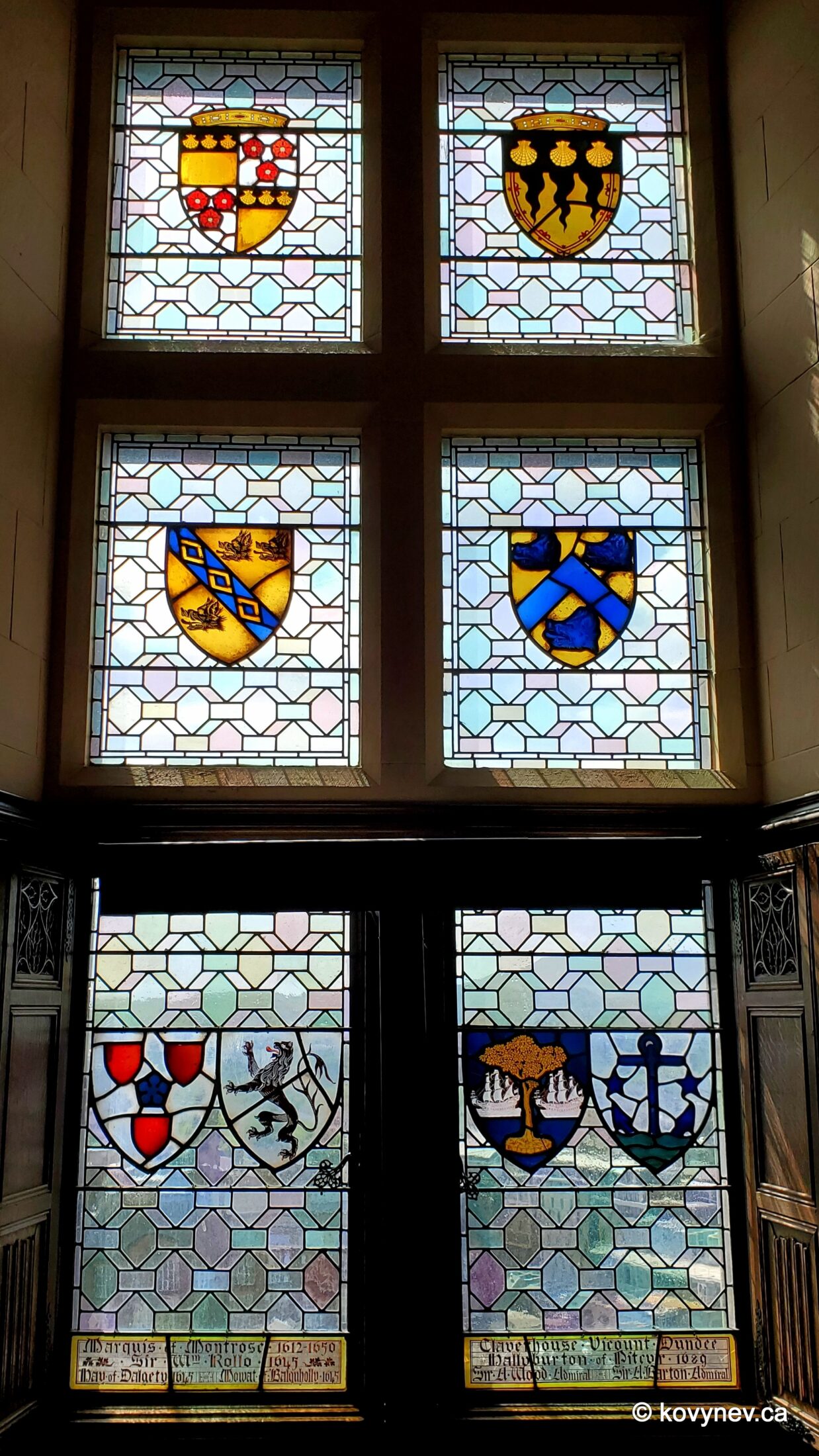
At the entrance into the square you are greeted by the Royal Palace. Although, "greeted" is a wrong word. The palace is showing you its side here, not the face. The building is facing the square, obviously, and we are still outside of it. Note the date above a window - 1615. It′s not the date when the Palace was built. It′s the date it was rebuilt after the Long Siege of 1573. And this is how the palace and the Scottish National War Memorial look from inside the square. I am saying "inside"/"outside" because this square, formed by 4 buildings practically touching each other, really feels like you′re inside a box. This is the facade of the Scottish National War Memorial, no less fascinating than its rear, so you will have to endure a few (ahem...) more pictures of the building. While you′re enjoying them, I will tell you a little bit about the place we are at right now.Before it was the square, this spot was a barren rock, rising above the structures in the lower wards. Extensive vaults were cut out in solid basalt for the purposes of storing provisions, ammunitions, and for keeping prisoners. They used those vaults as a prison until the 1800s. You can visit the vaults now, if you are into that sort of thing. As far as we are aware, the first king to build something on this prime real estate spot was King James III, sometime in the 15th century. We don′t know what exactly he built, because the first building we do know about was constructed under his son, James IV. He built a royal palace as his personal lodgings, somewhere around 1500. Then his son, James V (they were not very creative with the names of their kings back then, were they?) expanded the palace, giving it the Renaissance look we saw just now and will see again later. So, that′s one of the 4 buildings forming the square.The next one, to the right from the palace and right behind us as we admire the portico of the War Memorial, is the Great Hal, built by James IV in 1511. Presumably. Historians are still arguing about that. In any case - the building that stands today is the original, and it′s old. The next building forming the square is Queen Anne Building, constructed in 1701–1708, during the reign of... Queen Anne! What′d ya know...
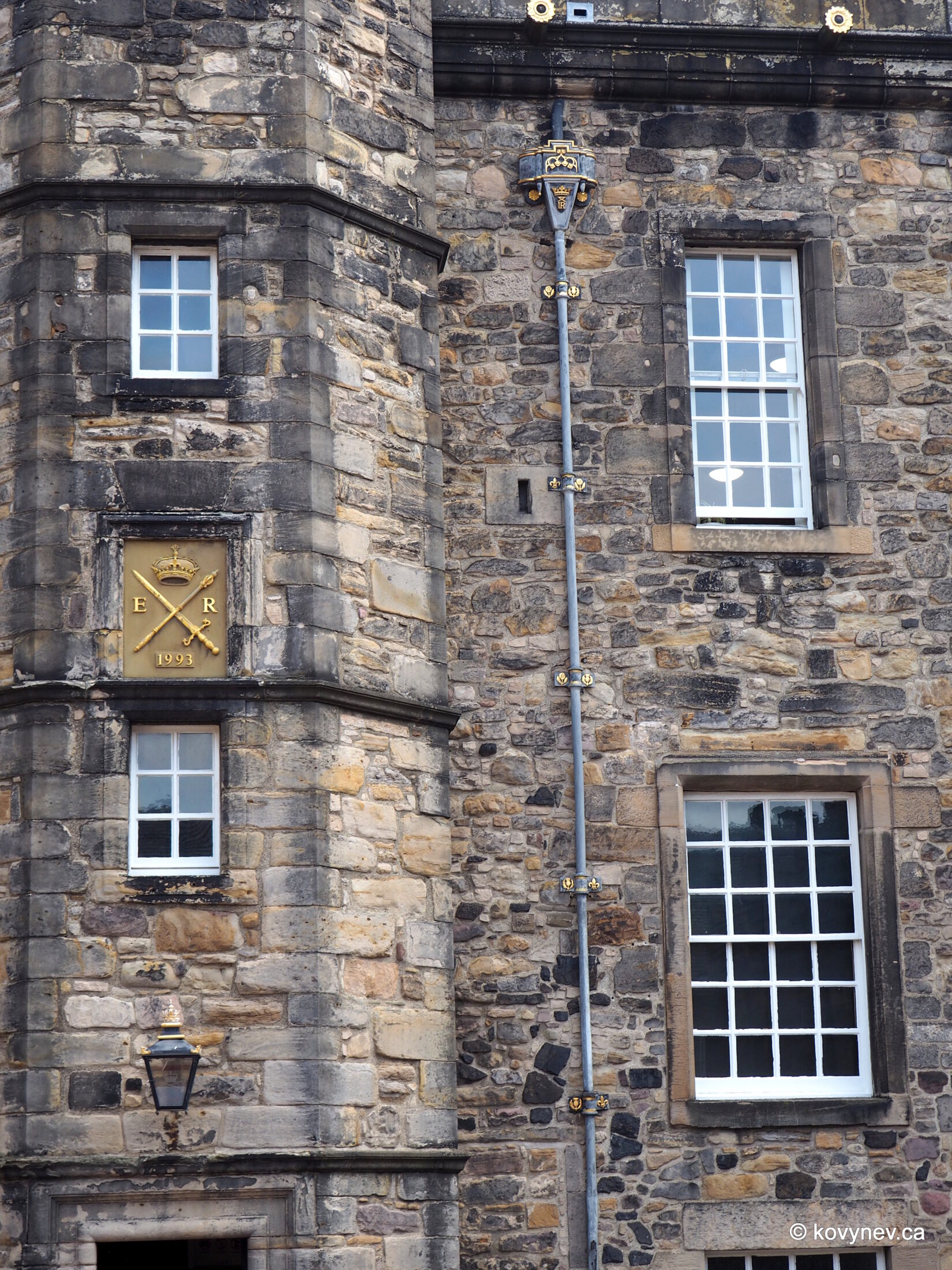
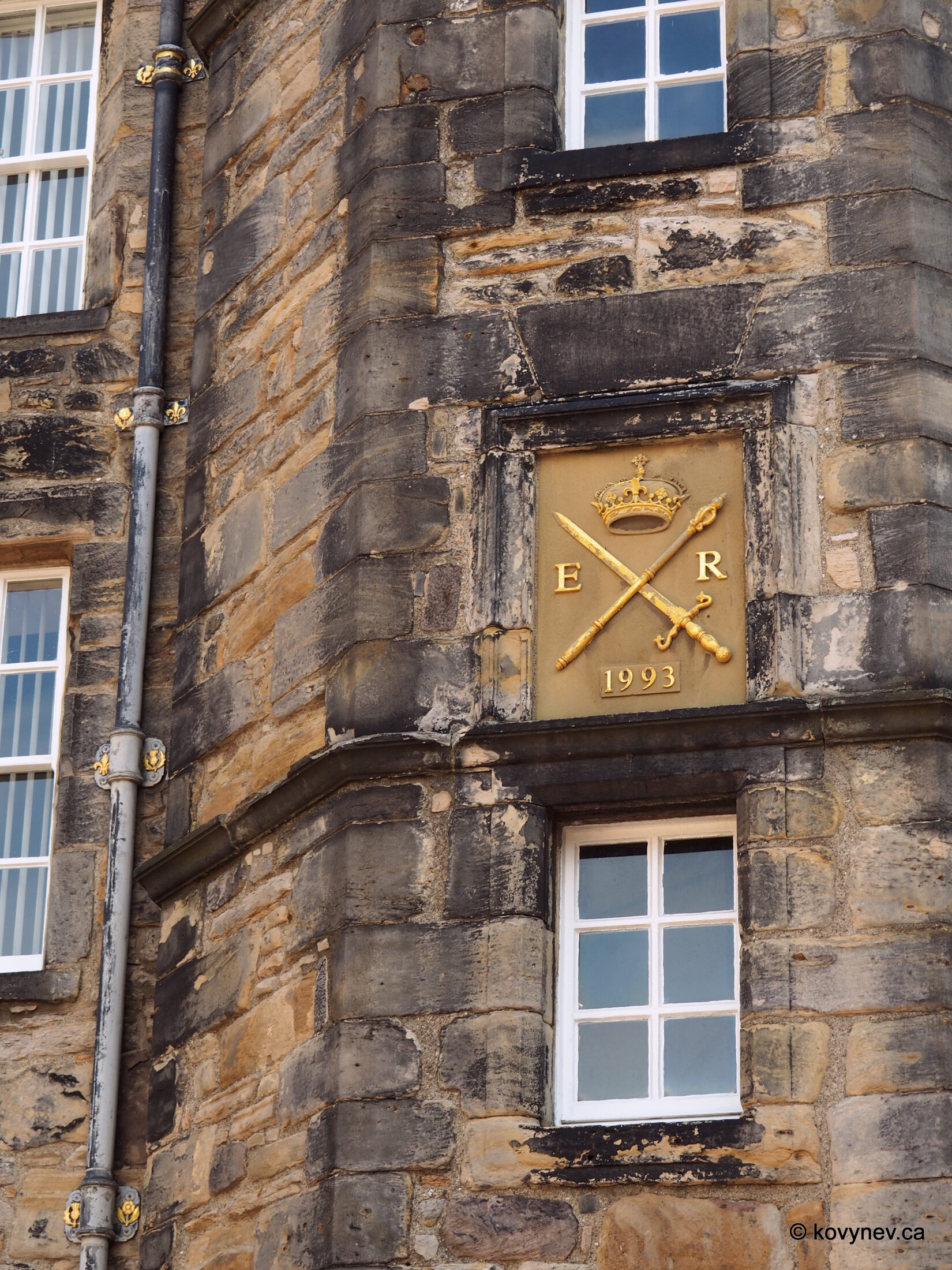
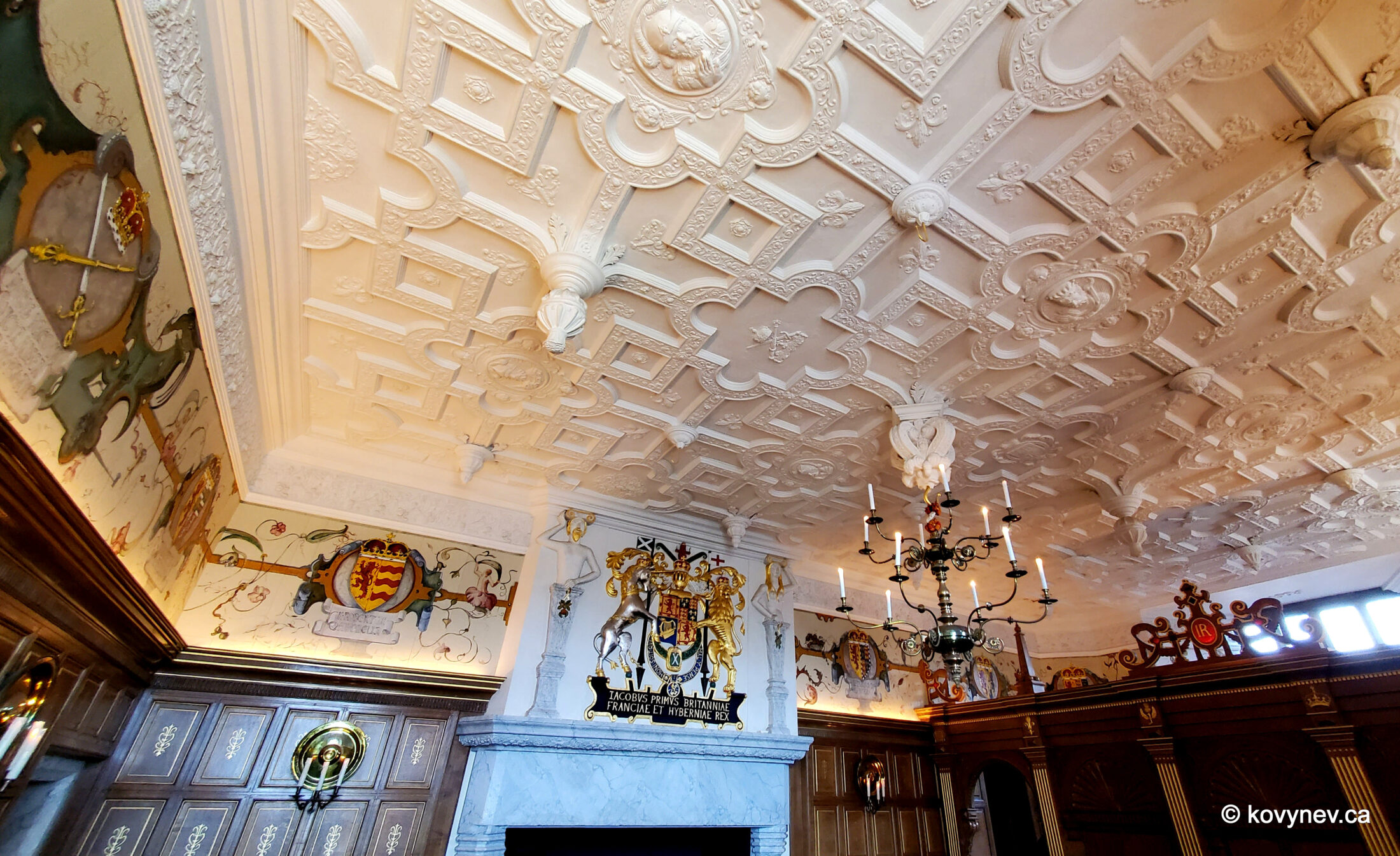
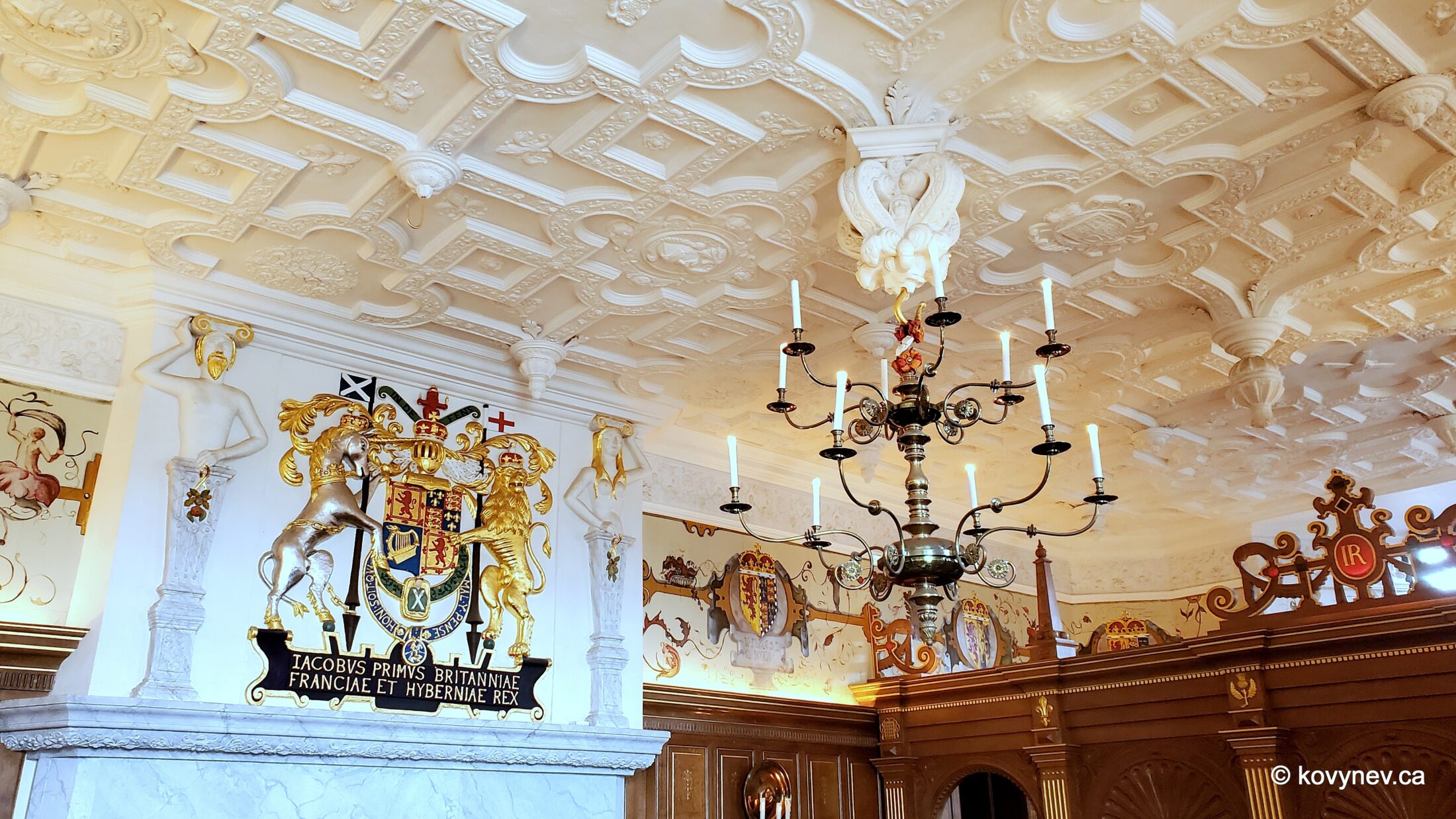
Originally it was barracks for soldiers, then a hospital, a storage, and lots other things. Like a shed in the backyard used for whatever is the current need. Now they use it for exhibitions and visitor facilities (go there if you need a washroom).And the 4th building is, obviously, the Scottish National War Memorial, which we are still looking at. Clearly, I find this one, the newest of the four buildings, the most fascinating of them all. So, you will have to endure a few more pictures of it.Finally, this is the last pic of the Scottish National War Memorial. The building on the right, with the lantern, is the Royal Palace.Oops, technically, this would be the last pic of the Scottish National War Memorial. I had to play with the original image, didn′t I 😊And here we are - the Royal Palace, the first and the main building on Crown Square. The square itself was once called Palace Yard. This is the Renaissance look given to the palace by James V in the 1500s. Notice the big windows, which replaced the original small ones, looking more like portholes. In the 16th century, the palace didn′t have to be a fortress anymore, and could become a residence. Letters E and R on the plaque mean Elizabeth Regina (Queen Elizabeth). Judging by the date, they mean Elizabeth II, but the Roman numerals between the letters are missing. That′s because Elizabeth I was never the queen of Scots, so Elizabeth II is their first Elizabeth. And thus, she doesn′t require a number.Now, look at those little gold ornaments adorning the rainwater pipe. The one on top, left, is thistle, the national symbol of Scotland. In the times of vikings, when a gang of invaders disembarked on the Scottish soil one dark night, one of the raiders stepped barefoot on a spiky thistle and cried out, thus alerting the locals. Since then, the Scots revere the thistle. ⇨ ⇨ The flower next to it is the Tudor Rose - England′s national flower. Juxtaposition of these two emblems here symbolizes the English-Scottish Union of the Crowns in 1603, when King James VI of Scotland became King James I of England. And lower, we see the French fleur-de-lis, the memento of the times when James′s mother, Mary, Queen of Scots, half-French herself, was briefly Queen of France as consort to king Francis II. James VI was born in this very building. The actual room he was born in, called the Birthing Chamber, is still in existence today, and you can see it. But they only let you peek inside from the doorway, and you cannot really make a good picture. So, no picture. 🙁As I already mentioned, James VI became the first monarch, who simultaneously ruled over England and Scotland. After Elizabeth I died heirless, he turned out to be her closest living relative, albeit still quite distant. He was a great-great-grandson of Henry VII, Elizabeth′s paternal granddad, which makes him the queen′s first cousin once removed. ⇨⇨ I won′t even try to explain the complicated relation, so we will have to just accept the fact that he was the most qualified heir. Plus, he was baptized as a Protestant (as opposed to his mother being a Catholic), which in those times meant a huge deal. So, on March 24, 1603, as the result of the so-called Union of Crowns, James, already the Scottish king, became the King of England.He got a different "number" though. He was James VI of Scotland, and James I of England and Ireland (since the English ruled Ireland then too). Remember - it was a union of crowns, meaning - they did not merge, just "married", so the king wore 3 hats, so to speak. Only a century later the Scottish and English crowns (but not Irish!) did amalgamate, becoming one - the crown of the Kingdom of Great Britain.Before we continue with our tour, now inside the Palace, I have to mention what you won′t see - the Crown Room. This is where the Scottish royal regalia (The Honours of Scotland, as they call them) are displayed: the Crown of Scotland, the Sceptre, and the Sword of State. Plus, lots of discrete treasures. Amazing stuff. But it′s not allowed to photograph there, so, no pictures again... 🙁And this is what I have pictures of - Laich Hall ("Low Hall), as part of Royal Apartments of the Palace. The way we see it now was created as a dining room for James VI, when he came home for a visit from London, in 1617, on the occasion of his Golden Jubilee - 50th anniversary of his reign. He himself was 51 - he became king at the sweet age of 1.Since this room was decorated specifically for the occasion of the king′s "homecoming", the centerpiece of the room is this coat-of-arms above the fireplace. It′s James′s personal arms as the king of his multiple domains: the Scottish unicorn and the English lion, holding a composite shield with the emblems of all his kingdoms - 2 British lions, the Scottish arms in the upper right corner, and the Irish harp.[In this picture, you see another depiction of James′s personal coat-of-arms, still in the same room, but on a different wall. Is this an exemplar sucking-up, or what!] James VI was the last king to even stay at the Royal Palace. After him, the official royal residence of Edinburgh was moved to the Palace of Holyroodhouse, at the other end of the Royal Mile. This palace was given to the military garrison of the Castle for their use. Laich Hall was stripped of all its embellishments, the furniture was removed, and the room was used for storage and other utilitarian purposes. Only quite recently, around the year of 2000, the room was restored to all its 16th-century glory.Once we are done with the Royal Apartments, we walk outside again, turn left, and face the Great Hall. The Hall itself is a one-storey plain building of grey stone, so it doesn′t deserve a picture, but this royal coat-of-arms of the king James IV, does. This specific James was the one who built the Great Hall in 1501–1504.The aptly-named Great Hall is exactly what it′s called - a big empty space, designed for ceremonies, feasting, and such. A must-have for any medieval king. Sometimes you hear that the Scottish Parliament gathered in the Great Hall as well, but there is no hard historical evidence for that. They had banquets here, that′s for sure.What you see today, is not how the Hall looked back then, in the 16th century, obviously. After the Union of the Crowns in 1603, the court moved to London, so there was no king to have banquets here anymore. The Great Hall was used as military barracks, with extra floors added inside, to fit more troops, which somewhat altered the look of the Hall.What we see now is the result of the restoration of the Great Hall in 1880s. Almost everything was restored to the way the restorators thought it should have looked. Except for this. The hammerbeam roof, as it′s called, is original, and it is one of the finest medieval timber roofs in Britain. It′s made with massive oak beams, with no central pillars, leaving a vast open space below. And I mean vast: the Hall is 47 m (155 ft) long, and 12 m (39 ft) wide. [The painting on the wall is called "The Fight for the Standard" by the Scottish artist Richard Ansdell, depicting a dramatic episode during the Battle of Waterloo in 1815. The cavalryman is one of the Scots Greys we spoke about before, capturing a French standard].This wooden structure at one end of the Hall is meant to be a screen, which conceals service doors and the servants going back and forth. It′s a usual feature for a medieval banquet space, but the woodwork we see here is, obviously, not original, it′s all Victorian.Which doesn′t make it less intricate and beautiful. Let′s have a closer look.Like everything that was added to Edinburgh Castle during the restoration in the 1880s, the screen is carved in late Gothic / early Renaissance revival style.Some other Victorian additions to the Hall, not present in its original state - the wood panelling along all the walls, classical-style decorations of the fireplace, and medieval armour. Originally, the walls of the Hall would have been hung with tapestries, not wood panelling and weapons.Same with chandeliers. Originally, the Hall would be lit by the wall-mounted torches, candles on the floor stands and on the tables, and that one fireplace we just saw. These intricate lighting fixtures are purely Victorian.But you have to give credit to the restorators - they deliberately avoided heavy decoration of the Hall, so the hammerbeam roof remained dominant. That was a big sacrifice on the part of Victorian decorators. If you ever saw a typical Victorian room, you know - they never left a single inch uncovered. The stained-glass windows bear coats-of-arms of Scottish kings and queens, major clans and noble houses, and specific important people. If you look closely, you can see the names of the arms′ owners at the bottom of the window (for example, William Wallace and Robert the Bruce here. Which gives some credit to the restorators - both gentlemen fought very hard against the English crown, yet, by 1880s, everything was forgotten.)Here we see the arms of King James III (top left), King James IV (top right), and King James V and his consort Mary of Guise, parents of Mary, Queen of Scots (lower left). ⇨⇨ Next to them are King James VI and his regent Murray (the English spelling of the Scottish name Moray) - the reminder of the times when Mary, Queen of Scots, was forced to abdicate, and her 1-year-old son James became King James VI with Moray as the Regent. That resulted in the Marian Civil War and almost complete destruction of Edinburgh Castle I told you about before.The Royal Arms of the United Kingdom - the entity formed by the Union of the Crowns (not the current United Kingdom). Like on the personal emblem of King James VI we saw before, there are 2 English lions (since the English is still the dominant crown), the Scottish coat-of-arms, and the Irish harp, all inside the wreath of the Scottish thistle (as a nod to the location of the Great Hall). The little pendant under the coat-of-arms is the depiction of Saint Andrew, the patron saint of Scotland. You can always recognize him by the saltire cross (the diagonal X-shaped cross, on which Andrew was crucified in 60-70 AD). That cross is also the Scottish flag (white cross on blue field), commonly called The Saltire. And the final pic of this gallery and of Edinburgh Castle altogether - Queen Anne Building. Or, rather, a very small fragment of it, which I deemed worthy of a shot. As with the Great Hall, Queen Anne Building is pretty plain and unassuming, so it didn′t inspire me to take a picture of the whole structure. But this corner caught my eye.Press ESC to exit